गीत विंग · गीत-पट्टिका · Song Plate
मुझे दर्द देने वाले
Mujhe Dard Dene Waale
शमशाद बेगम उर्दू शायरी के सबसे स्थायी विरोधाभास को आवाज़ देती हैं — हम उन्हें सबसे ज़्यादा क्यों चाहते हैं जो हमें तकलीफ़ देते हैं?
भावउदास · दार्शनिक · रोमांटिक
भाषाUrdu · Hindi गतिधीमी स्वरूपएकल महिला
श्रेय
The Creditsबोल · The Lyrics
बोल — झलक · Lyrics Preview
तू मेरे दिल का आला
जिसने दिया जला दिया
वो मेरा दिलवाला
Tu mere dil ka aala
Jisne diya jala diya
Woh mera dilwaala
कॉपीराइट के कारण केवल झलक — पूरे बोल आधिकारिक मंचों पर।
शब्दकोश
Word Meaningsसूत्र-वाक्य · The Hook
सूत्र-वाक्य
शमशाद बेगम उर्दू शायरी के सबसे स्थायी विरोधाभास को आवाज़ देती हैं — हम उन्हें सबसे ज़्यादा क्यों चाहते हैं जो हमें तकलीफ़ देते हैं?
In EnglishShamshad Begum gives voice to one of Urdu poetry's most enduring paradoxes: why do we love most those who hurt us?
पट्टिका-लेख
The Monographपरिचय Overview
मेहबूब ख़ान की सामाजिक-अपराध फ़िल्म एलान (1947) से, यह नौशाद अली की रचना है जिसमें शमशाद बेगम की विशिष्ट उज्ज्वल आवाज़ सुनाई देती है। नौशाद उस समय बंबई के अग्रणी फ़िल्म संगीतकार के रूप में स्थापित हो रहे थे — रतन (1944) और अनमोल घड़ी (1946) के बाद — और एलान ने उन्हें पहली बार मेहबूब ख़ान की यूनिट के साथ काम करने का मौका दिया। शकील बदायूँनी के बोलों में उर्दू काव्य-शास्त्र का वो प्रसिद्ध विरोधाभास है — महबूब दर्द देने वाला है, फिर भी उसी से मुहब्बत गहरी होती जाती है। शमशाद बेगम की स्पष्ट, गूंजती आवाज़ ने इन दार्शनिक गीतों को एक सुलभ चमक दी।
अंग्रेज़ी में पढ़ें · Read in English
From Mehboob Khan's social crime-drama Elaan (1947), this Naushad Ali composition features Shamshad Begum's distinctive bright timbre in one of the director's pre-Andaz experiments in emotionally grounded song placement. Naushad composed the Elaan soundtrack as he was consolidating his position as Bombay's foremost film composer — having already scored Rattan (1944) and Anmol Ghadi (1946) — and Elaan gave him the opportunity to work with the Mehboob Khan unit for the first time. Shakeel Badayuni's lyric employs the classic Urdu poetic paradox: the beloved is the source of all pain, yet the lover's devotion only deepens for it. Shamshad Begum's clear, resonant voice gave these philosophical songs an accessible brightness that Naushad treasured.
संगीत The Music
एलान (1947) के लिए नौशाद अली की रचना-पद्धति उनकी उस प्रथा को जारी रखती थी जिसमें वे फ़िल्मी गीतों को हिंदुस्तानी शास्त्रीय रागों में पिरोते थे। राग भैरवी — वो 'विदाई राग' जो पारंपरिक रूप से संगीत-महफ़िलों के अंत में बजाया जाता है और स्वीकृति तथा दार्शनिक समर्पण का भाव लिए है — दर्द के बावजूद प्यार करने के गीत के लिए एकदम सटीक है। शमशाद बेगम इस दौर में नौशाद की पसंदीदा आवाज़ों में थीं।
अंग्रेज़ी में पढ़ें · Read in English
Naushad Ali's compositional approach for Elaan (1947) continued his practice of grounding film songs in Hindustani classical raags while making them accessible to a mass audience. The choice of Raag Bhairavi — the 'farewell raag' traditionally performed at the end of concerts, associated with longing, acceptance and philosophical resignation — perfectly suits a song about loving despite pain. Keherwa taal provides the gentle rhythmic foundation. Shamshad Begum was one of Naushad's preferred voices in this period; her voice, unlike the softer timbre of some contemporaries, had a directness and brightness that carried philosophical lyrics without sentimentality.
काव्य The Poetry
शकील बदायूँनी के बोल उर्दू रोमांटिक काव्य की उस मस्सोशिस्टिक धारा से पानी पीते हैं जिसमें तकलीफ़ ही इश्क़ की दलील है। 'मुझे दर्द देने वाले, तू मेरे दिल का आला' — यह उर्दू-फ़ारसी की शायरी की एक चिरपरिचित संरचना है जहाँ यातना देने वाला ही सर्वोच्च है। रूमी से लेकर ग़ालिब तक, यह भाव सदियों की शायरी में बहता आया है। शकील इसे सरल भाषा में रखते हुए दार्शनिक भार को सुरक्षित रखते हैं।
अंग्रेज़ी में पढ़ें · Read in English
Shakeel Badayuni's lyric here draws on the masochistic strand of Urdu romantic poetry — the tradition of ulta ishq (inverted love) in which suffering is proof of devotion. The paradox 'mujhe dard dene waale, tu mere dil ka aala' (O you who give me pain, you are the supreme being of my heart) is a classic formulation: the tormentor elevated to the divine. This philosophical position — that pain from the beloved is preferable to comfort from anyone else — runs through centuries of Urdu and Persian poetry, from Rumi to Ghalib. Shakeel makes it accessible by keeping the language simple while preserving the philosophical weight.
कहानी The Story
एलान (1947) हिंदी सिनेमा के दो प्रमुख कलाकारों — निर्देशक मेहबूब ख़ान और संगीतकार नौशाद अली — के बीच एक महत्वपूर्ण सहयोग था। मेहबूब ख़ान एक सामाजिक सचेत फ़िल्मकार के रूप में स्थापित हो चुके थे और नौशाद हिट साउंडट्रैक की एक शानदार श्रृंखला के बीच में थे। शमशाद बेगम 1940 के दशक के अंत में सबसे व्यस्त पार्श्व गायिकाओं में से थीं, जो वार्षिक रूप से दर्जनों फ़िल्मों में काम करती थीं।
अंग्रेज़ी में पढ़ें · Read in English
Elaan (1947) represented an important collaboration between two of Hindi cinema's most significant artists — director Mehboob Khan and composer Naushad Ali. Mehboob Khan had already established himself as a socially conscious filmmaker, while Naushad was in the middle of a remarkable run of hit soundtracks. Their collaboration in Elaan, though less famous than the later Andaz (1949) and Mother India (1957), was historically significant as their first major joint venture. Shamshad Begum was among the busiest and most recorded playback singers of the late 1940s, contributing to dozens of films annually. Her bright, projectile voice was particularly suited to radio broadcast, which was the primary distribution medium for film songs in this era.
विरासत The Legacy
एलान (1947) ने मेहबूब ख़ान-नौशाद साझेदारी की शुरुआत को चिह्नित किया जो बाद में अंदाज़ (1949) और मदर इंडिया (1957) जैसी फ़िल्में देगी। शमशाद बेगम की आवाज़ ने इस दौर में हिंदी फ़िल्म संगीत की ध्वनि को परिभाषित करने में मदद की — उज्ज्वल, सीधी, शास्त्रीय आधार पर टिकी लेकिन कभी दुर्बोध नहीं। उनका काम लता मंगेशकर के पूर्ण वर्चस्व के युग से ठीक पहले का था।
अंग्रेज़ी में पढ़ें · Read in English
Elaan (1947) marked the beginning of the Mehboob Khan-Naushad partnership that would eventually produce Andaz (1949) and Mother India (1957) — two of Hindi cinema's most celebrated films. The songs from Elaan represent Naushad's growing confidence in using classical raags for mainstream film audiences. Shamshad Begum's voice in Naushad compositions from this period helped define the sound of late-1940s Hindi film music — bright, direct, classically grounded but never inaccessible. Her work in this era preceded the era of Lata Mangeshkar's complete dominance of female playback.
वर्गीकरण
Classification- Tempo
- Slow
Genre
अन्य विवरण
More Details- Wikipedia: Naushad — https://en.wikipedia.org/wiki/Naushad
- Wikipedia: Mehboob Khan — https://en.wikipedia.org/wiki/Mehboob_Khan
- Wikipedia: Shamshad Begum — https://en.wikipedia.org/wiki/Shamshad_Begum
- Wikipedia: Elaan (1947 film) — https://en.wikipedia.org/wiki/Elaan_(1947_film)
- Hindi Film Geet Kosh — Vol. 3, entries for Elaan (1947)
References
रोचक तथ्य
Margin Notesएलान (1947) निर्देशक महबूब ख़ान और संगीतकार नौशाद अली के बीच पहला बड़ा सहयोग था — एक साझेदारी जो आगे चलकर हिंदी सिनेमा की कुछ सबसे प्रशंसित फिल्में देने वाली थी।
अंग्रेज़ी में पढ़ें · Read in English
Elaan (1947) was the first major collaboration between director Mehboob Khan and composer Naushad Ali — a partnership that would go on to produce some of Hindi cinema's most celebrated films.
1940 के दशक के अंत में शमशाद बेगम की आवाज़ को रेडियो के लिए आदर्श माना जाता था क्योंकि इसका उज्ज्वल प्रक्षेपण उस समय की एएम रेडियो आवृत्तियों में अच्छी तरह पहुँचता था — यह एक महत्वपूर्ण व्यावसायिक विचार था जब रेडियो गीत वितरण का प्रमुख माध्यम था।
अंग्रेज़ी में पढ़ें · Read in English
Shamshad Begum's voice in the late 1940s was considered ideal for radio because its bright projection carried well through the AM radio frequencies of the time — a significant commercial consideration when radio was the primary medium for song distribution.
राग भैरवी परंपरागत रूप से हिंदुस्तानी संगीत समारोह का अंतिम राग है — एक प्रतीकात्मक 'विदाई' — जो इसे एक ऐसे प्रेम-गीत के लिए दार्शनिक रूप से उपयुक्त बनाती है जो एक साथ पीड़ा भी देता है और सहारा भी।
अंग्रेज़ी में पढ़ें · Read in English
Raag Bhairavi is traditionally the final raag of a Hindustani music concert — a symbolic 'farewell' — making it philosophically appropriate for a song about a love that simultaneously hurts and sustains.
नौशाद अली (1919-2006) ने 1940 के दशक की शुरुआत में अपना फिल्मी करियर शुरू किया और 1947 तक वे पहले ही रतन (1944) और अनमोल घड़ी (1946) सहित हिंदी सिनेमा के कुछ सबसे सफल साउंडट्रैक रच चुके थे।
अंग्रेज़ी में पढ़ें · Read in English
Naushad Ali (1919-2006) began his film career in the early 1940s and by 1947 had already composed some of Hindi cinema's most successful soundtracks, including Rattan (1944) and Anmol Ghadi (1946).
शकील बदायूँनी ने जुगनू (1947) और एलान (1947) दोनों के लिए गीत लिखे, जो 1947 के हिंदी फिल्म संगीत परिवेश में उनकी केंद्रीय स्थिति को दर्शाता है।
अंग्रेज़ी में पढ़ें · Read in English
Shakeel Badayuni wrote lyrics for both Jugnu (1947) and Elaan (1947), demonstrating his central position in 1947's Hindi film music ecosystem.
नमूना-पट्टी
The Specimen Table| शीर्षक | मुझे दर्द देने वाले · Mujhe Dard Dene Waale |
|---|---|
| वर्ष · युग | 1947 — Pre-Independence |
| गायक | Shamshad Begum |
| गीतकार | Shakeel Badayuni |
| संगीतकार | Naushad |
| स्वरूप | एकल महिला |
| गति | धीमी |
| भाषा | Urdu · Hindi |
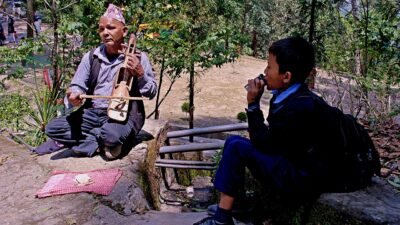
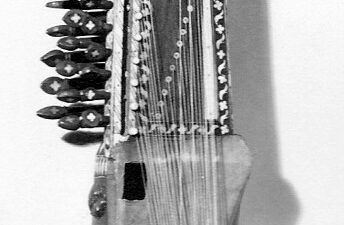
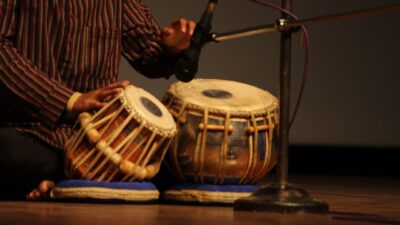
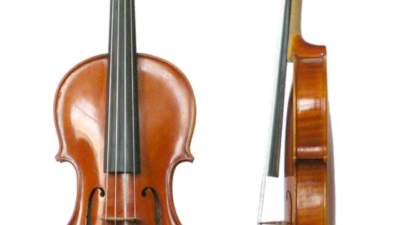
| वाद्य | harmonium · sarangi · tabla · violin |
| भाव | उदास · दार्शनिक · रोमांटिक |
| लोकप्रियता | Obscure |
| बोल-स्थिति | केवल झलक |
जुड़े हुए पन्ने
Connected Plates · The Graph Made Visibleअटलस में कोई पन्ना अकेला नहीं — इस गीत से जुड़े गीत, कलाकार, फ़िल्म, राग-ताल-विधा, सब यहाँ से खुलते हैं।
मिलते-जुलते गीत · Related Songs
साझा कीजिए · Share this Plate
यह पन्ना आगे बढ़ाइए
नौशाद का 1947 का एलान साउंडट्रैक उनकी और मेहबूब ख़ान की बाद की महानता का पूर्वाभ्यास था — श्रेष्ठ कृति से पहले का मोटा ख़ाका।
Naushad's 1947 Elaan soundtrack was the rehearsal for his and Mehboob Khan's later greatness — the rough sketch before the masterpiece.
— HindiGeet.in editorial, on the Naushad-Mehboob Khan creative partnership
सवाल-जवाब
Questions & Answersएलान (1947) क्या है? · What is Elaan (1947)?
एलान (1947) मेहबूब ख़ान निर्देशित एक हिंदी फ़िल्म है, जिसका संगीत नौशाद अली ने दिया। यह मेहबूब ख़ान और नौशाद के बीच पहला प्रमुख सहयोग था — एक जोड़ी जो बाद में अंदाज़ (1949) और मदर इंडिया (1957) जैसी श्रेष्ठ कृतियाँ देगी।
Elaan (1947) is a Hindi film directed by Mehboob Khan, one of India's most celebrated directors. Naushad Ali composed the music. It represented the first significant collaboration between Mehboob Khan and Naushad, who would later partner on masterpieces like Andaz (1949) and Mother India (1957).
शमशाद बेगम कौन हैं? · Who is Shamshad Begum?
शमशाद बेगम (1919-2013) हिंदी सिनेमा की अग्रणी पार्श्व गायिकाओं में से एक थीं। अपनी विशिष्ट उज्ज्वल आवाज़ और स्पष्ट उच्चारण के लिए जानी जाने वाली शमशाद 1940-50 के दशक की सबसे विपुल और लोकप्रिय महिला आवाज़ों में थीं।
Shamshad Begum (1919-2013) was one of the pioneering playback singers of Hindi cinema. Known for her distinctive bright voice and clear diction, she was among the most prolific and popular female voices of the 1940s-50s, before the era of Lata Mangeshkar's dominance.