गीत विंग · गीत-पट्टिका · Song Plate
काली घटा छाये मोरा जी घबराये
Kaali Ghata Chhaaye Mora Ji Ghabraaye
जब 1947 में बंबई पर सावन के बादल छाये, तो उन्होंने उस माइक्रोफ़ोन के इर्द-गिर्द भी छाया डाली जहाँ गीता दत्त की आवाज़ का जन्म हो रहा था।
भावमीठा-कड़वा · विरह · चुलबुला · रोमांटिक
भाषाHindi · Braj · Urdu गतिमध्यम स्वरूपएकल महिला
श्रेय
The Creditsबोल · The Lyrics
पूरे बोल · Full Lyrics
काली घटा छाये मोरा जी घबराये
साँवरे तू आ जा रे आ जा रे
मोरा जी घबराये
बिजली चमकी आँखें चौंधियाई
बिजली चमकी आँखें चौंधियाई
मेघ-मल्हार सुनाई दे आई
मेघ-मल्हार सुनाई दे आई
पिया तू आ जा रे आ जा रे
मोरा जी घबराये
काली घटा छाये मोरा जी घबराये
पवन झकोरे मन मचलाए
पवन झकोरे मन मचलाए
सावन की ऋतु मन ललचाए
सावन की ऋतु मन ललचाए
बलमा तू आ जा रे आ जा रे
मोरा जी घबराये
काली घटा छाये मोरा जी घबराये
Kaali ghata chhaaye mora ji ghabraaye
Saanware tu aa ja re aa ja re
Mora ji ghabraaye
Bijli chamki aankhein chondhiyaayi
Bijli chamki aankhein chondhiyaayi
Megh-malhar sunaayi de aayi
Megh-malhar sunaayi de aayi
Piya tu aa ja re aa ja re
Mora ji ghabraaye
Kaali ghata chhaaye mora ji ghabraaye
Pawan jhakore man machalay
Pawan jhakore man machalay
Saawan ki ritu man lalchaaye
Saawan ki ritu man lalchaaye
Balma tu aa ja re aa ja re
Mora ji ghabraaye
Kaali ghata chhaaye mora ji ghabraaye
Dark clouds gather, my heart trembles with longing
O my dark-complexioned love, come to me, come to me
My heart is restless with longing
Lightning flashes, my eyes are dazzled
Lightning flashes, my eyes are dazzled
The Megh Malhar raag seems to fill the air
The Megh Malhar raag seems to fill the air
O my beloved, come to me, come to me
My heart is restless with longing
Dark clouds gather, my heart trembles with longing
The monsoon wind stirs, my heart is restless
The monsoon wind stirs, my heart is restless
The season of Sawan (monsoon) fills my heart with yearning
The season of Sawan fills my heart with yearning
O my dearest, come to me, come to me
My heart is restless with longing
Dark clouds gather, my heart trembles with longing
शब्दकोश
Word Meaningsसूत्र-वाक्य · The Hook
सूत्र-वाक्य
जब 1947 में बंबई पर सावन के बादल छाये, तो उन्होंने उस माइक्रोफ़ोन के इर्द-गिर्द भी छाया डाली जहाँ गीता दत्त की आवाज़ का जन्म हो रहा था।
In EnglishWhen the monsoon clouds gathered over Bombay in 1947, they also gathered around the microphone where Geeta Dutt's voice was born.
पट्टिका-लेख
The Monographपरिचय Overview
1947 में बंबई के एक रिकॉर्डिंग स्टूडियो में इतिहास रचा गया जब सोलह साल की एक लड़की — गीता रॉय — एस.डी. बर्मन की फ़िल्म 'दो भाई' के लिए माइक्रोफ़ोन के सामने आई और उसने हिंदी फ़िल्म संगीत को एक अमर आवाज़ दी। 'काली घटा छाये मोरा जी घबराये' वो पहला गीत था — राग देश में एक वर्षा-ठुमरी, जिसमें राजा मेहदी अली ख़ान के लोक-रंगे बोल बादलों, बिजली और सावन की हवाओं की भाषा में महबूब को पुकारते हैं। एस.डी. बर्मन ने बनारस ठुमरी की परंपरा से कुछ ऐसा बनाया जो एक साथ शास्त्रीय और सहज था। HMV पर रिलीज़ इस गीत ने गीता रॉय (बाद में गीता दत्त) को हिंदी फ़िल्म संगीत की दुनिया से रूबरू कराया।
अंग्रेज़ी में पढ़ें · Read in English
History was made in a Bombay recording studio in 1947 when a 16-year-old girl named Geeta Roy stepped before the microphone to sing for S.D. Burman's Do Bhai — and in doing so launched one of the greatest voices in Indian film music. 'Kaali Ghata Chhaaye Mora Ji Ghabraaye' is that debut song: a monsoon thumri in Raag Desh, with Raja Mehdi Ali Khan's folk-inflected lyrics invoking the beloved in the language of clouds, lightning and the Sawan wind. S.D. Burman's composition drew on the Banaras thumri tradition to create something simultaneously classical and deeply accessible. Released on HMV, the song announced Geeta Roy (later Geeta Dutt) to the Hindi film world and set her on a trajectory that would produce some of the most beloved songs in Indian cinema.
संगीत The Music
एस.डी. बर्मन ने 'काली घटा छाये' को राग देश में रचा — हिंदुस्तानी संगीत का सबसे प्रतिनिधि वर्षा-राग, जो सावन ऋतु के आगमन और पहली बारिश में महबूब की याद से जुड़ा है। देश राग के विशिष्ट स्वर आशा और विरह के बीच एक सुंदर दोलन बनाते हैं। बर्मन का संयोजन बनारस ठुमरी की परंपरा से जुड़ा था — राग अलंकृत पर बोझिल नहीं, गायिका को गमक और लयकारी के ज़रिए भाव व्यक्त करने की आज़ादी देता हुआ। सोलह साल की उम्र में गीता रॉय की आवाज़ में पहले से वो दुर्लभ घरघराहट थी जो उन्हें एक साथ निर्दोष और अनुभवी बनाती थी।
अंग्रेज़ी में पढ़ें · Read in English
S.D. Burman's composition for 'Kaali Ghata Chhaaye' is rooted in Raag Desh — the quintessential monsoon raag in Hindustani music, associated with the opening of the Sawan season and the longing for the beloved that the first rains always evoke. Desh raag's characteristic notes create a beautiful oscillation between hope and yearning. Burman's arrangement draws on the Banaras thumri tradition: the melody is ornate but never overloaded, with considerable freedom given to the singer to express emotion through gamak (subtle ornaments) and layakari (rhythmic play). The Keherwa taal (8-beat cycle) is steady but allows the melody to breathe. Geeta Roy's voice at age 16 already possessed something rare: a natural huskiness that made her sound simultaneously innocent and world-weary — the perfect palette for a song about longing.
काव्य The Poetry
राजा मेहदी अली ख़ान के बोल बारहमासा की समृद्ध परंपरा और ऋतु-प्रेम गीतों से शक्ति लेते हैं, जहाँ प्रकृति की घटनाएँ रोमांटिक विरह की रूपक बन जाती हैं। 'काली घटा' एक साथ मॉनसून का आकाश भी है और साँवले प्रिय (कृष्ण के संदर्भ में 'सांवरे') भी। बिजली वैसे ही आँखें चौंधियाती है जैसे महबूब का आगमन। मेघ-मल्हार का सीधा उल्लेख गीत को संगीत-चेतन बनाता है — एक परिष्कृत स्पर्श। हर अंतरे में एक नई प्राकृतिक शक्ति जुड़ती है — बादल, बिजली, हवा — और पुकार की तीव्रता बढ़ती जाती है।
अंग्रेज़ी में पढ़ें · Read in English
Raja Mehdi Ali Khan's lyric draws on the rich tradition of the barahmasa (twelve-month poem) and the seasonal love song, where natural phenomena become metaphors for romantic longing. The 'kaali ghata' (dark clouds) is simultaneously the monsoon sky and the dark-complexioned beloved (addressed as 'saanware' — the dark one, a name for Krishna). Lightning ('bijli') dazzles the eyes just as the beloved's arrival would. The monsoon raag Megh Malhar is invoked directly — a sophisticated touch that makes the song meta-musical. Each verse layers in a new natural element: clouds, lightning, wind — escalating the urgency of the lover's plea.
कहानी The Story
गीता रॉय का जन्म 1930 में फ़रीदपुर, बंगाल (अब बांग्लादेश) में हुआ था। वे अपने परिवार के साथ बंबई आईं और एस.डी. बर्मन से उनकी मुलाकात हुई — जो स्वयं बंगाली थे और उनकी असाधारण प्रतिभा को पहचान गए। बर्मन ने उन्हें 'दो भाई' (1947) के गीतों के लिए चुना, जिसका निर्देशन शंकर मुखर्जी ने किया था। यह न केवल गीता रॉय का पहला गीत था, बल्कि हिंदी सिनेमा में एस.डी. बर्मन की भी एक प्रमुख प्रारंभिक फ़िल्म थी। 'काली घटा छाये' की रिकॉर्डिंग हिंदी फ़िल्म इतिहास की सबसे महान गायिका-संगीतकार जोड़ी की शुरुआत का क्षण था। गीता रॉय ने 1953 में फ़िल्म निर्देशक गुरु दत्त से विवाह किया और गीता दत्त के नाम से अमर हुईं।
अंग्रेज़ी में पढ़ें · Read in English
Geeta Roy was born in 1930 in Faridpur, Bengal (now Bangladesh). She came to Bombay with her family and was introduced to S.D. Burman, who was also Bengali and recognised her extraordinary natural talent. Burman cast her for the songs in Do Bhai (1947), directed by Shankar Mukherjee, which starred Balraj Sahni. This was not only Geeta Roy's debut but also a landmark early film for S.D. Burman in Hindi cinema. The recording session for 'Kaali Ghata Chhaaye' marked the beginning of what would become one of the most celebrated singer-composer partnerships in Hindi film history. Geeta Roy later married film director Guru Dutt in 1953, becoming Geeta Dutt — the name by which she is immortally remembered.
विरासत The Legacy
'काली घटा छाये मोरा जी घबराये' ने हिंदी फ़िल्म संगीत की सबसे प्रसिद्ध आवाज़ों में से एक को जन्म दिया। गीता दत्त ने आगे चलकर प्यासा (1957), साहब बीबी और ग़ुलाम (1962) और काग़ज़ के फूल (1959) जैसी फ़िल्मों के अमर गीत गाए। यह पहला गीत आज भी हिंदी फ़िल्म संगीत के सबसे प्रिय वर्षा गीतों में से एक है। 2026 में बोलों का कॉपीराइट समाप्त होने से यह गीत अब पूरी तरह सार्वजनिक है। गीता दत्त और एस.डी. बर्मन की जोड़ी ने यहाँ से शुरू होकर 1950 के दशक में और भी अनेक उत्कृष्ट कृतियाँ दीं।
अंग्रेज़ी में पढ़ें · Read in English
'Kaali Ghata Chhaaye Mora Ji Ghabraaye' launched one of the most celebrated voices in Indian film music. Geeta Dutt went on to sing immortal songs for films like Pyaasa (1957), Sahib Bibi Aur Ghulam (1962) and Kagaz Ke Phool (1959). This debut song remains one of the most beloved monsoon songs in Hindi film music and is played at every monsoon season in India. The song is now in the public domain (lyrics copyright expired 2026), ensuring its survival and free circulation. The Geeta Dutt-S.D. Burman partnership initiated here produced many more masterpieces through the 1950s. Her voice, with its trademark huskiness, became the gold standard for a certain kind of feminine melancholy in Hindi film song.
वर्गीकरण
Classification- Tempo
- Medium
Genre
अन्य विवरण
More Details- Wikipedia: Geeta Dutt — https://en.wikipedia.org/wiki/Geeta_Dutt
- Wikipedia: S.D. Burman — https://en.wikipedia.org/wiki/S._D._Burman
- Wikipedia: Do Bhai (1947 film) — https://en.wikipedia.org/wiki/Do_Bhai_(1947_film)
- Wikipedia: Raja Mehdi Ali Khan — https://en.wikipedia.org/wiki/Raja_Mehdi_Ali_Khan
- Hindi Film Geet Kosh — Vol. 3, entries for Do Bhai (1947)
- Anirudha Bhattacharjee and Balaji Vittal, R.D. Burman: The Man, The Music (HarperCollins India, 2011) — background on S.D. Burman's early career
References
रोचक तथ्य
Margin Notesगीता रॉय लगभग 16-17 वर्ष की थीं जब उन्होंने 'काली घटा छाए' रिकॉर्ड किया — जिससे यह हिंदी फिल्म संगीत इतिहास के सबसे उल्लेखनीय किशोरावस्था के पदार्पणों में से एक बन गया।
अंग्रेज़ी में पढ़ें · Read in English
Geeta Roy was approximately 16-17 years old when she recorded 'Kaali Ghata Chhaaye' — making this one of the most significant teenage debuts in Hindi film music history.
एस.डी. बर्मन (सचिन देव बर्मन) स्वयं बंगाल से थे, और युवा गीता रॉय को उनका समर्थन देना व्यापक रूप से बंगाल-मूल के दो कलाकारों के बीच बंबई में अपनी पहचान बनाने के एक-दूसरे को पहचानने के कार्य के रूप में देखा जाता है।
अंग्रेज़ी में पढ़ें · Read in English
S.D. Burman (Sachin Dev Burman) was himself from Bengal, and his championing of the young Geeta Roy is widely seen as an act of recognition between two Bengal-origin artists finding their feet in Bombay.
इस रचना में प्रयुक्त राग देस, हिंदुस्तानी संगीत के सबसे प्रिय वर्षा रागों में से एक है और परंपरागत रूप से सावन के महीने में संध्या के समय गाया जाता है। गीत के बिंबों के साथ इसका स्वाभाविक मेल कोई संयोग नहीं है — एस.डी. बर्मन की शास्त्रीय बुनियाद हमेशा स्पष्ट रही।
अंग्रेज़ी में पढ़ें · Read in English
Raag Desh, used in this composition, is one of the most beloved monsoon raags in Hindustani music and is traditionally performed in the evening during the Sawan month. Its natural fit with the song's imagery is no coincidence — S.D. Burman's classical grounding was always evident.
गीत में 'साँवरे' शब्द भगवान कृष्ण का एक पारंपरिक नाम है, जो गीत को उसके रोमांटिक धरातल के नीचे एक सूक्ष्म भक्ति-भाव देता है — ठुमरी परंपरा में यह एक सामान्य तकनीक है।
अंग्रेज़ी में पढ़ें · Read in English
The word 'saanware' (dark one) in the song is a traditional name for Lord Krishna, giving the song a subtle devotional undertone beneath its romantic surface — a technique common in thumri tradition.
इस गीत के बोल भारत में 2026 में सार्वजनिक डोमेन में आए, गीतकार राजा मेहदी अली ख़ान के 4 मार्च 1966 को हुए निधन के ठीक 60 वर्ष बाद।
अंग्रेज़ी में पढ़ें · Read in English
This song's lyrics entered the public domain in India in 2026, exactly 60 years after lyricist Raja Mehdi Ali Khan's death on March 4, 1966.
गीता दत्त (नी गीता रॉय) को लता मंगेशकर और आशा भोसले के साथ 1950 के दशक के हिंदी फिल्म संगीत की तीन सर्वश्रेष्ठ महिला आवाज़ों में से एक माना जाता है, जिससे यह पदार्पण गीत ऐतिहासिक रूप से महत्वपूर्ण रिकॉर्डिंग बन जाता है।
अंग्रेज़ी में पढ़ें · Read in English
Geeta Dutt (née Geeta Roy) is considered one of the three supreme female voices of 1950s Hindi film music alongside Lata Mangeshkar and Asha Bhosle, making this debut song a historically momentous recording.
नमूना-पट्टी
The Specimen Table| शीर्षक | काली घटा छाये मोरा जी घबराये · Kaali Ghata Chhaaye Mora Ji Ghabraaye |
|---|---|
| फ़िल्म | दो भाई · 1947 |
| वर्ष · युग | 1947 — Pre-Independence |
| गायक | Geeta Dutt |
| गीतकार | राजा मेहदी अली ख़ान |
| संगीतकार | S.D. Burman |
| स्वरूप | एकल महिला |
| गति | मध्यम |
| भाषा | Hindi · Braj · Urdu |
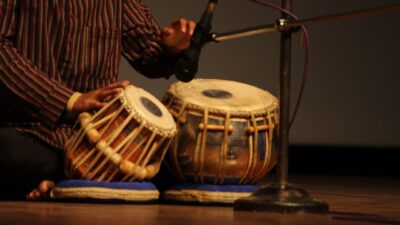
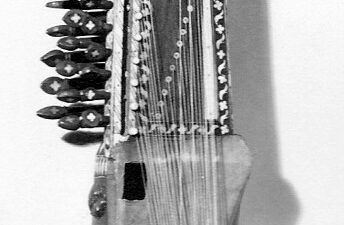
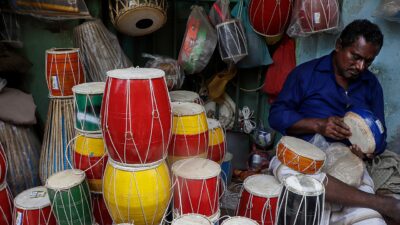
| वाद्य | harmonium · tabla · sarangi · dholak |
| भाव | मीठा-कड़वा · विरह · चुलबुला · रोमांटिक |
| लोकप्रियता | Very_popular |
| बोल-स्थिति | कॉपीराइट समाप्त |
जुड़े हुए पन्ने
Connected Plates · The Graph Made Visibleअटलस में कोई पन्ना अकेला नहीं — इस गीत से जुड़े गीत, कलाकार, फ़िल्म, राग-ताल-विधा, सब यहाँ से खुलते हैं।
मिलते-जुलते गीत · Related Songs
कलाकार · The Artists
फ़िल्म · The Film
साझा कीजिए · Share this Plate
यह पन्ना आगे बढ़ाइए
जब एस.डी. बर्मन ने इस वर्षा गीत में गीता रॉय की आवाज़ सुनी, तो उन्हें पता चल गया कि उन्होंने कुछ दुर्लभ पाया है — एक आवाज़ जो बारिश को तड़प जैसी सुनाती है।
When S.D. Burman heard Geeta Roy's voice on this monsoon song, he knew he had found something rare — a voice that could make rain sound like longing.
— Geeta Dutt biographies, cited in Hindi film music histories
सवाल-जवाब
Questions & Answersक्या 'काली घटा छाये' सच में गीता दत्त का पहला गीत था? · Was 'Kaali Ghata Chhaaye' really Geeta Dutt's debut song?
हाँ, 'दो भाई' (1947) का 'काली घटा छाये मोरा जी घबराये' गीता रॉय (गीता दत्त) का हिंदी फ़िल्म पार्श्व गायन में पहला गीत माना जाता है। वे उस समय लगभग 16-17 साल की थीं और एस.डी. बर्मन ने तुरंत उनकी असाधारण प्रतिभा को पहचाना।
Yes, 'Kaali Ghata Chhaaye Mora Ji Ghabraaye' from Do Bhai (1947) is widely recognised as Geeta Roy's (Geeta Dutt's) debut song in Hindi film playback. She was approximately 16-17 years old, and S.D. Burman immediately recognised her exceptional talent.
'काली घटा छाये' किस राग पर आधारित है? · Which raag is 'Kaali Ghata Chhaaye' based on?
यह गीत राग देश पर आधारित है — हिंदुस्तानी शास्त्रीय संगीत का एक सर्वप्रिय वर्षा-राग। राग देश सावन ऋतु और पहली बारिश की मीठी-कड़वी तड़प से जुड़ा है — जो इस गीत के काली घटा और बेचैन दिल की छवियों के साथ पूरी तरह मेल खाता है।
The song is composed in Raag Desh, one of the most beloved monsoon raags in Hindustani classical music. Raag Desh is associated with the Sawan season and evokes the bittersweet longing that accompanies the first monsoon rains — perfectly matched to the song's imagery of dark clouds and a restless heart.
क्या 'काली घटा छाये' के बोल अब स्वतंत्र रूप से उपयोग किए जा सकते हैं? · Can 'Kaali Ghata Chhaaye' lyrics be used freely now?
हाँ। गीतकार राजा मेहदी अली ख़ान का निधन 4 मार्च 1966 को हुआ था और भारतीय कॉपीराइट कानून (जीवनकाल+60 वर्ष) के अनुसार उनके बोलों का कॉपीराइट मार्च 2026 में समाप्त हो गया। ध्वनि-रिकॉर्डिंग का कॉपीराइट (1947+60 वर्ष) 2007 में ही समाप्त हो चुका था।
Yes. Lyricist Raja Mehdi Ali Khan died on March 4, 1966, and under Indian copyright law (life+60 years), his lyrical copyright expired in March 2026. The sound recording copyright (1947+60 years) expired in 2007. Both rights are now in the public domain in India.
दो भाई (1947) किस बारे में है? · What is Do Bhai (1947) about?
शंकर मुखर्जी निर्देशित और आर.सी. तलवार निर्मित 'दो भाई' (1947) दो भाइयों की एक सामाजिक कहानी है। एस.डी. बर्मन ने इसका संगीत दिया और यह बर्मन और गीता रॉय दोनों के करियर की एक प्रारंभिक महत्वपूर्ण फ़िल्म थी। फ़िल्म में बलराज साहनी भी थे।
Do Bhai (1947), directed by Shankar Mukherjee and produced by R.C. Talwar, is a social drama about two brothers. S.D. Burman composed its music, and it was an important early film for both Burman and Geeta Roy (Geeta Dutt). The film starred Balraj Sahni in a key role.