गीत विंग · गीत-पट्टिका · Song Plate
पा लागूँ कर जोरी
Pa Lagoon Kar Jori
'आयेगा आने वाला' ने लता को किंवदंती बनाने से पहले, यह था — एक सत्रह साल की लड़की की ईश्वर और सिनेमा दोनों के लिए पहली प्रार्थना।
भावभक्ति · शांत · आध्यात्मिक
भाषाHindi · Punjabi गतिधीमी स्वरूपएकल महिला
श्रेय
The Creditsबोल · The Lyrics
बोल — झलक · Lyrics Preview
मैं तो आई तेरी शरण में
सुन मेरी अरदास
तू है सबका दाता
Main to aayi teri sharan mein
Sun meri ardaas
Tu hai sabka daata
कॉपीराइट के कारण केवल झलक — पूरे बोल आधिकारिक मंचों पर।
शब्दकोश
Word Meaningsसूत्र-वाक्य · The Hook
सूत्र-वाक्य
'आयेगा आने वाला' ने लता को किंवदंती बनाने से पहले, यह था — एक सत्रह साल की लड़की की ईश्वर और सिनेमा दोनों के लिए पहली प्रार्थना।
In EnglishBefore 'Aayega Aanewala' made Lata a legend, there was this — a seventeen-year-old's first prayers to the divine and to cinema.
पट्टिका-लेख
The Monographपरिचय Overview
1947 की फ़िल्म 'आप की सेवा में' के लिए रिकॉर्ड किया गया 'पा लागूँ कर जोरी' लता मंगेशकर की सबसे शुरुआती फ़िल्मी रिकॉर्डिंग्स में से एक है — जब वे मात्र सत्रह वर्ष की थीं। इस गीत की रचना ग़ुलाम हैदर ने की थी, जो वह महान संगीतकार हैं जिन्हें लता की असाधारण प्रतिभा को पहचानने और उन्हें प्रमुख फ़िल्म निर्माताओं से मिलवाने का श्रेय दिया जाता है। दीनानाथ मधोक के भक्तिमय हिंदी बोल और ग़ुलाम हैदर के भैरवी-अनुकूल संगीत के साथ यह भजन उस आवाज़ की कच्ची, अनुपचारित पवित्रता को प्रकट करता है जो दो साल बाद हिंदी फ़िल्म संगीत को हमेशा के लिए बदल देगी।
अंग्रेज़ी में पढ़ें · Read in English
Recorded for the 1947 film 'Aap Ki Seva Mein', 'Pa Lagoon Kar Jori' represents one of Lata Mangeshkar's earliest professional film recordings — captured when she was barely seventeen years old. The song was composed by Ghulam Haider, the master Pakistani-origin composer who is historically credited with first recognising Lata's extraordinary potential and bringing her to the attention of major film producers. With D.N. Madhok's devotional Hindi lyrics and Ghulam Haider's Bhairavi-inflected arrangement, this devotional number reveals the raw, unpolished purity of a voice that would within two years transform Hindi film music forever. As a document of Lata's musical genesis, it is priceless.
संगीत The Music
ग़ुलाम हैदर ने यह गीत भैरवी परंपरा में रचा — दुआओं, विदाई और गहरी भावना का राग। इस काल में उनकी रचना-शैली में अभी भी मज़बूत पंजाबी लोक प्रभाव थे (वे लाहौर से बंबई आए थे), जिससे गीत में एक ऊष्मा और सरलता है। सत्रह साल में लता की आवाज़ असाधारण रूप से स्वच्छ थी लेकिन अभी पूरी तरह से नियंत्रित उपकरण नहीं बनी थी — जो विचित्र रूप से इस रिकॉर्डिंग को अधिक भावनात्मक रूप से तत्काल बनाती है। आप किंवदंती के भीतर बच्ची को सुन सकते हैं।
अंग्रेज़ी में पढ़ें · Read in English
Ghulam Haider composed this song in the Bhairavi tradition — the raag of endings, prayers and deep feeling. His compositional style at this period still retained strong Punjabi folk influences (he had come to Bombay from Lahore), giving the song a warmth and directness that pure classical composers might have rendered more formally. The keherwa taal provides a gentle, swaying rhythm well-suited to devotional expression. The harmonium is central — both as a drone and a melodic guide. At seventeen, Lata's voice was extraordinarily clear but not yet the fully controlled instrument it became — which paradoxically makes this recording more emotionally immediate. You can hear the girl inside the legend.
काव्य The Poetry
दीनानाथ मधोक की काव्य-भाषा सीधी, भक्तिमय हिंदी है — भजन परंपरा की। 'पा लागूँ कर जोरी' सबसे प्राचीन भारतीय भक्ति-भंगिमा से शुरू होती है: हाथ जोड़कर ईश्वर के चरणों में गिर जाना। भाषा अवधी-प्रभावित हिंदी है, शब्दावली फ़ारसी-मुक्त और भक्ति कविता में जड़ें जमाए है। मधोक सुलभ, दिल से निकले बोल लिखने के लिए जाने जाते थे। प्रार्थना की संरचना (मैं तेरे पास आई, सुन, तू दाता है) भजन की विनय-परंपरा का अनुसरण करती है।
अंग्रेज़ी में पढ़ें · Read in English
D.N. Madhok's lyric is straightforward, devotional Hindi of the bhajan tradition — 'Pa Lagoon Kar Jori' opens with the most ancient of Indian devotional gestures: falling at the feet of the divine with folded hands. The language is Awadhi-inflected Hindi, the vocabulary non-Persianate and rooted in bhakti poetry. Madhok was known for accessible, heartfelt lyrics that avoided the ornate Urdu convention — he wrote for the common devotee. The prayer's structure (I come to you, hear me, you are the provider) follows the classical bhajan form of vinaya (supplication).
कहानी The Story
ग़ुलाम हैदर की भूमिका लता मंगेशकर के कैरियर में कम करके नहीं आँकी जा सकती। जब युवा लता बंबई के प्रमुख निर्माताओं के पास गईं — फ़िल्मिस्तान के S. मुखर्जी सहित — उन्होंने उन्हें यह कहकर अस्वीकार कर दिया कि उनकी आवाज़ 'बहुत पतली' है। ग़ुलाम हैदर ने ज़ोरदार असहमति जताई, कहते हुए: 'यह लड़की एक दिन निर्माताओं को उसके पीछे भागाएगी।' उन्होंने लता को उन फ़िल्मों में गवाया जिनका संगीत वे दे रहे थे, जिसमें 'आप की सेवा में' (1947) भी था।
अंग्रेज़ी में पढ़ें · Read in English
Ghulam Haider's role in Lata Mangeshkar's career cannot be overstated. When the young Lata went to major producers in Bombay — including S. Mukherjee of Filmistan Studios — they rejected her, saying her voice was 'too thin.' Ghulam Haider disagreed passionately, reportedly saying: 'This girl will make producers chase her some day.' He cast her in films he was scoring, including 'Aap Ki Seva Mein' (1947), giving her some of her first professional recordings. Within two years, Lata would sing 'Aayega Aanewala' (Mahal, 1949) and the rest was history. This song thus marks the beginning of perhaps the most significant voice in twentieth-century Indian music.
विरासत The Legacy
यह गीत अब मुख्यतः ऐतिहासिक महत्त्व का है — ग़ुलाम हैदर के मार्गदर्शन में लता मंगेशकर की संगीत-यात्रा की शुरुआत का दस्तावेज़। लता की जीवनियों और हिंदी फ़िल्म संगीत के इतिहास में ग़ुलाम हैदर का लता को गले लगाना इस कला के विकास में एक महत्त्वपूर्ण मोड़ के रूप में उद्धृत किया जाता है। यह गीत आज शायद ही कभी बजाया जाता है, लेकिन प्री-फ़िल्मफ़ेयर हिंदी सिनेमा के इतिहासकारों और अभिलेखागारकर्ताओं के लिए यह बहुमूल्य है।
अंग्रेज़ी में पढ़ें · Read in English
This song is now primarily of historical importance — a document of Lata Mangeshkar's musical beginnings under the guidance of Ghulam Haider. In biographies of Lata and histories of Hindi film music, Ghulam Haider's championing of Lata is cited as one of the pivotal moments in the art form's development. Had Haider not persisted with Lata in 1946-47, the course of Hindi film music might have been different. The song itself is rarely played today but is treasured by historians and archivists of pre-Filmfare Hindi cinema.
वर्गीकरण
Classification- Tempo
- Slow
Genre
अन्य विवरण
More Details- Wikipedia: Lata Mangeshkar — https://en.wikipedia.org/wiki/Lata_Mangeshkar
- Wikipedia: Ghulam Haider — https://en.wikipedia.org/wiki/Ghulam_Haider_(composer)
- Biography: Lata Mangeshkar: A Biography (Subhash K. Jha) — references early career period
- Hindi Film Geet Kosh — Vol. 3
References
रोचक तथ्य
Margin Notesग़ुलाम हैदर ने 1946-47 में लता को अस्वीकार करने वाले निर्माताओं से प्रसिद्ध रूप से कहा था: 'एक दिन तुम उसे गाने के लिए मनाते हुए रोओगे' — यह भविष्यवाणी तीन वर्षों के भीतर पूरी तरह सच साबित हुई।
अंग्रेज़ी में पढ़ें · Read in English
Ghulam Haider famously told producers who rejected Lata in 1946-47: 'You will one day be crying to get her to sing for you' — a prophecy that proved absolutely accurate within three years.
ग़ुलाम हैदर विभाजन के बाद पाकिस्तान चले गए, जहाँ वे पाकिस्तानी फिल्म संगीत की एक बुनियादी शख़्सियत बने।
अंग्रेज़ी में पढ़ें · Read in English
Ghulam Haider later moved to Pakistan after Partition, where he became a foundational figure in Pakistani film music.
गीतकार डी.एन. मधोक 1940 के दशक के सबसे विपुल गीत-लेखकों में से एक थे, जिन्हें प्रत्यक्ष, ग़ैर-फ़ारसीयुक्त हिंदी की प्राथमिकता थी — जो प्रभुत्वशाली उर्दू परंपरा से भिन्न थी।
अंग्रेज़ी में पढ़ें · Read in English
D.N. Madhok, the lyricist, was one of the most prolific lyric writers of the 1940s, with a preference for direct, non-Persianate Hindi — a contrast to the dominant Urdu tradition.
17 वर्ष की आयु में लता मंगेशकर की आवाज़ में एक ऐसा गुण था जिसे उन्होंने बाद में 'अपरिपक्व' बताया — उन्होंने उस्ताद अमान अली ख़ान और अन्य के अधीन गहन रियाज़ किया ताकि अपना विशिष्ट नियंत्रण विकसित कर सकें।
अंग्रेज़ी में पढ़ें · Read in English
Lata Mangeshkar's voice at 17 had a quality she later described as 'immature' — she underwent intensive riyaz (practice) under Ustad Aman Ali Khan and others to develop her distinctive control.
फिल्म 'आपकी सेवा में' (1947) की आज बहुत कम चर्चा होती है परंतु यह लता के उदय के दस्तावेज़ के रूप में ऐतिहासिक रूप से महत्वपूर्ण है।
अंग्रेज़ी में पढ़ें · Read in English
The film 'Aap Ki Seva Mein' (1947) is rarely discussed today but is historically significant as a document of Lata's genesis.
नमूना-पट्टी
The Specimen Table| शीर्षक | पा लागूँ कर जोरी · Pa Lagoon Kar Jori |
|---|---|
| वर्ष · युग | 1947 — Pre-Independence |
| गायक | Lata Mangeshkar |
| गीतकार | D. N. Madhok |
| संगीतकार | Ghulam Haider |
| स्वरूप | एकल महिला |
| गति | धीमी |
| अवधि | 3:30 |
| भाषा | Hindi · Punjabi |
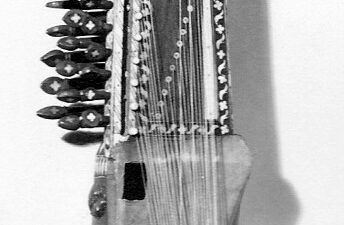
| वाद्य | harmonium · tabla · sarangi |
| भाव | भक्ति · शांत · आध्यात्मिक |
| लोकप्रियता | Obscure |
| बोल-स्थिति | केवल झलक |
जुड़े हुए पन्ने
Connected Plates · The Graph Made Visibleअटलस में कोई पन्ना अकेला नहीं — इस गीत से जुड़े गीत, कलाकार, फ़िल्म, राग-ताल-विधा, सब यहाँ से खुलते हैं।
मिलते-जुलते गीत · Related Songs
साझा कीजिए · Share this Plate
यह पन्ना आगे बढ़ाइए
यह वह आवाज़ है जब वह 'आवाज़' बनने से पहले थी — कच्ची, युवा, और पहले से ही पहचान में आने वाली।
This is the voice before it became the Voice — raw, young, and already unmistakable.
— HindiGeet.in editorial
सवाल-जवाब
Questions & Answersलता मंगेशकर के सबसे शुरुआती फ़िल्मी गीत कौन से थे? · What were Lata Mangeshkar's earliest film songs?
लता मंगेशकर ने 1940 के दशक के मध्य में हिंदी फ़िल्मों के लिए पार्श्व गायन शुरू किया। ग़ुलाम हैदर के संगीत में 'आप की सेवा में' (1947) उनकी बहुत शुरुआती रिकॉर्डिंग्स में से है। उनकी सफलता 'आयेगा आने वाला' (महल, 1949) के साथ आई।
Lata Mangeshkar began playback singing for Hindi films in the mid-1940s. 'Aap Ki Seva Mein' (1947) with music by Ghulam Haider is among her very early recordings. Her breakthrough came with 'Aayega Aanewala' from Mahal (1949).
लता मंगेशकर के कैरियर में ग़ुलाम हैदर की क्या भूमिका थी? · What was Ghulam Haider's role in Lata Mangeshkar's career?
ग़ुलाम हैदर बंबई में लता मंगेशकर के पहले बड़े समर्थक थे। जब निर्माताओं ने उनकी आवाज़ को 'बहुत पतली' कहकर अस्वीकार किया, हैदर ने उनकी प्रतिभा को पहचाना, उन्हें अपनी फ़िल्मों में गवाया, और कथित रूप से निर्माताओं से कहा कि वे एक दिन उन्हें गाने के लिए विनती करेंगे।
Ghulam Haider was Lata Mangeshkar's earliest major champion in Bombay. When producers rejected her voice as 'too thin', Haider recognised her genius, cast her in films he was scoring, and reportedly told producers they would one day beg her to sing for them.