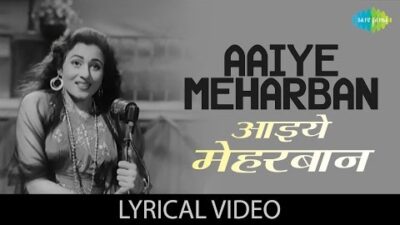
गीत विंग · गीत-पट्टिका · Song Plate
ईना मीना डीका
Eena Meena Deeka
कुछ गाने दुनिया बदलते हैं; यह बस नाचने पर मजबूर करता है — और कभी-कभी दुनिया को बस यही चाहिए।
भावउत्सव · आनंदित · चुलबुला
भाषाHindi · English nonsense syllables · Urdu traces गतितेज़ स्वरूपयुगल
श्रेय
The Creditsबोल · The Lyrics
बोल — झलक · Lyrics Preview
डम डीका डम डीका डम डीका
Dum deeka dum deeka dum deeka
कॉपीराइट के कारण केवल झलक — पूरे बोल आधिकारिक मंचों पर।
शब्दकोश
Word Meaningsसूत्र-वाक्य · The Hook
सूत्र-वाक्य
कुछ गाने दुनिया बदलते हैं; यह बस नाचने पर मजबूर करता है — और कभी-कभी दुनिया को बस यही चाहिए।
In EnglishSome songs change the world; this one just makes you dance, and sometimes that is exactly what the world needs.
पट्टिका-लेख
The Monographपरिचय Overview
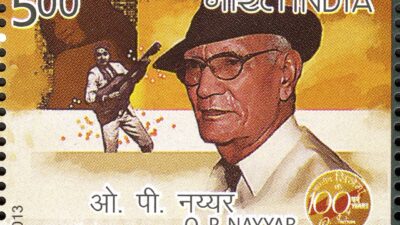
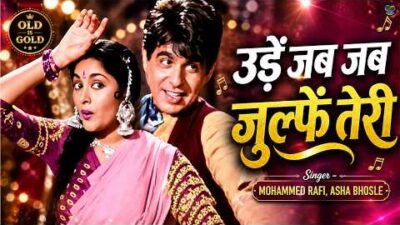
हिंदी फ़िल्म संगीत के सबसे निर्लज्ज रूप से आनंदमय गीतों में से एक, 'ईना मीना डीका' 'आशा' (1957) से — आशा भोसले और किशोर कुमार का वह जोड़ा जो दोनों के हास्य-प्रतिभा को ओ.पी. नय्यर की धमाकेदार पीतल-ढोलक लय में बदल देता है। मजरूह सुल्तानपुरी के 'बोल' काफ़ी हद तक अर्थहीन हैं — अंग्रेज़ी बच्चों की गणना-लय 'Eeny meeny miny moe' से लिए और हिंदी फ़िल्म-संदर्भ में तब्दील किए। नतीजा: एक ऐसा गाना जिसका कोई सांस्कृतिक बोझ नहीं है — और यही इसकी ख़ूबी है। HMV पर जारी, यह लगभग सात दशकों से हर शादी, पार्टी और जश्न में बजता आया है।
अंग्रेज़ी में पढ़ें · Read in English
One of Hindi film music's most unapologetically joyful songs, 'Eena Meena Deeka' from Asha (1957) pairs Asha Bhosle and Kishore Kumar — both comedic geniuses — in a nonsense duet over O.P. Nayyar's irresistible brass-and-dholak groove. Majrooh Sultanpuri's 'lyrics' are largely nonsense syllables adapted from the English children's counting rhyme 'Eeny meeny miny moe', made into a Hindi film context with great wit. The result is one of those songs that has absolutely no cultural weight and is the better for it — pure, locomotive joy that makes feet move involuntarily. Released on HMV India (1957), it has been used at every wedding sangeet, party, and celebration for nearly seven decades.
संगीत The Music
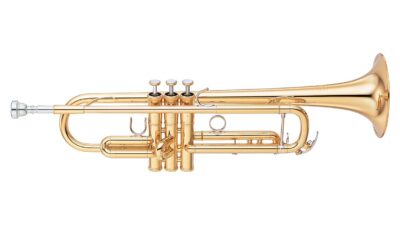
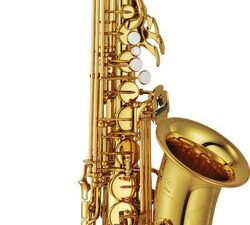
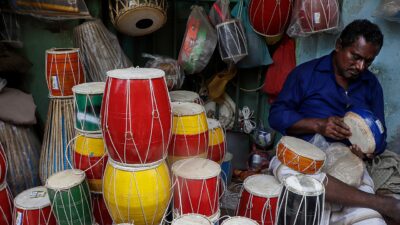
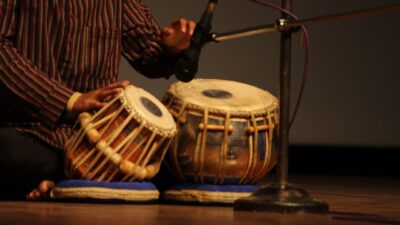
ओ.पी. नय्यर यहाँ अपने सबसे लापरवाह रूप में हैं — व्यवस्था सरल है (ढोलक, ट्रम्पेट, सैक्सोफ़ोन, तबला) लेकिन ज़बरदस्त उमंग के साथ बजाई गई। टेक के बेतुके शब्द ख़ुद ताल-वाद्य की तरह बीट पर सवारी करते हैं, और नय्यर इसका फ़ायदा उठाते हैं — आशा और किशोर एक-दूसरे को मशीन-गन रफ़्तार से लाइनें उछालते हैं। किशोर कुमार का हास्य-समय — ठीक पता कब रुकना है और कब अतिरेक करना — आशा भोसले की नाटकीय चुलबुलाहट के साथ कमाल का तालमेल बनाता है।
अंग्रेज़ी में पढ़ें · Read in English
O.P. Nayyar is at his most carefree here — the arrangement is simple (dholak, trumpet, saxophone, tabla) but played with enormous verve. The nonsense syllables in the refrain ride the beat like a percussion instrument in themselves, and Nayyar capitalises on this by having Asha and Kishore toss lines back and forth at machine-gun pace. Kishore Kumar's comedy timing — knowing exactly when to hold back and when to overdo it — interacts perfectly with Asha Bhosle's theatrical playfulness. The song is a masterclass in musical comedy: everything is exactly right, and the rightness makes you laugh.
काव्य The Poetry
यहाँ मजरूह सुल्तानपुरी की प्रतिभा संयम में है — वे जानते हैं कि इस गाने को कविता की नहीं, बेतुकेपन की ज़रूरत है, और वे सही लयात्मक अखंडता के साथ सबसे अच्छा बेतुकापन देते हैं। गणना-लय का तर्क (ईना मीना डीका, एक क्रम में जाना) गाने को एक ढाँचा देता है जो अपरिहार्य लगता है, भले ही इसका कोई अर्थ नहीं। बीच-बीच में असली हिंदी पंक्तियाँ विराम देती हैं — जो इसे ज़मीन से जोड़े रखती हैं जबकि बेतुके शब्द उड़ते रहते हैं।
अंग्रेज़ी में पढ़ें · Read in English
Majrooh Sultanpuri's brilliance here is in restraint — he knows the song doesn't need poetry, it needs nonsense, and he delivers the best possible nonsense with perfect rhythmic integrity. The counting-rhyme logic (eena meena deeka, going through a sequence) gives the song a structure that feels inevitable even as it means nothing. Occasional actual Hindi lines provide punctuation — 'chhokri samjh rahi hai' (the girl thinks she understands) — that keep it anchored while the nonsense words fly.
कहानी The Story
'आशा' (1957) में किशोर कुमार और वैजयंतीमाला थे, किशोर साहू निर्देशित। यह एक हल्की-फुल्की रोमांटिक कॉमेडी थी — किशोर कुमार के लिए एक नरम मिज़ाज का बदलाव जो साथ-साथ गंभीर फ़िल्में भी कर रहे थे। कहा जाता है किशोर ने रिहर्सल के दौरान ख़ुद ये अर्थहीन अक्षर सुझाए — उन्हें बचपन की 'अंग्रेज़ी गणना-लय' याद थी जो ओ.पी. नय्यर की ताल पर एकदम फ़िट बैठेगी। नय्यर ख़ुश होकर पूरा गाना उसके इर्द-गिर्द बना दिया।
अंग्रेज़ी में पढ़ें · Read in English
The film Asha (1957) starred Kishore Kumar and Vyjayanthimala and was directed by Kishore Sahu. It was a lighthearted romantic comedy — a change of register for Kishore Kumar who was simultaneously doing serious films. Kishore is reported to have suggested the nonsense syllables himself during rehearsal, saying that the 'English counting rhyme' he remembered from childhood would fit O.P. Nayyar's rhythm perfectly. Nayyar, delighted, built the song around it. The result was recorded in a single animated session that everyone present reportedly remembered with pleasure.
विरासत The Legacy
यह गाना हिंदी फ़िल्म के इतिहास में सबसे टिकाऊ पार्टी-गानों में से एक है — हर पीढ़ी इसे नए सिरे से खोजती है। 2000 के दशक में एक सॉफ्ट-ड्रिंक ब्रैंड ने इसका इस्तेमाल विज्ञापन में किया। बेतुके अक्षर 'ईना मीना डीका' ख़ुद हिंदी बोलचाल में घुस गए हैं — 'यादृच्छिक चुनाव' या 'बिना कारण का फ़ैसला' के अर्थ में। DJ सुकेतु के 2006 के रीमिक्स ने इसे iPod पीढ़ी तक पहुँचाया।
अंग्रेज़ी में पढ़ें · Read in English
The song is one of the most durable party anthems in Hindi film history — every generation rediscovers it and considers it new. It was used in a 2000s advertising campaign for a soft drink brand. The nonsense syllables themselves have entered Hindi pop culture: 'eena meena deeka' is used in everyday speech to mean 'random selection' or 'a choice made without reason.' A 2006 remix by DJ Suketu brought it to the iPod generation. The Kishore Kumar-Asha Bhosle pairing here is considered one of their most joyful recordings.
वर्गीकरण
Classification- Tempo
- Fast
Genre
अन्य विवरण
More Details- Wikipedia: 'Asha (1957 film)' — en.wikipedia.org/wiki/Asha_(1957_film)
- Wikipedia: 'Kishore Kumar' — en.wikipedia.org/wiki/Kishore_Kumar
- Wikipedia: 'Asha Bhosle' — en.wikipedia.org/wiki/Asha_Bhosle
- Anirudha Bhattacharjee & Balaji Vittal, 'Gaata Rahe Mera Dil' (2011) — HarperCollins
References
रोचक तथ्य
Margin Notes'ईना मीना डीका' शीर्षक अंग्रेज़ी की गिनती वाली तुकबंदी 'ईनी मीनी माइनी मो' से लिया गया है, जिसकी जड़ें स्वयं 19वीं सदी के ब्रिटेन में हैं — यह गीत मानो भारतीय-ब्रिटिश भाषाई टकराव का एक दिलचस्प उदाहरण है।
अंग्रेज़ी में पढ़ें · Read in English
The title 'Eena Meena Deeka' is derived from the English counting rhyme 'Eeny meeny miny moe', which itself has 19th-century British origins — making this song an Indo-British linguistic collision.
कहा जाता है कि किशोर कुमार ने रिहर्सल के दौरान ये अर्थहीन शब्द अपने बचपन की स्कूली तुकबंदियों की स्मृति से सुझाए थे।
अंग्रेज़ी में पढ़ें · Read in English
Kishore Kumar reportedly proposed the nonsense syllables during rehearsal from his memory of childhood schoolyard rhymes.
प्रिंट और इंटरनेट पर बनी लगभग हर 'बॉलीवुड के सबसे बेहतरीन पार्टी गीतों' की सूची में इस गीत को शामिल किया गया है।
अंग्रेज़ी में पढ़ें · Read in English
The song has been included in virtually every 'greatest party songs of Bollywood' list compiled in print and online.
ओ.पी. नैयर ने कभी भी एक जैसी ब्रास व्यवस्था दोबारा इस्तेमाल नहीं की — इस गीत का ख़ास तुरही (ट्रम्पेट) वाला हुक बिल्कुल अनूठा है और किसी और गीत में दोबारा नहीं सुना गया।
अंग्रेज़ी में पढ़ें · Read in English
O.P. Nayyar never used the same brass arrangement twice — the specific trumpet hook in this song is unique to it and has never been heard in any other song.
फिल्म 'आशा' (1957) इस मशहूर गीत के बावजूद अब लगभग भुला दी गई है — यह उन उदाहरणों में से एक है जहां गीत अपनी फिल्म से कहीं अधिक जीवित रहा।
अंग्रेज़ी में पढ़ें · Read in English
The film Asha (1957) is now largely forgotten despite this iconic song — making this a case of a song far outlasting its film.
नमूना-पट्टी
The Specimen Table| शीर्षक | ईना मीना डीका · Eena Meena Deeka |
|---|---|
| वर्ष · युग | 1957 — Golden Era |
| गायक | Asha Bhosle, Kishore Kumar |
| गीतकार | Majrooh Sultanpuri |
| संगीतकार | O.P. Nayyar |
| स्वरूप | युगल |
| गति | तेज़ |
| अवधि | 3:10 |
| भाषा | Hindi · English nonsense syllables · Urdu traces |
| वाद्य | trumpet · saxophone · dholak · tabla |
| भाव | उत्सव · आनंदित · चुलबुला |
| लोकप्रियता | Very_popular |
| बोल-स्थिति | केवल झलक |
जुड़े हुए पन्ने
Connected Plates · The Graph Made Visibleअटलस में कोई पन्ना अकेला नहीं — इस गीत से जुड़े गीत, कलाकार, फ़िल्म, राग-ताल-विधा, सब यहाँ से खुलते हैं।
मिलते-जुलते गीत · Related Songs
कलाकार · The Artists
युग · The Era
साझा कीजिए · Share this Plate
यह पन्ना आगे बढ़ाइए
सबसे अच्छे गाने वे होते हैं जिन्हें किसी समझाई की ज़रूरत नहीं — वे बस काम करते हैं। यह भी बस काम करता है।
The best songs are the ones that need no explanation — they just work. This one just works.
— Kishore Kumar, in an interview
सवाल-जवाब
Questions & Answers'ईना मीना डीका' का क्या अर्थ है? · What does 'Eena Meena Deeka' mean?
'ईना मीना डीका' अंग्रेज़ी बच्चों की गणना-लय 'Eeny meeny miny moe' से लिया गया है। ये शब्द बेमतलब अक्षर हैं जिनका कोई शाब्दिक अर्थ नहीं — मज़ा उनकी पूर्ण अर्थहीनता से है जो एक आनंदमय ताल में सजाई गई है।
The phrase 'Eena Meena Deeka' is adapted from the English children's counting rhyme 'Eeny meeny miny moe.' The words are nonsense syllables with no literal meaning — the humour comes from their complete meaninglessness set to a joyful rhythm.
'ईना मीना डीका' किसने गाया? · Who sang 'Eena Meena Deeka'?
आशा भोसले और किशोर कुमार ने 'आशा' (1957) फ़िल्म के लिए यह प्रसिद्ध हास्य युगल गाया। निर्देशक किशोर साहू थे, संगीत ओ.पी. नय्यर और बोल मजरूह सुल्तानपुरी के।
Asha Bhosle and Kishore Kumar sang this iconic comedy duet for the film Asha (1957), directed by Kishore Sahu. Music was by O.P. Nayyar and lyrics by Majrooh Sultanpuri.
क्या 'आशा' (1957) वही फ़िल्म है जिसका नाम बाद की फ़िल्मों से मिलता है? · Is the film Asha (1957) the same as later films named Asha?
नहीं। 'आशा' (1957) किशोर साहू निर्देशित थी और इसमें किशोर कुमार और वैजयंतीमाला थे। यह बाद की इसी नाम वाली फ़िल्मों (जैसे 'आशा' 1980) से अलग है। यह पुरानी फ़िल्म आज मुख्यतः इसी गाने की वजह से याद की जाती है।
No. Asha (1957) was directed by Kishore Sahu and starred Kishore Kumar and Vyjayanthimala. It is a different film from later productions with similar names (such as Asha 1980). This earlier film is now largely remembered only for this song.