सिनेमा विंग · फ़िल्म-पट्टिका · Film Plate
नया दौर
Naya Daur
शैलीSocial · Drama
भाषाHindi प्रकारकथा-चित्र (फ़ीचर)
गीत4 — नीचे पूरी संगीत-सूची
कथा-सार
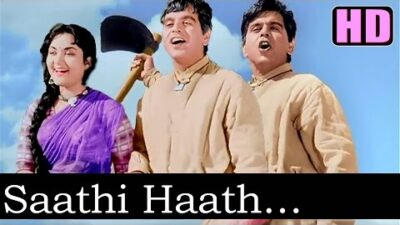
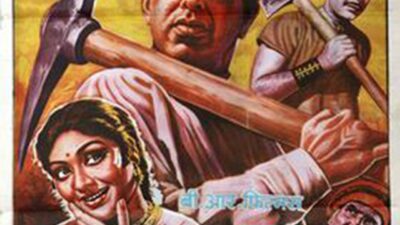
Synopsisशंकर एक छोटे से गाँव का ताँगेवाला है — सीधा, मेहनती और अपने दोस्त किशन (लकड़हारे कृष्णा) के साथ जान देने वाला। गाँव की ज़िंदगी ताँगों और हाथ की मेहनत पर चलती है, मगर ज़मींदार का शहर से लौटा बेटा कुंदन मशीनें ले आता है — आरा मशीन लकड़ी के कारख़ाने में और ताँगे के रास्ते पर मोटर बस। रातों-रात मज़दूरों और ताँगेवालों की रोज़ी छिन जाती है। शंकर बेबस गाँववालों की आवाज़ बनता है, मगर इसी बीच रजनी के प्रेम को लेकर शंकर और कृष्णा की गहरी दोस्ती में दरार पड़ जाती है। आख़िरकार सब कुछ एक असंभव शर्त पर आ टिकता है — शंकर के ताँगे और कुंदन की बस के बीच दौड़। गाँववाले अपने हाथों से सड़क बनाते हैं, और इसी संघर्ष से जन्म लेता है फ़िल्म का अमर गीत 'साथी हाथ बढ़ाना'। बी.आर. चोपड़ा ने नेहरू-युग के भारत की सबसे बड़ी बहस — इंसान बनाम मशीन, और तरक़्क़ी का असली मतलब — को रोमांस, दोस्ती और संगीत में पिरोकर पेश किया। अगस्त 1957 में रिलीज़ हुई यह फ़िल्म साल की सबसे बड़ी हिट फ़िल्मों में रही और दिलीप कुमार तथा ओ.पी. नय्यर को फ़िल्मफ़ेयर पुरस्कार दिलाए।
अंग्रेज़ी में पढ़ें · Read in English
Shankar, a tonga driver in a small village, lives a contented life built on hard work and his unbreakable friendship with Krishna, the woodcutter. The village runs on horse-carts and hand labour — until the landlord's city-returned son Kundan arrives with machines: an electric saw at the timber yard and a motor bus on the tonga route. Overnight, drivers and labourers lose their livelihoods, and Shankar becomes the reluctant voice of the dispossessed. Meanwhile his friendship with Krishna fractures over the love of the spirited Rajni. Everything comes down to an impossible wager — a race between Shankar's horse-drawn tonga and Kundan's bus. The villagers build a road for the contest with their bare hands, the struggle that gives birth to the immortal anthem 'Saathi Haath Badhana'. B.R. Chopra mounts the man-versus-machine parable of Nehruvian India with remarkable warmth: at once a romance, a friendship drama, and a debate about what progress should mean. Released in August 1957, Naya Daur became one of the year's biggest hits and won Filmfare Awards for Best Actor (Dilip Kumar) and Best Music Director (O.P. Nayyar).
संगीत-सूची
The Soundtrackओ.पी. नैयर के करियर का शिखर और उनका इकलौता फ़िल्मफ़ेयर पुरस्कार: पंजाबी लोक-लय पर खड़ा संगीत — ताँगे की टाप वाली थाप, ढोलक की मस्ती — और उस पर साहिर लुधियानवी की समाजवादी शायरी। 'साथी हाथ बढ़ाना' के जन-गान से 'उड़े जब जब ज़ुल्फ़ें तेरी' की छेड़ तक, यह गाँव के भारत का आर्केस्ट्रा है।
अंग्रेज़ी में पढ़ें · Read in English
O.P. Nayyar's career peak and his only Filmfare award: a score built on Punjabi folk rhythms — the tonga-beat percussion, the dholak swagger — set to Sahir Ludhianvi's socialist poetry. From the anthem 'Saathi Haath Badhana' to the flirtation of 'Ude Jab Jab Zulfein Teri', it is village India orchestrated.
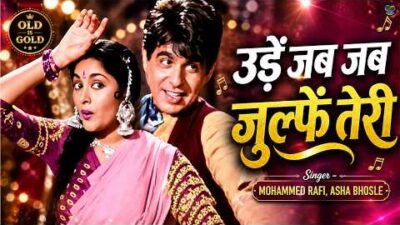
- उड़े जब जब ज़ुल्फ़ें तेरी Ude Jab Jab Zulfein Teri स्वर: Mohammed Rafi 3:45
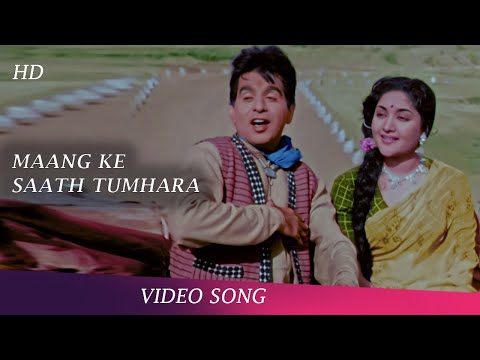
- मांग के साथ तुम्हारा Maang Ke Saath Tumhara स्वर: Mohammed Rafi, Asha Bhosle
- साथी हाथ बढ़ाना Saathi Haath Badhana स्वर: Mohammed Rafi, Asha Bhosle 4:15
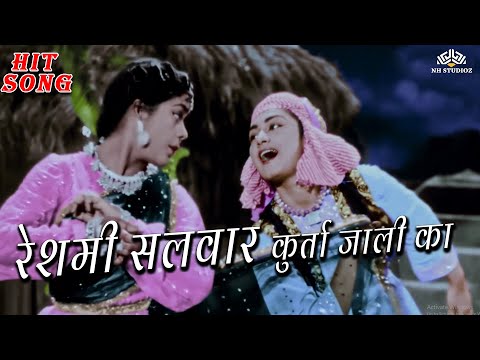
- रेशमी सलवार कुर्ता जाली का Reshmi Salwaar Kurta Jaali Ka स्वर: Mohammed Rafi, Asha Bhosle
पट्टिका-लेख
The Monographपर्दे के पीछे Behind the Scenes
मूल नायिका मधुबाला थीं; जब उनके पिता ने भोपाल की आउटडोर शूटिंग की अनुमति नहीं दी, तो बी.आर. चोपड़ा ने वैजयंतीमाला को लिया और विवाद अदालत तक पहुँचा — गवाही देने दिलीप कुमार भी आए। प्रसिद्ध ताँगा-दौड़ वाला क्लाइमेक्स मध्य प्रदेश की देहाती सड़कों पर हफ़्तों चली शूटिंग में फ़िल्माया गया।
अंग्रेज़ी में पढ़ें · Read in English
Madhubala was the original heroine; when her father barred outdoor shooting in Bhopal, B.R. Chopra replaced her with Vyjayanthimala and the dispute went to court, with Dilip Kumar testifying. The famous tonga-race climax was shot over weeks on rural Madhya Pradesh roads.
महत्व Significance
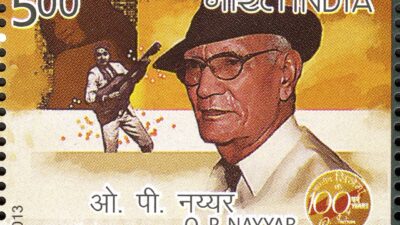
नया दौर का संगीत ओ.पी. नय्यर के करियर का शिखर है — इसी फ़िल्म के लिए उन्हें अपना इकलौता फ़िल्मफ़ेयर सर्वश्रेष्ठ संगीतकार पुरस्कार मिला। ताँगे की टाप पर थिरकता उनका ठेका ('उड़े जब जब ज़ुल्फ़ें तेरी', 'माँग के साथ तुम्हारा') हिंदी फ़िल्म संगीत में 'नय्यर बीट' के नाम से अमर हो गया। पंजाबी लोक-रंग को मुख्यधारा में लाने वाले ये गीत आज भी हर बारात और अंताक्षरी की जान हैं। दूसरी ओर साहिर लुधियानवी की क़लम से निकला 'साथी हाथ बढ़ाना' नेहरू-युग के श्रम और सामूहिकता का राष्ट्रीय गान बन गया। रफ़ी-आशा की जोड़ी के ये युगल गीत हिंदी सिनेमा के सबसे चमकीले युगल गीतों में गिने जाते हैं। शायराना समाजवाद और ठेठ लोकधुन का ऐसा संगम फिर कम ही सुनाई दिया।
अंग्रेज़ी में पढ़ें · Read in English
The Naya Daur soundtrack is the summit of O.P. Nayyar's career — it won him his only Filmfare Award for Best Music Director. His tonga-beat rhythm, galloping under 'Ude Jab Jab Zulfein Teri' and 'Maang Ke Saath Tumhara', became immortal in Hindi film music as the 'Nayyar beat'. These songs carried Punjabi folk colour into the mainstream and remain fixtures of every baraat and antakshari. On the other side stood Sahir Ludhianvi's pen: 'Saathi Haath Badhana' became the national anthem of Nehruvian labour and collective endeavour. The Rafi–Asha duets here are counted among the most radiant of Hindi cinema. Such a meeting of poetic socialism and earthy folk melody was rarely heard again.
विरासत Legacy
नेहरू-युग के सिनेमा का घोषणापत्र — मनुष्य बनाम मशीन का द्वंद्व, जिसका फ़ैसला मानवीय गरिमा के पक्ष में होता है। फ़िल्म ने फ़िल्मफ़ेयर की सर्वश्रेष्ठ फ़िल्म और सर्वश्रेष्ठ संगीत के पुरस्कार जीते; पचास बरस बाद 2007 में इसे रंगीन कर दोबारा प्रदर्शित किया गया, और 'साथी हाथ बढ़ाना' आज भी श्रमिकों का तराना है।
अंग्रेज़ी में पढ़ें · Read in English
A defining statement of Nehru-era cinema — man versus machine resolved in favour of human dignity. The film won Filmfare Best Film and Best Music; it was colourised and re-released in 2007, fifty years on, and 'Saathi Haath Badhana' remains a workers' anthem.
रोचक तथ्य
Margin Notesरजनी की भूमिका पहले मधुबाला निभा रही थीं। शूटिंग विवाद अदालत तक पहुँचा — बी.आर. चोपड़ा बनाम मधुबाला के पिता अताउल्लाह ख़ान का यह मुक़दमा बम्बई फ़िल्म जगत का सबसे चर्चित मुक़दमा बना, जिसमें दिलीप कुमार ने गवाही दी। बाद में वैजयंतीमाला को लिया गया।
अंग्रेज़ी में पढ़ें · Read in English
Madhubala was originally cast as Rajni. The dispute went to court — B.R. Chopra versus her father Ataullah Khan became Bombay cinema's most talked-about case, with Dilip Kumar testifying. Vyjayanthimala replaced her.
ओ.पी. नय्यर को उनके पूरे करियर का एकमात्र फ़िल्मफ़ेयर सर्वश्रेष्ठ संगीतकार पुरस्कार इसी फ़िल्म के लिए मिला।
अंग्रेज़ी में पढ़ें · Read in English
O.P. Nayyar won the only Filmfare Best Music Director award of his entire career for this film.
2007 में नया दौर पहली भारतीय श्वेत-श्याम फ़िल्म बनी जिसे डिजिटल तकनीक से रंगीन करके सिनेमाघरों में दोबारा रिलीज़ किया गया।
अंग्रेज़ी में पढ़ें · Read in English
In 2007, Naya Daur became the first Indian black-and-white film to be digitally colourised and re-released theatrically.
फ़िल्म की ज़्यादातर शूटिंग मध्य प्रदेश के बुधनी और आसपास के इलाक़ों में हुई थी।
अंग्रेज़ी में पढ़ें · Read in English
Much of the film was shot on location in and around Budhni, Madhya Pradesh.
नमूना-पट्टी
The Specimen Table| शीर्षक | नया दौर · Naya Daur |
|---|---|
| वर्ष · युग | 1957 — golden-era |
| निर्देशक | बी.आर. चोपड़ा · B.R. Chopra |
| संगीत-निर्देशक | ओ.पी. नय्यर · O.P. Nayyar |
| गीतकार | साहिर लुधियानवी · Sahir Ludhianvi |
| कलाकार-मंडली | दिलीप कुमार · Dilip Kumar · वैजयंतीमाला · Vyjayanthimala · अजीत · Ajit · जीवन · Jeevan · जॉनी वॉकर · Johnny Walker |
| निर्माता | B.R. Chopra |
| निर्माण-गृह | B.R. Films |
| लेबल | hmv |
| शैली | Social · Drama |
| भाषा | Hindi |
| प्रकार | कथा-चित्र (फ़ीचर) |
| गीत | 4 गीत — ऊपर पूरी संगीत-सूची |
जुड़े हुए पन्ने
Connected Plates · The Graph Made Visibleअटलस में कोई पन्ना अकेला नहीं — 'नया दौर' से उसके गीत, कलाकार, राग और युग, सब जुड़े हैं।
इस फ़िल्म के गीत · Songs of this Film
कलाकार · Cast & Crew
युग · The Era
साझा कीजिए · Share this Plate