कहानियाँ विंग · कहानी · Behind The Scenes · 1955
जब नय्यर ने लता को 'ना' कहा
When Nayyar Said No to Lata: The Partnership That Built Asha Bhosle
हिंदी सिनेमा का हर संगीतकार लता मंगेशकर के दरवाज़े पर खड़ा था — सिवाय एक के। ओ.पी. नय्यर ने वह दरवाज़ा कभी खटखटाया ही नहीं, और उसी ज़िद में से आशा भोसले का साम्राज्य निकला।
प्रकाशित19 June 2026 पाठ९ मिनट का पाठ
आमुख
ओ.पी. नय्यर अपने पूरे करियर में लता मंगेशकर से एक भी गाना न गवाने वाले इकलौते बड़े संगीतकार रहे। यह कहानी उस साझेदारी की है जो इस 'ना' में से निकली — 'बाप रे बाप' (1955) की चुलबुली शुरुआत से 'सी.आई.डी.' (1956) के इम्तिहान और 'नया दौर' (1957) की ताजपोशी तक — और जिसने हिंदी फ़िल्म-संगीत में लता के साम्राज्य के बराबर आशा भोसले का दूसरा ध्रुव खड़ा किया।
अंग्रेज़ी में पढ़ें · Read in English
O.P. Nayyar remained the only major composer who never recorded a single song with Lata Mangeshkar. This is the story of the partnership that grew out of that 'no' — from the playful start of Baap Re Baap (1955) through the trial of CID (1956) to the coronation of Naya Daur (1957) — and how it raised Asha Bhosle as the second pole of Hindi film music, opposite Lata's empire.
वह संगीतकार जो लाइन में नहीं लगा
The Composer Who Refused to Queue1950 के दशक के बंबई में एक नियम सब मानते थे: नायिका का गाना है, तो आवाज़ लता मंगेशकर की होगी। शंकर-जयकिशन से लेकर नौशाद और एस.डी. बर्मन तक, हर बड़े संगीतकार की पहली पसंद वही थीं — और होतीं भी क्यों न, वह आवाज़ सदी में एक बार आती है। पर लाहौर से आए एक अक्खड़ पंजाबी ने यह नियम मानने से इनकार कर दिया। ओ.पी. नय्यर — 'आर पार' (1954) से रातोंरात चमका नाम — अपनी धुनों में ठुमक, मस्ती और देह की गर्मी चाहते थे। वे बाद के बरसों में बार-बार कहते रहे कि लता की आवाज़ बेशक सबसे सुरीली है, पर उनके संगीत के मिज़ाज की नहीं — उन्हें चाहिए थी ऐसी आवाज़ जिसमें वज़न हो, शोख़ी हो, ज़मीन हो। नतीजा हिंदी फ़िल्म-संगीत का सबसे अनोखा आँकड़ा है: क़रीब चार दशक के करियर में नय्यर ने लता से एक भी गाना नहीं गवाया। इस 'ना' को इंडस्ट्री ने पहले घमंड समझा, फिर पागलपन — पर उसी 'ना' की कोख से वह आवाज़ निकलने वाली थी जो ख़ुद एक साम्राज्य बनेगी।
अंग्रेज़ी में पढ़ें · Read in English
In the Bombay of the 1950s everyone obeyed one rule: if it was the heroine's song, the voice would be Lata Mangeshkar's. From Shankar–Jaikishan to Naushad and S.D. Burman, she was every major composer's first choice — and why not, such a voice comes once a century. But a headstrong Punjabi from Lahore refused the rule. O.P. Nayyar — a name that blazed overnight with Aar Paar (1954) — wanted swagger, mischief and bodily warmth in his tunes. In later years he would say again and again that Lata's was doubtless the most melodious voice, but not the temperament of his music — he needed a voice with weight, sass, earth. The result is Hindi film music's most singular statistic: in a career of nearly four decades, Nayyar never recorded one song with Lata. The industry first read the 'no' as arrogance, then as madness — but from the womb of that very 'no' would come a voice that became an empire of its own.
परछाईं में एक आवाज़
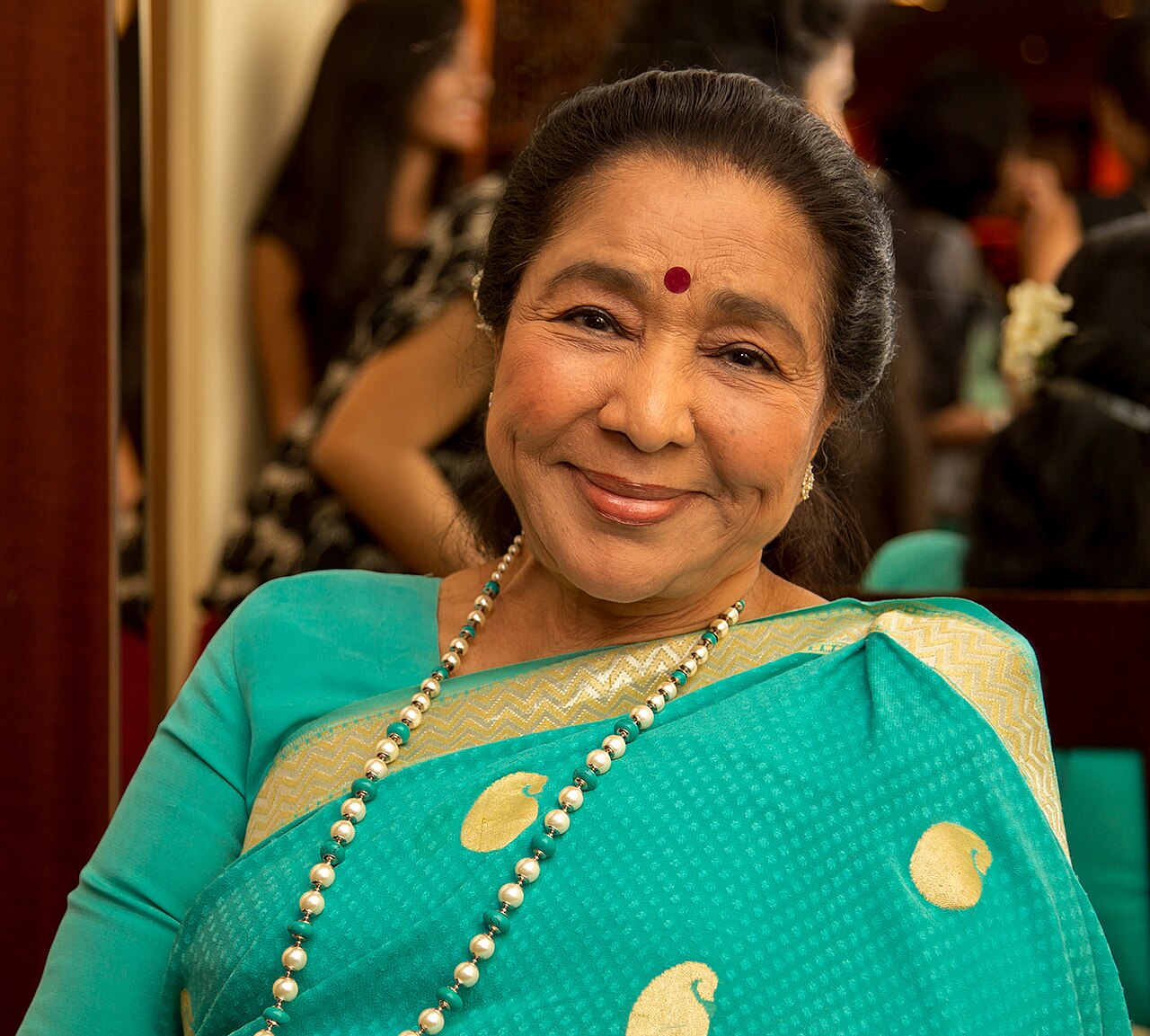
A Voice in the Shadowदूसरी तरफ़ एक आवाज़ थी जो बरसों से अपनी बारी का इंतज़ार कर रही थी। आशा भोसले — मंगेशकर घराने की वह बेटी जिसने सोलह बरस की उम्र में घरवालों की मर्ज़ी के ख़िलाफ़ इकतीस साल के गणपतराव भोसले से ब्याह कर लिया था और जिसके लिए मायके के दरवाज़े लंबे अरसे तक भारी रहे। घर चलाने के लिए आशा वह सब गाती थीं जो बड़ी गायिकाएँ छोड़ देती थीं — बी और सी-ग्रेड फ़िल्में, कम बजट, कम दाम। तानें वही थीं, तालीम वही, मेहनत दूनी — पर शोहरत की रोशनी हमेशा बग़ल के कमरे में जलती थी, जहाँ दीदी का नाम था। इंडस्ट्री ने आशा पर ठप्पा लगा दिया था: 'लता जैसी, पर लता नहीं।' किसी को यह नहीं सूझा कि इस आवाज़ का अपना अलग मुहावरा हो सकता है — कि जो लचक, जो शरारत, जो धूप-छाँव इसमें है, वह दीदी की नक़ल नहीं, अपनी ज़बान है। सूझा तो बस उस आदमी को, जो वैसे भी किसी की लाइन में लगने को तैयार नहीं था।
अंग्रेज़ी में पढ़ें · Read in English
On the other side was a voice that had waited years for its turn. Asha Bhosle — the daughter of the Mangeshkar house who at sixteen had married thirty-one-year-old Ganpatrao Bhosle against her family's wishes, and for whom the doors of her parental home stayed heavy for a long time. To run her household Asha sang whatever the big singers passed over — B and C-grade films, small budgets, smaller fees. The taans were the same, the training the same, the labour double — but the light of fame always burned in the next room, under her elder sister's name. The industry had stamped her: 'like Lata, but not Lata.' It occurred to no one that this voice might have its own idiom — that its swing, its mischief, its play of sun and shade was not an imitation of Didi but a language of its own. It occurred only to the one man who was unwilling to stand in anyone's queue anyway.
'बाप रे बाप' से शुरू हुई बात
It Began with Baap Re Baap1955 में किशोर कुमार की कॉमेडी 'बाप रे बाप' के लिए नय्यर ने आशा को बुलाया — और यहीं से वह सिलसिला शुरू हुआ जो हिंदी फ़िल्म-संगीत की सबसे फलदार साझेदारियों में गिना जाएगा। 'पिया पिया पिया मोरा जिया पुकारे' में किशोर की मस्ती के सामने आशा की आवाज़ ज़रा भी नहीं दबी — बल्कि छेड़ती, चमकती, बराबरी से टकराती चली। नय्यर के कान ने वहीं पकड़ लिया जो इंडस्ट्री बरसों से अनसुना कर रही थी: इस आवाज़ में शोख़ी और दर्द एक ही साँस में रह सकते हैं। यह कोई रातोंरात की ताजपोशी नहीं थी; नय्यर परखते रहे, आशा खरी उतरती रहीं। दोनों के पास खोने को कम और साबित करने को बहुत कुछ था — एक को लता के बिना अपनी दुनिया बनानी थी, दूसरी को लता की परछाईं से बाहर अपनी ज़मीन। बाद में नय्यर ने इस रिश्ते की केमिस्ट्री को अपने ठेठ अंदाज़ में बयान किया — लोग कहते हैं आशा न होतीं तो ओ.पी. नय्यर न होता; मैं कहता हूँ ओ.पी. नय्यर न होता तो आशा भोसले न होतीं। दोनों बातें सच थीं, और दोनों का सबूत आगे आने वाला था।
अंग्रेज़ी में पढ़ें · Read in English
In 1955 Nayyar called Asha for the Kishore Kumar comedy Baap Re Baap — and there began the association that would be counted among Hindi film music's most fertile partnerships. In 'Piya Piya Piya Mora Jiya Pukare', Asha's voice did not shrink before Kishore's antics — it teased, sparkled and met him blow for blow. Nayyar's ear caught at once what the industry had refused to hear for years: in this voice, sass and ache could live in a single breath. There was no overnight coronation; Nayyar kept testing, Asha kept measuring up. Both had little to lose and everything to prove — he had to build a world without Lata, she had to find ground outside Lata's shadow. Years later Nayyar summed up the chemistry in his blunt style — people say without Asha there would be no O.P. Nayyar; I say without O.P. Nayyar there would be no Asha Bhosle. Both halves were true, and the proof of both was on its way.
सी.आई.डी. — इम्तिहान
CID: The Trial1956 में गुरु दत्त के प्रोडक्शन और राज खोसला के निर्देशन वाली 'सी.आई.डी.' आई — देव आनंद की जासूसी थ्रिलर, और नय्यर के करियर का अब तक का सबसे चमकदार स्कोर। पर ग़ौर से देखिए तो यह स्कोर एक इम्तिहान भी था। बड़े गाने बँटे हुए थे पुरानी रानियों में — गीता दत्त की मखमली मस्ती, शमशाद बेगम की खनकती 'कहीं पे निगाहें कहीं पे निशाना' और रफ़ी के साथ 'लेके पहला पहला प्यार'। आशा इस महफ़िल में अभी मेहमान थीं — 'लेके पहला पहला प्यार' के एक संस्करण में उनकी आवाज़ शमशाद और रफ़ी के साथ शामिल थी, अकेली क़तार में नहीं। यही नय्यर का तरीक़ा था: पहले भीड़ में परखो, फिर अकेले में निखारो। आशा हर परीक्षा से गुज़रती गईं — सुर पक्का, अदा अपनी, और सबसे बड़ी बात, हर रंग के लिए हाज़िर। 'सी.आई.डी.' सुपरहिट हुई, नय्यर बंबई के सबसे महँगे संगीतकारों में गिने जाने लगे — कहा जाता है कि वे एक लाख रुपये फ़ीस तक पहुँचने वाले पहले संगीतकार बने — और अब उन्हें अगली बड़ी फ़िल्म के लिए एक फ़ैसला करना था। फ़ैसले का नाम था: आशा।
अंग्रेज़ी में पढ़ें · Read in English
In 1956 came CID — a Guru Dutt production directed by Raj Khosla, a Dev Anand detective thriller, and the most glittering score of Nayyar's career so far. Look closely, though, and the score was also a trial. The big songs were divided among the reigning queens — Geeta Dutt's velvet playfulness, Shamshad Begum's ringing 'Kahin Pe Nigahen Kahin Pe Nishana' and, with Rafi, 'Leke Pehla Pehla Pyaar'. Asha was still a guest at this gathering — her voice joined Shamshad and Rafi in one version of 'Leke Pehla Pehla Pyaar', not yet alone in the line. That was Nayyar's method: test in the crowd first, polish in solitude later. Asha passed every examination — pitch certain, manner her own, and above all, ready for every colour. CID was a superhit, Nayyar began to be counted among Bombay's costliest composers — it is said he became the first to command a fee of one lakh rupees — and now he had a decision to make for his next big film. The decision's name was Asha.
नया दौर — ताजपोशी
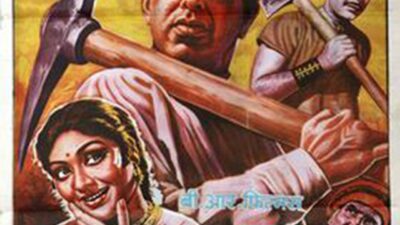
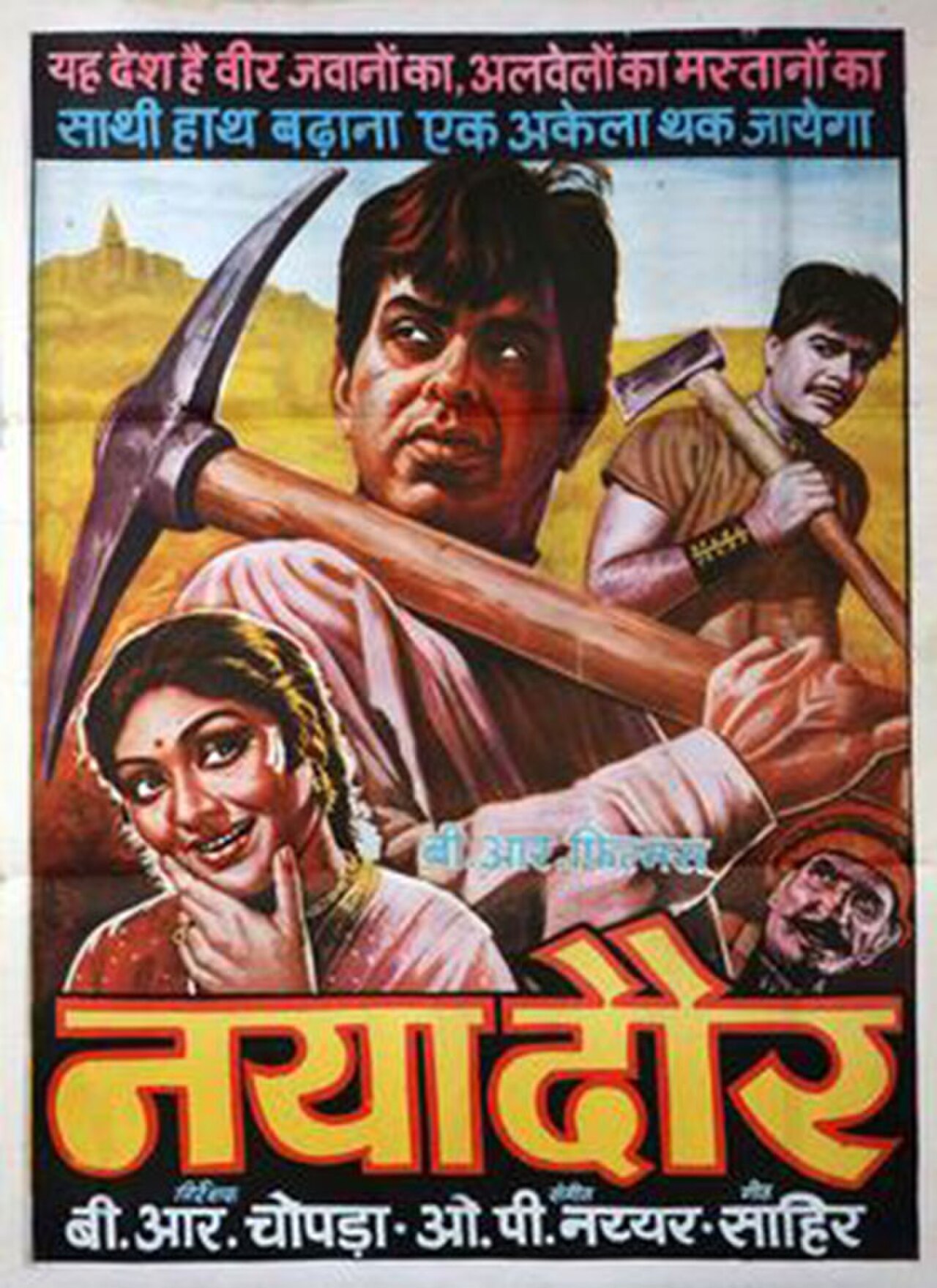
Naya Daur: The Coronation1957 में बी.आर. चोपड़ा की 'नया दौर' के पूरे स्त्री-स्वर की ज़िम्मेदारी नय्यर ने आशा को सौंप दी — मोहम्मद रफ़ी के ठीक बराबर खड़ा करके। यह उस दौर में लगभग बग़ावत थी: ए-ग्रेड फ़िल्म, सबसे बड़ा बैनर, और माइक्रोफ़ोन पर लता नहीं, आशा। 'माँग के साथ तुम्हारा', 'उड़े जब जब ज़ुल्फ़ें तेरी', 'साथी हाथ बढ़ाना' — हर गाना सोना निकला। फ़िल्मफ़ेयर ने नय्यर को सर्वश्रेष्ठ संगीतकार चुना, और इंडस्ट्री की वह फुसफुसाहट हमेशा के लिए बंद हो गई कि नय्यर का संगीत लता के बिना अधूरा रहेगा। उसी साल 'तुमसा नहीं देखा' ने मुहर और गहरी कर दी। अगले पंद्रह बरस इस जोड़ी ने हिंदी फ़िल्म-संगीत का एक पूरा महाद्वीप रचा — 'हावड़ा ब्रिज' (1958) की क्लब-रातों से 'एक मुसाफ़िर एक हसीना' (1962), 'कश्मीर की कली' (1964) और 'मेरे सनम' (1965) की वादियों तक, तीन सौ से ऊपर गाने। अब इंडस्ट्री में दो ध्रुव थे: लता का साम्राज्य — और नय्यर की आशा। और सबसे अहम बात: आशा अब किसी की 'जैसी' नहीं थीं। वह अपनी आवाज़ थीं।
अंग्रेज़ी में पढ़ें · Read in English
In 1957 Nayyar handed Asha the entire female register of B.R. Chopra's Naya Daur — standing her exactly level with Mohammed Rafi. For its time this was close to rebellion: an A-grade film, the biggest of banners, and at the microphone not Lata but Asha. 'Maang Ke Saath Tumhara', 'Ude Jab Jab Zulfein Teri', 'Saathi Haath Badhana' — every song struck gold. Filmfare named Nayyar Best Music Director, and the industry's whisper that his music would stay incomplete without Lata went silent forever. Tumsa Nahin Dekha, the same year, pressed the seal deeper. Over the next fifteen years the pair composed an entire continent of Hindi film music — from the club nights of Howrah Bridge (1958) to the valleys of Ek Musafir Ek Hasina (1962), Kashmir Ki Kali (1964) and Mere Sanam (1965), upwards of three hundred songs. The industry now had two poles: Lata's empire — and Nayyar's Asha. And most important of all: Asha was no longer 'like' anyone. She was her own voice.
दरार, आख़िरी गीत और विरासत
The Break, the Last Song, the Legacyहर लंबी साझेदारी की तरह इसका भी एक अंत था — और इसका अंत इसके सबसे बड़े गीतों जैसा ही नाटकीय। 1972 के आसपास निजी और पेशेवर रिश्ते की डोर टूट गई; दोनों ने फिर कभी साथ काम नहीं किया। पर जुदाई से ठीक पहले रिकॉर्ड हुआ गीत इस कहानी का सबसे कड़वा-मीठा वरक़ है — 'चैन से हमको कभी आपने जीने न दिया' ('प्राण जाए पर वचन न जाए', 1974)। फ़िल्म के अंतिम प्रिंट से गाना कट गया, पर रिकॉर्ड पर अमर हो गया और आशा को फ़िल्मफ़ेयर दिला गया — वह पुरस्कार जिसे लेने आशा समारोह में नहीं गईं। नय्यर ने बाद के इंटरव्यूज़ में बताया कि ट्रॉफ़ी उन्होंने ही ली और लौटते हुए कार की खिड़की से बाहर फेंक दी — गीत की तरह यह क़िस्सा भी उन्हीं का बयान है, और उन्हीं के मिज़ाज का। पीछे जो बचा, वह हिंदी फ़िल्म-संगीत की बुनियादी सीख है: लता मंगेशकर के आकाश में भी दूसरा सूरज उग सकता था — बशर्ते कोई उसे उगाने की ज़िद ठान ले। आशा भोसले आगे आर.डी. बर्मन के साथ नई ऊँचाइयों तक गईं, पर उनकी आवाज़ को पहली बार 'आशा भोसले' की तरह बरतने वाला वह ज़िद्दी लाहौरी ही था, जिसने लता को 'ना' कहा था।
अंग्रेज़ी में पढ़ें · Read in English
Like every long partnership this one too had an end — and its end was as dramatic as its greatest songs. Around 1972 the thread of the personal and professional bond snapped; the two never worked together again. But the song recorded just before the parting is the most bittersweet page of this story — 'Chain Se Humko Kabhi Aapne Jeene Na Diya' (Pran Jaye Par Vachan Na Jaye, 1974). Cut from the film's final print, it became immortal on record and won Asha the Filmfare — an award she did not attend to receive. Nayyar recounted in later interviews that he collected the trophy himself and, driving home, flung it out of the car window — like the song, the tale is his own telling, and entirely his temperament. What remained behind is Hindi film music's fundamental lesson: a second sun could rise even in Lata Mangeshkar's sky — provided someone was stubborn enough to raise it. Asha Bhosle would go on to new heights with R.D. Burman, but the first man to treat her voice as 'Asha Bhosle' was that obstinate Lahori who had said no to Lata.
परिचय
IdentityEpithet
हिंदी सिनेमा का हर संगीतकार लता मंगेशकर के दरवाज़े पर खड़ा था — सिवाय एक के। ओ.पी. नय्यर ने वह दरवाज़ा कभी खटखटाया ही नहीं, और उसी ज़िद में से आशा भोसले का साम्राज्य निकला।
Every composer in Hindi cinema queued at Lata Mangeshkar's door — except one. O.P. Nayyar never knocked, and out of that stubbornness rose the empire of Asha Bhosle.
अन्य विवरण
More Details- लोग कहते हैं कि आशा न होतीं तो ओ.पी. नय्यर न होता। मैं कहता हूँ — ओ.पी. नय्यर न होता तो आशा भोसले न होतीं। · People say there would be no O.P. Nayyar without Asha. I say — there would be no Asha Bhosle without O.P. Nayyar.
- ओ.पी. नय्यर
- आशा भोसले
- लता मंगेशकर
- किशोर कुमार
- गीता दत्त और शमशाद बेगम
- Raju Bharatan, 'Asha Bhosle: A Musical Biography' (Hay House India, 2016)
- Raju Bharatan, 'A Journey Down Melody Lane' (Hay House India, 2010)
- Ganesh Anantharaman, 'Bollywood Melodies: A History of the Hindi Film Song' (Penguin India, 2008)
- O.P. Nayyar interviews — Vividh Bharati and Doordarshan archives
Pull Quotes
Key Figures
References
कहानी-नमूना
The Story Specimen| शीर्षक | जब नय्यर ने लता को 'ना' कहा · When Nayyar Said No to Lata: The Partnership That Built Asha Bhosle |
|---|---|
| श्रेणी | Behind The Scenes |
| प्रकार | विशेष लेख |
| पाठ-समय | ९ मिनट का पाठ |
| प्रकाशित | 19 June 2026 — admin |
| वर्ष | 1955 |
| टैग | asha_bhosle · op_nayyar · lata_mangeshkar · baap_re_baap · cid · naya_daur · playback_history · 1955 |
और कहानियाँ
More Stories from the Atlas
साझा कीजिए · Share this Plate