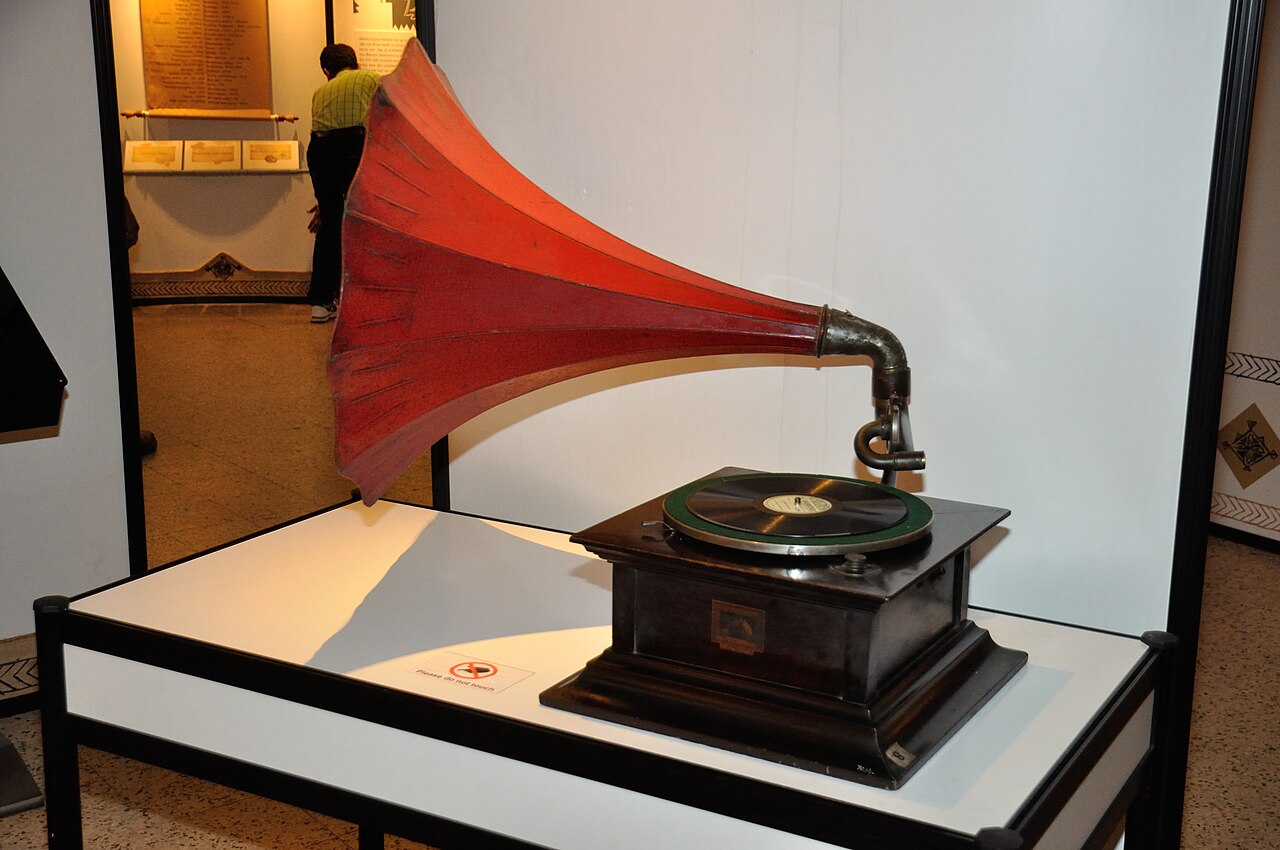
कहानियाँ विंग · कहानी · Music History · 1932
जब पूरा उद्योग बोलने लगा
When the Whole Industry Found Its Voice
प्रकाशित20 June 2026
आमुख
1931 में एक टॉकी थी — 1932 में साठ। इम्पीरियल, प्रभात, न्यू थिएटर्स, मदन थिएटर्स: यह कथा है उस एक साल की जब बंबई-कलकत्ता-पूना के स्टूडियो दौड़ पड़े और पार्श्वगायन से पहले के हर अभिनेता ने ख़ुद गाकर हिंदी सिनेमा की भाषा बनाई।
अंग्रेज़ी में पढ़ें · Read in English
One talkie in 1931 — sixty in 1932. Imperial, Prabhat, New Theatres, Madan Theatres: the story of the single year when studios in Bombay, Calcutta and Poona raced into sound, and every actor — singing live, before playback existed — helped forge the language of Hindi cinema.
एक से साठ — एक ही साल में
One to sixty — in a single year14 मार्च 1931 को 'आलम आरा' ने परदे पर बोला। उस पूरे साल भर में हिंदी की मुट्ठी भर टॉकियाँ बनीं। फिर 1932 आया और गिनती साठ हिंदी सवाक् फ़िल्मों पर जा टिकी। बंबई, कलकत्ता, लाहौर, पूना, कोल्हापुर, हैदराबाद — हर शहर के स्टूडियो में माइक्रोफ़ोन लग गए। मूक फ़िल्में अभी भी बनती थीं, पर उनका वक़्त जा रहा था।
अंग्रेज़ी में पढ़ें · Read in English
On 14 March 1931 Alam Ara spoke from the screen. The whole of that year yielded just a handful of Hindi talkies. Then 1932 arrived and the count settled at sixty Hindi sound films. Bombay, Calcutta, Lahore, Poona, Kolhapur, Hyderabad — microphones went up in studios across every city. Silent films were still being made, but their time was passing.
तीन शहर, तीन दाँव
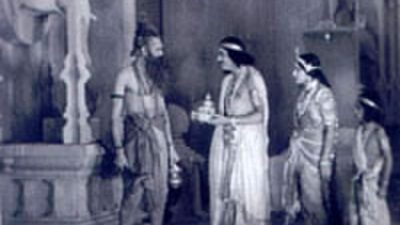
Three cities, three betsबंबई में अर्देशिर ईरानी की इम्पीरियल और सागर मूवीटोन दौड़ रहे थे। कलकत्ता में मदन थिएटर्स ने 'इंद्र सभा' के लगभग 69 गीतों से रिकॉर्ड बनाया, और बी.एन. सरकार की नई थिएटर्स (स्थापना फ़रवरी 1931) ने साहित्यिक गंभीरता का रास्ता चुना। पूना की ओर बढ़ते हुए वी. शांताराम की प्रभात फ़िल्म कंपनी ने 23 जनवरी 1932 को 'अयोध्येचा राजा'/'अयोध्या का राजा' — अपनी पहली टॉकी — परदे पर उतारी, जिसमें दुर्गा खोटे और गोविंदराव टेम्बे थे।
अंग्रेज़ी में पढ़ें · Read in English
In Bombay, Ardeshir Irani's Imperial and Sagar Movietone were racing. In Calcutta, Madan Theatres set a record with Indra Sabha's roughly 69 songs, while B.N. Sircar's New Theatres (founded February 1931) chose the path of literary seriousness. Moving toward Poona, V. Shantaram's Prabhat Film Company put its first talkie on screen — Ayodhyecha Raja / Ayodhya Ka Raja — on 23 January 1932, starring Durga Khote and Govindrao Tembe.
हर फ़िल्म क्यों गाने लगी
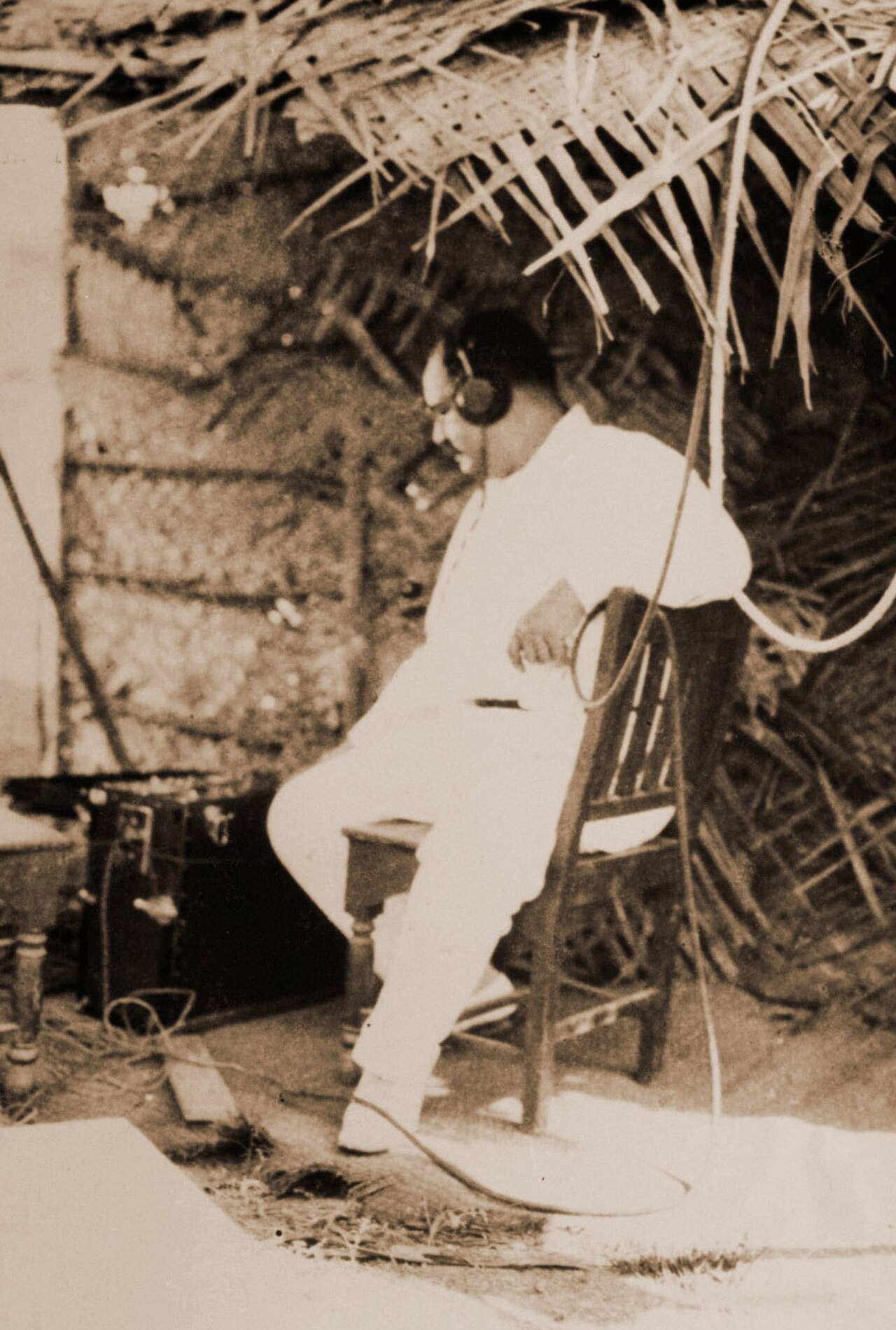
Why every film started to singअभिनेता पार्श्वगायन से पहले के दौर में ख़ुद गाते थे — ध्वनि और चित्र एक ही पट्टी पर। पारसी रंगमंच की विरासत थी कि गीत कथा का स्वाभाविक हिस्सा हो। दर्शक उन्हीं पौराणिक और ऐतिहासिक कहानियों के दीवाने थे जो मूक काल में भी चलती थीं, अब उनमें संगीत जुड़ा। हर स्टूडियो जानता था: जितने गीत, उतनी भीड़। गीत विज्ञापन भी था, टिकट भी।
अंग्रेज़ी में पढ़ें · Read in English
Actors sang live — sound and image on one strip, no playback yet. The inheritance from Parsi theatre was that song should be the natural grain of narrative. Audiences were devoted to the mythological and historical tales that had worked in the silent era; now those tales came with music. Every studio understood: more songs, more crowds. The song was advertisement and ticket both.
परिचय
IdentityEpithet
From one talkie to sixty in a year — and the song became everything
अन्य विवरण
More DetailsKey Figures
कहानी-नमूना
The Story Specimen| शीर्षक | जब पूरा उद्योग बोलने लगा · When the Whole Industry Found Its Voice |
|---|---|
| श्रेणी | Music History |
| प्रकार | विशेष लेख |
| प्रकाशित | 20 June 2026 — admin |
| वर्ष | 1932 |
और कहानियाँ
More Stories from the Atlas
साझा कीजिए · Share this Plate
यह पन्ना आगे बढ़ाइए
सवाल-जवाब
Questions & Answers1932 में कितनी हिंदी टॉकियाँ बनीं? · How many Hindi talkies were made in 1932?
लगभग साठ हिंदी सवाक् फ़िल्में — बंबई, कलकत्ता, लाहौर, पूना, कोल्हापुर और हैदराबाद के स्टूडियो में। इनके साथ कुछ मूक फ़िल्में भी बनती रहीं, क्योंकि संक्रमण-काल अभी चल रहा था।
About sixty Hindi sound films — produced in studios across Bombay, Calcutta, Lahore, Poona, Kolhapur and Hyderabad. A few silent films were still being made alongside them, as the transition was not yet complete.
प्लेबैक गायन से पहले फ़िल्मों में गाना कैसे होता था? · How were songs recorded in films before playback singing existed?
अभिनेता ख़ुद गाते थे — सीधे कैमरे के सामने, ध्वनि और चित्र एक ही फ़िल्म पट्टी पर। ग़लती का मतलब था पूरा दृश्य दोबारा। पार्श्वगायन 1930 के दशक के मध्य में आया।
Actors sang themselves — directly before the camera, with sound and image on the same strip of film. A mistake meant the whole scene again. Playback singing arrived in the mid-1930s.