कहानियाँ विंग · कहानी · Music History · 1927
रेडियो आया: हवा में संगीत
Radio Arrives: Music on the Air
प्रकाशित19 June 2026
आमुख
1927 में इंडियन ब्रॉडकास्टिंग कंपनी के बम्बई-कलकत्ता स्टेशनों से भारतीय संगीत पहली बार तरंगों पर घर पहुँचा — रिकॉर्ड-उद्योग का पहला प्रतिद्वंद्वी, और अंततः सबसे बड़ा सहयोगी। यह कथा उस मोड़ की है जहाँ गायकी ने अदृश्य, असीम श्रोता के लिए सधना सीखा।
अंग्रेज़ी में पढ़ें · Read in English
In 1927 the Indian Broadcasting Company's Bombay and Calcutta stations carried Indian music into homes on waves for the first time — the record trade's first rival, ultimately its greatest ally. This is the story of the turn where singing learned to address an invisible, limitless listener.
बम्बई, 23 जुलाई 1927
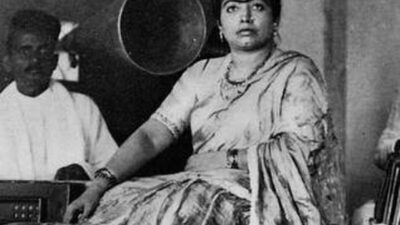
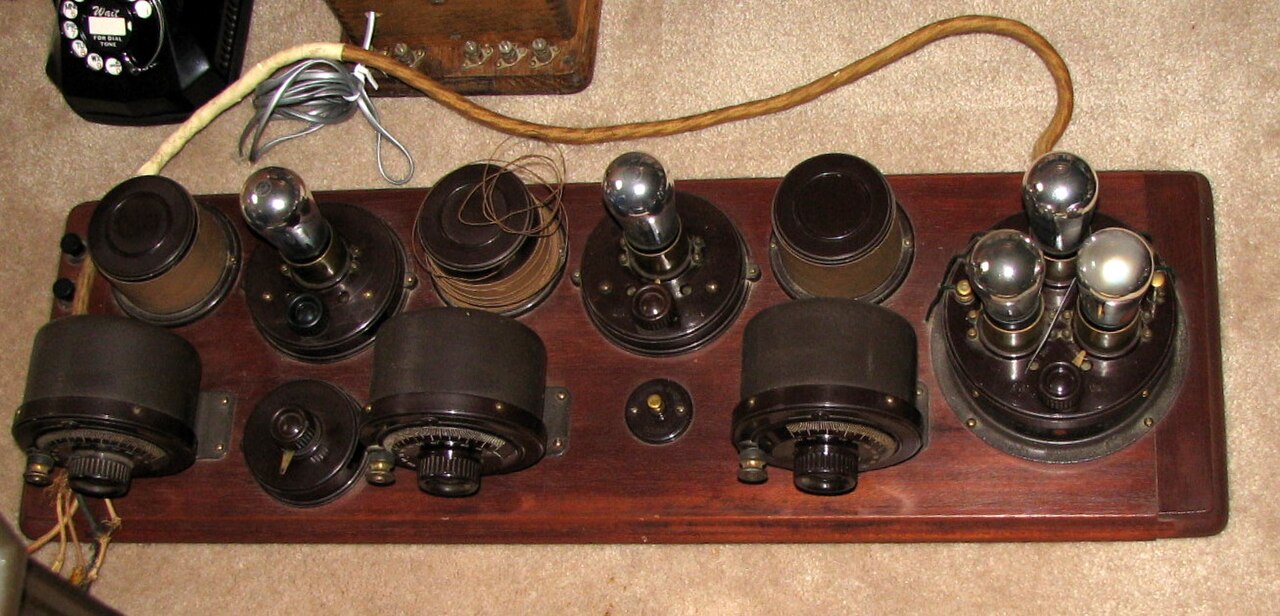
Bombay, 23 July 1927इंडियन ब्रॉडकास्टिंग कंपनी का बम्बई स्टेशन खुला — और भारत में पहली बार संगीत बिना किसी वस्तु के घर पहुँचा: न तवा, न टिकट, न महफ़िल का न्योता। महीने भर में कलकत्ता स्टेशन भी बोला। स्टूडियो छोटे थे, श्रोता गिनती के (रिसीवर महँगे थे और लाइसेंस भी), पर सिद्धांत बड़ा था: ध्वनि अब तरंग थी।
अंग्रेज़ी में पढ़ें · Read in English
The Indian Broadcasting Company's Bombay station opened — and for the first time in India, music reached homes as no object at all: no disc, no ticket, no mehfil invitation. Within a month Calcutta spoke too. The studios were small and listeners few (receivers and licences were dear), but the principle was vast: sound was now a wave.
रिकॉर्ड बनाम रेडियो
Record versus radioग्रामोफ़ोन कंपनियों ने पहले रेडियो को शत्रु समझा — मुफ़्त संगीत तवे क्यों बिकने देगा? हुआ उल्टा: रेडियो ने नई आवाज़ें घर-घर चखाईं और रिकॉर्ड की भूख बढ़ाई। दोनों माध्यम एक-दूसरे के विज्ञापन बन गए — वही जुगलबंदी जो आगे विविध भारती और फ़िल्म-संगीत के स्वर्णयुग में परवान चढ़ेगी।
अंग्रेज़ी में पढ़ें · Read in English
The gramophone companies first read radio as enemy — why would free music let discs sell? The opposite happened: radio sampled new voices into every home and sharpened the appetite for records. The two media became each other's advertisement — the same duet that would later flower in Vividh Bharati and film music's golden age.
कलाकार का नया दरबार
The artist's new courtमहफ़िल में बीस सुनते थे, तवे से सैकड़ों — रेडियो से अनगिनत। 1927 के बाद की हर गायकी इस अदृश्य, असीम श्रोता-समूह के लिए सधने लगी: कम अलंकार, साफ़ उच्चारण, भाव सीधा। माइक्रोफ़ोन-युग की वही सौंदर्य-दृष्टि, जिसे आगे सहगल अपनी फुसफुसाहट से अमर करेंगे।
अंग्रेज़ी में पढ़ें · Read in English
A mehfil heard twenty; a disc, hundreds; radio, beyond counting. Every vocal art after 1927 began tuning itself to this invisible, limitless audience: leaner ornament, cleaner diction, feeling sent straight. The microphone-age aesthetic — the one Saigal's whisper would soon make immortal.
परिचय
Identity- Epithet
- When the mehfil reached the armchair
अन्य विवरण
More DetailsKey Figures
कहानी-नमूना
The Story Specimen| शीर्षक | रेडियो आया: हवा में संगीत · Radio Arrives: Music on the Air |
|---|---|
| श्रेणी | Music History |
| प्रकार | विशेष लेख |
| प्रकाशित | 19 June 2026 — admin |
| वर्ष | 1927 |
और कहानियाँ
More Stories from the Atlas
साझा कीजिए · Share this Plate
यह पन्ना आगे बढ़ाइए
सवाल-जवाब
Questions & Answersरेडियो भारत में कब शुरू हुआ? · When did radio begin in India?
व्यवस्थित प्रसारण इंडियन ब्रॉडकास्टिंग कंपनी से शुरू हुआ — बम्बई स्टेशन 23 जुलाई 1927, कलकत्ता अगस्त 1927; इससे पहले 1923-24 से शौक़िया क्लब-प्रसारण होते थे।
Organised broadcasting began with the Indian Broadcasting Company — Bombay on 23 July 1927, Calcutta in August 1927; amateur club transmissions had run since 1923–24.
रेडियो ने फ़िल्म-संगीत को कैसे बदला? · How did radio change film music?
रेडियो ने गीतों को रोज़ की आदत बनाया — रिकॉर्ड की बिक्री बढ़ाई, माइक्रोफ़ोन-गायकी को मानक बनाया, और आगे चलकर (विविध भारती, बिनाका गीतमाला युग में) फ़िल्म-संगीत की लोकप्रियता का इंजन बना।
Radio made songs a daily habit — boosting record sales, normalising microphone singing, and later (the Vividh Bharati/Binaca Geetmala age) becoming film music's engine of popularity.