कहानियाँ विंग · कहानी · Music Theory
राग और रस: संगीत कैसे जगाता है भावनाएँ
Raag and Rasa: How Music Awakens Emotions
प्रकाशित19 June 2026 पाठ१२ मिनट का पाठ
आमुख
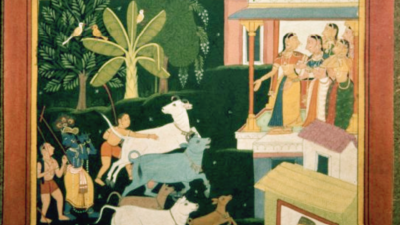
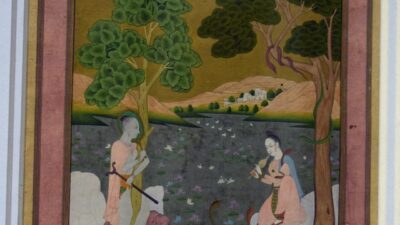
भारतीय शास्त्रीय संगीत में राग और रस का गहरा संबंध है। हर राग एक विशिष्ट भावना जगाता है — भैरवी करुण रस, यमन शृंगार रस, दरबारी गंभीर शांत रस। यह कहानी बताती है कि कैसे संगीतकार स्वरों के माध्यम से भावनाओं की सृष्टि करते हैं, और कैसे राग-रस का यह संबंध हज़ारों वर्षों से भारतीय संगीत की आत्मा रहा है।
अंग्रेज़ी में पढ़ें · Read in English
In the 2nd century CE, a Sanskrit theorist named Bharatamuni composed the Natyashastra — the foundational text of Indian performance arts. In it, he defined nine rasas: Shringara (romance), Hasya (laughter), Karuna (sorrow), Raudra (fury), Vira (courage), Bhayanaka (fear), Bibhatsa (disgust), Adbhuta (wonder), and Shanta (peace). These were not mere emotional categories — they were the fundamental flavors of human consciousness, the nine ways the human soul could be moved by art.
What Bharatamu
भावना की प्राचीन व्याकरण
The Ancient Grammar of Emotionदूसरी शताब्दी ईसवी में, भरतमुनि नामक एक संस्कृत विद्वान ने नाट्यशास्त्र की रचना की — भारतीय प्रदर्शन कलाओं का मूलभूत ग्रंथ। इसमें उन्होंने नौ रसों को परिभाषित किया: श्रृंगार (रोमांस), हास्य (हँसी), करुणा (दुःख), रौद्र (क्रोध), वीर (साहस), भयानक (भय), बिभत्स (घृणा), अद्भुत (आश्चर्य), और शांत (शांति)। ये केवल भावनात्मक श्रेणियाँ नहीं थीं — ये मानव चेतना के मौलिक स्वाद थे, नौ तरीके जिनसे मानव आत्मा कला से प्रभावित हो सकती थी। भरतमुनि ने जो समझा, और जो आधुनिक तंत्रिका विज्ञान अब पुष्टि कर रहा है, वह यह है कि भावनाएँ अमूर्त नहीं हैं। उनकी एक भौतिक संरचना है: विशिष्ट सुरों, अंतरालों, सामंजस्यपूर्ण संबंधों और लयात्मक पैटर्नों की, जो मानव तंत्रिका तंत्र में निश्चित भावनात्मक अवस्थाएँ विश्वसनीय रूप से ट्रिगर करते हैं। एक बड़ा तीसरा अंतराल (मेजर थर्ड) एक छोटे तीसरे अंतराल (माइनर थर्ड) की तुलना में अलग तंत्रिका संबंधी प्रतिक्रिया उत्पन्न करता है। एक उठता हुआ मेलोडिक वक्र एक गिरते हुए वक्र की तुलना में मस्तिष्क के विभिन्न क्षेत्रों को सक्रिय करता है। एक धीमी, स्थिर नाड़ी अमिग्डाला को शांत करती है; एक सिंकोपेटेड, अप्रत्याशित लय इसे सक्रिय करती है। हिंदुस्तानी शास्त्रीय संगीत में, राग — जिसका शाब्दिक अर्थ 'रंग' है — वह माध्यम है जिसके माध्यम से ये भावनात्मक वास्तुकलाएँ संचारित की जाती हैं। यह नियमों का एक समूह और भावनात्मक निर्देशों का एक समूह दोनों है। जब एक संगीतकार राग भैरवी बजाने का निर्णय लेता है, तो वह केवल एक अलग पैमाना नहीं चुन रहा। वह जानबूझकर तंत्रिका संबंधी और भावनात्मक प्रतिक्रियाओं का एक झरना शुरू कर रहा है — वह, सारांश में, एक भावना का पर्चा दे रहा है।
अंग्रेज़ी में पढ़ें · Read in English
In the 2nd century CE, a Sanskrit theorist named Bharatamuni composed the Natyashastra — the foundational text of Indian performance arts. In it, he defined nine rasas: Shringara (romance), Hasya (laughter), Karuna (sorrow), Raudra (fury), Vira (courage), Bhayanaka (fear), Bibhatsa (disgust), Adbhuta (wonder), and Shanta (peace). These were not mere emotional categories — they were the fundamental flavors of human consciousness, the nine ways the human soul could be moved by art.
What Bharatamuni understood, and what modern neuroscience is only now confirming, is that emotions are not abstract. They have a physical architecture: specific pitches, intervals, harmonic relationships, and rhythmic patterns that reliably trigger certain emotional states in the human nervous system. A major third interval creates a different neurological response than a minor third. A rising melodic curve activates different brain regions than a falling curve. A slow, steady pulse calms the amygdala; a syncopated, unpredictable rhythm activates it.
In Hindustani classical music, the raag — which literally means 'color' — is the vehicle through which these emotional architectures are transmitted. It is both a set of rules and a set of emotional instructions. When a musician chooses to play Raag Bhairavi instead of Raag Yaman, they are not simply selecting a different scale. They are deliberately triggering a cascade of neurological and emotional responses — they are, in essence, prescribing an emotion.
भैरवी: करुणा और भोर का राग
Bhairavi: The Raag of Sorrow and Dawnराग भैरवी हिंदुस्तानी संगीत के सबसे मौलिक रागों में से एक है, और इसकी ख्याति गहरे दुःख, हानि और समर्पण को जगाने की है। संगीतकार कहते हैं कि भैरवी 'आपको रुलाता है।' लेकिन क्यों? इस राग की संरचना में ऐसा क्या है जो विश्वसनीय रूप से इस भावनात्मक प्रतिक्रिया उत्पन्न करता है? भैरवी क्रोमेटिक पैमाने के सभी बारह सुरों का उपयोग करता है। यह आरोहण में एक सुंदर, समर्पित पैमाना है (केवल पाँच नोट: सा रे ग प नी सा), लेकिन अवरोहण में यह सभी क्रोमेटिक नोटों का उपयोग करता है। नोटों की यह प्रचुरता इसे लगभग अति-सक्रिय गुणवत्ता देती है — एक मेलोडी के लिए कई संभावित पथ हैं, जो भटकने की भावना, खोज, बेचैनी पैदा करते हैं। स्केल में कुछ नोटों के प्राकृतिक और फ्लैट संस्करण दोनों शामिल हैं (सा, रे सुद्ध और रे कोमल; ग सुद्ध और ग कोमल), जो मेलोडिक समोच्च में एक तरह की अस्पष्टता पैदा करता है। यह ऐसे है जैसे मेलोडी स्वीकृति और प्रतिरोध के बीच दोलन कर रहा है। भैरवी के विशेषता मुहावरे — आरोहण और अवरोहण पैटर्न — कुछ अंतरालों पर जोर देते हैं जो मानव मस्तिष्क में मेलान्कोलिया को ट्रिगर करने के लिए जाने जाते हैं। राग आरोहण में पाँचवें नोट (प) को टालता है, जो अधूरापन, एक निलंबित तनाव बनाता है। अवरोहण (ग प म रे सा) प्रमुख सुरों के एक झरने को पार करता है जो पूर्ण नोटों की सीमाओं को अस्पष्ट करते हैं — यह एक स्पष्ट, समाधानित पथ नहीं है, बल्कि आहों की एक श्रृंखला है। जब उस्ताद अमजद अली खान या पंडित शिवकुमार शर्मा भैरवी बजाते हैं, तो वे इस भावनात्मक वास्तुकला का शोषण करते हैं। वे निचले रजिस्टर में शुरू करते हैं, गहराई और दृढ़ता की भावना स्थापित करते हैं। फिर, नोट दर नोट, अंतराल दर अंतराल, वे तरसन का एक चित्र पेंट करते हैं। विशेषता 'रे-ग' गति (दूसरा नोट से तीसरा नोट) एक संगीत साँस बन जाता है — रे थोड़ा सा उतरता है, फिर ग तक एक गर्म, लगभग रोने जैसी गुणवत्ता के साथ उठता है। जब सही मीण के साथ खेला जाता है (स्लाइडिंग), यह सूक्ष्म गति श्रोता में कुछ प्राचीन को ट्रिगर कर सकती है — दुःख की स्वीकृति जो भाषा के नीचे मौजूद है। भैरवी विशेष रूप से इस प्रतिक्रिया को क्यों जगाता है? उत्तर आंशिक रूप से ऐतिहासिक कंडीशनिंग में निहित है — सदियों से, भैरवी को प्रातःकाल, प्रार्थना के समय, आत्मचिंतन के क्षणों में बजाया जाता रहा है। यह ईश्वर के प्रति समर्पण, हानि की स्वीकृति से जुड़ा हुआ था। राग की संरचना स्वयं — नोटों की प्रचुरता और कुछ सुरों के परहेज के साथ — को संगीत सिद्धांतकारों द्वारा 'मेलोडिक अधूरापन' कहा जाता है। कान समाधान की अपेक्षा करता है जो नहीं आता। इसके बजाय, अनसुलझे को स्वीकार करने का एक तरीका है। यह करुणा रस का भावनात्मक हस्ताक्षर है — दुःख का रस जो निराशा नहीं, बल्कि करुणा और बुद्धिमत्ता की ओर जाता है।
अंग्रेज़ी में पढ़ें · Read in English
Raag Bhairavi is one of the most fundamental raags in Hindustani music, and it has a reputation for evoking deep sorrow, loss, and surrender. Musicians say that Bhairavi 'makes you weep.' But why? What is it in the structure of this raag that reliably produces this emotional response?
Bhairavi uses all twelve tones of the chromatic scale (it is an 'audav' or five-note raag in ascent, but uses all chromatic notes in descent). This abundance of notes gives it an almost hyperactive quality — there are many possible pathways a melody can take, creating a sense of wandering, searching, restlessness. The scale includes both natural and flat versions of certain notes (E-natural and E-flat, B-natural and B-flat), which creates a kind of wavering uncertainty in the melodic contour. It is as if the melody is oscillating between acceptance and resistance.
The characteristic phrases of Bhairavi — the aarohan (ascent) and avarohan (descent) patterns — emphasize certain intervals that are known to trigger melancholia in the human brain. The raag avoids the fifth note (Pa) in ascent, which creates an incompleteness, a suspended tension. The descent (avarohan) passes through a cascade of microtonal adjustments (meend) that blur the distinction between notes — it is not a clear, resolved path, but a series of sighs.
When Ustad Amjad Ali Khan or Pandit Shivkumar Sharma play Bhairavi, they exploit this emotional architecture. They begin in the lower register, establishing a sense of depth and groundedness. Then, note by note, interval by interval, they paint a portrait of longing. The characteristic 'Re-Ga' movement (second note to third note) becomes a musical sigh — Re descends slightly, then rises to Ga with what is often a warm, almost sob-like quality. When played with the right meend (sliding), this micro-movement can trigger something primal in the listener — a recognition of grief that exists below language.
Why does Bhairavi specifically evoke this response? The answer lies partly in historical conditioning — for centuries, Bhairavi has been played at dawn, during prayer, in moments of introspection. It became associated with surrender to the divine, with acceptance of loss. The raag structure itself — with its abundance of notes and its avoidance of certain tones — creates what music theorists call 'melodic incompleteness.' The ear expects resolution that doesn't come. Instead, there is a kind of acceptance of the unresolved. This is the emotional signature of Karuna rasa — the rasa of sorrow that leads not to despair, but to compassion and wisdom.
यमन: प्रेम और तरसन का राग
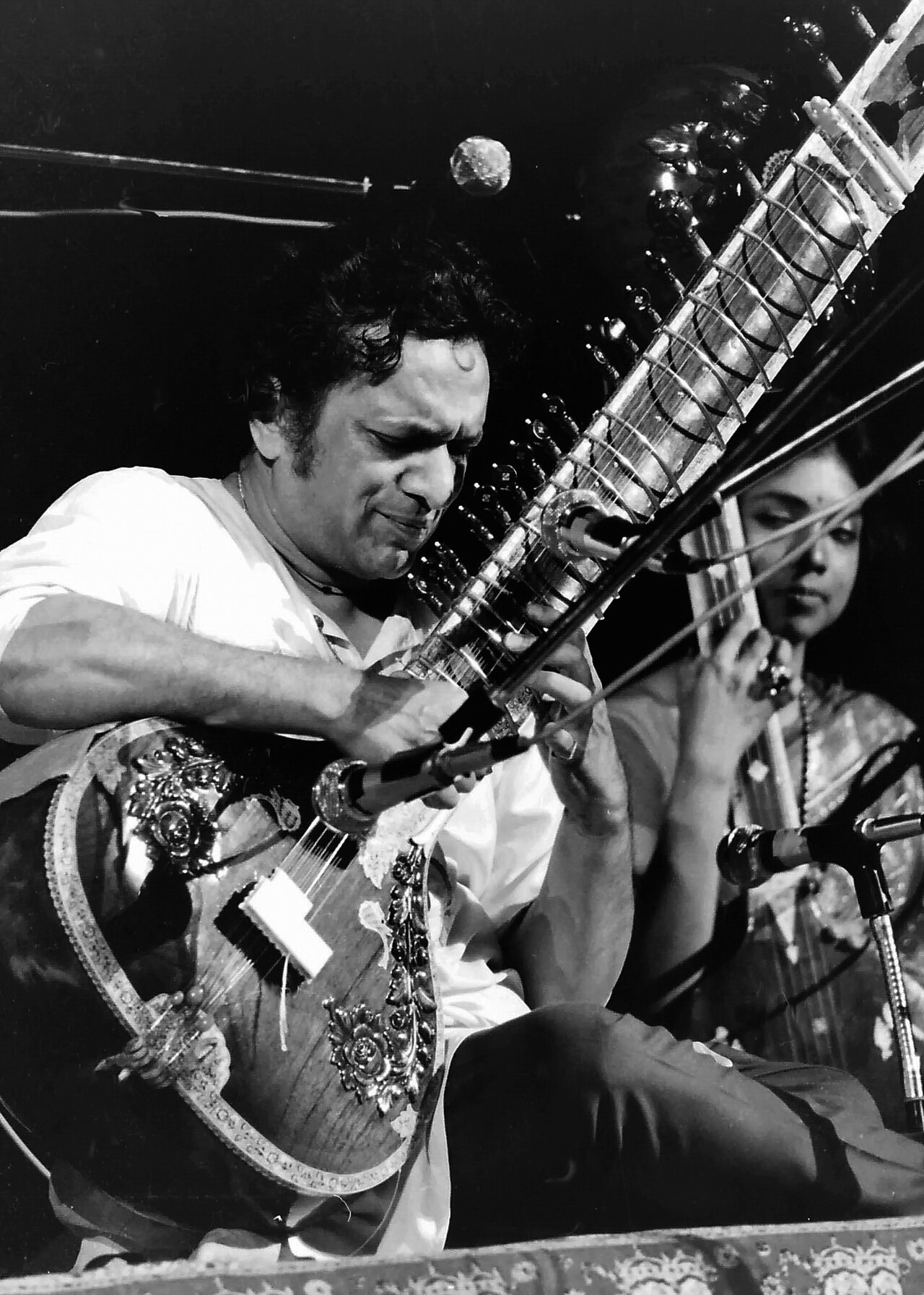
Yaman: The Raag of Love and Longingयदि भैरवी दुःख का राग है, तो राग यमन प्रेम, आकांक्षा और आनंद का राग है। यह संपूर्ण हिंदुस्तानी परंपरा में शायद सबसे प्रिय राग है, शादियों, समारोहों और व्यक्तिगत विजय के क्षणों में बजाया जाता है। जब आप यमन का एक महान प्रदर्शन सुनते हैं, तो आपका दिल हल्का महसूस करता है। क्यों? यमन की संरचना भैरवी से बिल्कुल अलग है। यमन एक 'संपूर्ण' राग है, जिसका अर्थ है कि यह डायटोनिक पैमाने के सभी सात नोटों का उपयोग करता है (सा रे ग म प ध नी सा)। लेकिन यह चौथे नोट (म) की रणनीतिक अनुपस्थिति के माध्यम से एक बहुत ही विशिष्ट भावनात्मक टोन प्राप्त करता है। आरोहण में (ऊपर जाते हुए), यमन जाता है: सा रे ग प ध नी सा। ध्यान दें कि क्या गायब है — म। राग आरोहण में चौथे स्थान पर म को नहीं छूता। यह ऊपर की ओर गति की भावना, आकांक्षा की भावना को मजबूत करता है जो तब तक बढ़ती है जब तक कि यह ऊपरी सा पर एक तरह की विजय तक न पहुँच जाए। यमन में अंतराल संबंध इसके भावनात्मक प्रभाव के लिए महत्वपूर्ण हैं। राग मेजर तीसरे अंतराल पर जोर देता है (ग से प तक साफ़ जाता है; सा से ग एक मेजर तीसरा है), और ये अंतराल तंत्रिका संबंधी रूप से मेजर कुंजियों, चमक, आशा और सकारात्मकता से जुड़े हैं। पश्चिमी संगीत में, हम समान प्रभाव का अनुभव करते हैं: एक मेजर तीसरा 'खुशी' लगता है जबकि एक माइनर तीसरा 'दुःख' लगता है। यह सीखा हुआ नहीं है — यह मानव तंत्रिका तंत्र में कठोर प्रोग्रामिंग प्रतीत होता है। यमन, इन चमकीले अंतरालों पर जोर देकर और एक स्पष्ट ऊपर की ओर प्रक्षेपवक्र बनाकर, सकारात्मक भावनाओं की भावना को विश्वसनीय रूप से उत्पन्न करता है। लेकिन यमन की भावनात्मक हस्ताक्षर केवल 'खुशी' से गहरी है। राग में एक चिंतनशील, लगभग भक्तिमय गुणवत्ता है। जब एक संगीतकार गहरी मेलोडिक गति और सावधानीपूर्वक तान कार्य के साथ यमन बजाता है (तेजी से स्केल के मार्ग), तो वह क्रूड आनंद की नहीं, बल्कि परिशोधित आनंद की खोज कर रहा है — वह आनंद जो आध्यात्मिक एहसास से आता है, रोमांटिक जुड़ाव से इसके सबसे गहरे स्तर पर, अपनी आकांक्षाओं को प्राप्त करने से। यह श्रृंगार रस इसके सबसे उच्च स्तर पर है — न कि आधार इच्छा, बल्कि प्रेम का उसके सर्वोच्च आध्यात्मिक अभिव्यक्ति को बढ़ाना। यमन की विशेषता गति — जिस तरह से संगीतकार राग के ग-म-प क्षेत्र को सजाते हैं — एक तरह की 'मेलोडिक मुस्कान' बनाता है। नोट एक दूसरे को गले लगाते हुए प्रतीत होते हैं। जब पंडित रवि शंकर ने यमन बजाया, तो वह मध्य रजिस्टर में एक गर्म, लगभग चमकती हुई टोन स्थापित करेंगे, फिर धीरे-धीरे चढ़ेंगे, प्रत्येक नोट प्लेसमेंट बढ़ती हुई खुशी की सावधानीपूर्वक अभिव्यक्ति है। अवरोहण (सा नी ध प म ग रे सा) आरोहण को दर्पण करता है, संतुलन और पूर्णता की भावना बनाता है। यमन के बारे में जो उल्लेखनीय है वह यह है कि यह भावनात्मक प्रभाव लगभग सार्वभौमिक है। विभिन्न संस्कृतियों के श्रोता अच्छी तरह से बजाए गए यमन के लिए समान भावनात्मक प्रतिक्रिया की रिपोर्ट करते हैं। भारतीय संगीत से अपरिचित व्यक्ति द्वारा सुना गया एक यमन राग अभी भी उत्थान और आनंद की भावना का उत्पादन करता है। यह सुझाव देता है कि यमन की भावनात्मक वास्तुकला मानव तंत्रिका विज्ञान के बारे में कुछ मौलिक चीज़ को काटती है — कुछ जो सांस्कृतिक कंडीशनिंग से पहले है।
अंग्रेज़ी में पढ़ें · Read in English
If Bhairavi is the raag of sorrow, Raag Yaman is the raag of romantic love, aspiration, and joy. It is perhaps the most beloved raag in the entire Hindustani tradition, played at weddings, celebrations, and moments of personal triumph. When you listen to a great Yaman performance, your heart feels lighter. Why?
The structure of Yaman is remarkably different from Bhairavi. Yaman is a 'sampoorna' raag, meaning it uses all seven notes of the diatonic scale (Sa Re Ga Ma Pa Dha Ni Sa). But it achieves a very specific emotional tone through the strategic absence of the fourth note (Ma). In the ascent (aarohan), Yaman goes: Sa-Re-Ga-Pa-Dha-Ni-Sa. Notice what's missing — Dha Ni. The raag avoids the lower tonic (Sa) in its ascent until the very end, creating a sense of upward momentum, of aspiration that builds and builds until it reaches a kind of triumph at the upper Sa.
The interval relationships in Yaman are key to its emotional effect. The raag emphasizes the major third interval (Ga to Pa passes cleanly; Sa to Ga is a major third), and these intervals are neurologically associated with major keys, brightness, hope, and positivity. In Western music, we experience similar effects: a major third sounds 'happy' while a minor third sounds 'sad.' This is not learned — it appears to be hardwired into the human nervous system. Yaman, by emphasizing these bright intervals and creating a clear upward trajectory, reliably produces a sense of positive emotion.
But Yaman's emotional signature goes deeper than mere 'happiness.' The raag has a contemplative, almost devotional quality. When a musician plays Yaman with deep melodic movement and careful taan work (rapid scalar passages), they are exploring not crude joy, but refined joy — the joy that comes from spiritual realization, from romantic connection at its deepest level, from achieving one's aspirations. This is Shringara rasa at its most sublime — not base desire, but the elevation of love to its highest spiritual expression.
The characteristic movement of Yaman — the way musicians ornament the Ga-Ma-Pa region of the raag — creates a kind of 'melodic smile.' The notes seem to embrace each other. When Pandit Ravi Shankar played Yaman, he would establish a warm, almost glowing tone in the middle register, then gradually ascend, each note placement a careful articulation of increasing joy. The descent (avarohan: Sa-Ni-Dha-Pa-Ma-Ga-Re-Sa) mirrors the ascent, creating a sense of balance and completion.
What is remarkable about Yaman is that this emotional effect is almost universal. Listeners from different cultures report similar emotional responses to well-played Yaman. A Yaman raga heard by a person unfamiliar with Indian music still produces a sense of uplift and joy. This suggests that the emotional architecture of Yaman taps into something fundamental about human neurology — something that predates cultural conditioning.
दरबारी: गंभीरता और आत्मचिंतन का राग
Darbari: The Raag of Gravity and Introspectionराग दरबारी (अक्सर दरबारी कानड़ा कहा जाता है) हिंदुस्तानी शब्दावली में एक अद्वितीय भावनात्मक स्थान रखता है। यह भैरवी जैसे दुःख का तरीका नहीं है। यह यमन की तरह आनंद का तरीका नहीं है। इसके बजाय, दरबारी गंभीर, अंतर्मुखी, चिंतन के वजन से भरा हुआ है। संगीतकार दरबारी बजाने का वर्णन 'राजा के दरबार में प्रवेश करना' के रूप में करते हैं — एक ऐसी जगह जहाँ प्रोटोकॉल हो, सावधानीपूर्वक विचार हो, गहरी सोच हो। जब आप दरबारी का एक मास्टर प्रदर्शन सुनते हैं, तो आप महसूस करते हैं जैसे आप किसी प्राचीन और गंभीर चीज़ की उपस्थिति में हैं। यह प्रभाव क्या बनाता है? दरबारी एक 'ओडव' राग है, आरोहण और अवरोहण दोनों में केवल पाँच नोटों का उपयोग करता है: नी ध प म ग (कुछ वेरिएंट में नी की जगह सा कोमल)। नोटों की यह अर्थव्यवस्था — भैरवी में प्रचुरता की तुलना में या यमन की संतुलित पूर्णता की तुलना में — एक तरह की तपस्वी कठोरता बनाता है। राग सजावट को अस्वीकार करता है। यह ईमानदारी की माँग करता है। प्रत्येक नोट जो दिखाई देता है वजन ले जाता है क्योंकि उनमें से बहुत कम हैं। दरबारी की सबसे विशेषता विशेषता पहले नोट (सा) और दूसरे नोट (ग) के बीच का अंतराल संबंध है। दरबारी में, ग को कोमल (समतल) किया जाता है, और यह सा से नीचे की पिच में दिखाई देता है — जिसे 'अवरोही प्रवेश' कहा जाता है। यह राग वर्गीकरण में असामान्य है। अधिकांश राग टॉनिक से चढ़कर शुरू करते हैं। दरबारी टॉनिक को टालकर शुरू करता है और कोमल तीसरे में बसता है। यह विस्थापन की भावना पैदा करता है, ऐसा कुछ जो बिल्कुल शांत नहीं है। यह तंत्रिका संबंधी रूप से अस्थिर करने वाला है — कान टॉनिक (सा) को जमीन के नोट के रूप में, सुरक्षित जगह के रूप में उम्मीद करता है। जब दरबारी इसे टालता है, तो एक सूक्ष्म बेचैनी होती है। लेकिन यह बेचैनी चिंता नहीं है। यह गंभीरता है। जैसे-जैसे राग खुलता है, यह प्रारंभिक विस्थापन एक तरह की 'दार्शनिक जिज्ञासा' बन जाता है। संगीतकार राग के मध्य क्षेत्र की खोज करता है — ग-म-प क्षेत्र — जिसे केवल ध्यानपूर्वक विचार के रूप में वर्णित किया जा सकता है। दरबारी में विशेषता 'मींड' (स्लाइड) भैरवी की आहों वाली, भावनात्मक मींडें नहीं हैं। वे धैर्यवान, विचारशील, लगभग शैक्षणिक हैं। वे श्रोता से पूछते हैं: इस अंतराल का अर्थ क्या है? यह नोट उस नोट से कैसे संबंधित है? इस रुकावट का महत्व क्या है? सबसे प्रसिद्ध दरबारी प्रदर्शन — उस्ताद बिस्मिल्लाह खान, पंडित जसराज, या उस्ताद विलायत खान द्वारा — सभी 'अधिकतम गंभीरता के साथ धीमी खुलाई' की गुणवत्ता साझा करते हैं। ये मास्टर एक एकल मुहावरे पर दस मिनट बिता सकते हैं, हर संभावित सूक्ष्मताल परिवर्तन की खोज करते हुए, एक एकल नोट के हर संभावित व्याख्या की, जैसे कि वे एक मूल्यवान पत्थर को घुमा रहे हों इसके हर कोण से इसके पहलुओं की जांच करने के लिए। यह आत्मविमोह नहीं है — यह सटीकता है। यह राग के मूल भावनात्मक संदेश को प्रतिबिंबित करता है: कि सत्य को धीमी, सावधानीपूर्वक, पूरी तरह से जांच की आवश्यकता है। दरबारी 'शांत रस' के अनुरूप है — शांति और चिंतन का रस। लेकिन यह एक निष्क्रिय शांति नहीं है। यह शांति है जो गहरे सवालों के साथ बौद्धिक और आध्यात्मिक कुश्ती से आती है। यह अर्जुन का रस है युद्ध के मैदान में, धर्म की प्रकृति पर विचार करते हुए वह कार्य करने से पहले। यह एक दार्शनिक का रस है कुछ विशाल को समझने के किनारे पर।
अंग्रेज़ी में पढ़ें · Read in English
Raag Darbari (often called Darbari Kanada) occupies a unique emotional space in the Hindustani vocabulary. It is not sad in the way that Bhairavi is sad. It is not joyful in the way that Yaman is joyful. Instead, Darbari is grave, introspective, heavy with the weight of contemplation. Musicians describe playing Darbari as 'entering the court of the king' — a place of protocol, of careful consideration, of profound thought. When you listen to a master rendition of Darbari, you feel as if you are in the presence of something ancient and solemn.
What creates this effect? Darbari is an 'odava' raag, using only five notes in both ascent and descent: Ni Dha, Pa Ma Ga (in some variants Dha instead of Ni). This economy of notes — compared to the profusion in Bhairavi or the balanced completeness of Yaman — creates a kind of monastic austerity. The raag refuses ornamentation. It demands honesty. Each note that appears carries weight because there are so few of them.
The most characteristic feature of Darbari is the interval relationship between the first note (Sa) and the second note (Ga). In Darbari, Ga is flatted (komal), and it appears below the Sa in pitch — creating what is called a 'descending entry.' This is unusual in raag taxonomy. Most raags begin by ascending from the tonic. Darbari begins by descending, or more precisely, by avoiding the tonic itself and dwelling in the flatted third. This creates an immediate sense of displacement, of something not being quite settled. It is neurologically destabilizing — the ear expects the tonic (Sa) to be the ground note, the safe place. When Darbari avoids it, there is a subtle unease.
But this unease is not anxiety. It is gravitas. As the raag unfolds, this initial displacement becomes a kind of 'philosophical questioning.' The musician explores the middle region of the raag — the Ga-Ma-Pa area — with what can only be described as meditative deliberation. The characteristic 'meends' (slides) in Darbari are not the sighing, emotional meends of Bhairavi. They are patient, considered, almost pedagogical. They ask the listener: What does this interval mean? How does this note relate to that note? What is the significance of this pause?
The most famous Darbari renditions — by Ustad Bismillah Khan, Pandit Jasraj, or Ustad Vilayat Khan — all share a quality of 'slow unfolding with maximum gravity.' These masters can spend ten minutes on a single phrase, exploring every possible microtonal variation, every possible interpretation of a single note, as if they are turning a precious stone to examine its facets from every angle. This is not indulgence — it is precision. It reflects the raag's core emotional message: that truth requires slow, careful, thorough investigation.
Darbari corresponds to what the rasas call 'Shanta rasa' — the rasa of peace and contemplation. But it is not a passive peace. It is the peace that comes from intellectual and spiritual wrestling with profound questions. It is the rasa of Arjuna on the battlefield, contemplating the nature of dharma before he acts. It is the rasa of a philosopher at the edge of understanding something vast.
संगीतकार का इरादा: कैसे जानबूझकर विकल्प रस को आकार देते हैं
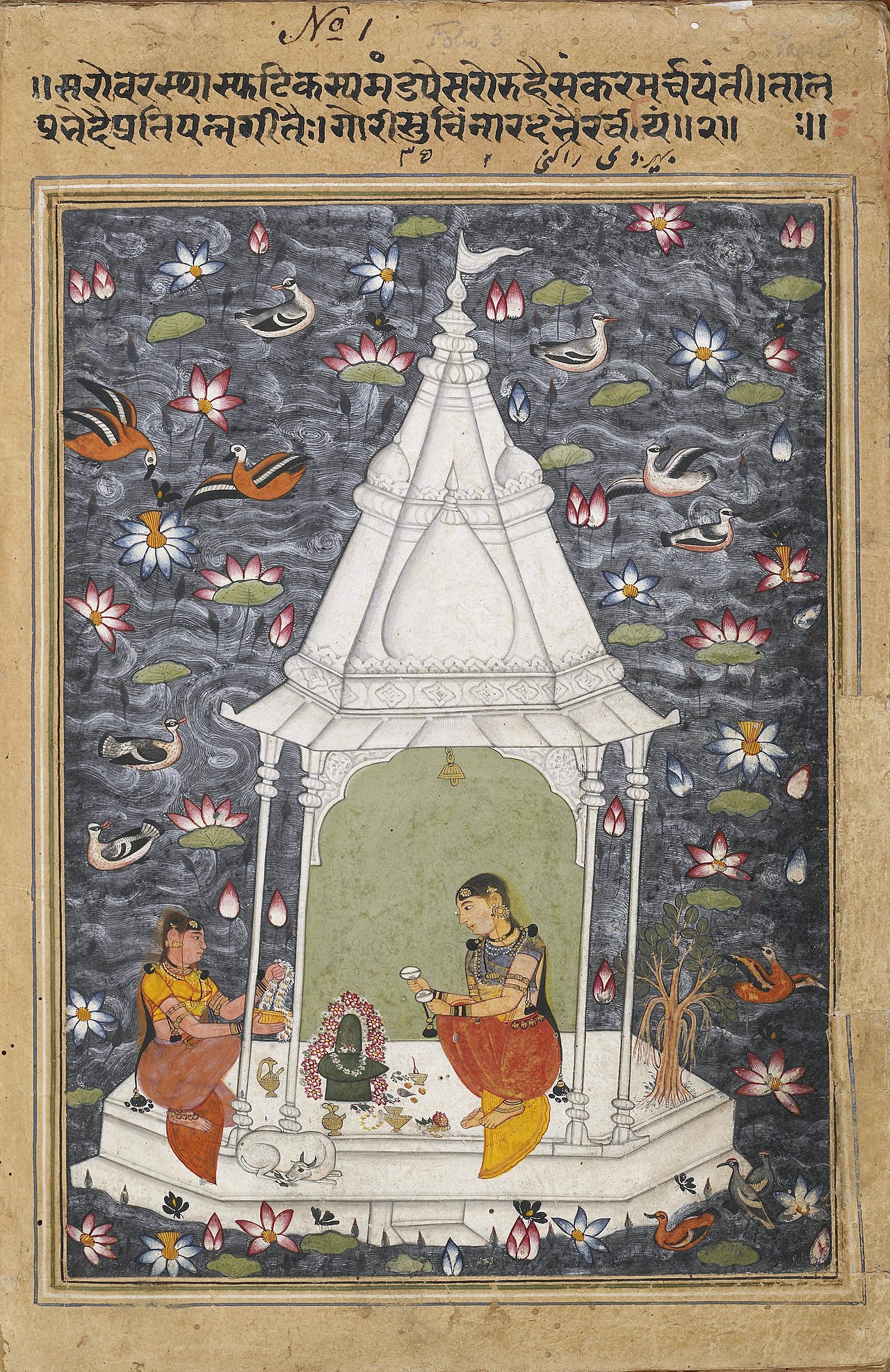
The Musician's Intention: How Deliberate Choices Shape Rasaरागों की भावनात्मक वास्तुकला को समझना महत्वपूर्ण है, लेकिन यह कहानी का केवल आधा हिस्सा प्रकट करता है। दूसरा आधा संगीतकार का इरादा है — राग संरचना के भीतर जो जानबूझकर विकल्प वे भावनात्मक प्रभाव को बढ़ाने, कम करने या पुनर्निर्देशित करने के लिए करते हैं। एक कुशल संगीतकार केवल एक राग 'बजाता' नहीं। वे इसमें रहते हैं, इसकी व्याख्या करते हैं, इसे तराशते हैं। 'मीण' की तकनीक पर विचार करें — सूक्ष्मताल रूप से सटीक दो नोटों के बीच की स्लाइड। भैरवी में, एक संगीतकार एक धीमी, स्थायी मीण नियोजित कर सकता है जो रोना या दुःख प्रतीत होता है। यमन में समान मीण उज्ज्वल और आरोही हो सकती है, आनंद का सुझाव देते हुए। दरबारी में समान मीण ध्यानपूर्वक हो सकती है, जैसे संगीतकार खुद अंतराल के अर्थ पर सवाल कर रहा हो। या 'तान' पर विचार करें — तेजी से स्केल के मार्ग जो तकनीकी माहिरी को प्रदर्शित करते हैं। यमन में, एक तान उज्ज्वल, तेजी से स्पष्टता में नीचे की ओर बह सकती है, उत्साह और ऊर्जा की भावना बनाती है। दरबारी में, एक तान धीमी और जानबूझकर हो सकती है, लगभग विखंडित, मुहावरों के बीच लंबे रुकावटों के साथ, पद्धतिगत जांच की भावना बनाती है न कि आभिजात्य प्रदर्शन की। रजिस्टर की पसंद समान रूप से महत्वपूर्ण है। एक संगीतकार निचले रजिस्टर में भैरवी बजा रहा है, मध्य या ऊपरी रजिस्टर में बजाने वाले से अलग भावनात्मक प्रभाव बनाता है। निचला रजिस्टर भैरवी अँधेरा है, अधिक आत्मचिंतन, अधिक स्पष्ट रूप से मार्मिक। ऊपरी रजिस्टर भैरवी अधिक चमक, अधिक आशा — यह एक ही राग है, लेकिन एक अलग भावनात्मक लेंस के माध्यम से व्याख्या किया गया है। प्रदर्शन की गति स्वयं एक भावनात्मक उपकरण है। पंडित रवि शंकर कभी-कभी गहरी, धीमी खोज में एक यमन खोलते थे, नोटों पर विस्तारित अवधि के लिए रुकते थे, फिर धीरे-धीरे तेजी से, झरने के तान कार्य में निर्माण करते थे। यह राग के भीतर भावनात्मक विकास की एक यात्रा बनाता था — प्रारंभिक आत्मचिंतन से अंतिम उत्साह तक। राग संरचना अकेले यह यात्रा नहीं बनाता है; संगीतकार की व्याख्या इसे बनाती है। शायद सबसे महत्वपूर्ण बात यह है कि एक संगीतकार एक राग के 'गुरुत्वाकर्षण का केंद्र' को स्थानांतरित कर सकता है — नोट या नोट जो सबसे अधिक जोर और निवास प्राप्त करते हैं। यमन में, गुरुत्वाकर्षण का सामान्य केंद्र प (पाँचवाँ) या नी (सातवाँ) है — दोनों उज्ज्वल, ऊपर की ओर धकेलने वाले नोट। लेकिन एक रचनात्मक संगीतकार इसके बजाय ग (तीसरा) पर प्रदर्शन को केंद्रित कर सकता है, यमन का एक अधिक आत्मनिर्भर, सवाल पूछने वाला संस्करण बनाता है जो अपने सकारात्मक चरित्र को बनाए रखता है लेकिन आत्मचिंतन का एक नोट जोड़ता है। यह राग का उल्लंघन नहीं है; यह एक व्याख्या है, राग क्या व्यक्त कर सकता है इसे समझने का एक विशेष तरीका। यही कारण है कि दो अलग-अलग मास्टर जो एक ही राग बजाते हैं नाटकीय रूप से अलग भावनात्मक अनुभव का उत्पादन कर सकते हैं। दोनों समान पैमाना, समान मेलोडिक संभावनाएँ, समान राग संरचना का उपयोग कर रहे हैं। लेकिन एक आनंद की ओर राग को चैनल कर सकता है, दूसरा बुद्धिमत्ता की ओर, दूसरा आश्चर्य की ओर, दूसरा दुःख की ओर। राग एक भाषा है; संगीतकार एक कवि है। भावनात्मक व्याकरण निर्धारित है, लेकिन संदेश अनंत रूप से चर है।
अंग्रेज़ी में पढ़ें · Read in English
Understanding the emotional architecture of raags is crucial, but it reveals only half the story. The other half is the musician's intention — the deliberate choices they make within the raag structure to amplify, diminish, or redirect emotional impact.
A skilled musician does not simply 'play' a raag. They inhabit it, interpret it, sculpt it. Consider the technique of 'meend' — the microtonally precise slide between two notes. In Bhairavi, a musician might employ a slow, lingering meend that seems to sob or grieve. The same meend in Yaman might be bright and ascending, suggesting joy. The same meend in Darbari might be meditative, as if the musician is questioning the very meaning of the interval being traversed.
Or consider 'taan' — rapid scalar passages that showcase technical mastery. In Yaman, a taan might cascade downward in bright, rapid articulation, creating a sense of exuberance and energy. In Darbari, a taan might be slow and deliberate, almost fragmented, with long pauses between phrases, creating a sense of methodical investigation rather than virtuosic display.
The choice of register is equally significant. A musician playing Bhairavi in the lower register creates a different emotional effect than one playing it in the middle or upper register. Lower register Bhairavi is darker, more introspective, more explicitly mournful. Upper register Bhairavi contains more brightness, more hope — it is the same raag, but interpreted through a different emotional lens.
The pacing of the performance itself is an emotional tool. Pandit Ravi Shankar would sometimes open a Yaman in deep, slow exploration, dwelling on single notes for extended periods, before gradually building into rapid, cascading taanwork. This created a journey of emotional development within the raag — from initial introspection to ultimate exuberance. The raag structure alone does not create this journey; the musician's interpretation creates it.
Perhaps most importantly, a musician can shift the 'centre of gravity' of a raag — the note or notes that receive the most emphasis and dwelling. In Yaman, the typical centre of gravity is Pa (the fifth) or Ni (the seventh) — both bright, upward-pushing notes. But a creative musician might instead centre the performance on Ga (the third), creating a more introverted, questioning version of Yaman that retains its positive character but adds a note of introspection. This is not a violation of the raag; it is an interpretation, a particular way of understanding what the raag can express.
This is why two different masters playing the same raag can produce dramatically different emotional experiences. Both are using the same scale, the same melodic possibilities, the same raag structure. But one might be channeling the raag toward joy, another toward wisdom, another toward wonder, another toward sorrow. The raag is a language; the musician is a poet. The emotional grammar is fixed, but the message is infinitely variable.
राग से परे: भावनात्मक संगीत की सार्वभौमिकता और सीमाएँ
Beyond the Raag: The Universality and Limits of Emotional Musicसबूत दृढ़ता से सुझाता है कि रागों की भावनात्मक वास्तुकला — विशिष्ट अंतराल संबंध, पैमाने की संरचनाएँ, सामंजस्यपूर्ण प्रगतियाँ — मानव तंत्रिका विज्ञान में कुछ मौलिक के लिए बोलती है। जापान, जर्मनी, या ब्राजील का कोई व्यक्ति, जब पहली बार अच्छी तरह से प्रदर्शित यमन या भैरवी सुनता है, तो भावनात्मक प्रतिक्रियाओं की रिपोर्ट करेगा जो 'इच्छित' रागों के अनुरूप हैं: यमन उत्थान की भावना पैदा करता है; भैरवी उदासी की भावना पैदा करता है। संस्कृतियों में यह सामंजस्य सुझाता है कि ये भावनात्मक प्रभाव केवल सांस्कृतिक निर्माण नहीं हैं बल्कि तंत्रिका संबंधी रूप से सार्वभौमिक कुछ को काटते हैं। फिर भी इस सार्वभौमिकता की महत्वपूर्ण सीमाएँ हैं। सांस्कृतिक कंडीशनिंग मायने रखती है। एक परंपरा में पाला-पोसा गया व्यक्ति जहाँ माइनर कुंजियाँ दुःख से जुड़ी हुई हैं, भैरवी को उस व्यक्ति की तुलना में अधिक भावनात्मक रूप से सुलभ पाएगा जिसके पास यह पृष्ठभूमि नहीं है। जो कोई अपनी परंपरा के भक्तिमय संगीत से परिचित है, वह दरबारी में एक आध्यात्मिक गुणवत्ता को पहचानेगा कि एक पूर्ण बाहरी व्यक्ति केवल 'गंभीरता' या 'गंभीरता' के रूप में व्याख्या कर सकता है, गहरे आध्यात्मिक अनुनाद तक पहुँचे बिना। इसके अलावा, एक राग के भावनात्मक प्रभाव लाइव प्रदर्शन के संदर्भ पर निर्भर करते हैं। हेडफ़ोन पर सुना गया यमन का एक रिकॉर्ड किया गया संस्करण एक कॉन्सर्ट हॉल में लाइव प्रदर्शन की तुलना में एक अलग भावनात्मक प्रभाव पैदा करता है, जो प्रार्थना के समय एक मंदिर में सुने गए राग से अलग प्रभाव पैदा करता है। राग संरचना स्वयं स्थिर है, लेकिन संदर्भात्मक भावनाएँ — सामाजिक अर्थ, ऐतिहासिक संबंध, साझा क्षण में श्रोताओं का मिलना — राग की अंतर्निहित संरचना के शीर्ष पर अतिरिक्त भावनात्मक अर्थ परत जोड़ते हैं। यह भी स्वीकार करना महत्वपूर्ण है कि राग एक यांत्रिक तरीके से भावना को निर्धारित नहीं करते हैं। वे आवेगों, निश्चितताओं को नहीं बनाते हैं। एक मास्टर संगीतकार यमन बजाते हुए, जानबूझकर व्याख्या के माध्यम से, एक ऐसा संस्करण बना सकता है जिसमें दुःख या प्रश्न हो। वे राग में मौजूद माइनर अंतरालों को हाइलाइट कर सकते हैं, निचले रजिस्टर में बसते हुए, धीमी, संकोची वाक्यांश को नियोजित करते हुए। राग अभी भी भावनात्मक सामग्री का समर्थन करता है, लेकिन संगीतकार ने इसकी पुनर्व्याख्या की है। इसी तरह, भैरवी को इस तरह बजाया जा सकता है कि इसके भक्तिमय आयामों को निकाला जा सके, दुःख के बजाय समर्पण और शांति पर जोर दिया जा सके। यह व्याख्या की लचक राग प्रणाली की कमजोरी नहीं है — यह इसकी ताकत है। राग भावनात्मक मार्गदर्शन प्रदान करते हैं, भावनात्मक कारावास नहीं। वे ढाँचे हैं जो मेलोडिक और सामंजस्यपूर्ण संभावनाओं को इस तरह से संगठित करते हैं कि कुछ भावनाओं को जगाते हैं। लेकिन उन ढाँचों के भीतर, मानव रचनात्मकता सीमाहीन रहती है। संगीतकार राग के भीतर काम करता है, लेकिन राग संगीतकार के भीतर काम नहीं करता है। गहरे अर्थ में, राग प्रणाली कुछ की एक प्राचीन, पूर्व-वैज्ञानिक समझ का प्रतिनिधित्व करती है कि आधुनिक तंत्रिका विज्ञान केवल मानचित्रण शुरू कर रहा है: तथ्य यह है कि भावना क्षणभंगुर या अव्यक्त नहीं है, लेकिन इसकी एक भौतिक सब्सट्रेट है। कुछ आवृत्तियाँ, अंतराल, और लयात्मक पैटर्न विश्वसनीय रूप से मस्तिष्क में कुछ भावनात्मक पथों को सक्रिय करते हैं। राग के मास्टरों ने तंत्रिका तंत्र को जाने बिना यह जान लिया। उन्होंने सदियों के प्रयोग के माध्यम से खोज किया कि कौन से नोटों के संयोजन सबसे प्रभावी थे कि कौन से रसों को जगाया जाए। उन्होंने इस ज्ञान को संरचनाओं में कोडित किया — रागों में — जो सिखाए, प्रसारित, और परिष्कृत किए जा सकते थे। जब आप एक कॉन्सर्ट हॉल में बैठते हैं और एक मास्टर राग यमन या राग भैरवी बजाते हुए सुनते हैं, तो आप केवल मानव रचनात्मकता द्वारा व्यवस्थित सुंदर ध्वनियों को नहीं सुन रहे हैं। आप भावनाओं की एक प्राचीन तकनीक में भाग ले रहे हैं — एक ऐसी प्रणाली जो हजार से अधिक वर्षों से परिष्कृत की जा रही है ताकि मानव हृदय को विश्वसनीय रूप से स्थानांतरित किया जा सके। राग विज्ञान और कला का संयोजन है: संगीत संरचना में एन्कोड किया गया भावना का विज्ञान, और उन संरचनाओं को जीवन में लाने की कला।
अंग्रेज़ी में पढ़ें · Read in English
The evidence strongly suggests that the emotional architecture of raags — the specific interval relationships, the scale structures, the harmonic progressions — speaks to something fundamental in human neurology. A person from Japan, or Germany, or Brazil, when hearing a well-performed Yaman or Bhairavi for the first time, will report emotional responses that align with the 'intended' ragas: Yaman produces a sense of uplift; Bhairavi produces a sense of melancholy. This consistency across cultures suggests that these emotional effects are not merely cultural constructs but tap into something neurologically universal.
Yet there are important limits to this universality. Cultural conditioning does matter. A person raised in a tradition where minor keys are associated with sadness will find Bhairavi more accessible emotionally than someone without this background. Someone familiar with the devotional music of their own tradition will recognize in Darbari a spiritual quality that a complete outsider might interpret simply as 'gravity' or 'seriousness' without accessing the deeper spiritual resonance.
Moreover, the emotional impact of a raag depends on live performance context. A recorded version of Yaman heard on headphones produces a different emotional effect than a live performance in a concert hall, which produces a different effect than a raag heard in a temple during prayer. The raag structure itself is constant, but the contextual emotions — the social meaning, the historical associations, the gathering of listeners in a shared moment — layer additional emotional meaning on top of the raag's inherent structure.
It is also important to recognize that raags do not determine emotion in a mechanical way. They create predispositions, not certainties. A master musician playing Yaman can, through deliberate interpretation, create a version that contains sadness or questioning. They might highlight the minor intervals present in the raag, dwell in the lower register, employ slow, hesitant phrasing. The raag still supports the emotional content, but the musician has reinterpreted it. Similarly, Bhairavi can be played in a way that extracts its devotional dimensions, emphasizing surrender and peace rather than sorrow.
This interpretive flexibility is not a weakness of the raag system — it is its strength. The raags provide emotional guidance, not emotional imprisonment. They are frameworks that organize melodic and harmonic possibilities in ways that tend to evoke certain emotions. But within those frameworks, human creativity remains limitless. The musician works within the raag, but the raag does not work the musician.
In the deepest sense, the raag system represents an ancient, pre-scientific understanding of something that modern neuroscience is only beginning to map: the fact that emotion is not ephemeral or ineffable, but has a physical substrate. Certain frequencies, intervals, and rhythmic patterns reliably activate certain emotional pathways in the brain. The raag masters knew this without knowing the neural mechanisms. They discovered, through centuries of experimentation, which combinations of notes were most effective at awakening which rasas. They codified this knowledge into structures — the raags — that could be taught, transmitted, and refined.
When you sit in a concert hall and listen to a master perform Raag Yaman or Raag Bhairavi, you are not merely listening to beautiful sounds arranged by human creativity. You are participating in an ancient technology of the emotions — a system that has been refined for more than a thousand years to reliably move the human heart. The raag is science and art combined: the science of emotion encoded in musical structure, and the art of interpretation that brings those structures to life.
श्रवण-कक्ष · The Listening Room
इस कहानी के वीडियो
राग भैरवी — पं. हरिप्रसाद चौरसिया
नाट्यशास्त्र — रस सिद्धांत
कहानी-नमूना
The Story Specimen| शीर्षक | राग और रस: संगीत कैसे जगाता है भावनाएँ · Raag and Rasa: How Music Awakens Emotions |
|---|---|
| श्रेणी | Music Theory |
| प्रकार | विशेष लेख |
| पाठ-समय | १२ मिनट का पाठ |
| प्रकाशित | 19 June 2026 — admin |
| टैग | raag · rasa · emotion · classical_music · hindustani · bhairavi · yaman · darbari · music_psychology · meend |
इस कहानी में
In This Story · The Cast & Its Platesकहानी में आए नामों के अटलस में अपने पन्ने हैं — यहीं से यात्रा जारी रखिए।
शब्दकोश-सूत्र · Glossary
राग-सूत्र · Raags
और कहानियाँ
More Stories from the Atlas

साझा कीजिए · Share this Plate