कहानियाँ विंग · कहानी · Artist Biography · 1906
महिला प्रभुत्व: 1906 ग्रामोफोन की महिला सितारें
The Female Dominance: Women Stars of the 1906 Gramophone
कैसे महिला कलाकारों ने शुरुआती ग्रामोफोन उद्योग को आकार दिया और अभूतपूर्व जनता की प्रसिद्धि प्राप्त की
प्रकाशित31 March 2026
आमुख
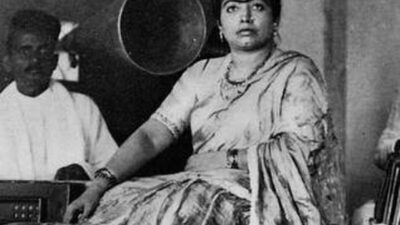
1906 में ग्रामोफोन उद्योग की सितारें पुरुष नहीं, बल्कि महिलाएँ थीं — गौहर जान, जानकी बाई, ज़ोहरा बाई। जहाँ शास्त्रीय मंच पर महिलाओं को हाशिये पर रखा जाता था, वहाँ रिकॉर्डिंग माध्यम ने उन्हें अभूतपूर्व वित्तीय स्वतंत्रता और राष्ट्रव्यापी प्रसिद्धि दी। गौहर जान ने अकेले 200 से अधिक रिकॉर्डिंग की थीं — उस समय किसी भी पुरुष कलाकार से कहीं अधिक।
अंग्रेज़ी में पढ़ें · Read in English
In 1906, the stars of the gramophone industry were not men but women — Gauhar Jaan, Janki Bai, Zohra Bai. Where the classical concert stage marginalised women, the recording medium gave them unprecedented financial independence and nationwide fame. Gauhar Jaan alone had made over 200 recordings — far more than any male artist of the time.
एक महिला-प्रभावी माध्यम
A Female-Dominant Mediumपारंपरिक संगीत प्रदर्शन के विपरीत, जहां सबसे प्रसिद्ध गायक अक्सर ग्वालियर या आगरा घरानों के पुरुष मास्टर थे, ग्रामोफोन माध्यम ने महिला कलाकारों को अभूतपूर्व प्रमुखता प्राप्त करने के लिए जगह बनाई। वास्तव में, 1906 तक, महिला गायक संभवतः रिकॉर्डिंग उद्योग की सितारें थीं। अकेले गौहर जान ने 200 से अधिक रिकॉर्डिंग की थीं — उस समय किसी भी पुरुष कलाकार से अधिक।
अंग्रेज़ी में पढ़ें · Read in English
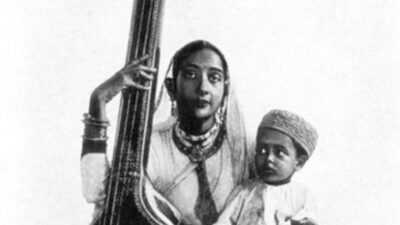
Unlike traditional concert performances, where the most celebrated vocalists were often male maestros of the Gwalior or Agra gharanas, the gramophone medium created space for female artists to achieve unprecedented prominence. In fact, by 1906, women vocalists were arguably the stars of the recording industry. Gauhar Jaan alone had made over 200 recordings — more than any male artist of the time. Janki Bai of Allahabad, Zohra Bai Agrewali, and other female singers had become household names among gramophone listeners across India.
This reversal was not accidental. The gramophone industry valued certain qualities that female artists could provide: clear, resonant voices that recorded well, technical virtuosity in semi-classical forms like thumri and dadra, and the ability to perform across diverse genres. More fundamentally, female artists brought a particular aesthetic sensibility to their recordings — an emotional directness, an expressiveness that the recording medium captured vividly. Women singers, historically associated with entertaining contexts (courtesan culture, royal courts, domestic performances), brought a theatrical immediacy to their gramophone recordings that listeners found compelling.
गौहर जान: रिकॉर्डिंग की रानी
Gauhar Jaan: The Recording Queenगौहर जान 1906 ग्रामोफोन कैटलॉग की निर्विवाद सितारा थीं। 45 साल की उम्र तक, वह पहले से ही एक दशक से अधिक समय तक रिकॉर्डिंग कर रही थीं और एक किंवदंती बन गई थीं। उनकी लगभग हर उत्तर भारतीय रूप में गाने की क्षमता — ख़याल, तुमरी, दादरा, तराना, भजन, चैती — अतुलनीय थी।
अंग्रेज़ी में पढ़ें · Read in English
Gauhar Jaan was the undisputed star of the 1906 gramophone catalog. By age 45, she had already recorded for over a decade and had become a legend. Her ability to sing in virtually every North Indian form — khayal, thumri, dadra, tarana, bhajan, chaiti — was unmatched. More importantly, she understood the gramophone as a medium better than any vocalist of her era. She knew how to position herself relative to the recording horn, how to modulate her voice for clarity and emotional impact on the disc, how to compress the essential spirit of a performance into the time constraints imposed by early recording technology.
Gauhar Jaan's 1906 recordings demonstrate this mastery. Her Jhinjhoti Thumri is not merely a reproduction of a concert performance — it is a complete artistic statement crafted specifically for the gramophone medium. She gives the listener the essence of thumri — the emotional depth, the rhythmic sophistication, the playful eroticism — in three minutes. This was virtuosity of a different kind than the lengthy, elaborated performances celebrated in concert halls.
जानकी बाई, जोहरा बाई और क्षेत्रीय सितारें
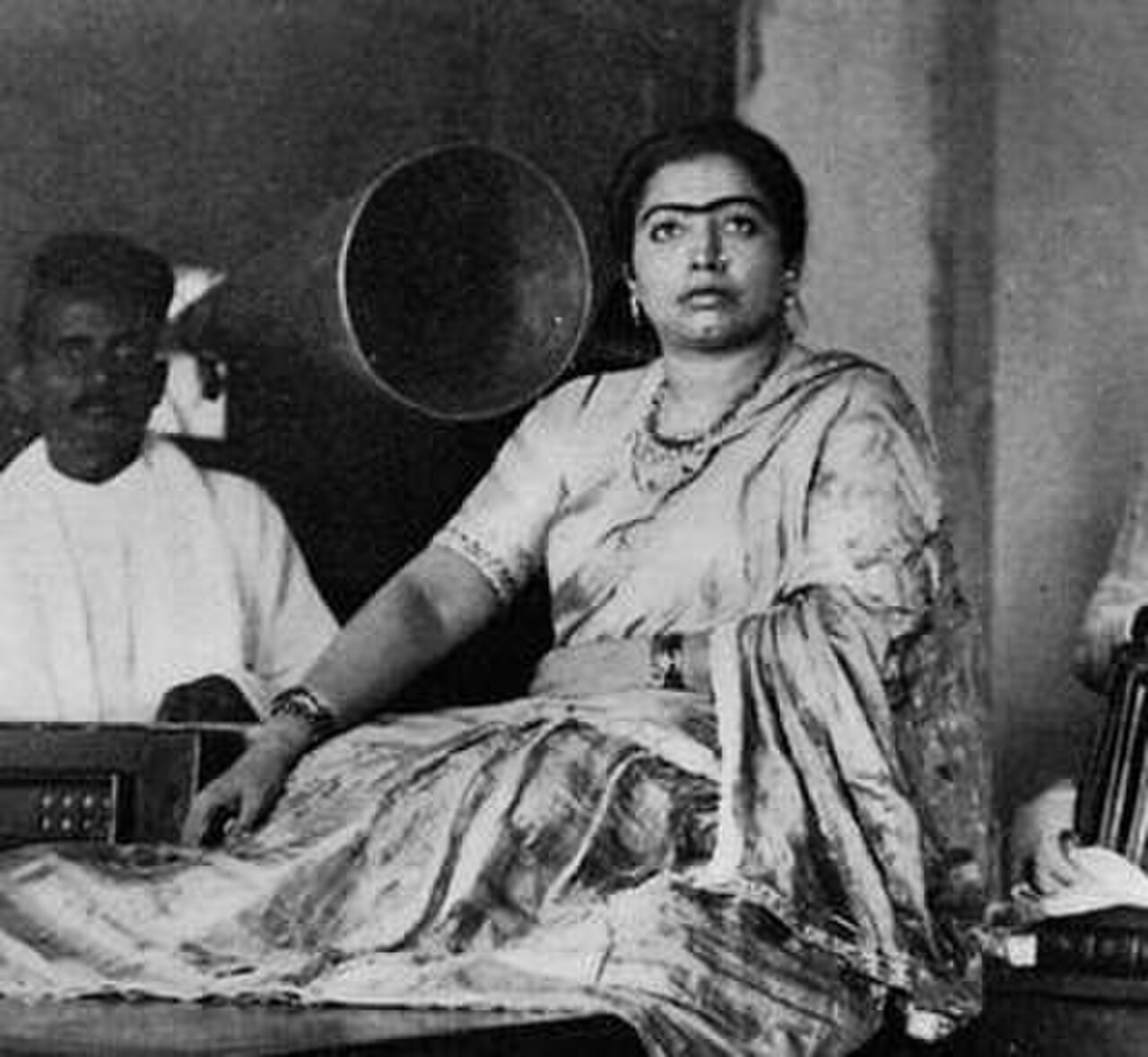
Janki Bai, Zohra Bai, and the Regional Starsजबकि गौहर जान रिकॉर्डिंग उद्योग पर हावी थीं, अन्य महिला गायकों ने अपने प्रभाव के क्षेत्र बनाए। इलाहाबाद की जानकी बाई को उत्तर भारतीय बाजारों में विशेष प्रमुखता थी, जहां उनकी दादरा रिकॉर्डिंग बेहद लोकप्रिय थीं।
अंग्रेज़ी में पढ़ें · Read in English
While Gauhar Jaan dominated the recording industry, other women vocalists created their own spheres of influence. Janki Bai of Allahabad had particular prominence in North Indian markets, where her dadra recordings were hugely popular. The dadra form — a shorter, more emotionally direct semi-classical genre — showcased a particular aesthetic that female singers brought to the medium. Zohra Bai Agrewali, another major figure, commanded respect for her technical virtuosity and her ability to sing bhajans with genuine devotional feeling.
The geographic diversity of these artists is significant. Rather than being concentrated in a single city, recording talent was distributed across multiple regions. Parmeshwari Bai, known for her tappa expertise, brought Bombay into the recording map. Geeta Bai's chaiti recordings documented seasonal folk traditions from Uttar Pradesh. This geographic spread meant that the gramophone was not simply an all-India phenomenon centered in a single city — it was capturing the musical diversity of multiple regions and gharana traditions.
एक नए माध्यम में एजेंसी और स्वायत्तता
Agency and Autonomy in a New Mediumग्रामोफोन ने महिला संगीतकारों को वित्तीय स्वतंत्रता और जनता की मान्यता प्राप्त करने के लिए अभूतपूर्व अवसर बनाए। दरबारी संगीतकारों या वेश्याओं के विपरीत, जिनकी आजीविका और स्थिति पूरी तरह से व्यक्तिगत रईसों या राजकुमारों के संरक्षण पर निर्भर थी, ग्रामोफोन रिकॉर्डिंग कलाकार सीधे जन दर्शकों तक पहुंच सकते थे।
अंग्रेज़ी में पढ़ें · Read in English
The gramophone created unprecedented opportunities for female musicians to achieve financial independence and public recognition. Unlike court musicians or courtesans, whose livelihood and status depended entirely on the patronage of individual nobles or princes, gramophone recording artists could reach mass audiences directly. A female vocalist could earn substantial income from recording fees and royalties, could build a fan base that extended across the subcontinent, could achieve a form of celebrity that transcended local context.
This autonomy came with its complications. The recording industry, while offering opportunities, was also marked by exploitative practices. Female artists had to navigate complex negotiations around who owned their performances, how their image was used in marketing, what kinds of songs were promoted versus suppressed. Yet even within these constraints, women artists like Gauhar Jaan exercised remarkable agency. They chose which labels to record for, which genres to specialize in, how to present themselves to audiences.
By 1906, female domination of the gramophone medium had become undeniable. The industry's economics had created a space where women could be stars, where their voices and artistry were valued in concrete, financial terms. This transformation — from a concert culture in which women occupied marginal positions to a recording culture where they were the primary draw — was one of the most significant consequences of the gramophone's arrival in India.
परिचय
IdentityEpithet
कैसे महिला कलाकारों ने शुरुआती ग्रामोफोन उद्योग को आकार दिया और अभूतपूर्व जनता की प्रसिद्धि प्राप्त की
How women artists shaped the early gramophone industry and achieved unprecedented public fame
अन्य विवरण
More Details- गौहर जान · Gauhar Jaan
- जानकी बाई इलाहाबाद · Janki Bai Allahabad
- ज़ोहरा बाई अग्रेवाली · Zohra Bai Agrewali
Key Figures
कहानी-नमूना
The Story Specimen| शीर्षक | महिला प्रभुत्व: 1906 ग्रामोफोन की महिला सितारें · The Female Dominance: Women Stars of the 1906 Gramophone |
|---|---|
| श्रेणी | Artist Biography |
| प्रकार | Historical |
| प्रकाशित | 31 March 2026 — admin |
| वर्ष | 1906 |
और कहानियाँ
More Stories from the Atlas
साझा कीजिए · Share this Plate
यह पन्ना आगे बढ़ाइए
सवाल-जवाब
Questions & Answers1906 में महिला गायिकाएँ ग्रामोफोन उद्योग पर क्यों हावी थीं? · Why did women vocalists dominate the gramophone industry in 1906?
महिला आवाज़ें प्रारंभिक ध्वनिक रिकॉर्डिंग तकनीक पर बेहतर रिकॉर्ड होती थीं। साथ ही, महिला कलाकार — जो दरबारी और कोठे की परंपरा से आती थीं — थुमरी, दादरा जैसे अर्ध-शास्त्रीय रूपों में विशेष माहिर थीं जो जन दर्शकों को खूब भाते थे।
Women's voices recorded better on early acoustic technology. Also, female artists from the tawaif and courtly tradition were specialists in semi-classical forms like thumri and dadra that mass audiences found compelling.
गौहर जान की रिकॉर्डिंग तकनीक अन्य कलाकारों से किस प्रकार अलग थी? · How did Gauhar Jaan's recording technique differ from other artists?
गौहर जान ने ग्रामोफोन माध्यम को दूसरों से बेहतर समझा — रिकॉर्डिंग हॉर्न के सामने सही स्थिति, आवाज़ का मॉडुलेशन, और 2-3 मिनट में पूरे प्रदर्शन का सार देने की क्षमता। उनकी रिकॉर्डिंग कंसर्ट का पुनर्निर्माण नहीं, बल्कि माध्यम के लिए विशेष रचनाएँ थीं।
Gauhar Jaan understood the gramophone medium better than others — correct positioning before the recording horn, voice modulation, and the ability to deliver the essence of a full performance in 2-3 minutes. Her recordings were not concert reproductions but compositions crafted specifically for the medium.