कहानियाँ विंग · कहानी · लोग
आइलीन से 'द ग्रामोफ़ोन गर्ल' तक: गौहर जान का असाधारण जीवन
From Eileen to The Gramophone Girl: The Extraordinary Life of Gauhar Jaan
ईसाई-आर्मीनियाई परिवार में जन्मीं, भारत की पहली रिकॉर्डिंग स्टार बनीं
प्रकाशित31 March 2026 पाठ१२ मिनट का पाठ
आमुख
आइलीन नाम की लड़की
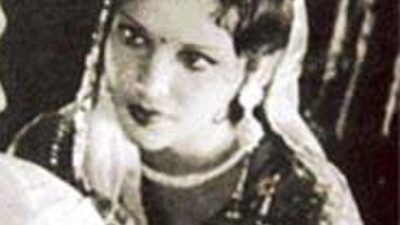
The Girl Named Eileenगौहर जान की कहानी किसी मुगल दरबार या संगीत विद्यालय में नहीं, बल्कि उत्तर प्रदेश के छोटे कस्बे आज़मगढ़ में शुरू होती है, जहाँ 26 जून, 1873 को आइलीन एंजेलिना येवार्ड का जन्म हुआ था। उनके पिता विलियम रॉबर्ट येवार्ड आर्मीनियाई-ईसाई वंश के थे। उनकी माता विक्टोरिया हेमिंग्स पहले से ही संगीत प्रतिभा दिखा रही थीं जो उनकी बेटी के भाग्य को आकार देगी। जब विक्टोरिया ने विलियम को छोड़ा, तो वह छोटी आइलीन को बनारस ले गईं — भारत की आध्यात्मिक और संगीत की राजधानी। वहाँ विक्टोरिया ने इस्लाम में धर्मांतरण किया, मल्का जान ('जीवन की रानी') नाम अपनाया, और पेशेवर संगीत की दुनिया में प्रवेश किया। छोटी आइलीन का नाम गौहर जान रखा गया — 'गौहर' का अर्थ है 'मणि' या 'सार'। यह पुनर्निर्माण — आइलीन से गौहर तक, आज़मगढ़ से बनारस से कलकत्ता तक, ईसाई से मुस्लिम तक — सीमाओं के पार रहने वाले जीवन का पैटर्न स्थापित करेगा। गौहर जान औपनिवेशिक भारतीय समाज द्वारा खींची गई हर पंक्ति को पार करेंगी: धर्म के बीच, भाषाओं के बीच, उच्च कला और लोकप्रिय मनोरंजन के बीच, परंपरागत और आधुनिक के बीच।
अंग्रेज़ी में पढ़ें · Read in English
The story of Gauhar Jaan begins not in a Mughal court or a music school, but in the small town of Azamgarh in Uttar Pradesh, where a girl named Eileen Angelina Yeoward was born on June 26, 1873. Her father, William Robert Yeoward, was of Armenian-Christian descent. Her mother, Victoria Hemmings, was already showing signs of the musical talent that would shape her daughter's destiny.
When Victoria separated from William, she took young Eileen to Banaras — the spiritual and musical capital of India. There, Victoria converted to Islam, took the name Malka Jaan ('Queen of Life'), and entered the world of professional music. Little Eileen was renamed Gauhar Jaan — 'Gauhar' meaning 'jewel' or 'essence.'
This reinvention — from Eileen to Gauhar, from Azamgarh to Banaras to Calcutta, from Christian to Muslim — would set the pattern for a life lived across boundaries. Gauhar Jaan would cross every line that colonial Indian society drew: between religions, between languages, between high art and popular entertainment, between the traditional and the modern.
गुरुओं के अधीन प्रशिक्षण
Training Under the Mastersगौहर जान की संगीत शिक्षा अपनी व्यापकता में असाधारण थी। उन्होंने बिंदादिन महाराज और कलका प्रसाद के अधीन कथक नृत्य में प्रशिक्षण लिया — लखनऊ कथक घराने के संस्थापक। मुखर संगीत में, उन्होंने पटियाला घराने के उस्ताद अली बक्श और रामपुर-सहसवान घराने के उस्ताद वज़ीर ख़ान के अधीन अध्ययन किया। उन्होंने लखनऊ और बनारस के वंशानुगत संगीतकारों से ठुमरी में महारत हासिल की, और चरण दास से बंगाली कीर्तन सीखा। यह विविध प्रशिक्षण एक अतुलनीय बहुमुखी संगीतकार को तैयार करता है। वह भारी शास्त्रीय ख़्याल, जटिल हल्के-शास्त्रीय ठुमरी और दादरा, साहित्यिक ग़ज़ल, भक्तिपूर्ण भजन, लयबद्ध तराने, और यहाँ तक कि अंग्रेजी में पश्चिमी गीत भी प्रदर्शन कर सकती थीं। कहा जाता है कि वह 20 से अधिक भाषाओं में धाराप्रवाह थीं।
अंग्रेज़ी में पढ़ें · Read in English
Gauhar Jaan's musical education was extraordinary in its breadth. She trained in Kathak dance under Bindadin Maharaj and Kalka Prasad — founders of the Lucknow gharana of Kathak. In vocal music, she studied under Ustad Ali Baksh of the Patiala gharana and Ustad Vazir Khan of the Rampur-Sahaswan gharana. She mastered thumri from the hereditary musicians of Lucknow and Banaras, and learned Bengali kirtan from Charan Das.
This eclectic training produced a musician of unmatched versatility. She could perform heavy classical khayal, the intricate light-classical thumri and dadra, the literary ghazal, the devotional bhajan, rhythmic taranas, and even Western songs in English. She was said to be fluent in over 20 languages.
कलकत्ता की रानी
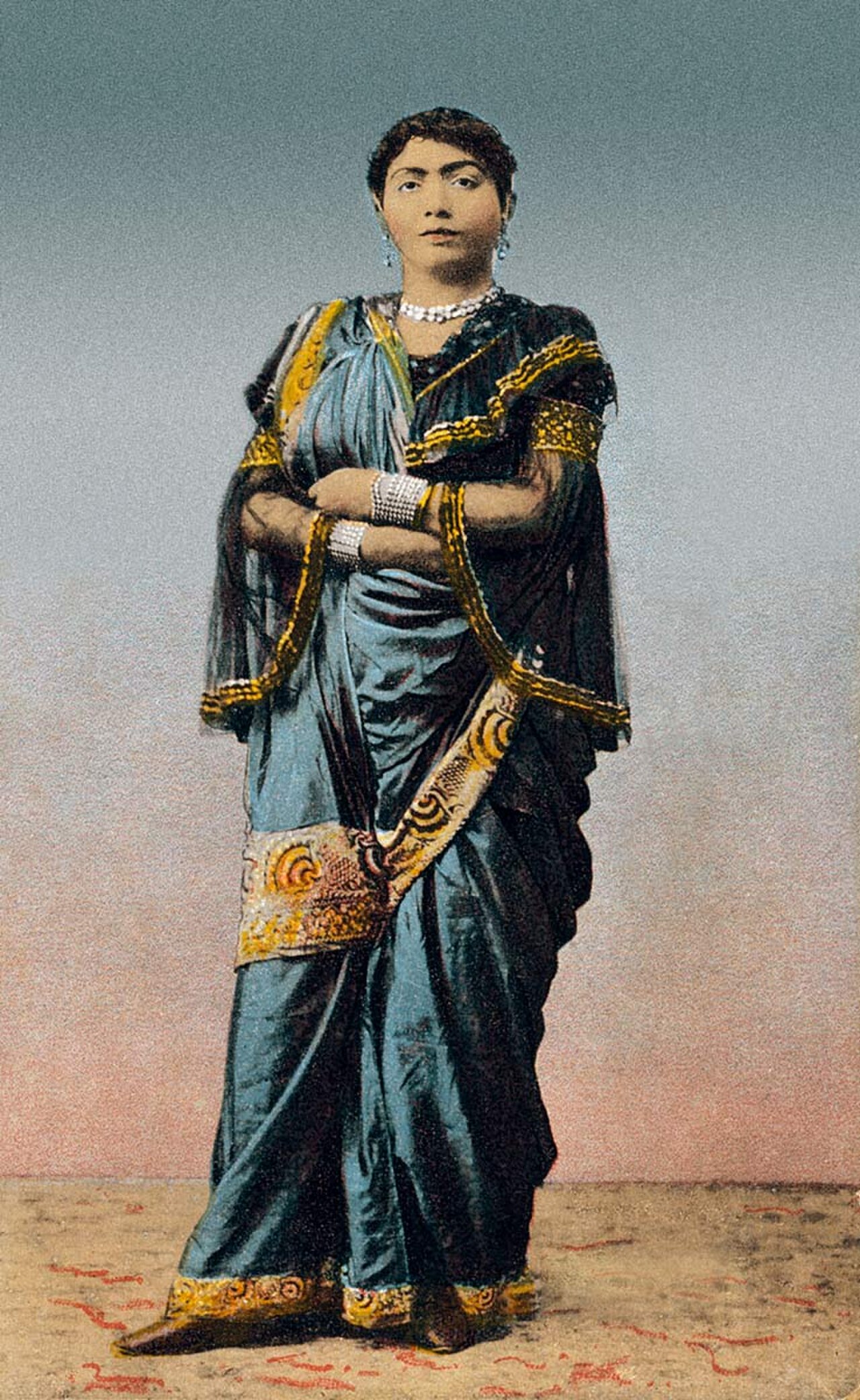
The Queen of Calcutta1890 के दशक तक, गौहर जान कलकत्ता के संगीत दृश्य की निर्विवाद रानी बन गई थीं। वह चितपुर रोड पर अपने हवेली में शानदार जीवन व्यतीत करती थीं — शहर के मनोरंजन जिले की सबसे जीवंत सड़कों में से एक। उनके पास कई घोड़ों वाली गाड़ियाँ थीं, विभिन्न प्रकार के पालतू जानवर रखती थीं, यूरोप से आयातित सबसे बेहतरीन गहने पहनती थीं, और शहर के अभिजात वर्ग द्वारा उपस्थित किंवदंती अनुष्ठान आयोजित करती थीं। उनके प्रदर्शन बहुत बड़ी फीस माँगते थे। जब एक कुशल कार्यकर्ता प्रति माह 10-15 रुपये कमाता था, गौहर जान एक भी महफ़िल के लिए 1,000 से 3,000 रुपये चार्ज करती थीं। धनी ज़मींदार, ब्रिटिश अधिकारी, और कलकत्ता के व्यापारी वर्ग उनके समय के लिए प्रतिस्पर्धा करते थे।
अंग्रेज़ी में पढ़ें · Read in English
By the 1890s, Gauhar Jaan had established herself as the undisputed queen of Calcutta's music scene. She lived lavishly at her mansion on Chitpur Road — one of the most vibrant streets in the city's entertainment district. She owned multiple horse-drawn carriages, kept a menagerie of pets, wore the finest jewels imported from Europe, and hosted legendary soirees attended by the city's elite.
Her performances commanded astronomical fees. At a time when a skilled worker earned Rs. 10-15 per month, Gauhar Jaan charged Rs. 1,000 to Rs. 3,000 for a single mehfil. Wealthy zamindars, British officials, and Calcutta's merchant class competed for her time.
'द ग्रामोफ़ोन गर्ल'
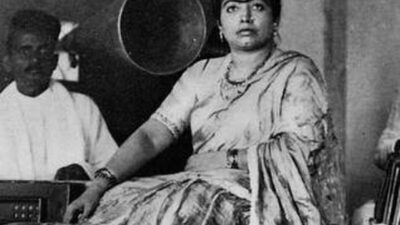
The Gramophone Girlजब गैसबर्ग 1902 में पहुँचे, गौहर जान ने नई तकनीक को उत्साह के साथ अपनाया — कई स्थापित संगीतकारों के विपरीत जो ग्रामोफ़ोन को अपनी गरिमा से नीचे मानते थे। वह समझती थीं, शायद सहज रूप से, कि रिकॉर्डेड संगीत भविष्य का प्रतिनिधित्व करता है। उनकी लगभग 150 रिकॉर्डिंग भारतीय रिकॉर्ड बेस्टसेलर बन गईं, और वह पूरे देश में 'द ग्रामोफ़ोन गर्ल' के नाम से जानी जाने लगीं। उनका प्रसिद्ध हस्ताक्षर — 'माई नेम इज़ गौहर जान!' — केवल अहंकार नहीं था। यह एक जानबूझकर किया गया ब्रांडिंग रणनीति थी, यह सुनिश्चित करते हुए कि श्रोता कभी नहीं भूल सकते कि कौन गा रहा है। एल्बम कवर या संगीत वीडियो के युग से पहले, वह बोली गई हस्ताक्षर उनका चेहरा था, उनका ब्रांड, उनकी अमरता था।
अंग्रेज़ी में पढ़ें · Read in English
When Gaisberg arrived in 1902, Gauhar Jaan embraced the new technology with enthusiasm — in contrast to many established musicians who considered the gramophone beneath their dignity. She understood, perhaps instinctively, that recorded music represented the future. Her approximately 150 recordings became the best-selling Indian records, and she became known across the country as 'The Gramophone Girl.'
Her famous sign-off — 'My name is Gauhar Jaan!' — was more than vanity. It was a deliberate branding strategy, ensuring that listeners could never forget who was singing. In an era before album covers or music videos, that spoken signature was her face, her brand, her immortality.
पतन और पुनः खोज
Decline and Rediscovery1920 के दशक ने बदलाव लाया। फ़िल्म उद्योग उठ रहा था, और इसके साथ संगीत मनोरंजन के नए रूप आए जो तवायफ़ों की सैलून संस्कृति को विस्थापित करते थे। गौहर जान की शानदार जीवनशैली ने भी उनकी वित्तीय स्थिति को नुकसान पहुँचाया था। 1920 के दशक के अंत तक, जो महिला एक बार भारत की सबसे अधिक भुगतान पाने वाली कलाकार थीं, संघर्ष कर रही थीं। 1928 में, वह मैसूर चले गईं, जहाँ प्रबुद्ध महाराज कृष्णराज वडियार IV — जो स्वयं संगीत के संरक्षक थे — ने उन्हें दरबार की संगीतकार के रूप में नियुक्त किया। लेकिन पूर्ण पुनरुद्धार के लिए बहुत देर हो गई थी। गौहर जान का 17 जनवरी, 1930 को मैसूर में अवसान हुआ, संगीत संस्थान द्वारा बहुत हद तक भुला दिया गया। उनकी पुनः खोज संगीत इतिहासकार विक्रम सांपथ के काम के माध्यम से आई, जिनकी 2010 की जीवनी 'माई नेम इज़ गौहर जान!' ने उन्हें भारतीय संगीत इतिहास में उनके सही स्थान पर बहाल किया। 2013 में, गूगल ने उनके 140वें जन्मदिन पर उन्हें डूडल से सम्मानित किया। आज, आर्काइव ऑफ़ इंडियन म्यूज़िक उनकी रिकॉर्डिंग को संरक्षित करता है, यह सुनिश्चित करते हुए कि उनकी आवाज़ नई पीढ़ियों तक पहुँचती रहे।
अंग्रेज़ी में पढ़ें · Read in English
The 1920s brought change. The film industry was rising, and with it came new forms of musical entertainment that displaced the salon culture of the tawaifs. Gauhar Jaan's extravagant lifestyle had also taken its toll on her finances. By the late 1920s, the woman who had once been the highest-paid performer in India was struggling.
In 1928, she moved to Mysore, where the enlightened Maharaja Krishnaraja Wadiyar IV — himself a patron of music — appointed her as a court musician. But it was too late for a full revival. Gauhar Jaan passed away in Mysore on January 17, 1930, largely forgotten by the musical establishment.
Her rediscovery came through the work of music historian Vikram Sampath, whose 2010 biography 'My Name Is Gauhar Jaan!' restored her to her rightful place in Indian music history. In 2013, Google honored her with a Doodle on her 140th birthday. Today, the Archive of Indian Music preserves her recordings, ensuring that her voice continues to reach new generations.
परिचय
IdentityEpithet
ईसाई-आर्मीनियाई परिवार में जन्मीं, भारत की पहली रिकॉर्डिंग स्टार बनीं
Born Christian-Armenian, she became Islam's greatest singer and India's first recording star
कहानी-नमूना
The Story Specimen| शीर्षक | आइलीन से 'द ग्रामोफ़ोन गर्ल' तक: गौहर जान का असाधारण जीवन · From Eileen to The Gramophone Girl: The Extraordinary Life of Gauhar Jaan |
|---|---|
| श्रेणी | लोग |
| प्रकार | जीवनी |
| पाठ-समय | १२ मिनट का पाठ |
| प्रकाशित | 31 March 2026 — admin |
| टैग | gauhar_jaan · biography · tawaif · women_in_music · identity · colonial_india |
और कहानियाँ
More Stories from the Atlas
साझा कीजिए · Share this Plate