कहानियाँ विंग · कहानी · Poetry
मुशायरे से ग्रामोफ़ोन तक: ग़ालिब की कविता मशीन युग में प्रवेश करती है
From Mushairah to Gramophone: Ghalib's Poetry Enters the Machine Age
कैसे मिर्ज़ा ग़ालिब की अमर ग़ज़लें, 1850 के दशक में लिखी गई, पहली बार 1900 के दशक की शुरुआत में ग्रामोफ़ोन पर कैद की गईं।
प्रकाशित31 March 2026 पाठ८ मिनट का पाठ
आमुख
कवि जो रिकॉर्डिंग की उम्मीद नहीं करते थे
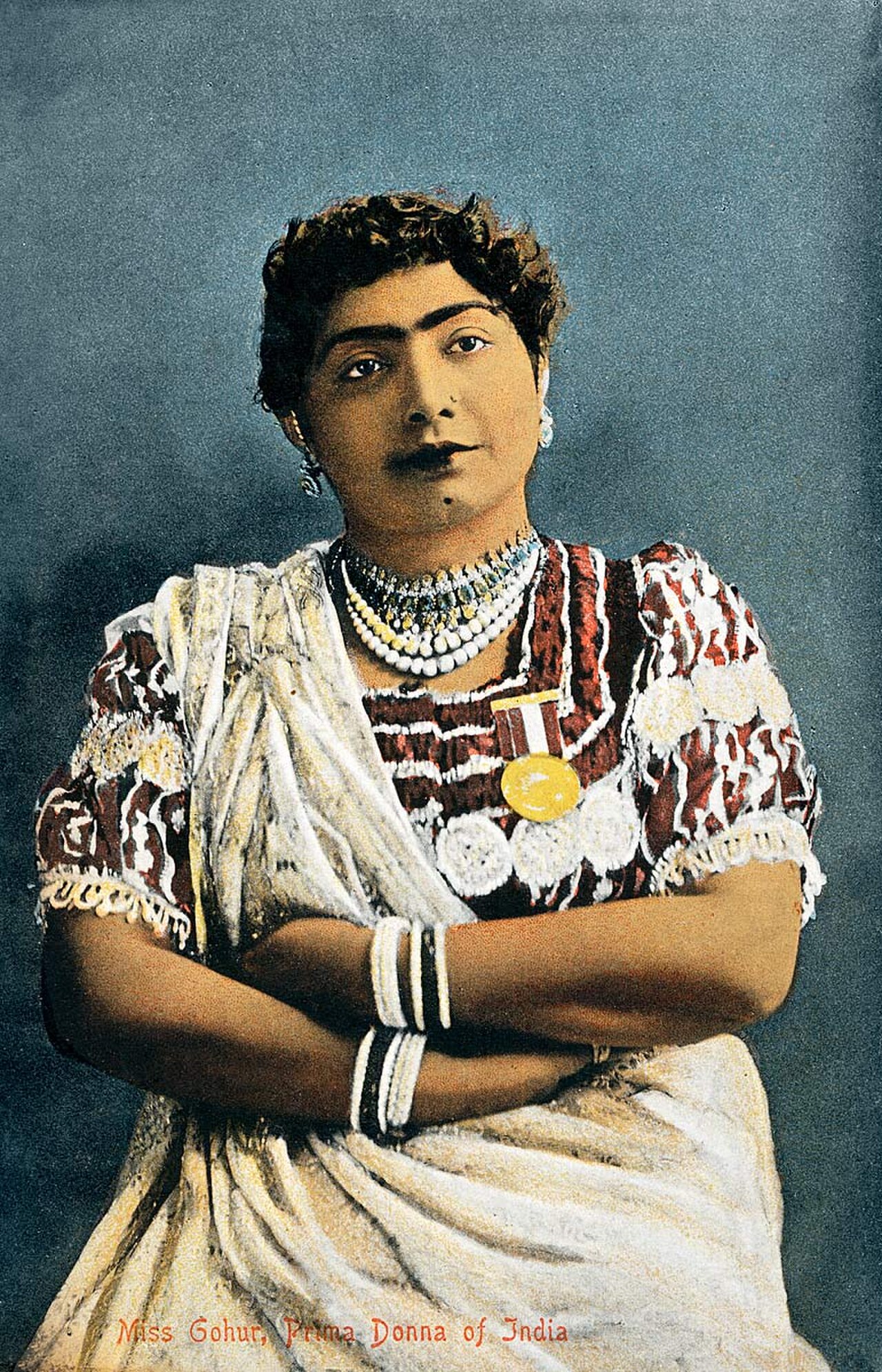
The Poet Who Never Expected Recordingमिर्ज़ा असद उल्लाह ख़ान, साहित्य के लिए ग़ालिब के रूप में जाने जाते हैं, फरवरी 1869 में दिल्ली में मर गए। उन्होंने उर्दू भाषा में कुछ सबसे उत्कृष्ट कविताएँ लिखी थीं — प्रेम, नुकसान, आध्यात्मिक लालसा, और दार्शनिक अंतर्दृष्टि की ग़ज़लें जो साम्राज्यों को जीवित रहती थीं। लेकिन ग्रामोफ़ोन से पहले की सभी कविताओं की तरह, उनकी पंक्तियाँ केवल प्रदर्शन में जीवित थीं — मुशायरे (कविता समूह) में, गायकों और पाठकों की आवाज़ों में, प्रशंसकों द्वारा नकल की गई हस्तलिखित पांडुलिपियों में। ग़ालिब ने स्वयं दिल्ली में सैकड़ों मुशायरे समूहों में भाग लिया था, जहाँ उनकी दोहरियों को पढ़ा, बहस की, सराहना की और आलोचना की जाती थी। ग़ालिब ग्रामोफ़ोन-पूर्व युग में मर गए। वह कभी कल्पना नहीं कर सके कि उनकी मृत्यु के 30 साल बाद, उनकी कविता दुर्लभ पांडुलिपियों में नहीं बल्कि शेलैक डिस्क पर सुलभ खाँचों में संरक्षित होगी, जो किसी भी ग्रामोफ़ोन और 3 रुपये वाले के लिए उपलब्ध होगी।
अंग्रेज़ी में पढ़ें · Read in English
Mirza Asad Ullah Khan, known to literature as Ghalib, died in Delhi in February 1869. He had written some of the most exquisite poetry in the Urdu language — ghazals of love, loss, spiritual longing, and philosophical insight that would outlive empires. But like all poetry before the gramophone, his verses lived only in performance — in the mushairah (poetry gathering), in the voices of singers and reciters, in handwritten manuscripts copied by admirers. Ghalib himself had participated in hundreds of mushairah gatherings in Delhi, where his couplets would be recited and debated, applauded and critiqued.
Ghalib died in the pre-gramophone era. He could never have imagined that 30 years after his death, his poetry would be preserved not in rare manuscripts but in accessible grooves on a shellac disc, available to anyone with a gramophone and 3 rupees.
मुशायरा परंपरा
The Mushairah Tradition18वीं और 19वीं सदियों में, मुशायरा उर्दू कविता की सर्वोच्च संस्था थी। कवि भव्य सैलूनों में जमा होते थे — महलों में, धनी व्यापारियों के घरों में, सार्वजनिक हॉलों में। शिक्षित श्रोताओं का एक समूह सुनता था क्योंकि कवि अपने नवीनतम दोहरियों को पढ़ते थे। परंपरा में विस्तृत नियम थे: प्रत्येक कवि आमतौर पर एक से तीन दोहरियाँ (शेर) का योगदान देता था, और दर्शक प्रशंसा या आलोचना के साथ प्रतिक्रिया करते थे। ग़ालिब जैसे महान कवि अकेले अपनी उपस्थिति से एक मुशायरे को नियंत्रित कर सकते थे। एक ग़ालिब दोहरी को सदमे, प्रशंसा की फुसफुसाहट, और तीव्र चर्चा के साथ प्राप्त किया जाता था। मुशायरा एक जीवंत, साँस लेने वाली प्रदर्शन परंपरा थी। यह भी, अपरिहार्य रूप से, अनन्त था। एक बार पढ़ा जाने के बाद, जब तक कोई श्रोता श्लोकों को नीचे नहीं लिखता, वे हमेशा के लिए खो सकते थे। ग़ालिब की कुछ शेरें पांडुलिपियों में संरक्षित थीं, लेकिन कई केवल उन लोगों की यादों में मौजूद थीं जिन्होंने उन्हें सुना था। मुशायरा तात्कालिक, मौखिक, वर्तमान क्षण को प्राथमिकता देता था। यह संरक्षण नहीं कर सकता था।
अंग्रेज़ी में पढ़ें · Read in English
In the 18th and 19th centuries, the mushairah was the supreme institution of Urdu poetry. Poets would gather in grand salons — in palaces, in wealthy merchants' homes, in public halls. An assembled audience of educated listeners would listen as poets recited their latest couplets. The tradition had elaborate rules: each poet would typically contribute one to three couplets (shers), and the audience would respond with appreciation or criticism. Great poets like Ghalib could command a mushairah with their presence alone. A Ghalib couplet would be received with gasps, whispers of appreciation, and intense discussion.
The mushairah was a living, breathing performance tradition. It was also, inevitably, ephemeral. Once recited, unless a listener wrote down the verses, they might be lost forever. Some of Ghalib's shers were preserved in manuscripts, but many existed only in the memories of those who heard them. The mushairah privileged the immediate, the oral, the present moment. It could not preserve.
रिकॉर्डिंग सत्र
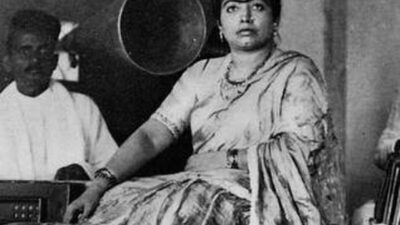
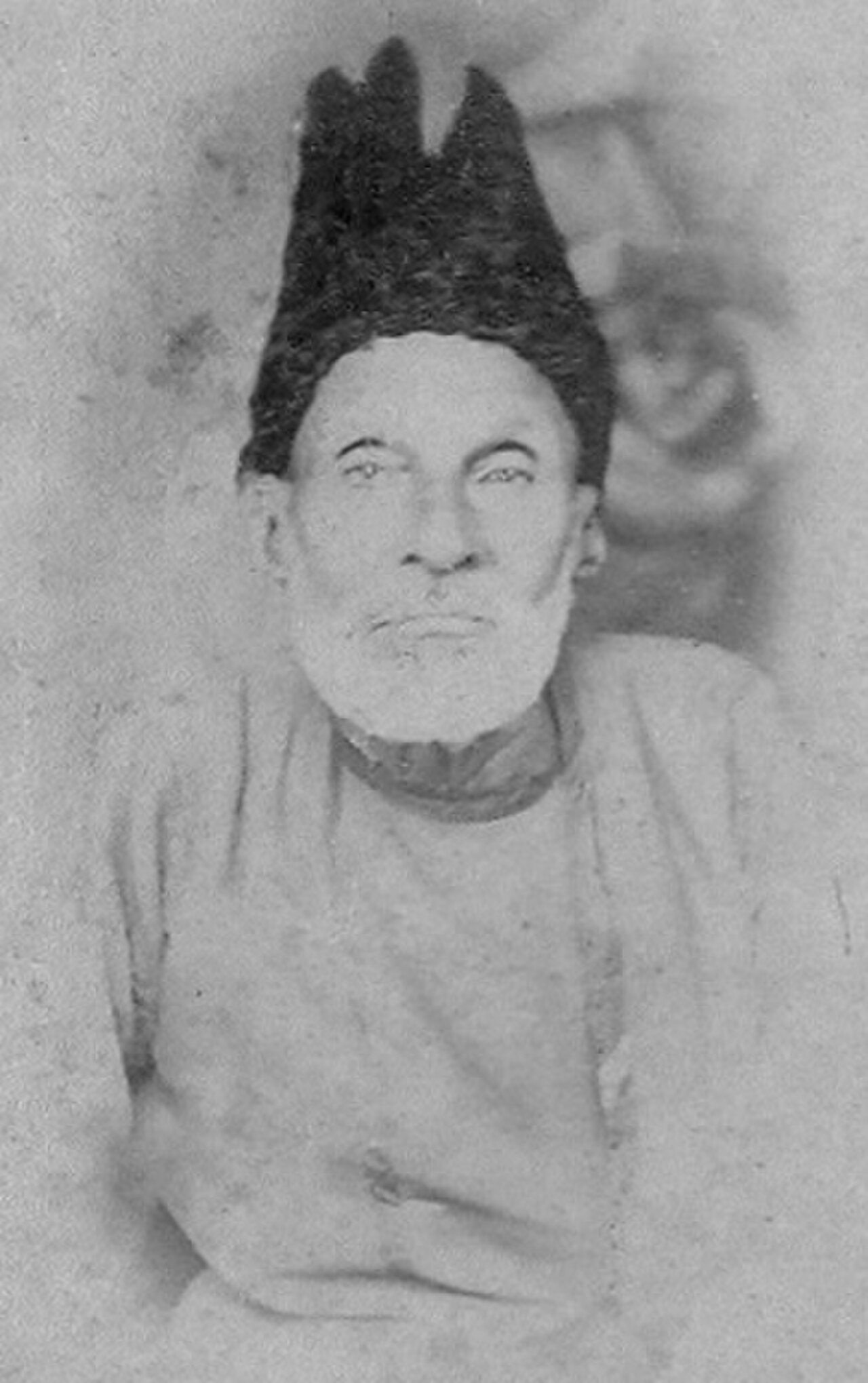
The Recording Session1903 की शुरुआत में, भारत में ग्रामोफ़ोन कंपनियों ने प्रसिद्ध ग़ज़लों की रिकॉर्डिंग का आयोजन किया। पेशेवर गायक जो ग़ज़ल पाठ में माहिर थे, रिकॉर्डिंग स्टूडियो में लाए गए (अक्सर होटल कमरे, जैसे गौहर जान की तरह)। इन गायकों को ग़ालिब की सबसे प्रसिद्ध दोहरियों को प्रदर्शन करने के लिए कहा गया — श्लोक जो उन्होंने 50 साल पहले लिखे थे। गायक शास्त्रीय ख़्याल-व्युत्पन्न शैली में ग़ज़लों का प्रदर्शन करते, हर शब्द को खींचते, भावनात्मक और मेलोडिक सूक्ष्मता पर ज़ोर देते। ग्रामोफ़ोन ने इन प्रदर्शनों को संपूर्ण रूप से कैप्चर किया, पहली बार ग़ालिब के शब्दों को पांडुलिपि में नहीं बल्कि ध्वनिक रूप में संरक्षित किया। इस प्रक्रिया के बारे में उल्लेखनीय बात यह थी कि यह स्थायी था। अनन्त मुशायरे के विपरीत, जहाँ एक दोहरी केवल स्मृति और मौखिक परंपरा में रहती थी, ग्रामोफ़ोन रिकॉर्ड ने ग़ालिब की कविता की एक विशेष व्याख्या को समय में स्थिर कर दिया। भविष्य के श्रोता ग़ालिब की अपनी आवाज़ नहीं सुनेंगे (वह 30+ साल से मर चुका था) बल्कि एक विशिष्ट गायक की उसके शब्दों की व्याख्या सुनेंगे। यह कलात्मक स्वामित्व और व्याख्या के बारे में गहन सवाल उठाता था — सवाल जो आज तक अनसुलझे हैं।
अंग्रेज़ी में पढ़ें · Read in English
In early 1903, gramophone companies in India commissioned recordings of famous ghazals. Professional singers who specialized in ghazal recitation were brought into recording studios (often hotel rooms, as with Gauhar Jaan). These singers were asked to perform Ghalib's most famous couplets — verses he had written 50 years earlier. The singers would perform the ghazals in the classical khyal-derived style, drawing out each word, emphasizing emotional and melodic nuance. The gramophone captured these performances in their entirety, for the first time preserving Ghalib's words not in manuscript but in acoustic form.
What was remarkable about this process was that it was permanent. Unlike the ephemeral mushairah, where a couplet lived only in the memory and oral tradition, the gramophone record froze a particular interpretation of Ghalib's poetry in time. Future listeners would hear not Ghalib's own voice (he had been dead for 30+ years) but a specific singer's version of his words. This raised profound questions about artistic ownership and interpretation — questions that remain unresolved to this day.
कविता संरक्षित, व्याख्या निर्धारित
Poetry Preserved, Interpretation Fixedग्रामोफ़ोन से पहले, ग़ालिब की ग़ज़लें व्याख्या के एक पारिस्थितिकी में रहती थीं। हर गायक जो एक ग़ालिब दोहरी को प्रदर्शन करता था, अपनी कलात्मकता, अपनी भावनात्मक समझ जोड़ता था। ग़ालिब के युग के एक गायक खोए हुए प्रेम के बारे में एक दोहरी को एक विशेष राग और संगीत शैली के साथ गा सकते थे; 50 साल बाद, एक अलग गायक एक पूरी तरह से अलग राग में एक ही दोहरी की व्याख्या कर सकते थे, विभिन्न भावनात्मक ज़ोर के साथ। यह परिवर्तनशीलता एक कीड़ा नहीं था — यह एक विशेषता थी। यह कविता की जीवंत परंपरा थी। ग्रामोफ़ोन ने यह बदल दिया। एक बार रिकॉर्डिंग बनाने के बाद, यह कई श्रोताओं के लिए निश्चित संस्करण बन गया। जब एक श्रोता ग्रामोफ़ोन पर ग़ालिब की ग़ज़लें सुनते थे, तो वह मुशायरा परंपरा की अनंत भिन्नताओं को नहीं सुन रहा था — वह एक विशेष व्याख्या सुन रहा था, समय में स्थिर। यह कुछ मायनों में एक नुकसान था (व्याख्यात्मक परंपरा की मृत्यु) लेकिन दूसरों में लाभ (संरक्षण और सुलभता)। ग़ालिब की कविता, जो दिल्ली के सैलूनों में रहती थी, अब पूरे भारत के मध्यम वर्गीय श्रोताओं के घरों में रहती थी। जीवंत परंपरा और स्थायी रिकॉर्ड के बीच व्यापार-बंद 20वीं सदी को परिभाषित करेगा।
अंग्रेज़ी में पढ़ें · Read in English
Before gramophone, Ghalib's ghazals lived in an ecology of interpretation. Every singer who performed a Ghalib couplet added their own artistry, their own emotional understanding. A singer of Ghalib's era might sing a couplet about lost love with a particular raag and musical style; 50 years later, a different singer might interpret the same couplet in an entirely different raag, with different emotional emphasis. This variability was not a bug — it was a feature. It was the living tradition of poetry.
The gramophone changed this. Once a recording was made, it became the definitive version for many listeners. When a listener heard Ghalib's ghazals on gramophone, they were not hearing the infinite variations of the mushairah tradition — they were hearing one specific interpretation, frozen in time. This was a loss in some ways (the death of interpretive tradition) but a gain in others (preservation and accessibility). Ghalib's poetry, which had lived in the salons of Delhi, now lived in the homes of middle-class listeners across India. The trade-off between living tradition and permanent record would define the 20th century.
परिचय
IdentityEpithet
कैसे मिर्ज़ा ग़ालिब की अमर ग़ज़लें, 1850 के दशक में लिखी गई, पहली बार 1900 के दशक की शुरुआत में ग्रामोफ़ोन पर कैद की गईं।
How Mirza Ghalib's immortal ghazals, written in the 1850s, were first captured on gramophone in the early 1900s. The transition from oral/mushairah to recorded medium.
कहानी-नमूना
The Story Specimen| शीर्षक | मुशायरे से ग्रामोफ़ोन तक: ग़ालिब की कविता मशीन युग में प्रवेश करती है · From Mushairah to Gramophone: Ghalib's Poetry Enters the Machine Age |
|---|---|
| श्रेणी | Poetry |
| प्रकार | निबंध |
| पाठ-समय | ८ मिनट का पाठ |
| प्रकाशित | 31 March 2026 — admin |
| टैग | 1903 · ghalib · ghazal · gramophone · mushairah · poetry · recorded_poetry |
इस कहानी में
In This Story · The Cast & Its Platesकहानी में आए नामों के अटलस में अपने पन्ने हैं — यहीं से यात्रा जारी रखिए।
विधाएँ-सूत्र · Vidhas
और कहानियाँ
More Stories from the Atlas
साझा कीजिए · Share this Plate