कहानियाँ विंग · कहानी · गीत
रस के भरे तोरे नैन: भारत की सबसे प्रिय ठुमरी की 120 साल की यात्रा
Ras Ke Bhare Tore Nain: The 120-Year Journey of India's Most Beloved Thumri
गौहर जान के 1902 ग्रामोफ़ोन से बेगम अख़्तर के रेडियो प्रसारण से आशा भोसले की फ़िल्मों तक — एक गीत की अविश्वसनीय सदी भर की यात्रा
प्रकाशित31 March 2026 पाठ७ मिनट का पाठ
आमुख
मूल गीत
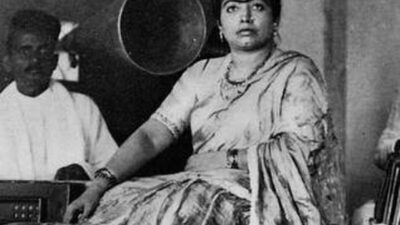
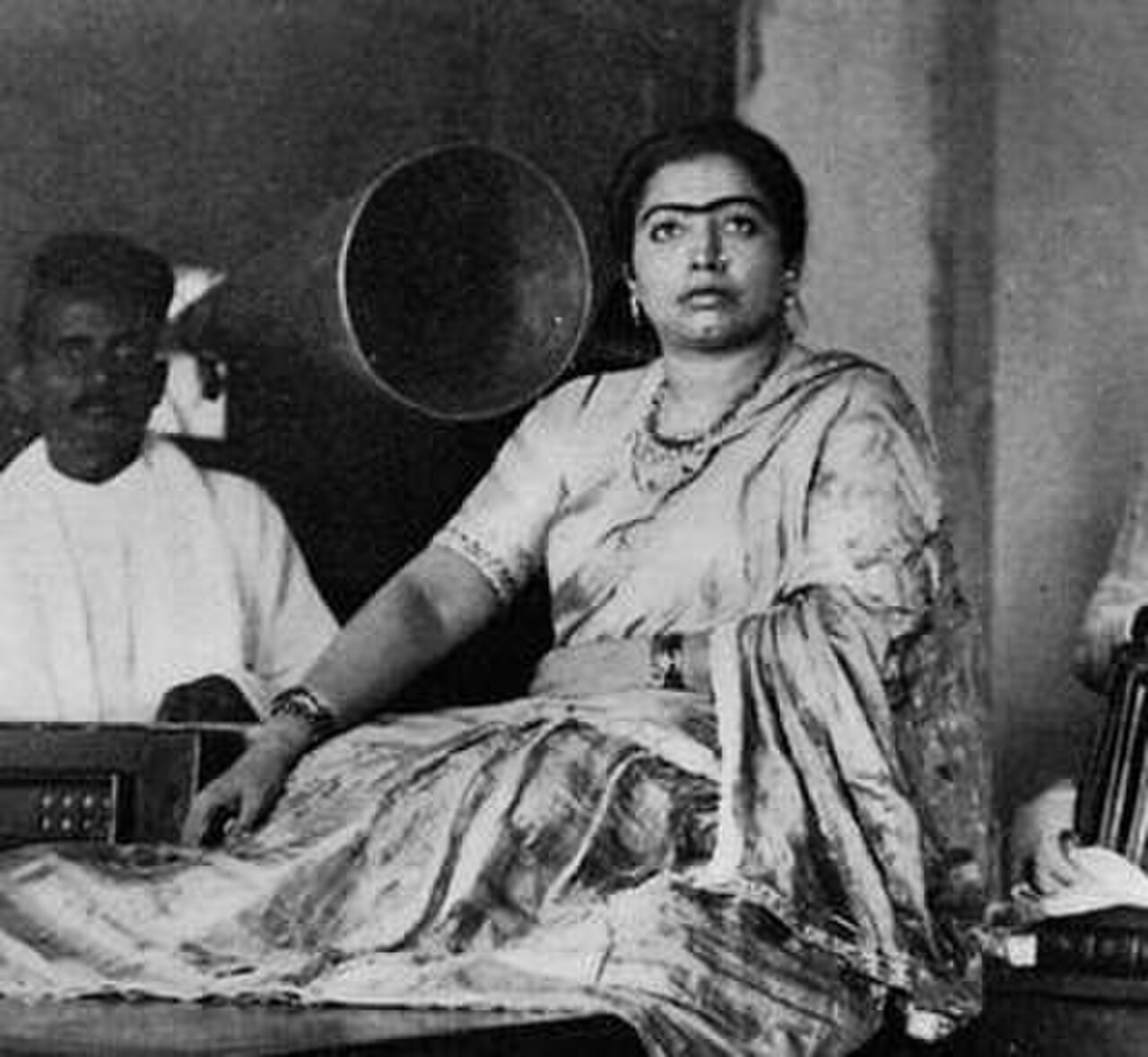
The Originalजब गौहर जान ने नवंबर 1902 में 'रस के भरे तोरे नैन' रिकॉर्ड किया, वह एक पुरानी ठुमरी को संरक्षित कर रही थीं। राग भैरवी में स्थापित — हिंदुस्तानी संगीत में सबसे बहुमुखी और भावनात्मक रूप से समृद्ध राग — गीत आँखों के रूप के रस (सौंदर्यात्मक सार, अमृत, भावना) से भरे होने का रूपक का उपयोग करके रोमांटिक लालसा व्यक्त करता है। रिकॉर्डिंग ठुमरी गायन की पूरब अंग (पूर्वी शैली) को कैप्चर करती है: अलंकरणीय विस्तार के माध्यम से भावनात्मक गहराई, मेलोडिक भिन्नता के माध्यम से पाठ-चित्रकारी, और हस्ताक्षर 'बोल-बनाव' तकनीक जहाँ गीत का हर शब्द कई मेलोडिक कोणों से अन्वेषण किया जाता है।
अंग्रेज़ी में पढ़ें · Read in English
When Gauhar Jaan recorded 'Ras Ke Bhare Tore Nain' in November 1902, she was preserving a thumri that was already old. Set in Raag Bhairavi — the most versatile and emotionally rich raag in Hindustani music — the song uses the metaphor of eyes brimming with ras (aesthetic essence, nectar, emotion) to express romantic longing.
The recording captures the Purab ang (Eastern style) of thumri singing: emotional depth through ornamental elaboration, text-painting through melodic variation, and the signature 'bol-banao' technique where each word of the lyric is explored from multiple melodic angles.
उत्तराधिकारियाँ
The Inheritors1950 के दशक में, बेगम अख़्तर — आज़ादी के बाद के युग में ग़ज़ल और ठुमरी की निर्विवाद रानी — ने 'रस के भरे तोरे नैन' को अपना बनाया। उनका संस्करण, ऑल इंडिया रेडियो पर बार-बार प्रसारित, लाखों मध्यम वर्गीय भारतीय घरों में ठुमरी का परिचय दिया। जहाँ गौहर जान के संस्करण में सैलून प्रदर्शन की अंतरंग गहनता थी, वहीं बेगम अख़्तर के संस्करण में कॉन्सर्ट मंच की परिष्कृत सुंदरता थी। बनारस की गिरिजा देवी ने 1970 के दशक में अपने संस्करण के साथ पूरब अंग को फिर से सामने लाया। शोभा गुर्तु ने 1980 के दशक में अपनी विशिष्ट मराठी-प्रभावित अलंकरणीय शैली जोड़ी। प्रत्येक महान कलाकार ने एक ही शब्द और मेलोडी में नए आयाम खोजे।
अंग्रेज़ी में पढ़ें · Read in English
In the 1950s, Begum Akhtar — the undisputed queen of ghazal and thumri in the post-Independence era — made 'Ras Ke Bhare Tore Nain' her own. Her version, broadcast repeatedly on All India Radio, introduced the thumri to millions of middle-class Indian homes. Where Gauhar Jaan's version had the intimate intensity of a salon performance, Begum Akhtar's version had the refined elegance of the concert stage.
Girija Devi of Banaras brought the Purab ang back to the forefront with her version in the 1970s. Shobha Gurtu added her distinctive Marathi-influenced ornamental style in the 1980s. Each great artist found new dimensions in the same words and melody.
आधुनिक युग में
Into the Modern Ageआशा भोसले के फ़िल्म-प्रभावित संस्करण ने ठुमरी को सबसे विस्तृत दर्शकों तक पहुँचाया। राशिद ख़ान की पुरुष मुखर व्याख्या ने दर्शाया कि गीत की भावनात्मक सामग्री लिंग को पार करती है। आर्काइव ऑफ़ इंडियन म्यूज़िक का गौहर जान के मूल का डिजिटाइज़्ड संस्करण, साउंडक्लाउड पर उपलब्ध, ठुमरी को पूर्ण वृत्त में लाया है — आधुनिक श्रोता अब सबसे पहली रिकॉर्डेड संस्करण को उसके सभी वंशजों के साथ सुन सकते हैं। 120+ वर्षों में, 'रस के भरे तोरे नैन' हिंदुस्तानी संगीत की जीवंतता का जीवंत प्रमाण रहा है। प्रत्येक पीढ़ी भावना के अमृत से भरी आँखों के बारे में इसके कालजयी शब्दों में नया अर्थ खोजती है।
अंग्रेज़ी में पढ़ें · Read in English
Asha Bhosle's film-influenced version brought the thumri to the widest possible audience. Rashid Khan's male vocal interpretation demonstrated that the song's emotional content transcends gender. The Archive of Indian Music's digitized version of Gauhar Jaan's original, available on SoundCloud, has brought the thumri full circle — modern listeners can now hear the very first recorded version alongside all its descendants.
Across 120+ years, 'Ras Ke Bhare Tore Nain' has been a living testament to the vitality of Hindustani music. Each generation finds new meaning in its timeless words about eyes filled with the nectar of emotion.
परिचय
IdentityEpithet
गौहर जान के 1902 ग्रामोफ़ोन से बेगम अख़्तर के रेडियो प्रसारण से आशा भोसले की फ़िल्मों तक — एक गीत की अविश्वसनीय सदी भर की यात्रा
From Gauhar Jaan's 1902 gramophone to Begum Akhtar's radio broadcasts to Asha Bhosle's films — one song's incredible journey across a century
कहानी-नमूना
The Story Specimen| शीर्षक | रस के भरे तोरे नैन: भारत की सबसे प्रिय ठुमरी की 120 साल की यात्रा · Ras Ke Bhare Tore Nain: The 120-Year Journey of India's Most Beloved Thumri |
|---|---|
| श्रेणी | गीत |
| प्रकार | विशेष लेख |
| पाठ-समय | ७ मिनट का पाठ |
| प्रकाशित | 31 March 2026 — admin |
| टैग | ras_ke_bhare · thumri · bhairavi · covers · music_evolution · gauhar_jaan · begum_akhtar |
इस कहानी में
In This Story · The Cast & Its Platesकहानी में आए नामों के अटलस में अपने पन्ने हैं — यहीं से यात्रा जारी रखिए।
विधाएँ-सूत्र · Vidhas
राग-सूत्र · Raags
और कहानियाँ
More Stories from the Atlas
साझा कीजिए · Share this Plate