कहानियाँ विंग · कहानी · संस्कृति
वो तवायफ़ें जिन्होंने भारतीय शास्त्रीय संगीत को बचाया
The Tawaifs Who Saved Indian Classical Music
कैसे पेशेवर महिला संगीतकार औपनिवेशिक काल में हिंदुस्तानी शास्त्रीय संगीत की अनकही संरक्षक बनीं
प्रकाशित31 March 2026 पाठ१० मिनट का पाठ
आमुख
रूढ़िवादिता से परे
Beyond Stereotypes'तवायफ़' शब्द का अक्सर 'गणिका' या इससे भी बदतर 'वेश्या' के रूप में गलत अनुवाद किया जाता है। वास्तविकता बहुत अधिक सूक्ष्म थी। तवायफ़ें पेशेवर प्रदर्शन कलाकार थीं — कठोर प्रशिक्षित गायक, नर्तक, और कवि जो पूर्व-औपनिवेशिक और औपनिवेशिक भारत में एक जटिल सामाजिक स्थिति में थीं। वे हिंदुस्तानी संगीत के प्राथमिक संरक्षक थीं, शास्त्रीय परंपराओं को बनाए रखते और प्रेषित करते थे जिन्हें वंशानुगत घराने प्रणाली के पुरुष संगीतकार कभी-कभी ईष्या से पहरेदारी करते थे। 1902 में, जब फ़्रेड गैसबर्ग भारतीय संगीत रिकॉर्ड करने आए, तो अत्यधिक तवायफ़ें सामने आईं। महान घरानों के पुरुष उस्ताद अक्सर रिकॉर्ड करने से इनकार करते थे, इसे अपनी गरिमा से नीचे मानते थे। तवायफ़ें — उद्यमी, अनुकूल, और व्यावसायिक रूप से दक्ष — नई तकनीक को अपनाते थे।
अंग्रेज़ी में पढ़ें · Read in English
The word 'tawaif' is often mistranslated as 'courtesan' or, worse, 'prostitute.' The reality was far more nuanced. Tawaifs were professional performing artists — rigorously trained singers, dancers, and poets who occupied a complex social position in pre-colonial and colonial India. They were the primary custodians of Hindustani music, maintaining and transmitting classical traditions that male musicians of the hereditary gharana system sometimes guarded jealously.
In 1902, when Fred Gaisberg came to record Indian music, it was overwhelmingly the tawaifs who stepped forward. Male ustads of the great gharanas often refused to record, considering it beneath their dignity. The tawaifs — entrepreneurial, adaptable, and commercially astute — embraced the new technology.
वह संगीत जिसे उन्होंने संरक्षित किया
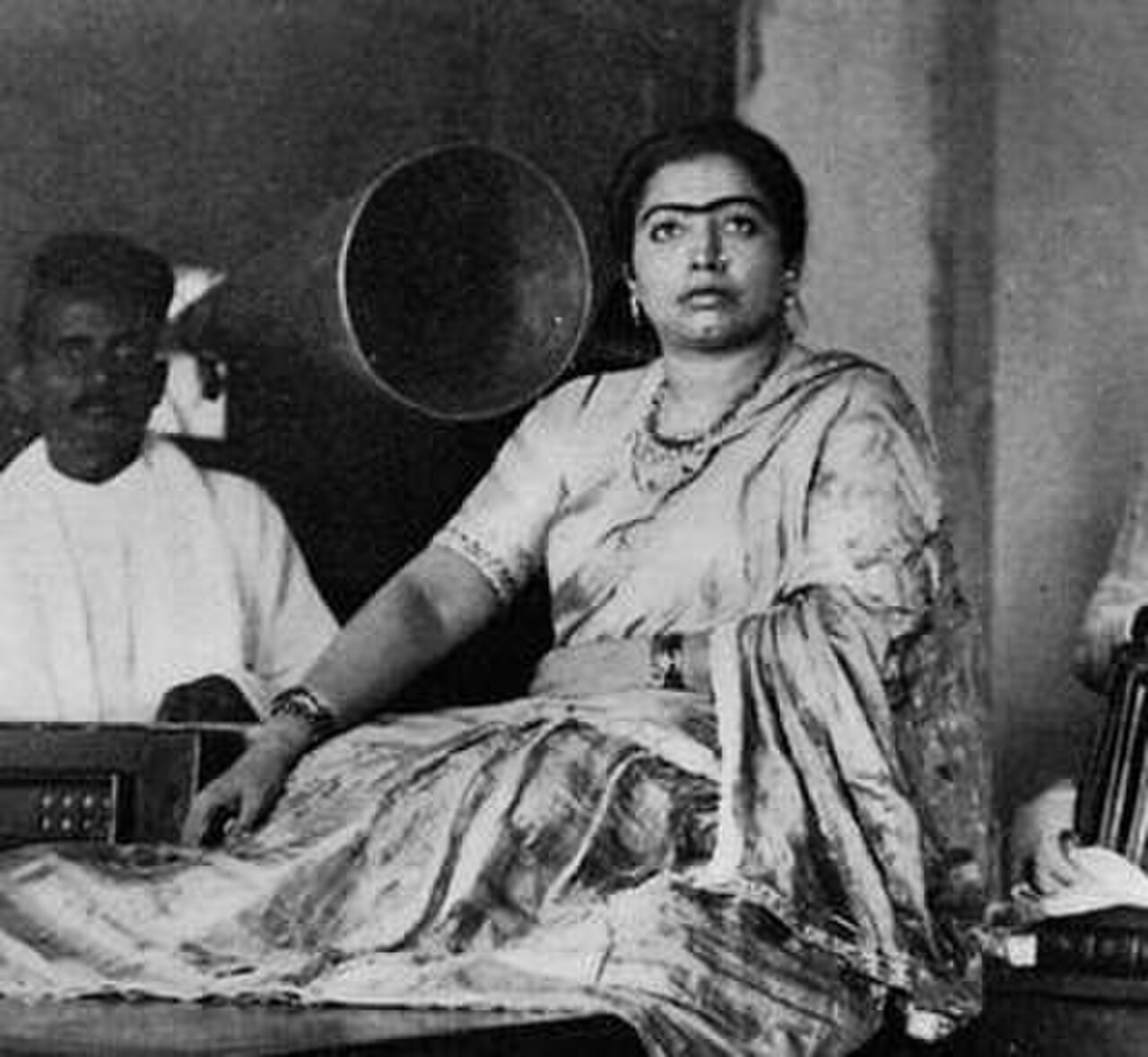
The Music They Preservedठुमरी परंपरा — उत्तर भारतीय हल्के-शास्त्रीय संगीत का रत्न — मुख्य रूप से तवायफ़ वंश के माध्यम से प्रेषित किया गया था। दादरा, ग़ज़ल गायन, कथक नृत्य, और मुजरा की कला के लिए भी यही सत्य है। तवायफ़ों के बिना, ये कला रूप औपनिवेशिकवाद के उथल-पुथल के दौरान पूरी तरह खो गए होते। गौहर जान की रिकॉर्डिंग ठुमरी, दादरा, ग़ज़लें, भजन, तराने, ख़्याल, और यहाँ तक कि अंग्रेजी में पश्चिमी गीत भी संरक्षित करती हैं। तवायफ़ परंपरा द्वारा माँगी गई प्रशिक्षण की असाधारण व्यापकता का प्रमाण। सैला बाई की तराने लयबद्ध मुखर कला को संरक्षित करती हैं जो कलकत्ता सैलून परंपरा की विशेषता थी।
अंग्रेज़ी में पढ़ें · Read in English
The thumri tradition — the jewel of North Indian light-classical music — was primarily transmitted through the tawaif lineage. The same is true of dadra, ghazal singing, Kathak dance, and the art of the mujra. Without the tawaifs, these art forms might have been lost entirely during the upheaval of colonialism.
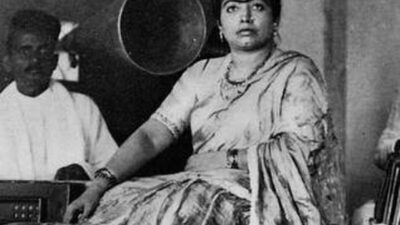
Gauhar Jaan's recordings preserve thumris, dadras, ghazals, bhajans, taranas, khayals, and even Western songs in English. A testament to the extraordinary breadth of training that the tawaif tradition demanded. Saila Bai's taranas preserve the rhythmic vocal art that was a specialty of the Calcutta salon tradition.
मिटा देना और पुनः खोज
Erasure and Rediscovery19वीं और 20वीं सदी की शुरुआत की एंटी-नौतच आंदोलन — भारतीय सामाजिक सुधारकों और ब्रिटिश औपनिवेशिक नैतिकता दोनों द्वारा संचालित — ने व्यवस्थित रूप से तवायफ़ परंपरा को नष्ट कर दिया। महिलाओं को कलंकित किया गया, उनकी कला रूपों को 'सम्मानजनक' कलाकारों द्वारा अनुकूलित किया गया, और भारतीय संगीत में उनके योगदान को जानबूझकर ऐतिहासिक रिकॉर्ड से मिटा दिया गया। यह केवल 20वीं सदी के अंत में था कि विद्वानों ने संगीत इतिहास में तवायफ़ों को उनके सही स्थान पर बहाल करना शुरू किया। विक्रम सांपथ की गौहर जान की जीवनी, आर्काइव ऑफ़ इंडियन म्यूज़िक का संरक्षण कार्य, और शैक्षणिक अध्ययन ने धीरे-धीरे उनके योगदान के वास्तविक पैमाने को प्रकट किया है। आज हर हिंदुस्तानी शास्त्रीय कॉन्सर्ट, हर बॉलीवुड ठुमरी, हर कथक मंचन तवायफ़ परंपरा का डीएनए रखता है।
अंग्रेज़ी में पढ़ें · Read in English
The Anti-Nautch Movement of the late 19th and early 20th century — driven by both Indian social reformers and British colonial morality — systematically dismantled the tawaif tradition. The women were stigmatized, their art forms appropriated by 'respectable' performers, and their contribution to Indian music deliberately erased from the historical record.
It was only in the late 20th century that scholars began to restore the tawaifs to their rightful place in music history. Vikram Sampath's biography of Gauhar Jaan, the Archive of Indian Music's preservation work, and academic studies have gradually revealed the true scale of their contribution. Every Hindustani classical concert today, every Bollywood thumri, every Kathak recital carries the DNA of the tawaif tradition.
परिचय
IdentityEpithet
कैसे पेशेवर महिला संगीतकार औपनिवेशिक काल में हिंदुस्तानी शास्त्रीय संगीत की अनकही संरक्षक बनीं
How professional women musicians became the unsung custodians of Hindustani classical music during the colonial era
कहानी-नमूना
The Story Specimen| शीर्षक | वो तवायफ़ें जिन्होंने भारतीय शास्त्रीय संगीत को बचाया · The Tawaifs Who Saved Indian Classical Music |
|---|---|
| श्रेणी | संस्कृति |
| प्रकार | निबंध |
| पाठ-समय | १० मिनट का पाठ |
| प्रकाशित | 31 March 2026 — admin |
| टैग | tawaif · women_in_music · classical_music · colonial_india · cultural_preservation · gauhar_jaan · saila_bai |
और कहानियाँ
More Stories from the Atlas

साझा कीजिए · Share this Plate