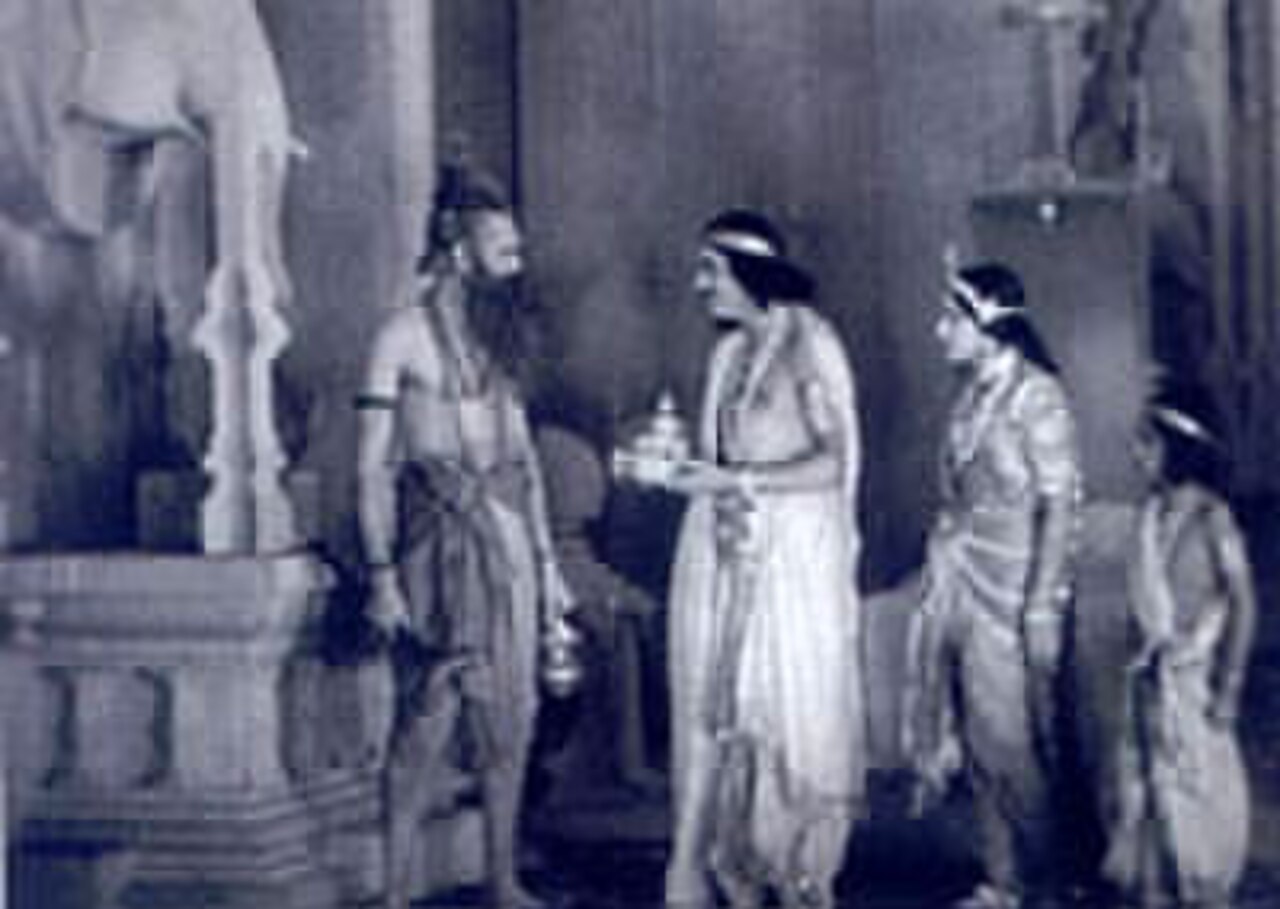
कहानियाँ विंग · कहानी · इतिहास
इंदर सभा: बॉलीवुड की दादी
Inder Sabha: The Grandmother of Bollywood
कैसे एक बर्बाद नवाब के लिए लिखे गए 1853 के उर्दू ऑपेरा ने भारत में सिनेमा आने से 60 साल पहले बॉलीवुड फ़ॉर्मूला का आविष्कार किया
प्रकाशित31 March 2026 पाठ१० मिनट का पाठ
आमुख
कवि और नवाब
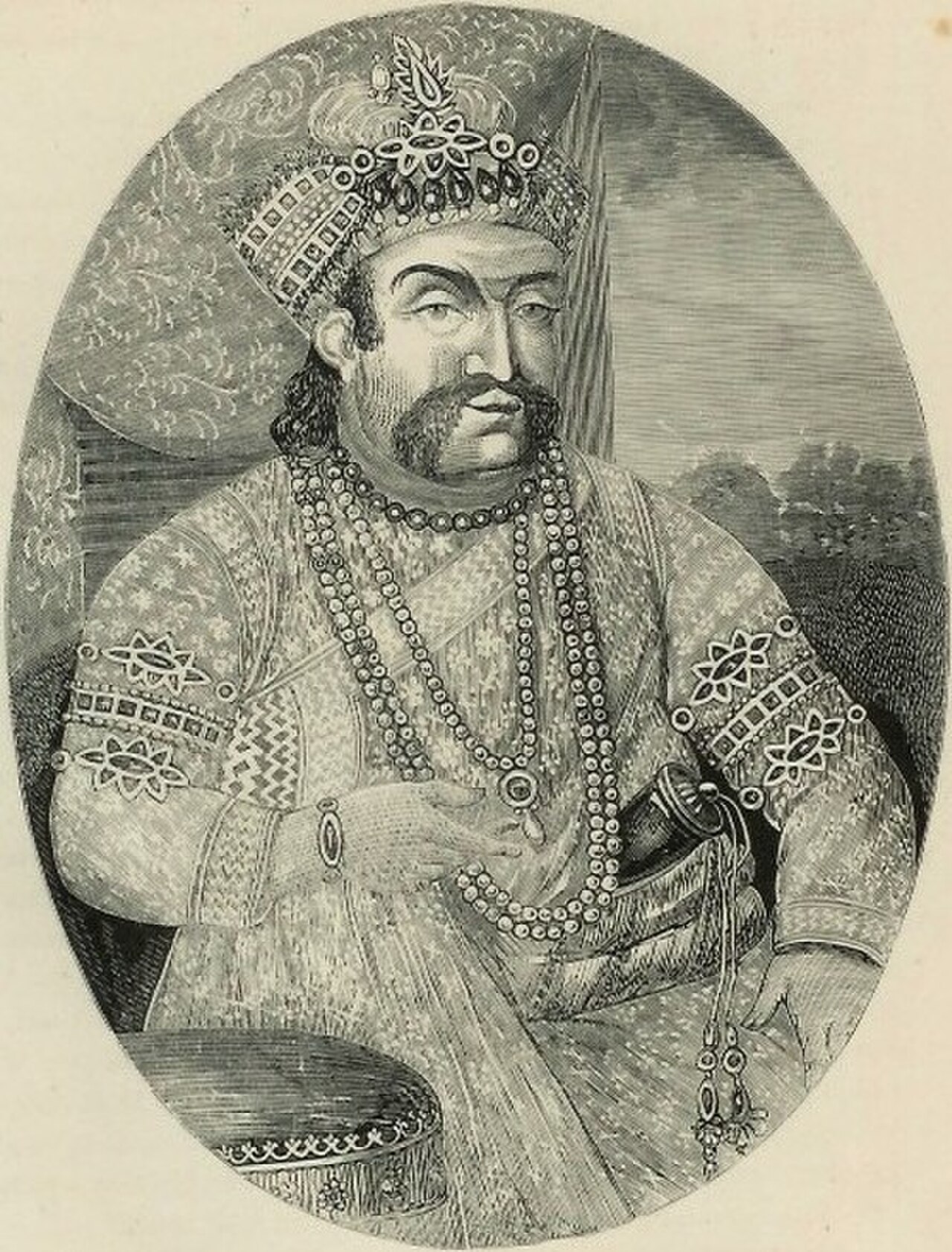
The Poet and the Nawab1853 में, लखनऊ शहर उत्तरी भारत की सांस्कृतिक राजधानी था। इसका शासक, नवाब वाजिद अली शाह, शायद भारतीय इतिहास में सबसे कलात्मक रूप से प्रतिभाशाली राजा था। वह एक कवि थे (कलम-नाम 'अख़्तर' के तहत), एक नर्तक (उन्होंने लखनऊ कथक घराने के कोडिफिकेशन में मदद की), संगीत के संरक्षक, और नाटकीय वैभव के प्रेमी। उनके दरबार में आगा हसन अमानत नाम का एक युवा उर्दू कवि था। जब नवाब ने एक नए संगीत मनोरंजन की चाहत व्यक्त की, अमानत ने कुछ ऐसा बनाया जो दोनों को सदियों तक जीवित रहना था: इंदर सभा — भगवान इंद्र का दरबार।
अंग्रेज़ी में पढ़ें · Read in English
In 1853, the city of Lucknow was the cultural capital of North India. Its ruler, Nawab Wajid Ali Shah, was perhaps the most artistically gifted monarch in Indian history. He was a poet (under the pen-name 'Akhtar'), a dancer (he helped codify the Lucknow gharana of Kathak), a patron of music, and a lover of theatrical spectacle.
At his court was a young Urdu poet named Agha Hasan Amanat. When the Nawab expressed a desire for a new musical entertainment, Amanat created something that would outlive them both by centuries: Inder Sabha — The Court of Lord Indra.
कहानियों के अंदर गीत
Songs Inside Storiesइंदर सभा की प्रतिभा इसके प्रारूप में निहित थी। अमानत ने उर्दू ग़ज़लों, हिंदुस्तानी ठुमरियों, कथक नृत्य अनुक्रमों, और नाटकीय संवाद को एक निर्बाध नाटकीय अनुभव में बुना। कथानक — भगवान इंद्र के स्वर्गीय दरबार में दिव्य अप्सराओं, परियों, और दिव्य प्राणियों को शामिल करता है — एक दर्जन विभिन्न संगीत शैलियों के लिए एक ढाँचा प्रदान करता है। यह प्रारूप — गीत नाटकीय आख्यान में एकीकृत, प्रत्येक कहानी के भावनात्मक चाप को आगे बढ़ाता है — हिंदी सिनेमा का डीएनए बनेगा। जब दादासाहब फाल्के ने 'राजा हरिश्चंद्र' (1913) बनाया, भारत की पहली फ़ीचर फ़िल्म, वह एक ऐसी परंपरा में काम कर रहे थे जो अमानत ने 60 साल पहले स्थापित की थी।
अंग्रेज़ी में पढ़ें · Read in English
The genius of Inder Sabha lay in its format. Amanat wove together Urdu ghazals, Hindustani thumris, Kathak dance sequences, and dramatic dialogue into a seamless theatrical experience. The plot — involving celestial nymphs, fairies, and divine beings in Lord Indra's heavenly court — provided a framework for a dozen different musical genres.
This format — songs integrated into dramatic narrative, each advancing the emotional arc of the story — would become the DNA of Hindi cinema. When Dadasaheb Phalke made 'Raja Harishchandra' (1913), India's first feature film, he was working in a tradition that Amanat had established 60 years earlier.
5,000 प्रदर्शन और गिनती जारी है
5,000 Performances and Countingइंदर सभा एक अभूतपूर्व सनसनी थी। पारसी थिएटर कंपनियों ने इसे अपनाया और पूरे भारत में इसका दौरा किया, इसे हिंदी, गुजराती, बंगाली और मराठी में अनुवाद किया। इसे दक्षिण पूर्व एशिया और पूर्वी अफ़्रीका में प्रदर्शित किया गया था। कुछ अनुमानों के अनुसार, इसे केवल 19वीं सदी में 5,000 से अधिक बार प्रदर्शित किया गया था। इंदर सभा के अंश की 1902 की ग्रामोफ़ोन रिकॉर्डिंग ने यह सुनिश्चित किया कि यह काम लाइव प्रदर्शन से रिकॉर्डेड मीडिया तक संक्रमण से बच गया। जब इन रिकॉर्डिंग को शेलैक डिस्क पर दबाया गया और पूरे भारत में बेचा गया, तो उन्होंने अमानत की रचना को आधुनिक युग में ले गए।
अंग्रेज़ी में पढ़ें · Read in English
Inder Sabha was an unprecedented sensation. Parsi theatre companies adopted it and toured it across India, translating it into Hindi, Gujarati, Bengali, and Marathi. It was performed in Southeast Asia and East Africa. By some estimates, it was staged over 5,000 times in the 19th century alone.
The 1902 gramophone recordings of Inder Sabha excerpts ensured that the work survived the transition from live performance to recorded media. When these recordings were pressed onto shellac discs and sold across India, they carried Amanat's creation into the modern age.
विरासत
The Legacyइंदर सभा से बॉलीवुड तक की रेखा सीधी और स्पष्ट है। कहानियों में गीत। नाटक में नृत्य। भावना के साथ दृश्य। हर बॉलीवुड फ़िल्म जो एक रोमांटिक द्वैत, एक उत्सव समारोह संख्या, या एक नाटकीय एकल की विशेषता रखती है, एक परंपरा जारी रखती है जो 1853 में वाजिद अली शाह के दरबार में शुरू हुई थी। अमानत स्वयं कम उम्र में मर गए — 1859 में, संभवतः अवध के ब्रिटिश विलय और 1857 के भारतीय विद्रोह के बाद के अराजकता में। उनके संरक्षक वाजिद अली शाह को सिंहासन से हटाया गया और कलकत्ता में निर्वासित किया गया, जहाँ वह 1887 में मर गए। लेकिन उनकी रचना जीवित है — हर मल्टीप्लेक्स में, हर स्ट्रीमिंग प्लेटफॉर्म पर, हर बॉलीवुड साउंडट्रैक में।
अंग्रेज़ी में पढ़ें · Read in English
The line from Inder Sabha to Bollywood runs straight and clear. Songs in stories. Dance in drama. Spectacle with sentiment. Every Bollywood film that features a romantic duet, a festive celebration number, or a dramatic solo continues a tradition that began in Wajid Ali Shah's court in 1853.
Amanat himself died young — in 1859, possibly in the chaos following the British annexation of Awadh and the Indian Rebellion of 1857. His patron Wajid Ali Shah was dethroned and exiled to Calcutta, where he died in 1887. But their creation lives on — in every multiplex, every streaming platform, every Bollywood soundtrack.
परिचय
IdentityEpithet
कैसे एक बर्बाद नवाब के लिए लिखे गए 1853 के उर्दू ऑपेरा ने भारत में सिनेमा आने से 60 साल पहले बॉलीवुड फ़ॉर्मूला का आविष्कार किया
How an 1853 Urdu opera written for a doomed Nawab invented the Bollywood formula 60 years before cinema arrived in India
कहानी-नमूना
The Story Specimen| शीर्षक | इंदर सभा: बॉलीवुड की दादी · Inder Sabha: The Grandmother of Bollywood |
|---|---|
| श्रेणी | इतिहास |
| प्रकार | विशेष लेख |
| पाठ-समय | १० मिनट का पाठ |
| प्रकाशित | 31 March 2026 — admin |
| टैग | inder_sabha · bollywood_origins · wajid_ali_shah · lucknow · urdu_theatre · amanat |
इस कहानी में
In This Story · The Cast & Its Platesकहानी में आए नामों के अटलस में अपने पन्ने हैं — यहीं से यात्रा जारी रखिए।
घराने-सूत्र · Gharanas
और कहानियाँ
More Stories from the Atlas

साझा कीजिए · Share this Plate