कहानियाँ विंग · कहानी · Recording History
बेका रिकॉर्ड्स की साहसिक चाल: जर्मन लेबल जिसने ग्रामोफ़ोन कंपनी पर चुनौती दी
Beka Records' Bold Gamble: The German Label That Challenged the Gramophone Company Monopoly
1905 में, बर्लिन की एक रिकॉर्डिंग कंपनी ने भारत में अपने एजेंट भेजे ब्रिटिश एकाधिकार को चुनौती देने के लिए
प्रकाशित31 March 2026 पाठ९ मिनट का पाठ
आमुख
बर्लिन कनेक्शन
The Berlin Connection1905 तक, ग्रामोफ़ोन और टाइपराइटर कंपनी (बाद में एचएमवी) ने भारत में संगीत रिकॉर्डिंग पर एक अर्ध-एकाधिकार स्थापित किया था। लेकिन सफलता प्रतिस्पर्धा का कारण बनती है। बर्लिन में हज़ार मील दूर, बेका रिकॉर्ड कंपनी — पहले से ही यूरोपीय रिकॉर्डिंग में एक दुर्जेय शक्ति — भारतीय बाज़ार में प्रवेश करने का फैसला किया। ग्रामोफ़ोन कंपनी के विपरीत, जिसने प्रारंभिक रूप से आंग्लो-भारतीय कलाकारों पर ध्यान केंद्रित करके ठोकर खाई, बेका ने अनुभवी प्रतिभा स्काउटों को भेजा जो समझते थे कि भारतीय शास्त्रीय संगीत वास्तविक खज़ाना था। बेका की रणनीति साहसिक थी: वे ग्रामोफ़ोन कंपनी के समान कलाकारों को रिकॉर्ड करेंगे, लेकिन कम कीमतों पर। वे अप्रयुक्त क्षेत्रों में भी उद्यम करेंगे — छोटे शहर, क्षेत्रीय शैलियाँ, और कम ज्ञात लेकिन प्रतिभाशाली संगीतकार। लक्ष्य केवल मौजूदा प्रतिभा के लिए प्रतिस्पर्धा करना नहीं था, बल्कि एक ऐसा संग्रह बनाना था जो उनके प्रतिद्वंद्वियों से अधिक समय तक रहेगा। कंपनी के भारतीय संचालन की शुरुआत कलकत्ता से हुई, जो रिकॉर्डिंग बूम का केंद्र था। लेकिन ग्रामोफ़ोन के विपरीत, जिसने औपनिवेशिक नौकरशाही के माध्यम से काम किया, बेका ने स्थानीय एजेंटों को काम पर रखा जो संगीत दुनिया को घनिष्ठता से जानते थे। इन एजेंटों का दिल्ली से मद्रास तक गायकों, नर्तकियों, और संगीतकारों के साथ व्यक्तिगत संबंध था।
अंग्रेज़ी में पढ़ें · Read in English
By 1905, the Gramophone & Typewriter Company (later HMV) had established a near-monopoly on music recording in India. But success breeds competition. A thousand miles away in Berlin, the Beka Record Company — already a formidable force in European recording — decided to enter the Indian market. Unlike the Gramophone Company, which had stumbled initially by focusing on Anglo-Indian performers, Beka sent experienced talent scouts who understood that Indian classical music was the real treasure.
Beka's strategy was bold: they would record the same artists as the Gramophone Company, but at lower prices. They would also venture into untapped territories — smaller cities, regional styles, and lesser-known but talented musicians. The goal was not just to compete for existing talent, but to build a catalog that would outlast their rivals.
The company's Indian operations were launched from Calcutta, the epicenter of the recording boom. But unlike Gramophone, which worked through colonial bureaucracy, Beka hired local agents who knew the music world intimately. These agents had personal relationships with singers, dancers, and musicians from Delhi to Madras.
1905 की रिकॉर्डिंग सीज़न
The 1905 Recording Season1905 की शुरुआत में, बेका की पोर्टेबल रिकॉर्डिंग उपकरण कलकत्ता में पहुँची। ग्रामोफ़ोन कंपनी के अपेक्षाकृत निश्चित सेटअप के विपरीत, बेका की पोर्टेबल रिग को कलाकारों के पास परिवहन किया जा सकता था — एक दुनिया में एक क्रांतिकारी लाभ जहाँ यात्रा करने वाले संगीतकार मानदंड थे। कंपनी होटल के कमरों, निजी निवासों, और यहाँ तक कि सार्वजनिक स्थानों में रिकॉर्डिंग करना शुरू कर दिया। गौहर जान पुरस्कार पकड़ थे। उन्होंने पहले से ही ग्रामोफ़ोन कंपनी के लिए लगभग 150 पक्षों को रिकॉर्ड किया था, लेकिन बेका ने उन्हें बेहतर शर्तें और अपने स्वयं के संगत और प्रदर्शनी का चयन करने की रचनात्मक स्वतंत्रता दी। मार्च 1905 तक, गौहर जान ने बेका के लिए 100 से अधिक नए टुकड़ों को रिकॉर्ड किया था — एक भारी उत्पादन जो ख़याल, ग़ज़ल, दादरा, और ठुमरी में उनके कौशल को प्रदर्शित करता था। लेकिन बेका गौहर जान पर नहीं रुकीं। उन्होंने ज़ोहरा बाई अग्रेवाली को रिकॉर्ड किया, किंवदंती की गायिका जो नवाचार और भावनात्मक गहराई के लिए जानी जाती थीं। उन्होंने पीरा साहब को रिकॉर्ड किया, पुरुष गायक जो रिकॉर्डेड संगीत में ग़ज़ल परंपरा स्थापित कर रहे थे। उन्होंने जंकी बाई को रिकॉर्ड किया, उत्तर प्रदेश की होरी परंपराओं को कैप्चर किया। प्रत्येक कलाकार अपनी स्वयं की क्षेत्रीय स्वाद, अपना राग कौशल, अपनी संगीत वंशावली लाया। पहली बार, भारत की संगीत विविधता को ब्रिटिश लेबल की वाणिज्यिक प्राथमिकताओं में संपीड़ित नहीं किया जा रहा था — यह अपनी पूर्ण जटिलता में मनाई जा रही थी।
अंग्रेज़ी में पढ़ें · Read in English
In early 1905, Beka's mobile recording equipment arrived in Calcutta. Unlike the Gramophone Company's relatively fixed setups, Beka's portable rig could be transported to artists — a revolutionary advantage in a world where traveling musicians were the norm. The company began recording in hotel rooms, private residences, and even public venues.
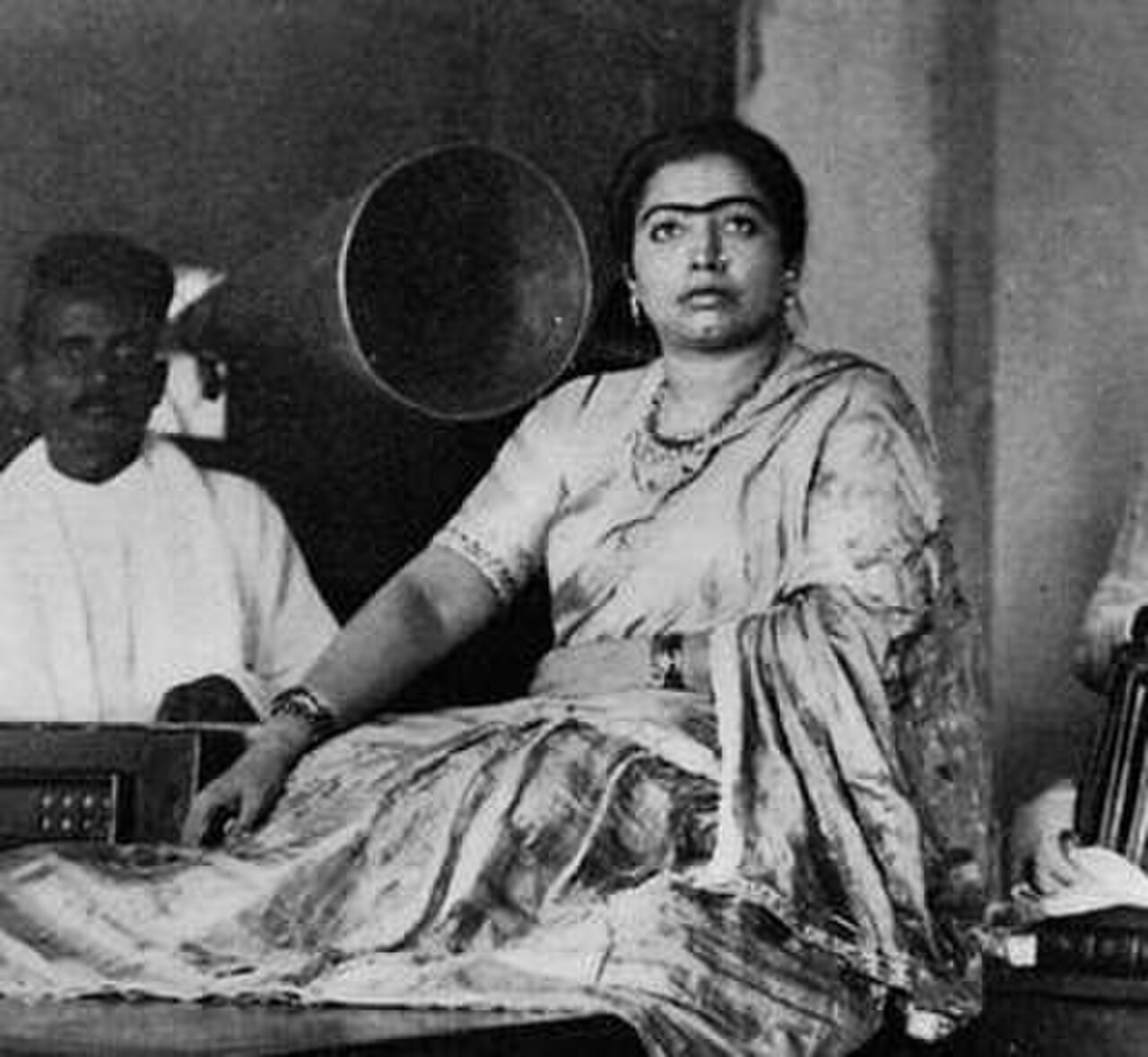
Gauhar Jaan was the prize catch. She had already recorded nearly 150 sides for the Gramophone Company, but Beka offered her better terms and the creative freedom to choose her own accompanists and repertoire. By March 1905, Gauhar Jaan had recorded over 100 new pieces for Beka — a staggering output that showcased her mastery across Khayal, Ghazal, Dadra, and Thumri.
But Beka didn't stop at Gauhar Jaan. They recorded Zohra Bai Agrewali, the legendary vocalist known for her innovation and emotional depth. They recorded Peara Saheb, the male vocalist who was establishing the ghazal tradition in recorded music. They recorded Janki Bai, capturing the Hori traditions of Uttar Pradesh. Each artist brought their own regional flavor, their own raag mastery, their own musical lineage. For the first time, India's musical diversity wasn't being compressed into the commercial preferences of a British label — it was being celebrated in its full complexity.
विविधता का एक संग्रह
A Catalog of Diversity1905 के अंत तक, बेका ने 200 से अधिक भारतीय चयनों को रिकॉर्ड किया था — एक संग्रह जो ग्रामोफ़ोन कंपनी के उत्पादन के बराबर था। लेकिन गुणवत्ता मात्रा जितनी महत्वपूर्ण थी। बेका के रिकॉर्डिंग इंजीनियरों, बर्लिन के सबसे अच्छे स्टूडियोज़ में प्रशिक्षित, तकनीकी विशेषज्ञता लाया जिसके परिणामस्वरूप स्पष्ट, अधिक विस्तृत रिकॉर्डिंग हुई। लेबल राग की सूक्ष्मताओं को कैप्चर करने के लिए जाना जाने लगा — सूक्ष्म स्लाइड, सावधान इंटोनेशन, लयबद्ध जटिलताओं जो प्रारंभिक ग्रामोफ़ोन रिकॉर्डिंग की कच्ची ध्वनिकी में खोना आसान था। बेका की रिकॉर्ड्स सस्ती भी थीं। ग्रामोफ़ोन रिकॉर्ड्स रु. 3 पर खुदरा, बेका ने कई शीर्षक रु. 1.50 या रु. 2 पर दिए — कीमतें जिन्होंने रिकॉर्डेड संगीत को मध्यम वर्ग के लिए सुलभ बनाया, केवल अमीर अभिजात को नहीं। यह मूल्य निर्धारण रणनीति विनाशकारी रूप से प्रभावी साबित हुई। बेका रिकॉर्ड्स गंभीरता से ग्रामोफ़ोन के प्रभुत्व के साथ प्रतिस्पर्धा करने लगे। शायद सबसे महत्वपूर्ण बात, बेका ने मान्यता दी कि भारतीय संगीतकार केवल प्रदर्शनकारी नहीं थे — वे संगीतकार, अरेंजर, और नवप्रवर्तक थे। लेबल ने अपने कलाकारों को अधिक रचनात्मक नियंत्रण दिया। गौहर जान वह राग चुन सकती थीं जो वह प्रदर्शन करना चाहती थीं। ज़ोहरा बाई अपनी पसंद के संगत के साथ सहयोग कर सकती थीं। पीरा साहब अपने टुकड़ों को छोटा करने के लिए वाणिज्यिक दबाव के बिना ग़ज़ल की भावनात्मक गहराई का पता लगा सकते थे। यह कलात्मक स्वतंत्रता युग की कुछ सबसे अच्छी रिकॉर्डिंग तैयार करती है।
अंग्रेज़ी में पढ़ें · Read in English
By the end of 1905, Beka had recorded over 200 Indian selections — a catalog that rivaled the Gramophone Company's output. But quality mattered as much as quantity. Beka's recording engineers, trained in Berlin's finest studios, brought technical expertise that resulted in clearer, more detailed recordings. The label became known for capturing the nuances of raag — the subtle slides, the careful intonation, the rhythmic complexities that were so easy to lose in the crude acoustics of early gramophone recording.
Beka's records were also cheaper. While Gramophone records retailed at Rs. 3, Beka offered many titles at Rs. 1.50 or Rs. 2 — prices that made recorded music accessible to the middle class, not just the wealthy elite. This pricing strategy proved devastatingly effective. Beka records began to compete seriously with Gramophone's dominance.
Perhaps most significantly, Beka recognized that Indian musicians weren't just performers — they were composers, arrangers, and innovators. The label gave more creative control to its artists. Gauhar Jaan could choose which raags she wanted to perform. Zohra Bai could collaborate with accompanists of her choosing. Peara Saheb could explore the emotional depths of ghazal without commercial pressure to shorten his pieces. This artistic freedom produced some of the finest recordings of the era.
प्रतिस्पर्धा गर्म हो जाती है
The Competition Heats Upबेका रिकॉर्ड्स के आगमन ने भारतीय रिकॉर्डिंग उद्योग में एक भूकंपीय बदलाव पैदा किया। ग्रामोफ़ोन कंपनी, गंभीर प्रतिस्पर्धा के बिना संचालित करने के आदी, अचानक कलाकारों और बाज़ार हिस्से के लिए लड़ाई में पाया। प्रतिस्पर्धा ने नवाचार को संचालित किया: दोनों कंपनियों ने बेहतर उपकरण में निवेश किया, अधिक प्रतिभाशाली इंजीनियरों को काम पर रखा, और सितारा प्रदर्शनकारियों को उच्च शुल्क की पेशकश की। कलाकारों को भारी लाभ हुआ। गौहर जान, विशेष रूप से, एक बोली लड़ाई बन गई। 1904 में, उन्होंने ग्रामोफ़ोन से भारी शुल्क अर्जित किए थे। लेकिन बेका के आगमन के साथ, उनकी कमाई की शक्ति आसमान छू गई। वह अब बिक्री, रचनात्मक नियंत्रण, और एकाधिकार खंडों के आधार पर रॉयल्टी पर बातचीत कर सकती थीं। रिकॉर्डिंग कलाकार वास्तविक बाज़ार मूल्य वाली एक वस्तु बन गई थी। प्रतिस्पर्धा ने रिकॉर्ड पर उपलब्ध भारतीय संगीत के संग्रह को भी विस्तारित किया। एक एकाधिकार के बजाय जो वाणिज्यिक इच्छा के आधार पर क्या रिकॉर्ड किया जा सकता है यह सीमित कर सकता है, उद्योग में अब व्यापक श्रेणी का संगीत रिकॉर्ड करने के लिए प्रोत्साहन था — क्षेत्रीय वेरिएंट, प्रयोगात्मक टुकड़े, गहरा राग अन्वेषण जो छोटी मात्रा में बेच सकते थे लेकिन समर्पित आला दर्शकों को। बाज़ार अंत में कलात्मक विविधता का समर्थन करने के लिए काफ़ी बड़ा था।
अंग्रेज़ी में पढ़ें · Read in English
The arrival of Beka Records created a seismic shift in the Indian recording industry. The Gramophone Company, used to operating without serious competition, suddenly found itself fighting for artists and market share. Competition drove innovation: both companies invested in better equipment, hired more talented engineers, and offered higher fees to star performers.
Artists benefited enormously. Gauhar Jaan, in particular, became a bidding war. In 1904, she had earned substantial fees from Gramophone. But with Beka's arrival, her earning power skyrocketed. She could now negotiate royalties based on sales, creative control, and exclusivity clauses. The recording artist had become a commodity with real market value.
The competition also expanded the catalog of Indian music available on record. Rather than a monopoly that could limit what got recorded based on commercial whim, the industry now had incentives to record a wider range of music — regional variants, experimental pieces, deep raag explorations that might sell in smaller quantities but to devoted niche audiences. The market was finally big enough to support artistic diversity.
प्रतिस्पर्धा की विरासत
The Legacy of Competitionहालाँकि बेका रिकॉर्ड्स आखिरकार भारतीय बाज़ार से फीके पड़ गए (कंपनी को प्रथम विश्व युद्ध के दौरान और बाद में जर्मनी में आर्थिक कठिनाइयों का सामना करना पड़ा), उनके 1905 के अभियान के गहरे प्रभाव थे। प्रतिस्पर्धा पेश करके, उन्होंने रिकॉर्डिंग उद्योग को यह मान्यता देने के लिए मजबूर किया कि भारतीय संगीत केवल जिज्ञासा के रूप में मूल्यवान नहीं था, बल्कि एक गंभीर कला रूप था जो कलाकारों के लिए गुणवत्ता उत्पादन और उचित मुआवजे के योग्य था। बेका और ग्रामोफ़ोन के बीच प्रतिद्वंद्विता ने भारत में स्थानीय रिकॉर्डिंग स्टूडियोज़ और प्रेसिंग संयंत्रों की स्थापना को भी तेज़ किया। 1910 तक, भारत में प्रतिभा और बाज़ार हिस्से के लिए प्रतिस्पर्धा करने वाले कई लेबल थे। रिकॉर्डिंग एक औपनिवेशिक नवीनता से एक समृद्ध वाणिज्यिक उद्यम बन गई। भारतीय संगीतकार जो प्रारंभिक रिकॉर्डिंग सत्रों में आकस्मिक प्रतिभागी थे, पेशेवर रिकॉर्डिंग कलाकार बन गए, एजेंटों, अनुबंधों, और अपनी कला से जीवन यापन करने की वैध अपेक्षाएँ। इसके अलावा, प्रतिस्पर्धा ने यह सुनिश्चित किया कि व्यापक श्रेणी का संगीत संरक्षित किया गया। बेका की क्षेत्रीय वेरिएंट, प्रयोगात्मक शैलियों, और कम ज्ञात कलाकारों को रिकॉर्ड करने की इच्छा का मतलब था कि ऐसे रूप जो अन्यथा गायब हो सकते थे — जैसे उत्तर प्रदेश की होरी परंपराओं में से कुछ जो जंकी बाई का प्रतिनिधित्व करती थीं — भविष्य के लिए कैप्चर किए गए। रिकॉर्डिंग उद्योग, गलती से, भारतीय संगीत विरासत का एक संरक्षक बन गया।
अंग्रेज़ी में पढ़ें · Read in English
Though Beka Records would eventually fade from the Indian market (the company faced economic difficulties in Germany during and after World War I), their 1905 expedition had profound effects. By introducing competition, they forced the recording industry to recognize that Indian music was valuable not just as a curiosity, but as a serious art form worthy of quality production and fair compensation for artists.
The rivalry between Beka and Gramophone also accelerated the establishment of local recording studios and pressing plants in India. By 1910, India had multiple labels competing for talent and market share. Recording moved from being a colonial novelty to a thriving commercial enterprise. Indian musicians who had been casual participants in early recording sessions became professional recording artists, with agents, contracts, and legitimate expectations of earning a living from their art.
Moreover, the competition ensured that a wider range of music got preserved. Beka's willingness to record regional variants, experimental styles, and lesser-known artists meant that forms that might otherwise have disappeared — like some of the Uttar Pradesh Hori traditions that Janki Bai represented — were captured for posterity. The recording industry became, accidentally, a custodian of Indian musical heritage.
गौहर जान की रणनीतिक प्रतिक्रिया
Gauhar Jaan's Strategic Responseगौहर जान, हमेशा रणनीतिकार, बेका और ग्रामोफ़ोन को अपने लाभ के लिए एक दूसरे के खिलाफ खेला। 1905 में, दोनों कंपनियों के लिए प्रचुर मात्रा में रिकॉर्डिंग करते समय, उन्होंने अपनी स्वयं की वॉडविल दौरे की कंपनी भी स्थापित की और संगीत नाटक लिखे — एक युग में अपनी आय धाराओं में विविधता लाई जब रिकॉर्डिंग रॉयल्टी अभी भी अनिश्चित और अप्रत्याशित थीं। वह सहज रूप से समझती थीं कि रिकॉर्डिंग उद्योग अभी भी अपनी प्रारंभिक अवस्था में था, और कि आज का प्रमुख लेबल कल की विफलता हो सकता है। बेका के लिए उनकी 1905 की रिकॉर्डिंग उसे उनकी मुखर शक्तियों के पूर्ण शिखर पर पकड़ी। बेका की रिकॉर्डिंग उपकरण की स्पष्टता ने पूरी तरह से जटिल मुखर आभूषण को निष्पादित करने की उनकी क्षमता, ऑक्टेव में उनके त्रुटिहीन इंटोनेशन, और राग व्याकरण में उनके कौशल को प्रदर्शित किया। सरंग मल्हार और भैरव ख़याल जैसे गीतों में, 1905 में बेका के लिए रिकॉर्ड किया गया, हम वह सुनते हैं जिसे समकालीन खातों ने एक संगीतकार की आवाज़ के रूप में वर्णित किया था जिसने पूर्ण तकनीकी कौशल हासिल किया था और गहरे भावनात्मक प्रभाव बनाने के लिए उस कौशल का उपयोग कर सकता था। 1905 के अंत तक, गौहर जान ने लगभग 250 गीतों को रिकॉर्ड किया था — एक भारी संग्रह जो किसी भी समकालीन को जीवित रखेगा और प्रारंभिक रिकॉर्डिंग युग की सबसे अधिक रिकॉर्ड की गई भारतीय कलाकार के रूप में उनका स्थान सुरक्षित करेगा। यह उपलब्धि काफी हद तक प्रतिस्पर्धा द्वारा संभव बनाई गई थी जो बेका रिकॉर्ड्स ने भारतीय बाज़ार में पेश की थी।
अंग्रेज़ी में पढ़ें · Read in English
Gauhar Jaan, ever the strategist, played Beka and Gramophone against each other to her advantage. In 1905, while recording prolifically for both companies, she also established her own vaudeville touring company and wrote musical plays — diversifying her income streams in an era when recording royalties were still uncertain and unpredictable. She understood, intuitively, that the recording industry was still in its infancy, and that today's dominant label could be tomorrow's failure.
Her 1905 recordings for Beka captured her at the absolute peak of her vocal powers. The clarity of Beka's recording equipment perfectly showcased her ability to execute complex vocal ornamentations, her flawless intonation across octaves, and her mastery of raag grammar. In songs like Sarang Malhar and Bhairav Khayal, recorded for Beka in 1905, we hear what contemporary accounts described as the voice of a musician who had achieved complete technical mastery and could use that mastery to create profound emotional effects.
By the end of 1905, Gauhar Jaan had recorded approximately 250 songs — a staggering catalog that would outlive any of her contemporaries and secure her place as the most recorded Indian artist of the early recording era. That achievement was made possible, in large part, by the competition that Beka Records introduced into the Indian market.
परिचय
IdentityEpithet
1905 में, बर्लिन की एक रिकॉर्डिंग कंपनी ने भारत में अपने एजेंट भेजे ब्रिटिश एकाधिकार को चुनौती देने के लिए
In 1905, a Berlin recording company sent its agents to India to challenge British dominance and discover new talent
कहानी-नमूना
The Story Specimen| शीर्षक | बेका रिकॉर्ड्स की साहसिक चाल: जर्मन लेबल जिसने ग्रामोफ़ोन कंपनी पर चुनौती दी · Beka Records' Bold Gamble: The German Label That Challenged the Gramophone Company Monopol… |
|---|---|
| श्रेणी | Recording History |
| प्रकार | विशेष लेख |
| पाठ-समय | ९ मिनट का पाठ |
| प्रकाशित | 31 March 2026 — admin |
| टैग | beka_records · 1905 · gramophone_competition · recording_industry · india_music · gauhar_jaan · zohra_bai · peara_saheb |
और कहानियाँ
More Stories from the Atlas
साझा कीजिए · Share this Plate