कहानियाँ विंग · कहानी · Music Theory
काफी थाट: लोगों का पैमाना — होली, लोक संगीत, और फिल्म
Kafi Thaat: The People's Scale — Holi, Folk, and Film
दो समतल नोट सबसे अभिव्यक्त, भावनात्मक रूप से प्रत्यक्ष पैमाना बनाते हैं — उत्सव, कहानियों, और सड़क का थाट।
प्रकाशित31 March 2026 पाठ७ मिनट का पाठ
आमुख
अगर एक थाट है जो वास्तव में लोगों का है, तो वह काफी है। कल्याण की रोमांटिक परिष्कार के विपरीत, बिलावल की तकनीकी शुद्धता के विपरीत, भैरव की आध्यात्मिक तीव्रता के विपरीत, काफी सड़क का पैमाना है, बाजार, उत्सवी समूह, माताओं द्वारा गाया गीत, लाखों की लोक परंपरा।
लोकतांत्रिक पैमाना: सभी के लिए संगीत
The Democratic Scale: Music for Everyoneअगर एक थाट है जो वास्तव में लोगों का है, तो वह काफी है। कल्याण की रोमांटिक परिष्कार के विपरीत, बिलावल की तकनीकी शुद्धता के विपरीत, भैरव की आध्यात्मिक तीव्रता के विपरीत, काफी सड़क का पैमाना है, बाजार, उत्सवी समूह, माताओं द्वारा गाया गीत, लाखों की लोक परंपरा। काफी थाट बिलावल पैमाने से दो परिवर्तनों द्वारा परिभाषित है: तीसरा नोट (ग) कोमल (समतल) हो जाता है, और सातवां नोट (नी) कोमल (समतल) हो जाता है। यह संयोजन—कोमल ग और कोमल नी—एक अद्भुत अभिव्यक्तिपूर्णता का पैमाना बनाता है: स, रे, कोमल ग, म, प, ध, कोमल नी, स। काफी को अद्वितीय क्या बनाता है कि ये दो परिवर्तन भावनात्मक प्रत्यक्षता बनाने के लिए एक साथ काम करते हैं। जहाँ कल्याण का तीव्र म रोमांटिक तनाव बनाता है, और भैरव का दोहरा परिवर्तन आध्यात्मिक तीव्रता बनाता है, काफी का दोहरा परिवर्तन गरमाई, सुलभता, और भावनात्मक ईमानदारी बनाता है। जब आप काफी सुनते हैं, तो आपको प्रशिक्षण या तैयारी की आवश्यकता नहीं है। काफी के राग सीधे मानव भावना को बोलते हैं। काफी का चरित्र बिलावल या यमन की तरह एक विशेष दिन के समय से बंधा हुआ नहीं है। इसके बजाय, काफी राग दिन भर प्रदर्शित किए जाते हैं और लोकप्रिय अवसरों—त्योहार, उत्सव, पारिवारिक समूह से जुड़े होते हैं। काफी परंपरागत रूप से पूरे राष्ट्र की तरह दिखता है जब होली का त्योहार काफी राग में गाता है। यह मॉनसून गीतों की थाट है, फसल की बधाई, आम लोगों के बीच विवाह। नाम 'काफी' शायद फारसी 'काफी' से लिया गया है, मतलब 'पर्याप्तता' या 'काफी'—यह सुझाव देता है कि यह पैमाना स्वयं में पूर्ण है, कुछ और की आवश्यकता नहीं है। और वास्तव में, काफी का राग सदियों मानव भावना की पूरी श्रृंखला को व्यक्त करने के लिए काफी रहा है। काफी को विशेष क्या बनाता है यह इसकी भावनात्मक बैंडविड्थ है। यह आनंद और दुःख, उत्सव और विलाप को समान रूप से व्यक्त करने में सक्षम है। यह कहानीकारण का पैमाना है—जो कारण है कि इतने सारे लोक आख्यान और भक्ति कहानियाँ काफी राग में निर्धारित हैं। कोमल ग और कोमल नी पैमाने को एक नरम, लगभग करुण गुण देते हैं जो इसे कभी विशुद्ध रूप से उत्सवी होने से रोकता है। यहाँ तक कि इसके सबसे आनंदपूर्ण क्षणों में, दु:ख का एक स्पर्श है, मानव अनुभव की बिटरस्वीट प्रकृति की पहचान। यह संतुलन है जिसने काफी को भारतीय संगीत में सबसे अनुकूल थाट बनाया है।
अंग्रेज़ी में पढ़ें · Read in English
If there is one thaat that truly belongs to the people, it is Kafi. Unlike Kalyan with its romantic sophistication, unlike Bilawal with its technical purity, unlike Bhairav with its spiritual intensity, Kafi is the scale of the street, the marketplace, the festive gathering, the lullaby sung by mothers, the folk tradition of millions. The Kafi thaat is defined by two alterations from the Bilawal scale: the third note (Ga) becomes komal (flattened), and the seventh note (Ni) becomes komal (flattened). This combination — Komal Ga and Komal Ni — creates a scale of remarkable expressiveness: Sa, Re, Komal Ga, Ma, Pa, Dha, Komal Ni, Sa. What makes Kafi unique is that these two alterations work together to create emotional directness. Where Kalyan's Tivra Ma creates romantic tension, and Bhairav's dual alterations create spiritual intensity, Kafi's dual alterations create warmth, accessibility, and emotional honesty. When you hear Kafi, you don't need training or preparation. The raags of Kafi speak directly to human emotion. The character of Kafi is not tied to a specific time of day like Bhairav or Yaman. Instead, Kafi raags are performed throughout the day and are associated with popular occasions — festivals, celebrations, family gatherings. Kafi is the thaat of Holi, the festival of colors, where the whole nation seems to sing in Kafi raags. It is the thaat of monsoon songs, of harvest celebrations, of weddings among the common people. The very name 'Kafi' likely derives from 'Kafi' in Persian, meaning 'sufficiency' or 'enough' — suggesting that this scale is complete in itself, needing nothing more. And indeed, the raags of Kafi have been sufficient for expressing the full range of human emotion for centuries. What makes Kafi special is its emotional bandwidth. It is equally at home expressing joy and sorrow, celebration and lament. It is the scale of storytelling — which is why so many folk narratives and devotional stories have been set in Kafi raags. The komal Ga and komal Ni give the scale a soft, almost mournful quality that prevents it from ever being purely celebratory. Even in its most joyful moments, there is a touch of melancholy, a recognition of the bittersweet nature of human experience. This balance is what has made Kafi the most adaptable thaat in Indian music.
राग काफी: जनसंख्या का आवाज
Raga Kafi: The Voice of the Massesराग काफी स्वयं भारतीय शास्त्रीय संगीत में जनसंख्या की आवाज के रूप में खड़ा है। यह सबसे अधिक प्रदर्शित और सबसे मान्यता प्राप्त राग में से एक है, यह सबसे तकनीकी रूप से जटिल या सबसे प्रतिष्ठित नहीं है, लेकिन क्योंकि यह लोगों के दिलों को इतनी सीधे बोलता है। राग परंपरागत रूप से दोपहर और संध्या के घंटों में प्रदर्शित किया जाता है, हालाँकि इसे कभी भी प्रदर्शित किया जा सकता है। इसका चरित्र यमन या खमाज जैसे संध्या राग से उल्लेखनीय रूप से अलग है—जहाँ वे राग रोमांस और अंतरंगता का सुझाव देते हैं, काफी उत्सव और अभिव्यक्ति का सुझाव देता है। राग की भावनात्मक श्रृंखला उल्लेखनीय है। एक भक्ति गायक के हाथों में, काफी भक्ति के लिए एक वाहन बन जाता है। लोक परंपरा में, काफी उत्सव की आवाज बन जाता है। फिल्म संगीत में, काफी गहन भावना और आनंदपूर्ण उत्सव दोनों को व्यक्त करने के लिए उपयोग किया गया है। राग की संरचना सभी स्वरों को कुछ हद तक समान रूप से जोर देती है। राग का फिल्म संगीत के साथ संबंध विशेष रूप से उल्लेखनीय है—क्योंकि काफी लोकप्रिय भावना को इतनी सीधे बोलता है। वास्तव में, काफी सभी थाटों में सबसे लोकतांत्रिक है।
अंग्रेज़ी में पढ़ें · Read in English
Raga Kafi itself stands as the voice of the masses in Indian classical music. It is among the most performed and most recognized raags, not because it is the most technically complex or the most prestigious, but because it speaks to people's hearts so directly. The raag is traditionally performed in the afternoon and evening hours, though it can be performed at any time. Its character is notably different from the evening raags like Yaman or Khamaj — where those raags suggest romance and intimacy, Kafi suggests celebration and expression. The emotional range of Kafi is remarkable. In the hands of a devotional singer, Kafi becomes a vehicle for bhakti (devotion), expressing the singer's longing for the divine. In folk tradition, Kafi becomes the voice of celebration, of harvest songs, of wedding celebrations. In film music, Kafi has been used to express both profound emotion and joyful celebration. The structure of Raga Kafi emphasizes all notes somewhat equally, though certain patterns emerge. Many performances use the characteristic movement from Dha to Komal Ni to Sa (the upper register), which creates a falling, almost mournful quality even in celebratory contexts. Others emphasize the lower tetrachord movement, creating a more grounded, earthy quality. The flexibility of the raag's structure has allowed it to adapt to many different musical contexts. Listen to 'Bhag Milyo Bhag Milyo' from the devotional tradition, or 'Holi Aaye' during Holi festivals, and you will hear Kafi expressing pure joy. Listen to 'Bhat Milyo, Daal Puri' in its folk rendition, and you will hear the raag expressing the struggles and celebrations of everyday life. The raag's relationship with film music is particularly notable. Because Kafi speaks so directly to popular emotion, it became a natural choice for film composers. Songs like 'Babuji Dheere Chalno' from 'Bandhan' (1940) and 'Baat Karo Priye' from 'Ehsan' use Kafi to express intimate emotion in a popular, accessible way. The raag's warmth and emotional directness made it ideal for the kind of immediate emotional connection that film music required. What makes Kafi stand out among all the thaats is its egalitarian nature. It is not a raag that requires decades of training to appreciate, nor is it a raag that only the spiritually advanced can understand. Kafi speaks to anyone who has experienced love, loss, joy, or sorrow. In this sense, Kafi is the most democratic thaat.
काफी परिवार: बागेश्री, भीमपलासी, पीलू, और लोक परंपराएँ
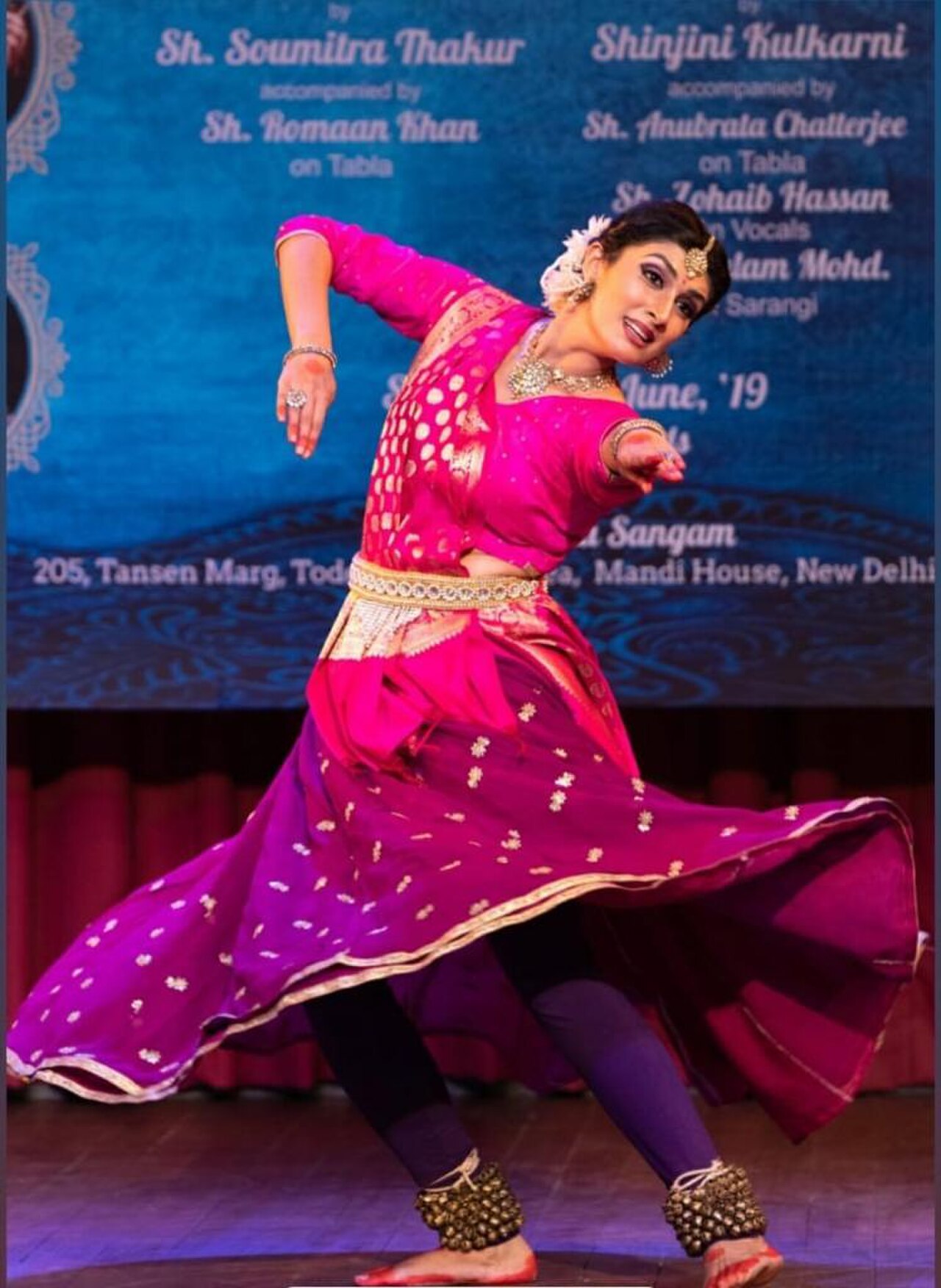
The Kafi Family: Bageshri, Bhimpalasi, Piloo, and Folk Traditionsकाफी थाट शायद भारतीय शास्त्रीय संगीत में सभी राग का सबसे विविध और बहुमुखी परिवार देता है। ये राग जो एक साथ कई दुनियों में मौजूद हैं—शास्त्रीय प्रदर्शन में, लोक परंपरा में, भक्ति सेटिंग में, और फिल्म संगीत में व्यापक रूप से। राग बागेश्री काफी परिवार के सबसे प्रिय राग में से एक है, एक देवी के नाम पर। राग भीमपलासी काफी परिवार का एक और आधारशिला है। राग पीलू लोगों का राग बेहतर है—यह शायद भारतीय फिल्म संगीत में सबसे अधिक प्रदर्शित राग है। अन्य महत्वपूर्ण सदस्य शिवरंजनी, जॉग, और अहीर पीलू शामिल हैं। इन राग में से प्रत्येक, काफी परिवार की नींव साझा करते हुए, अपना स्वयं का विशिष्ट प्रदर्शन अभ्यास और भावनात्मक क्षेत्र विकसित किया है। जो उन्हें एकीकृत करता है वह सुलभता को गहराई के साथ संयुक्त करना है।
अंग्रेज़ी में पढ़ें · Read in English
The Kafi thaat gives birth to perhaps the most diverse and versatile family of raags in all of Indian classical music. These are raags that exist in multiple worlds simultaneously — in classical concerts, in folk traditions, in devotional settings, and extensively in film music. Each member of the Kafi family has its own character and specialty. Raga Bageshri is one of the most beloved raags of the Kafi family. Named after a goddess, Bageshri combines the Kafi notes with a distinctive emphasis on the middle and upper registers. The raag is traditionally performed in the late afternoon and evening, and has a character that is simultaneously melancholic and sensual. The Komal Ga is particularly emphasized, creating a deeply emotional quality. In classical concerts, Bageshri is often performed in slow, meditative renditions that explore the finest nuances of emotion. In film music, Bageshri has been used to express complex emotional states — particularly those involving longing, sacrifice, and spiritual devotion. Raga Bhimpalasi is another cornerstone of the Kafi family. Named after a legendary courtesan who renounced her worldly life for spiritual pursuit, Bhimpalasi has both a popular and classical dimension. The raag is traditionally performed in the morning or early afternoon, and has a bright, energetic character despite its Kafi framework. Many Holi songs are set in Bhimpalasi because the raag combines the expressiveness of Kafi with an energetic, celebratory quality. In classical tradition, Bhimpalasi is often used for exploring rapid improvisational passages (taans) because the raag's structure allows both technical display and emotional depth. Raga Piloo is the people's raag par excellence — it is perhaps the most performed raag in Indian film music. Simple enough for a child to appreciate, yet sophisticated enough for a master musician to spend a lifetime exploring, Piloo embodies the democratic nature of the Kafi family. Traditionally performed in the evening, Piloo has a conversational, almost gossipy quality. The raag is known for its flexibility and openness to improvisation. Countless film songs, from romantic to devotional to playful, have been set in Piloo. The raag's ability to serve so many different emotional contexts without losing its character is testament to the power of the Kafi thaat. Other important members include Shivaranjani (morning raag with devotional associations), Jog (evening raag with meditative qualities), and Ahir Piloo (a variation of Piloo with deeper emotional resonance). Each of these raags, while sharing the Komal Ga and Komal Ni foundation, has developed its own distinctive performance practice and emotional territory. What unites them is accessibility combined with depth — they are raags that can be immediately appreciated by anyone, yet offer inexhaustible possibilities for the serious musician.
काफी महत्वपूर्ण क्यों है: मानव संयोग की थाट
Why Kafi Matters: The Thaat of Human Connectionभारतीय शास्त्रीय संगीत के परिदृश्य में, काफी विशेष रूप से महत्व के स्थान पर कब्जा करता है क्योंकि यह न दुर्लभ है, न ही रहस्यमय है, न ही मुखिया के लिए आरक्षित है। काफी लोगों की थाट है क्योंकि यह उस भाषा में बोलता है जो सभी समझते हैं। आधुनिक दुनिया में, जब शास्त्रीय संगीत कभी-कभी एलीट के रूप में माना जाता है या दुर्गम, काफी एक अनुस्मारक के रूप में खड़ा होता है कि भारतीय शास्त्रीय संगीत इसके मूल में मनुष्यों के लिए संगीत है, संयोग के लिए संगीत है, उत्सव के लिए संगीत है। काफी के इतिहास फिल्म संगीत विशेष रूप से शिक्षक है। अगणित गीत जो भारत की सांस्कृतिक संरचना का हिस्सा बन गए हैं—गीत जो लोग विवाह में गाते हैं, त्योहारों पर, घरों में—काफी या संबंधित राग में निर्धारित किए गए हैं। यह संयोग नहीं है। काफी परिवार के राग में लाखों लोगों के साथ अनुरणित करने के तरीके में कुछ लगभग जादुई है।
अंग्रेज़ी में पढ़ें · Read in English
In the landscape of Indian classical music, Kafi occupies a place of singular importance precisely because it is NOT rare, NOT esoteric, NOT reserved for the elite. Kafi is the thaat of the people because it speaks in a language that everyone understands. The Komal Ga and Komal Ni create a scale that is emotionally transparent. There is no hiding behind technical complexity, no refuge in esoteric knowledge. The scale simply speaks the truth of human feeling. This has made Kafi the most adaptable thaat for purposes of popular entertainment and mass communication. During the Indian independence movement, Kafi raags were used in patriotic songs that rallied millions. During Holi celebrations, Kafi dominates the musical landscape because it captures the joy of the festival. In film music, Kafi has been the vehicle for expressing the dreams and sorrows of ordinary Indians for over a century. Furthermore, Kafi represents the principle that true musical sophistication is not about complexity, but about depth of feeling and clarity of expression. A simple Piloo melody, sung with full heart and understanding, is more sophisticated than a technically flashy rendition of a complex raag sung without feeling. This principle — that music is about truth rather than technique — is at the core of the Kafi thaat. The raags of Kafi also demonstrate the principle of musical democracy. Unlike Bhairav, which requires spiritual dedication, or Kalyan, which requires romantic sensibility, Kafi raags can be approached by anyone. A grandmother singing a lullaby in Piloo, a street musician playing Bageshri on a makeshift instrument, a great vocalist performing Bhimpalasi in a concert hall — all are equally valid expressions of the Kafi tradition. This inclusivity is Kafi's greatest strength. In the modern world, when classical music is sometimes perceived as elitist or inaccessible, Kafi stands as a reminder that Indian classical music is, at its core, music for humans, music for connection, music for celebration. The history of Kafi in film music is particularly instructive. Countless songs that have become part of the cultural fabric of India — songs that people sing at weddings, at festivals, in their homes — have been set in Kafi or related raags. This is not accident. The Kafi family of raags has an almost magical ability to capture emotion in a way that resonates with millions of people. When you understand Kafi, you understand something fundamental about Indian music: that its greatest power lies not in technical display, but in the direct expression of human emotion. This is why Kafi matters — not just for classical musicians or music scholars, but for anyone who has ever felt joy, sorrow, love, or hope, and sought to express it through music.
परिचय
IdentityEpithet
दो समतल नोट सबसे अभिव्यक्त, भावनात्मक रूप से प्रत्यक्ष पैमाना बनाते हैं — उत्सव, कहानियों, और सड़क का थाट।
Two flattened notes create the most expressive, emotionally direct scale — the thaat of celebrations, stories, and the street.
कहानी-नमूना
The Story Specimen| शीर्षक | काफी थाट: लोगों का पैमाना — होली, लोक संगीत, और फिल्म · Kafi Thaat: The People's Scale — Holi, Folk, and Film |
|---|---|
| श्रेणी | Music Theory |
| प्रकार | विशेष लेख |
| पाठ-समय | ७ मिनट का पाठ |
| प्रकाशित | 31 March 2026 — admin |
| टैग | thaat · kafi · raga-kafi · folk_music · film_music · holi · hindustani_classical · popular_music |
इस कहानी में
In This Story · The Cast & Its Platesकहानी में आए नामों के अटलस में अपने पन्ने हैं — यहीं से यात्रा जारी रखिए।
राग-सूत्र · Raags
और कहानियाँ
More Stories from the Atlas
साझा कीजिए · Share this Plate