शास्त्र विंग · राग-पट्टिका · Raag Plate
काफी
Kafi
रोमांटिक संध्या · The Romantic Evening
भावरोमांटिक · विषादपूर्ण · अंतरंग · कोमल · वसंत जैसा
ऊर्जामध्यम
अन्य नामKafi Thaat · Kafi Malhar
स्वर-चित्र · The Swara Panel
आरोह — अवरोह · The Ascent and the Descent
कोमल स्वर — Re (रे), Dha (ध) — तीव्रित हरे रंग में।
आरोह · Aroha चढ़ती हुई सीढ़ी
अवरोह · Avaroha उतरती हुई सीढ़ी
कोमल स्वर — नीचे की ओर झुका चिह्न (◌॒)सˊ = तार सप्तक का षड्ज
पकड़ · पहचान वाक्यांश
ग म प ध॒ नि
Ga Ma Pa Dha♭ Ni
समय और भाव
Time Theory & Moodसमय-सिद्धांत · Time Theory
अपराह्न
परंपरागत रूप से दोपहर (12:00 PM - 4:00 PM) में गाया जाता है।
Traditionally performed during afternoon hours (12:00 PM - 4:00 PM), suited for the warmth and energy of midday.
वसंत ऋतु
भाव और गति · Mood & Tempo
श्रृंगार · Romance/Beauty
प्रेम, सौंदर्य और भक्ति का रस। रोमांटिक तड़प, सौंदर्यपरक आनंद और गहरे भावनात्मक जुड़ाव को जगाता है।
ऊर्जा · Energyमध्यम
स्तर · LevelIntermediate to Advanced — बुनियादी राग सिद्धांत और प्रदर्शन में ठोस आधार की आवश्यकता है।
विधाएँ और वाद्य · Forms & Instruments
विधाएँपट्टिका-लेख
The Monographपरिचय Introduction
राग काफी अर्ध-शास्त्रीय ठुमरी और दादरा परंपराओं में सबसे प्रिय रागों में से एक है। इसका नाम संभवतः कॉफी ('काफी' अरबी में) से आता है, मुगल दरबार संस्कृति और शहरी परिष्कार के साथ एक संबंध सुझाता है।
अंग्रेज़ी में पढ़ें · Read in English
Raag Kafi is one of the most beloved raags in the semi-classical thumri and dadra traditions. Its name likely derives from the coffee ('kafi' in Arabic), suggesting a connection to Mughal court culture and urban sophistication. With two komal (flat) notes—Komal Re and Komal Dha—Kafi has a soft, intimate, and deeply romantic character. Unlike the majestic Yaman, Kafi draws inward with a contemplative, spring-like warmth. It is the raag of unresolved longing, of romance met with melancholy, of devotional surrender. In the thumri tradition, especially the Lucknow and Benares schools, Kafi became the raag par excellence for expressing the nayika-bhav (heroine's emotional states). In folk traditions and lighter classical music, Kafi appears frequently in songs about spring, love, and the renewal of nature.
सांस्कृतिक महत्व Cultural Significance
काफी ठुमरी परंपरा में अंतरंग, अनसुलझी रोमांटिक लालसा के राग के रूप में एक विशेष स्थान रखती है।
अंग्रेज़ी में पढ़ें · Read in English
Kafi holds a special place in the thumri tradition as the raag of intimate, unresolved romantic longing. It is the raag most commonly paired with the Dadra taal, creating one of Indian music's most enchanting combinations. In folk and devotional contexts, Kafi expresses the yearning of the devotee for the divine (especially Krishna). The raag appears frequently in Bollywood's romantic and devotional songs from the 1940s onwards.
इतिहास History
काफी प्राचीन ग्रंथों में उत्तरी भारतीय संगीत के प्राथमिक रागों में से एक के रूप में प्रलेखित है।
अंग्रेज़ी में पढ़ें · Read in English
Kafi is documented in ancient texts as one of the primary raags of North Indian music. It developed prominently during the Mughal period and became central to the Lucknow and Benares gharanas' thumri repertoire. The raag's popularity grew with the gramophone industry, when its soft, intimate character made it ideal for vocal recordings. It remains a staple of both classical and semi-classical Indian music.
ऐतिहासिक महत्व Historical Significance
काफी काफी थाट के सबसे महत्वपूर्ण रागों में से एक है। इसके कोमल ग और नि गहरे रोमांटिक, वसंत जैसे वातावरण बनाते हैं। ऐतिहासिक रूप से ठुमरी और अर्ध-शास्त्रीय संगीत से जुड़ा हुआ, काफी 20वीं सदी में बॉलीवुड संगीत की नींव बन गया।
अंग्रेज़ी में पढ़ें · Read in English
Kafi is one of the most important raags of the Kafi thaat. Its komal Ga and Ni create a deeply romantic, spring-like atmosphere. Historically associated with thumri and semi-classical music, Kafi became a cornerstone of Bollywood music in the 20th century. The raag's romantic mood has made it a favorite for expressing nayika-bhav (heroine's emotions) across centuries.
शिक्षा
Teaching & Learning| बंदिश | ताल · लय | बोल |
|---|---|---|
| Piya Se Naina Milaye Traditional |
Dadra | |
| Chala Hawa De Traditional |
Keherwa |
पकड़ में महारत: रे म, ग म प। यह काफी की आत्मा है। कोमल ग को प्राकृतिक रूप से फूल खिलने दें।
अंग्रेज़ी में पढ़ें · Read in English
Master the pakad: Re Ma, Ga Ma Pa. This is the soul of Kafi. Practice it slowly, letting the komal Ga bloom naturally. The transition from natural Re to komal Ga is crucial — practice the interval until it feels organic.
रोमांटिक, गर्म टोन विकसित करें। काफी प्रेम, वसंत और कोमल भावनाओं के बारे में है।
अंग्रेज़ी में पढ़ें · Read in English
Cultivate a romantic, warm tone. Kafi is about love, spring, and tender emotions. Let your voice reflect the raag's inherent romanticism. Avoid harsh, sharp phrasing — instead, let notes flow like honey.
राग के ठुमरी और लोक संगीत से संबंध की खोज करें।
अंग्रेज़ी में पढ़ें · Read in English
Explore the raag's connections to thumri and folk music. Unlike pure Khayal raags, Kafi welcomes a lighter, more accessible approach. Study traditional thumri bandishes to understand how Kafi is used in semi-classical contexts.
काफी में शुद्ध (प्राकृतिक) ग या नि का उपयोग करना, जो इसके विशिष्ट कोमल चरित्र को धुंधला करता है।
अंग्रेज़ी में पढ़ें · Read in English
Using shuddha (natural) Ga or Ni in Kafi, which muddles its distinctive komal character
सुधार: Keep strictly to komal Ga and Ni throughout. These are the defining features of Kafi's romantic mood. Shuddha notes should be avoided in classical Kafi renditions.
शास्त्रीय कठोरता के साथ काफी प्रदर्शन करना — यह भैरवी से हल्का और अधिक रोमांटिक होना चाहिए।
अंग्रेज़ी में पढ़ें · Read in English
Performing Kafi with classical severity — it should be lighter and more romantic than Bhairavi
सुधार: Let Kafi feel fresh, romantic, and accessible. The raag welcomes ornamentation and emotional expression more than some strictly classical raags.
रोचक तथ्य
Margin Notesकाफी + दादरा भारतीय शास्त्रीय संगीत में सबसे परिपूर्ण संयोजनों में से एक है।
अंग्रेज़ी में पढ़ें · Read in English
Kafi + Dadra is one of the most perfect combinations in Indian classical music. The 6-beat dadra taal perfectly complements Kafi's intimate, flexible character.
काफी के दो कोमल स्वर (फ्लैट रे और ध) एक 'नाबालिग' या 'उदास' चरित्र बनाते हैं जो विरोधाभास से सुंदर और रोमांटिक है।
अंग्रेज़ी में पढ़ें · Read in English
The two komal notes (flat Re and Dha) in Kafi create a 'minor' or 'sad' character that is paradoxically beautiful and romantic.
लखनऊ की तवायफ (वेश्या) परंपरा में, काफी प्रेम, लालसा और विचलन की जटिल भावनाओं को व्यक्त करने के लिए पसंदीदा राग था।
अंग्रेज़ी में पढ़ें · Read in English
In the tawaif (courtesan) tradition of Lucknow, Kafi was the raag of choice for expressing the complex emotions of love, longing, and separation.
प्रस्तुति
Performance- Description
- परंपरागत रूप से दोपहर (12:00 PM - 4:00 PM) में गाया जाता है। Traditionally performed during afternoon hours (12:00 PM - 4:00 PM), suited for the warmth and energy of midday.
- Prahar Number
- 3
- Prahar Name
- अपराह्न Aparahna
- Time Start
- 12:00
- Time End
- 16:00
- Time Flexibility
- flexible
Time
सीखने के लिए
For Learners- Difficulty Level
- Intermediate to Advanced
नमूना-पट्टी
The Specimen Table| नाम | काफी · Kafi |
|---|---|
| थाट | काफ़ी |
| आरोह | सा रे॒ ग म प ध॒ नि सˊ |
| अवरोह | सˊ नि ध॒ प म ग रे॒ स |
| पकड़ | ग म प ध॒ नि |
| जाति | संपूर्ण-संपूर्ण (7-7) · Sampurna-Sampurna (7-7) |
| कोमल स्वर | Re (रे), Dha (ध) |
| समय | अपराह्न |
| ऋतु | वसंत ऋतु |
| ऊर्जा | मध्यम |
| परिवार | काफी थाट परिवार |
| स्तर | Intermediate to Advanced |
| कर्नाटक समतुल्य | Saravati (सारावती — approximately) |
| अन्य नाम | Kafi Thaat · Kafi Malhar |
जुड़े हुए पन्ने
Connected Plates · The Graph Made Visibleअटलस में कोई पन्ना अकेला नहीं — इस राग से गीत, प्रस्तुतियाँ, कलाकार, ताल, घराने और मिलते-जुलते राग, सब यहाँ से खुलते हैं।
इस राग के गीत · Songs in this Raag
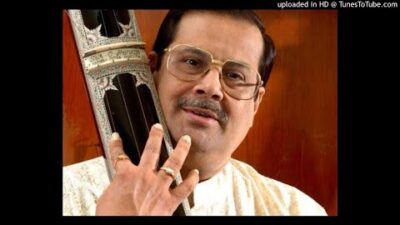
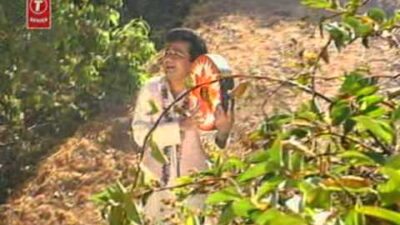
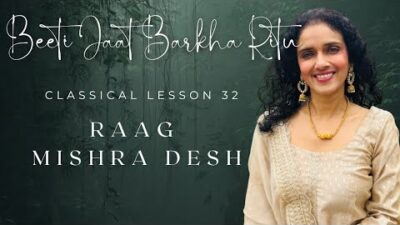
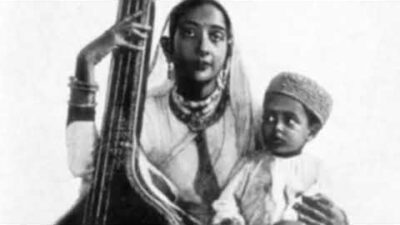
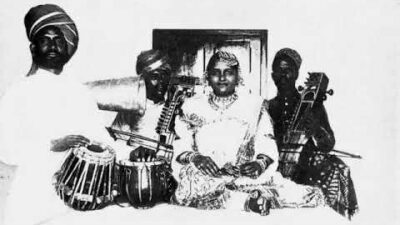


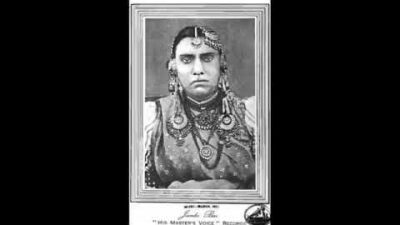
राग-सूची के गीत · From the Raag Register
फ़िल्मी गीत इस राग में · Famous Film Songs
इस राग के कलाकार · Notable Artists
ताल-साथी · Taal Pairings
मिलते-जुलते राग · Similar Raags
शास्त्र-सूत्र · Shastra Threads
श्रवण-कक्ष · The Listening Room
सुनिए — काफी · Hear the Raag
Raga Mishra Kafi | Pandit Nikhil Banerjee | Sitar
प्रश्नोत्तर
Questions & Answersराग काफी में कौन से नोट्स हैं?
राग काफी आरोहण: सा रे॒ ग म प ध॒ नि सˊ अवरोहण: सˊ नि ध॒ प म ग रे॒ स मुख्य विशेषता: कोमल रे और कोमल ध (फ्लैट नोट्स)।
अंग्रेज़ी में पढ़ें · Read in English
What notes are in Raag Kafi? — Raag Kafi arohana: Sa Re♭ Ga Ma Pa Dha♭ Ni Sa' Avarohana: Sa' Ni Dha♭ Pa Ma Ga Re♭ Sa Key feature: Komal Re and Komal Dha (flat notes).
साझा कीजिए · Share this Plate