कलाकार विंग · कलाकार-पट्टिका · Artist Plate
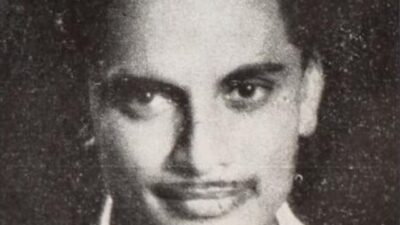
अनिल बिस्वास
Anil Biswas
जन्म1914 — Barisal, Bengal (now Bangladesh)
निधन2003 — Delhi, India
जीवन-पट्टी
The Life Specimen| नाम | अनिल बिस्वास · Anil Biswas |
|---|---|
| जन्म | 1914 — Barisal, Bengal (now Bangladesh) |
| निधन | 2003 — Delhi, India |
| भूमिकाएँ | संगीतकार · रचनाकार |
| सक्रिय वर्ष | 1935–1960s |
| राष्ट्रीयता | Indian |
| विधाएँ | फ़िल्मी · ग़ज़ल · Folk-inspired · Ghazal-influenced · Thumri-influenced |
| भाषाएँ | hindi-urdu · hindi |
पट्टिका-लेख
The Monographजीवनी Biography
अनिल बिस्वास बॉम्बे हिंदी फ़िल्म संगीत के महान ऑर्केस्ट्रेटर और उन कुछ संगीतकारों में से थे जिन्होंने बंगाल-प्रशिक्षित शास्त्रीय शैली और लोक-लोकप्रिय मुहावरे के बीच सफलतापूर्वक पुल बनाया जो 1940 के बाद सिनेमा पर राज करेगा। राजनीतिक विश्वास से कम्युनिस्ट और कांग्रेसी, वह अपने संगीत में एक सामाजिक चेतना लाए जो उन्हें मेहबूब ख़ान और वी. शांताराम जैसे निर्देशकों के साथ जोड़ती थी। बॉम्बे केंद्रित उनका करियर 1930 के दशक के मध्य से 1960 के दशक तक फैला, जिसके दौरान उन्होंने कई प्रमुख प्रस्तुतियों के लिए संगीत बनाया और एक विशिष्ट शैली विकसित की — उत्तर भारतीय लोक-धुन के नीचे समृद्ध ऑर्केस्ट्रल बनावट — जिसने उनके बाद की पूरी पीढ़ी को प्रभावित किया। वह हिंदी फ़िल्म संगीत में पश्चिमी वाद्ययंत्रों के साथ प्रयोग करने वाले पहले संगीतकारों में थे।
अंग्रेज़ी में पढ़ें · Read in English
Anil Biswas was one of Bombay Hindi film music's great orchestrators and one of the few composers who successfully bridged the Bengal-trained classical school and the folk-popular idiom that would come to dominate post-1940 cinema. A communist and Congressman by political conviction, he brought a social consciousness to his music that aligned him with directors like Mehboob Khan and V. Shantaram. His career, centred on Bombay, spanned from the mid-1930s through the 1960s, during which he composed for numerous major productions and developed a signature style — rich orchestral textures beneath North Indian folk-melody — that influenced the entire generation of composers who followed. He was among the first composers to experiment with Western instruments in Hindi film music.
प्रारंभिक जीवन Early Life
1914 में बारिसाल में एक सांस्कृतिक रूप से समृद्ध बंगाली परिवार में जन्मे अनिल बिस्वास युवावस्था में कलकत्ता आए और 1930 के दशक की शुरुआत में बॉम्बे जाने से पहले शहर की फ़िल्म, थिएटर और संगीत संस्कृति को आत्मसात किया। उनकी राजनीतिक शिक्षा — वह वामपंथी सांस्कृतिक संगठनों में गहराई से शामिल थे — ने संगीत को सामाजिक अभिव्यक्ति के रूप में उनकी समझ को आकार दिया।
अंग्रेज़ी में पढ़ें · Read in English
Born in Barisal in 1914 into a culturally rich Bengali family, Anil Biswas came to Calcutta as a young man and absorbed the city's film, theatre and music culture before making his way to Bombay in the early 1930s. His political education — he was deeply involved in leftist cultural organisations — shaped his understanding of music as social expression.
करियर Career
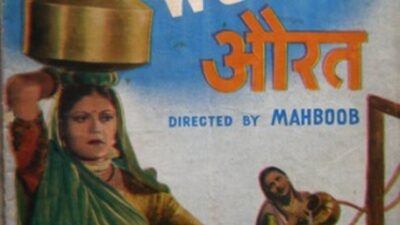
बिस्वास के प्रमुख काम में मेहबूब ख़ान की 'औरत' (1940), 'नज्मा' (1943), 'अनोखी अदा' (1948), 'आरज़ू' (1950) और 'तराना' (1951) शामिल हैं। वह भारतीय फ़िल्म संगीत में पूर्ण पश्चिमी ऑर्केस्ट्रा का उपयोग करने वाले पहले लोगों में थे, और हिंदुस्तानी-रजिस्टर रचनाओं में बंगाली लोक-धुनें बुनने की तकनीक विकसित की। लता मंगेशकर के साथ उनके जुड़ाव ने उनकी कुछ बेहतरीन शुरुआती रिकॉर्डिंग दीं।
अंग्रेज़ी में पढ़ें · Read in English
Biswas's major works include Mehboob Khan's Aurat (1940), Najma (1943), Anokhi Ada (1948), Arzoo (1950), and Tarana (1951). He was among the first to use a full Western orchestra in Indian film music, and developed the technique of weaving Bengali folk melodies into Hindustani-register compositions. His association with Lata Mangeshkar produced some of her finest early recordings.
विरासत Legacy
अनिल बिस्वास अपने समकालीनों की तुलना में कम आँके गए हैं — उनका काम ओ.पी. नैयर की लय क्रांति और 1950 के दशक की शंकर-जयकिशन की ऑर्केस्ट्रल भव्यता से पहले का है और कुछ मायनों में उसकी पूर्वसूचना देता है। उनकी सामाजिक-यथार्थवादी प्रतिबद्धताओं ने उनकी सर्वोत्तम संगीत-पट्टियों को एक नैतिक गंभीरता दी जो व्यावसायिक फ़िल्म संगीत में दुर्लभ है।
अंग्रेज़ी में पढ़ें · Read in English
Anil Biswas is underrated relative to his contemporaries — his work pre-dates and in some ways prefigures the O.P. Nayyar rhythm revolution and the Shankar-Jaikishan orchestral grandeur of the 1950s. His social-realist commitments gave his best scores a moral seriousness rare in commercial film music.
गायन-शैली Musical Style
बिस्वास के संगीत-रचना की पहचान पूर्ण पश्चिमी सिम्फनी ऑर्केस्ट्रा का उत्तर भारतीय धुन-सामग्री के साथ एकीकरण था — वह बॉम्बे में हिंदुस्तानी सेटअप के अलंकृत जोड़ के बजाय एक एकीकृत समूह के रूप में तार, पीतल और वुडविंड के लिए संगीत लिखने वाले पहले लोगों में थे। उनकी लोक-जड़ों वाली धुनें, अक्सर बंगाली और उ.प्र. लोक परंपराओं से लेते हुए, उनके काम को एक गर्माहट और सुलभता देती थीं जो शुद्ध शास्त्रीय-व्युत्पन्न रचनाओं में नहीं थी।
अंग्रेज़ी में पढ़ें · Read in English
Biswas's compositional signature was the integration of a full Western symphony orchestra with North Indian melodic material — he was among the first in Bombay to score for strings, brass and woodwinds as a unified ensemble rather than ornamental additions to the Hindustani setup. His folk-rooted melodic lines, often drawing on Bengali and UP folk traditions, gave his work a warmth and accessibility that pure classical-derived compositions lacked.
सांस्कृतिक प्रभाव Cultural Impact
अनिल बिस्वास बॉम्बे के उन पहले संगीतकारों में थे जिन्होंने फ़िल्म ऑर्केस्ट्रा को एकीकृत पश्चिमी समूह के रूप में प्रयोग किया — एक सफलता जो नौशाद की अधिक चर्चित ऑर्केस्ट्रल आकांक्षाओं से पहले थी। उनकी कम्युनिस्ट राजनीति ने हिंदी फ़िल्मी संगीत में एक सामाजिक-यथार्थवादी गंभीरता लाई। वे लता मंगेशकर के करियर के महत्त्वपूर्ण शुरुआती समर्थक थे।
अंग्रेज़ी में पढ़ें · Read in English
Anil Biswas was among the first Bombay composers to treat the film orchestra as a unified Western ensemble — a breakthrough that preceded Naushad's more celebrated orchestral ambitions. His Communist politics brought a social-realist seriousness to Hindi film music rarely seen in commercial cinema. He was a crucial early patron of Lata Mangeshkar's career.
तालीम, विधाएँ और भाषाएँ
Training · Genres · Languagesतालीम · Training
कलकत्ता के वामपंथी सांस्कृतिक परिवेश में स्व-प्रशिक्षित; IPTA की भागीदारी ने उनके संगीत-मूल्यों को आकार दिया
पश्चिमी ऑर्केस्ट्रल बनावट और लोक-सुर सुलभता के साथ बंगाली-जड़ों वाली हिंदुस्तानी रचना-शैली
विधाएँ · Genres
भाषाएँ · Languages Sung
जीवन-रेखा
Career Highlights-
1940
'औरत' (मेहबूब ख़ान) — पहला प्रमुख सामाजिक-यथार्थवादी सहयोग, बॉम्बे करियर की स्थापना
Aurat (Mehboob Khan) — first major social-realist collaboration establishing his Bombay career
- 1943 'किस्मत' — अमीरबाई कर्नाटकी की 'दूर हटो ऐ दुनिया वालों' संगीतबद्ध की Kismet — scored Amirbai Karnataki's 'Door Hato Ae Duniya Walo', wartime anthem
-
1950
'आर्ज़ू' — तलत महमूद के साथ 'ऐ दिल मुझे ऐसी जगह ले चल', फ़िल्म में उर्दू रोमांटिक विलाप को परिभाषित किया
Arzoo — 'Ae Dil Mujhe Aisi Jagah Le Chal' with Talat Mahmood, defining the Urdu romantic lament in film
-
1951
'तराना' — मील-पत्थर ऑर्केस्ट्रल संगीत, उनके पश्चिमी-हिंदुस्तानी संयोजन की पूर्णतम अभिव्यक्ति
Tarana — landmark orchestral score, the fullest expression of his Western-Hindustani synthesis
पुरस्कार एवं सम्मान
Awards & Recognition-
सम्मान
संगीत नाटक अकादमी फेलोशिप (रत्न सदस्य) — आजीवन योगदान के लिए अकादमी का सर्वोच्च सम्मान
Sangeet Natak Akademi Fellowship (Ratna Sadsya) — highest honour of the Akademi for lifetime contribution
अन्य विवरण
More Details- Birth Year
- 1914
- Death Year
- 2003
- Active Years
- 1935–1960s
Early Life
1914 में बारिसाल में एक सांस्कृतिक रूप से समृद्ध बंगाली परिवार में जन्मे अनिल बिस्वास युवावस्था में कलकत्ता आए और 1930 के दशक की शुरुआत में बॉम्बे जाने से पहले शहर की फ़िल्म, थिएटर और संगीत संस्कृति को आत्मसात किया। उनकी राजनीतिक शिक्षा — वह वामपंथी सांस्कृतिक संगठनों में गहराई से शामिल थे — ने संगीत को सामाजिक अभिव्यक्ति के रूप में उनकी समझ को आकार दिया।
Born in Barisal in 1914 into a culturally rich Bengali family, Anil Biswas came to Calcutta as a young man and absorbed the city's film, theatre and music culture before making his way to Bombay in the early 1930s. His political education — he was deeply involved in leftist cultural organisations — shaped his understanding of music as social expression.
Career
बिस्वास के प्रमुख काम में मेहबूब ख़ान की 'औरत' (1940), 'नज्मा' (1943), 'अनोखी अदा' (1948), 'आरज़ू' (1950) और 'तराना' (1951) शामिल हैं। वह भारतीय फ़िल्म संगीत में पूर्ण पश्चिमी ऑर्केस्ट्रा का उपयोग करने वाले पहले लोगों में थे, और हिंदुस्तानी-रजिस्टर रचनाओं में बंगाली लोक-धुनें बुनने की तकनीक विकसित की। लता मंगेशकर के साथ उनके जुड़ाव ने उनकी कुछ बेहतरीन शुरुआती रिकॉर्डिंग दीं।
Biswas's major works include Mehboob Khan's Aurat (1940), Najma (1943), Anokhi Ada (1948), Arzoo (1950), and Tarana (1951). He was among the first to use a full Western orchestra in Indian film music, and developed the technique of weaving Bengali folk melodies into Hindustani-register compositions. His association with Lata Mangeshkar produced some of her finest early recordings.
Legacy
अनिल बिस्वास अपने समकालीनों की तुलना में कम आँके गए हैं — उनका काम ओ.पी. नैयर की लय क्रांति और 1950 के दशक की शंकर-जयकिशन की ऑर्केस्ट्रल भव्यता से पहले का है और कुछ मायनों में उसकी पूर्वसूचना देता है। उनकी सामाजिक-यथार्थवादी प्रतिबद्धताओं ने उनकी सर्वोत्तम संगीत-पट्टियों को एक नैतिक गंभीरता दी जो व्यावसायिक फ़िल्म संगीत में दुर्लभ है।
Anil Biswas is underrated relative to his contemporaries — his work pre-dates and in some ways prefigures the O.P. Nayyar rhythm revolution and the Shankar-Jaikishan orchestral grandeur of the 1950s. His social-realist commitments gave his best scores a moral seriousness rare in commercial film music.
Musical Style
बिस्वास के संगीत-रचना की पहचान पूर्ण पश्चिमी सिम्फनी ऑर्केस्ट्रा का उत्तर भारतीय धुन-सामग्री के साथ एकीकरण था — वह बॉम्बे में हिंदुस्तानी सेटअप के अलंकृत जोड़ के बजाय एक एकीकृत समूह के रूप में तार, पीतल और वुडविंड के लिए संगीत लिखने वाले पहले लोगों में थे। उनकी लोक-जड़ों वाली धुनें, अक्सर बंगाली और उ.प्र. लोक परंपराओं से लेते हुए, उनके काम को एक गर्माहट और सुलभता देती थीं जो शुद्ध शास्त्रीय-व्युत्पन्न रचनाओं में नहीं थी।
Biswas's compositional signature was the integration of a full Western symphony orchestra with North Indian melodic material — he was among the first in Bombay to score for strings, brass and woodwinds as a unified ensemble rather than ornamental additions to the Hindustani setup. His folk-rooted melodic lines, often drawing on Bengali and UP folk traditions, gave his work a warmth and accessibility that pure classical-derived compositions lacked.
अभिलेख-सार
Discography Summary| संग्रह में गीत | 24 — नीचे जुड़े हुए पन्नों में सूचीबद्ध |
|---|---|
| रिकॉर्डिंग-काल | 1935–1960s |
| प्रमुख भूमिका | संगीतकार · रचनाकार |
| नित्य सहयोगी | Mehboob Khan · Lata Mangeshkar · Talat Mahmood · Surendra · V. Shantaram |
| हस्ताक्षर-गीत | Ae Dil Mujhe Aisi Jagah Le Chal (Arzoo 1950) · Door Hato Ae Duniya Walo (Kismet 1943) |
| स्रोत | derived from available Hindi film music records |
जुड़े हुए पन्ने
Connected Plates · The Graph Made Visibleअटलस में कोई पन्ना अकेला नहीं — अनिल बिस्वास से उनके गीत, फ़िल्में, घराना, समकालीन और युग, सब यहाँ से खुलते हैं।
हस्ताक्षर-गीत · Signature Songs
फ़िल्में · The Films
साझा कीजिए · Share this Plate