गीत विंग · गीत-पट्टिका · Song Plate
छाप तिलक सब छीनी रे — ख़याल, राग काफी
Chhap Tilak Sab Chhini — Khayal, Raag Kafi
ज़ोहरा बाई का अमीर ख़ुसरऊ के आध्यात्मिक रचना का रहस्यवादी प्रदर्शन।
भावभक्ति · Mystical · आध्यात्मिक
भाषाBraj Bhasha · Persian
श्रेय
The Creditsबोल · The Lyrics
पूरे बोल · Full Lyrics
लाज को कहत न आवै, कहु दिल की बिथरे सुनि सुनि जिय जरे
कहत कबीर सुनो भाई साधो, सब संसार में यहु करम कमाई
हरि की भक्ति में लगत कठिन है, माया की जरी से मन न बचाई
और-और सब कछु छीजत है, प्रेम की अलख न जरै कहु राई
Laj ko kahat na aavai, kahu dil ki bithre suni suni jiy jare
Kahat kabir suno bhai sadho, sab sansaar mein yah karam kamayee
Hari ki bhakti mein lagat kathin hai, maya ki jari se man na bachai
Aur-aur sab kuch chhijat hai, prem ki alakh na jare kahu raai
Shame cannot be told, my heart trembles, hearing this, my soul burns
Kabir says, listen friend, in this world only karma remains
Love of the divine is difficult to attain, trapped by the illusion of material wealth
Everything else is perishable, but the flame of divine love never extinguishes
शब्दकोश
Word Meaningsसूत्र-वाक्य · The Hook
सूत्र-वाक्य
ज़ोहरा बाई का अमीर ख़ुसरऊ के आध्यात्मिक रचना का रहस्यवादी प्रदर्शन।
In EnglishZohra Bai's mystical rendering of Amir Khusrau's spiritual masterpiece — a bridge between Sufi poetry and classical music.
पट्टिका-लेख
The Monographपरिचय Overview
“छाप तिलक सब छीनी रे — ख़याल, राग काफी” फ़िल्म Gramophone Company — Second Far Eastern Recording Tour (1904) का हिंदी गीत है। गायन ज़ोहरा बाई अग्रेवाली का है, संगीत ज़ोहरा बाई अग्रेवाली का है, और बोल अमीर ख़ुसरऊ ने लिखे हैं। यह राग Kafi पर आधारित है, Rupak ताल में निबद्ध, Hindustani Classical शैली का गीत। इसका प्रमुख भाव Spiritual है, अवधि 04:12 है, और यह Gramophone Concert Record लेबल से जारी हुआ।
अंग्रेज़ी में पढ़ें · Read in English
“Chhap Tilak Sab Chhini — Khayal, Raag Kafi” is a Hindi film song from Gramophone Company — Second Far Eastern Recording Tour (1904). Rendered by Zohra Bai Agrewali, composed by Zohra Bai Agrewali, with lyrics penned by Amir Khusrau. Musically it set in Raag Kafi, to the Rupak taal, in the Hindustani Classical idiom. Its prevailing mood is spiritual, the recording runs 04:12, released on the gramophone concert record label.
संगीत The Music
राग काफ़ी का कोमल, स्निग्ध स्वभाव ख़ुसरो के रहस्यवादी समर्पण — ईश्वरीय प्रेम में आत्म-विलय — के लिए आदर्श स्वर-ढाँचा रचता है। कोमल नि और कोमल ग की सहज प्रधानता एक अंतर्मुखी, भक्तिमय वातावरण बुनती है।
अंग्रेज़ी में पढ़ें · Read in English
Raag Kafi, with its gentle and tender character, provides the perfect melodic framework for expressing Khusrau's mystical surrender to divine love. The raga's natural emphasis on the soft komal notes (flattened seventh and second) creates an introspective, devotional atmosphere.
काव्य The Poetry
ब्रजभाषा में रची ख़ुसरो की यह बंदिश छाप, तिलक और अपनी पहचान खो बैठने के रूपक से उस रहस्यमय अनुभव को कहती है जिसमें अहं ईश्वरीय प्रेम में घुल जाता है। हिंदू भक्ति-बिंबों और सूफ़ी दर्शन का यह संगम ख़ुसरो की उस भूमिका का दर्पण है जो उन्होंने हिंदू-मुस्लिम संगीत और साहित्य परंपराओं के बीच सेतु बनकर निभाई।
अंग्रेज़ी में पढ़ें · Read in English
Written in Braj Bhasha, Khusrau's text uses the metaphor of losing one's seal, tilak, and identity to describe the mystical experience of losing ego in divine love (fana). The composition synthesizes Hindu devotional imagery with Sufi mystical philosophy, reflecting Khusrau's role as a bridge between Hindu and Muslim musical and literary traditions.
कहानी The Story
अमीर ख़ुसरो (1253–1325) कवि, संगीतज्ञ और सूफ़ी संत — एक साथ सब कुछ थे; दिल्ली के सुल्तानों के दरबार उनकी कर्मभूमि रहे। ख़याल और ग़ज़ल समेत कई संगीत-विधाओं के निर्माण या विकास का श्रेय उन्हें दिया जाता है। तेरहवीं सदी के अंत की यह रचना सूफ़ी मत के मर्म — फ़ना, यानी परमात्मा में अहं का विलय — को व्यक्त करती है।
अंग्रेज़ी में पढ़ें · Read in English
Amir Khusrau (1253-1325) was a polymath poet, musician, and Sufi saint who spent much of his life in Delhi, in the courts of various sultans. He is credited with creating or developing many musical forms including the khayal and ghazal traditions. This composition, written in the late 13th or early 14th century, expresses the core Sufi teaching of fana (annihilation of self in the divine).
विरासत The Legacy
इस रचना का भारतीय संगीत में असाधारण जीवन रहा है। संगीतकार जयदेव ने इसे 1978 की फ़िल्म 'गमन' के लिए ढाला (शायर शहरयार ने बोल सँवारे), और बेगम अख़्तर तथा सिद्धेश्वरी देवी से लेकर राशिद ख़ान और समकालीन कलाकारों तक अनगिनत स्वरों में यह दर्ज होती रही है। यह आज भी भारतीय शास्त्रीय संगीत की सर्वाधिक गाई और परखी जाने वाली रचनाओं में है।
अंग्रेज़ी में पढ़ें · Read in English
This composition has had an extraordinary life in Indian music. It was adapted by the film composer Jaidev for the 1978 film Gaman (with poet Shahryar revising the lyrics), and has since been recorded by artists from Begum Akhtar and Siddheshwari Devi to Rashid Khan and contemporary musicians. It remains one of the most performed and analyzed compositions in Indian classical music.
वर्गीकरण
ClassificationGenre
अन्य विवरण
More Details- Archive of Indian Music
- Bajakhana - Early Sound Recordings
- Google Arts & Culture - Pioneering Musicians
References
रोचक तथ्य
Margin Notesअमीर ख़ुसरऊ को 'हिंदुस्तानी संगीत के पिता' के रूप में जाना जाता है।
अंग्रेज़ी में पढ़ें · Read in English
Amir Khusrau is often called 'the father of Hindustani music' for his pioneering contributions to musical forms that dominated Indian classical music.
इस रचना का उपयोग कई फिल्मों, नाटकीय प्रस्तुतियों और आध्यात्मिक समारोहों में किया गया है।
अंग्रेज़ी में पढ़ें · Read in English
This composition has been used in multiple films, theatrical productions, and spiritual gatherings across India and the diaspora.
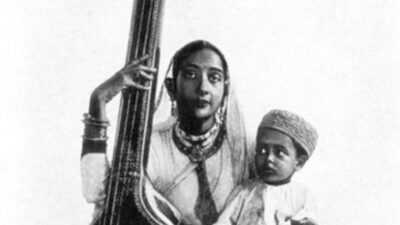
ज़ोहरा बाई अग्रेवाली (1877-1934) एक किंवदंती आगरा घराने की गायिका थीं।
अंग्रेज़ी में पढ़ें · Read in English
Zohra Bai Agrewali (1877-1934) was a legendary Agra gharana singer, famous for her khayal and her recordings of Amir Khusrau compositions.
नमूना-पट्टी
The Specimen Table| शीर्षक | छाप तिलक सब छीनी रे — ख़याल, राग काफी · Chhap Tilak Sab Chhini — Khayal, Raag Kafi |
|---|---|
| वर्ष · युग | 1904 — Gramophone Era |
| गायक | Zohra Bai Agrewali |
| गीतकार | अमीर ख़ुसरऊ |
| संगीतकार | Zohra Bai Agrewali |
| राग | Kafi |
| ताल | {"name":"Rupak","beats":7} |
| अवधि | 04:12 |
| भाषा | Braj Bhasha · Persian |
| वाद्य | Vocals · sarangi · tabla |
| भाव | भक्ति · Mystical · आध्यात्मिक |
| लेबल | Gramophone Concert Record |
| बोल-स्थिति | सार्वजनिक |
जुड़े हुए पन्ने
Connected Plates · The Graph Made Visibleअटलस में कोई पन्ना अकेला नहीं — इस गीत से जुड़े गीत, कलाकार, फ़िल्म, राग-ताल-विधा, सब यहाँ से खुलते हैं।
मिलते-जुलते गीत · Related Songs
कलाकार · The Artists
शास्त्र-सूत्र · Shastra Threads
युग · The Era
साझा कीजिए · Share this Plate