गीत विंग · गीत-पट्टिका · Song Plate
बीते जात बरखा ऋतु साजन नहीं आए
Beete Jat Barkha Ritu (The Rains Are Passing)
मानसून समाप्त हो रहा है लेकिन साजन नहीं आए — मलका जान की शाश्वत ग़ज़ल।
भावविरह · उदास · Yearning
भाषाHindustani गतिमध्यम स्वरूपएकल महिला
श्रेय
The Creditsबोल · The Lyrics
पूरे बोल · Full Lyrics
मेरी बेला बिता गई हरि बिन आए
Meri Bela Bita Gayi Hari Bin Aaye
सूत्र-वाक्य · The Hook
सूत्र-वाक्य
मानसून समाप्त हो रहा है लेकिन साजन नहीं आए — मलका जान की शाश्वत ग़ज़ल।
In EnglishThe rainy season fades without my beloved's return — Malka Jaan's immortal thumri about longing, separation, and the cruel passage of time.
पट्टिका-लेख
The Monographपरिचय Overview
“बीते जात बरखा ऋतु साजन नहीं आए” 1903 की अत्यंत लोकप्रिय रिकॉर्डिंग है। इसे मलका जान ने स्वर दिया है, और बोल अज्ञात ने लिखे हैं। यह राग Desh पर आधारित है, Kaharva ताल में निबद्ध, Thumri शैली का गीत। इसका प्रमुख भाव Melancholic है, अवधि 3:28 है, और यह The Gramophone Company लेबल से जारी हुआ।
अंग्रेज़ी में पढ़ें · Read in English
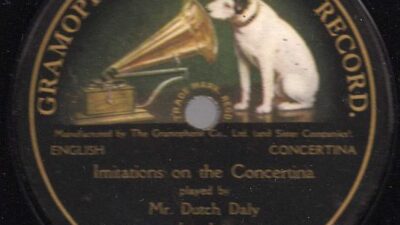
“Beete Jat Barkha Ritu (The Rains Are Passing)” is a immensely popular recording from 1903. It is sung by Malka Jaan, with lyrics penned by Traditional. Musically it set in Raag Desh, to the Kaharva taal, in the Thumri idiom. Its prevailing mood is melancholic, the recording runs 3:28, released on the the gramophone company label.
संगीत The Music
राग देश में, मलका जान अग्रा तुम्हरी शैली का उपयोग करती हैं। रिकॉर्डिंग उनकी विशिष्ट आवाज़ की गुणवत्ता को पकड़ती है।
अंग्रेज़ी में पढ़ें · Read in English
In Raag Desh, Malka Jaan employs the Agra thumri style — restrained ornamentation, attention to word-meaning, warm lower register. The taal (Kaharva) provides a gentle, flowing rhythm. The recording captures her distinctive vocal timbre and her mastery of alaap (melodic elaboration) within the confines of a 3:28 cylinder.
काव्य The Poetry
यह तुम्हरी वियोग (विप्रलम्भ) की भावनात्मक संरचना को पकड़ता है — साजन मानसून के दौरान नहीं लौटते। 'बेला' (क्षण/ऋतु) समाप्त हो जाती है।
अंग्रेज़ी में पढ़ें · Read in English
This thumri captures the emotional architecture of Vipralambha (separation) — the beloved does not return during the monsoon. The 'bela' (moment/season) passes; youth fades. It's a meditation on feminine vulnerability and the passage of time, themes central to the thumri tradition.
कहानी The Story
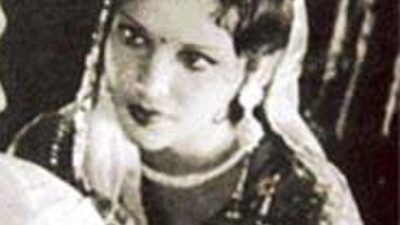
अग्रा की मलका जान (1859-1912) अपने युग की सबसे प्रसिद्ध वेश्याओं में से एक थीं। 'बीते जात बरखा' उनके हस्ताक्षर टुकड़ों में से एक बन गया। यह 1903 की रिकॉर्डिंग उन्हें अपने 40 के दशक में उनकी कलात्मक महारत की ऊंचाई पर पकड़ती है।
अंग्रेज़ी में पढ़ें · Read in English
Malka Jaan of Agra (1859-1912) was one of the most celebrated courtesans of her era — a patroness of music and a vocalist of extraordinary skill. 'Beete Jat Barkha' became one of her signature pieces, recorded multiple times on gramophone. This 1903 recording captures her in her mid-40s, at the height of her artistic mastery. The song became so popular it was pressed in multiple copies and distributed widely across India.
विरासत The Legacy
यह रिकॉर्डिंग प्रमाण है कि मलका जान की ख्याति वास्तविक स्वर कला पर निर्भर थी। तुम्हरी फ़ॉर्म उनकी आवाज़ और व्याख्या प्रतिभा के लिए बिल्कुल उपयुक्त था। उनके 'बीते जात बरखा' ने सभी बाद की तुम्हरी रिकॉर्डिंग के लिए मानक तय किया।
अंग्रेज़ी में पढ़ें · Read in English
This recording stands as proof that Malka Jaan's fame rested on genuine vocal artistry, not mere novelty. The thumri form — intimate, personal, emotionally direct — suited her voice and her interpretive gifts perfectly. Modern listeners can hear why she was revered as a musician. Her 'Beete Jat Barkha' set the standard for all subsequent thumri recordings.
वर्गीकरण
Classification- Tempo
- Medium
Genre
अन्य विवरण
More Details- Archive of Indian Music — Malka Jaan
- Bajakhana — Malka Jaan Discography
- Thumri Tradition in Indian Classical Music
References
रोचक तथ्य
Margin Notesमलका जान ने 1900-1910 के बीच 50 से अधिक ग्रामोफोन रिकॉर्ड रिकॉर्ड किए
अंग्रेज़ी में पढ़ें · Read in English
Malka Jaan recorded over 50 gramophone records between 1900-1910, making her one of the most-recorded voices of the early gramophone era
'बीते जात बरखा' इतना लोकप्रिय था कि कई दबाव किए गए थे
अंग्रेज़ी में पढ़ें · Read in English
'Beete Jat Barkha' was so popular that multiple pressings were made — some records sold out within months
मानसून (बरखा) तुम्हरी रचना के लिए एक पारंपरिक ऋतु है
अंग्रेज़ी में पढ़ें · Read in English
The monsoon (barkha) is a traditional season for thumri composition — symbolizing longing, separation, and feminine yearning
नमूना-पट्टी
The Specimen Table| शीर्षक | बीते जात बरखा ऋतु साजन नहीं आए · Beete Jat Barkha Ritu (The Rains Are Passing) |
|---|---|
| वर्ष · युग | 1903 — pre independence |
| गायक | Malka Jaan of Agra |
| गीतकार | अज्ञात |
| राग | Desh |
| ताल | {"name_hindi":"काहरवा","name_english":"Kaharva","taal_id":"taal-kaharva","matras":8} |
| स्वरूप | एकल महिला |
| गति | मध्यम |
| अवधि | 3:28 |
| भाषा | Hindustani |
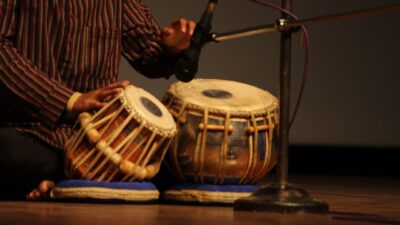
| वाद्य | harmonium · tabla |
| भाव | विरह · उदास · Yearning |
| लेबल | The Gramophone Company |
| लोकप्रियता | Very_popular |
| बोल-स्थिति | सार्वजनिक |
जुड़े हुए पन्ने
Connected Plates · The Graph Made Visibleअटलस में कोई पन्ना अकेला नहीं — इस गीत से जुड़े गीत, कलाकार, फ़िल्म, राग-ताल-विधा, सब यहाँ से खुलते हैं।
मिलते-जुलते गीत · Related Songs
कलाकार · The Artists
शास्त्र-सूत्र · Shastra Threads
साझा कीजिए · Share this Plate