गीत विंग · गीत-पट्टिका · Song Plate
ग़ालिब की ग़ज़ल — वाचन
Ghalib Ghazal Recitation
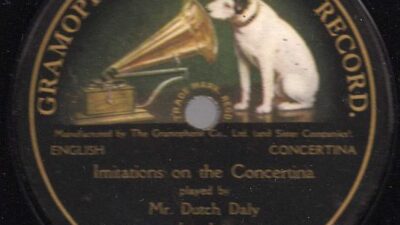
मिर्ज़ा ग़ालिब की मार्मिक ग़ज़लें, श्री अहमद द्वारा 1899 में लंदन में रिकॉर्ड की गईं।
भावउदास · दार्शनिक · Yearning
भाषाUrdu with Hindustani गतिधीमी स्वरूपएकल पुरुष
श्रेय
The Creditsबोल · The Lyrics
पूरे बोल · Full Lyrics
अब के हम जिस मिट्टी में मिलेंगे उसी में रह जाऊंगा
Ab Ke Hum Jis Mitti Mein Milenge Usi Mein Rah Jaunga
सूत्र-वाक्य · The Hook
सूत्र-वाक्य
मिर्ज़ा ग़ालिब की मार्मिक ग़ज़लें, श्री अहमद द्वारा 1899 में लंदन में रिकॉर्ड की गईं।
In EnglishMirza Ghalib's exquisite ghazals, recited with restrained emotion by Mr. Ahemad in London, 1899 — one of the earliest recordings of Urdu poetry.
पट्टिका-लेख
The Monographपरिचय Overview
“ग़ालिब की ग़ज़ल — वाचन” 1899 की कालजयी रिकॉर्डिंग है। इसे श्री अहमद ने स्वर दिया है, और बोल मिर्ज़ा ग़ालिब ने लिखे हैं। Ghazal शैली का गीत। इसका प्रमुख भाव Melancholic है, अवधि 3:12 है, और यह The Gramophone Company लेबल से जारी हुआ।
अंग्रेज़ी में पढ़ें · Read in English
“Ghalib Ghazal Recitation” is a legendary recording from 1899. It is sung by Mr. Ahemad, with lyrics penned by Mirza Ghalib. Musically it is in the Ghazal idiom. Its prevailing mood is melancholic, the recording runs 3:12, released on the the gramophone company label.
संगीत The Music
ग़ज़लें पारंपरिक रूप से वाचित की जाती हैं, संगीतात्मक अर्थ में 'गाई' नहीं जाती हैं। अहमद शास्त्रीय उर्दू वाचन शैली का उपयोग करते हैं।
अंग्रेज़ी में पढ़ें · Read in English
Ghazals are traditionally recited, not 'sung' in the melodic sense. Ahemad employs the classical Urdu recitation style — controlled breath, minimal ornamentation, emphasis on word-meaning over musical expression. The recording captures the intellectual gravitas of ghazal tradition.
काव्य The Poetry
मिर्ज़ा ग़ालिब (1797-1869) को कभी जीवित रहे सर्वश्रेष्ठ उर्दू कवि माना जाता है। उनकी ग़ज़लें फ़ारसी सुंदरता और हिंदुस्तानी भावना को मिलाती हैं।
अंग्रेज़ी में पढ़ें · Read in English
Mirza Ghalib (1797-1869) is considered the finest Urdu poet who ever lived. His ghazals marry Persian elegance with Hindustani sentiment, creating couplets of extraordinary depth. This particular couplet speaks of silence, death, and the earth — quintessential Ghalib themes of transience and dignity in loss.
कहानी The Story
1899 में जब ग्रामोफोन कंपनी ने लंदन में भारतीय आवाज़ें रिकॉर्ड कीं, उर्दू कविता उच्च सांस्कृतिक प्रतिष्ठा रखती थी। गैर-हिंदी हिंदुस्तानी रिकॉर्ड्स में से 5 उर्दू थे।
अंग्रेज़ी में पढ़ें · Read in English
When The Gramophone Company recorded Indian voices in London in 1899, Urdu poetry held high cultural prestige. Of the 20 non-Hindi Hindustani records made, 5 were Urdu — including this recitation by Ahemad. His choice of Ghalib (who had died just 30 years prior) reflects how recent Ghalib's legacy was, and how deeply respected his poetry remained.
विरासत The Legacy
यह रिकॉर्डिंग ग्रामोफोन द्वारा उर्दू साहित्य संस्कृति की पहली मान्यता का क्षण दर्शाती है। यह उर्दू ग़ज़ल परंपरा की सबसे पुरानी ऑडियो दस्तावेज़ी है।
अंग्रेज़ी में पढ़ें · Read in English
This recording marks a pivotal moment: the gramophone's first validation of Urdu literary culture. While Ghalib had no voice recordings during his lifetime (he died before the phonograph's commercial rise), this 1899 recitation ensured that his poetry — transmitted orally for decades — could now be preserved in mechanical form. It is the earliest audio documentation of Urdu ghazal tradition.
वर्गीकरण
Classification- Tempo
- Slow
Genre
अन्य विवरण
More Details- Gramophone Company Hindustani Records Catalog (1899)
- Mirza Ghalib — Poetry and Life
- Archive of Indian Music — Early Urdu Recordings
References
रोचक तथ्य
Margin Notesग़ालिब 1869 में मर गए — इस रिकॉर्डिंग से केवल 30 साल पहले
अंग्रेज़ी में पढ़ें · Read in English
Ghalib died in 1869 — just 30 years before this recording. His contemporaries could have heard this recitation
1899 लंदन सत्र में केवल 5 उर्दू रिकॉर्ड बनाए गए थे
अंग्रेज़ी में पढ़ें · Read in English
Only 5 Urdu records were made in the 1899 London session, making Urdu recordings far rarer than Hindi
ग़ज़ल का रूप — स्वायत्त दोहे कोई कथात्मक चाप नहीं — शुरुआती फोनोग्राफ के समय सीमा के लिए अद्वितीय चुनौतियां प्रस्तुत करते हैं
अंग्रेज़ी में पढ़ें · Read in English
The ghazal form — autonomous couplets with no narrative arc — presented unique challenges for early phonograph recording's strict time limits
नमूना-पट्टी
The Specimen Table| शीर्षक | ग़ालिब की ग़ज़ल — वाचन · Ghalib Ghazal Recitation |
|---|---|
| वर्ष · युग | 1899 — pre independence |
| गायक | श्री अहमद |
| गीतकार | Mirza Ghalib |
| राग | Unspecified |
| ताल | {"name_hindi":"अनिर्दिष्ट","name_english":"Unspecified","taal_id":null,"matras":null} |
| स्वरूप | एकल पुरुष |
| गति | धीमी |
| अवधि | 3:12 |
| भाषा | Urdu with Hindustani |
| वाद्य | Voice only |
| भाव | उदास · दार्शनिक · Yearning |
| लेबल | The Gramophone Company |
| लोकप्रियता | Legendary |
| बोल-स्थिति | सार्वजनिक |
जुड़े हुए पन्ने
Connected Plates · The Graph Made Visibleअटलस में कोई पन्ना अकेला नहीं — इस गीत से जुड़े गीत, कलाकार, फ़िल्म, राग-ताल-विधा, सब यहाँ से खुलते हैं।
कलाकार · The Artists
साझा कीजिए · Share this Plate