गीत विंग · गीत-पट्टिका · Song Plate
दिल-ए-नादान तुझे हुआ क्या है — भैरवी ग़ज़ल
Dil-e-Nadan Tujhe Hua Kya Hai — Bhairavi Ghazal
मिर्ज़ा ग़ालिब की सबसे प्रसिद्ध ग़ज़ल — उस दिल का दार्शनिक प्रश्न जो दर्द जानते हुए भी प्रेम करता है।
भावIntrospective · उदास · दार्शनिक
भाषाUrdu · Persian
श्रेय
The Creditsशब्दकोश
Word Meaningsसूत्र-वाक्य · The Hook
सूत्र-वाक्य
मिर्ज़ा ग़ालिब की सबसे प्रसिद्ध ग़ज़ल — उस दिल का दार्शनिक प्रश्न जो दर्द जानते हुए भी प्रेम करता है।
In EnglishMirza Ghalib's most famous ghazal — the philosophical questioning of a heart that loves despite knowing love brings only pain.
पट्टिका-लेख
The Monographपरिचय Overview
“दिल-ए-नादान तुझे हुआ क्या है — भैरवी ग़ज़ल” फ़िल्म Gramophone Company — First Indian Recordings (1903) का हिंदी गीत है। इसमें मल्का जान आगरा की आवाज़ है, संगीत मल्का जान आगरा का है, और बोल मिर्ज़ा ग़ालिब ने लिखे हैं। यह राग Bhairavi पर आधारित है, Keherwa ताल में निबद्ध, Ghazal शैली का गीत। इसका प्रमुख भाव Philosophical है, अवधि 03:20 है, और यह Gramophone Concert Record लेबल से जारी हुआ।
अंग्रेज़ी में पढ़ें · Read in English
“Dil-e-Nadan Tujhe Hua Kya Hai — Bhairavi Ghazal” is a Hindi film song from Gramophone Company — First Indian Recordings (1903). The voice belongs to Malka Jaan of Agra, composed by Malka Jaan of Agra, with lyrics penned by Mirza Ghalib. Musically it set in Raag Bhairavi, to the Keherwa taal, in the Ghazal idiom. Its prevailing mood is philosophical, the recording runs 03:20, released on the gramophone concert record label.
संगीत The Music
भैरवी में सेट — आत्मनिरीक्षण ग़ज़ल के लिए सबसे उपयुक्त राग।
अंग्रेज़ी में पढ़ें · Read in English
Set in Bhairavi — the raga most suited to introspective ghazal. The descending phrases of Bhairavi mirror the downward emotional trajectory of the poem — from questioning to resignation to acceptance of incurable pain.
काव्य The Poetry
ग़ालिब की प्रतिभा दिल को 'नादान' कहने में है — वह दर्द अनुभव करने के बावजूद प्रेम करता रहता है।
अंग्रेज़ी में पढ़ें · Read in English
Ghalib's genius lies in addressing the heart as 'nadan' (naive) — it keeps falling in love despite experiencing pain. The matla (opening couplet) poses a rhetorical question that the entire ghazal explores without resolving. This unresolved quality is the essence of great ghazal poetry.
कहानी The Story
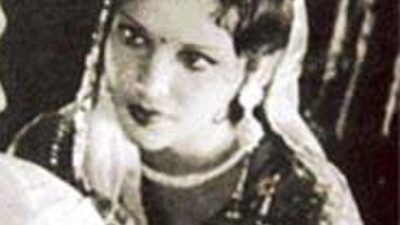
मल्का जान आगरा व्यावसायिक रिकॉर्डिंग करने वाली पहली पीढ़ी की भारतीय महिलाओं में थीं।
अंग्रेज़ी में पढ़ें · Read in English
Malka Jaan of Agra was part of the first generation of Indian women to record commercially. The choice to record Ghalib's ghazal demonstrates the cultural authority these women carried — they were custodians of the highest literary tradition.
विरासत The Legacy
यह ग़ज़ल सैकड़ों कलाकारों द्वारा रिकॉर्ड की गई है — बेगम अख़्तर, मेहदी हसन, जगजीत सिंह, ग़ुलाम अली।
अंग्रेज़ी में पढ़ें · Read in English
This ghazal has been recorded by hundreds of artists across the 20th century — Begum Akhtar, Mehdi Hassan, Jagjit Singh, Ghulam Ali. Every interpretation adds new layers, but the fundamental question remains unanswered: what cure exists for the pain of loving?
ऐतिहासिक महत्व Historical Significance
मिर्ज़ा ग़ालिब की कविता की सबसे प्रारंभिक ऑडियो रिकॉर्डिंग में से एक — 19वीं सदी की मुशायरा परंपरा को 20वीं सदी के ग्रामोफोन युग से जोड़ती है।
अंग्रेज़ी में पढ़ें · Read in English
Among the earliest audio recordings of Mirza Ghalib's poetry — connecting the 19th-century mushairah tradition to the 20th-century gramophone era.
वर्गीकरण
ClassificationGenre
अन्य विवरण
More Details- Archive of Indian Music
- Bajakhana - Early Sound Recordings
- Google Arts & Culture - Pioneering Musicians
- Bajakhana - Malka Jan Agrawale Discography
References
रोचक तथ्य
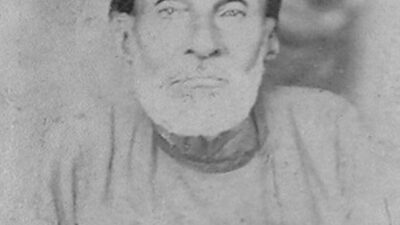
Margin Notesमिर्ज़ा ग़ालिब (1797-1869) को सबसे महान उर्दू कवि माना जाता है। यह ग़ज़ल अक्सर उर्दू साहित्य पाठ्यक्रमों में छात्रों को पहले सिखाई जाती है।
अंग्रेज़ी में पढ़ें · Read in English
Mirza Ghalib (1797-1869) is considered the greatest Urdu poet. This ghazal is often the first one students learn in Urdu literature courses.
मल्का जान आगरा को मल्का जान कलकत्ता (गौहर जान की माँ) से भ्रमित नहीं करना चाहिए। दोनों 1900 के दशक की प्रमुख संगीतकार थीं।
अंग्रेज़ी में पढ़ें · Read in English
Malka Jaan of Agra should not be confused with Malka Jaan of Calcutta (Gauhar Jaan's mother). Both were prominent musicians in the early 1900s.
'नादान' शब्द ग़ालिब की कई ग़ज़लों में आता है — प्रेम मामलों में दिल की मूर्खता उनका आवर्ती विषय था।
अंग्रेज़ी में पढ़ें · Read in English
The word 'nadan' appears in multiple Ghalib ghazals — his recurring theme of the heart's foolishness in matters of love.
आगरा हिंदुस्तानी संगीत का प्रमुख केंद्र था, आगरा घराने का घर। मल्का जान ने इस परंपरा को रिकॉर्डिंग युग में ले गईं।
अंग्रेज़ी में पढ़ें · Read in English
Agra was a major center of Hindustani music, home to the Agra gharana. Malka Jaan carried this tradition into the recording age.
संस्करण और कवर
Covers & Versions| कलाकार | वर्ष | विवरण |
|---|---|---|
| Begum Akhtar | 1955 | Definitive ghazal interpretation |
| Mehdi Hassan | 1970 | Pakistani ghazal king's rendition |
| Jagjit Singh | 1985 | Modern ghazal treatment |
नमूना-पट्टी
The Specimen Table| शीर्षक | दिल-ए-नादान तुझे हुआ क्या है — भैरवी ग़ज़ल · Dil-e-Nadan Tujhe Hua Kya Hai — Bhairavi Ghazal |
|---|---|
| वर्ष · युग | 1903 — Gramophone Era |
| गायक | Malka Jaan of Agra |
| गीतकार | Mirza Ghalib |
| संगीतकार | Malka Jaan of Agra |
| राग | Bhairavi |
| ताल | {"name":"Keherwa or Dadra","taal_id":"taal-keherwa","beats":8,"notes":"Ghazals are typically set in lighter taals."} |
| अवधि | 03:20 |
| भाषा | Urdu · Persian |
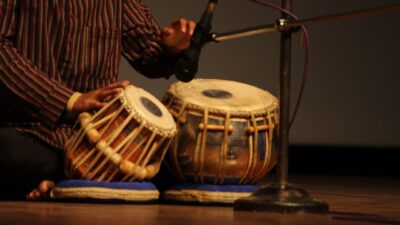
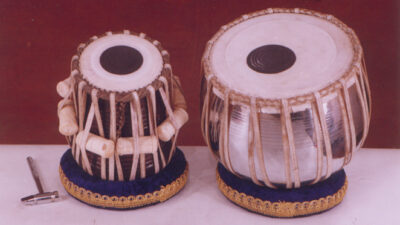
| वाद्य | Vocals · harmonium · tabla |
| भाव | Introspective · उदास · दार्शनिक |
| लेबल | Gramophone Concert Record |
| बोल-स्थिति | सार्वजनिक |
जुड़े हुए पन्ने
Connected Plates · The Graph Made Visibleअटलस में कोई पन्ना अकेला नहीं — इस गीत से जुड़े गीत, कलाकार, फ़िल्म, राग-ताल-विधा, सब यहाँ से खुलते हैं।
मिलते-जुलते गीत · Related Songs
कलाकार · The Artists
शास्त्र-सूत्र · Shastra Threads
युग · The Era
साझा कीजिए · Share this Plate