गीत विंग · गीत-पट्टिका · Song Plate
बालम आओ मोहे ऐसे तरसाओ ना — झिंझोटी दादरा
Baalam Aao Mohe Aise Tarsaao Na — Jhinjhoti Dadra
झिंझोटी में एक चमकीला, अधीर दादरा — नायिका खेल-खेल में प्रिय से तड़पाना बंद करने की माँग करती है।
भावImpatient · चुलबुला · रोमांटिक
भाषाBraj Bhasha
श्रेय
The Creditsशब्दकोश
Word Meaningsसूत्र-वाक्य · The Hook
सूत्र-वाक्य
झिंझोटी में एक चमकीला, अधीर दादरा — नायिका खेल-खेल में प्रिय से तड़पाना बंद करने की माँग करती है।
In EnglishA bright, impatient dadra in Jhinjhoti — the nayika playfully demands her beloved stop making her wait.
पट्टिका-लेख
The Monographपरिचय Overview
“बालम आओ मोहे ऐसे तरसाओ ना — झिंझोटी दादरा” फ़िल्म Gramophone Company — First Indian Recordings (1903) का हिंदी गीत है। गायन गौहर जान का है, संगीत गौहर जान का है, और बोल गौहर जान (स्वरचित) ने लिखे हैं। यह राग Jhinjhoti पर आधारित है, Dadra ताल में निबद्ध, Hindustani Classical शैली का गीत। इसका प्रमुख भाव Playful है, अवधि 02:55 है, और यह Gramophone Concert Record लेबल से जारी हुआ।
अंग्रेज़ी में पढ़ें · Read in English
“Baalam Aao Mohe Aise Tarsaao Na — Jhinjhoti Dadra” is a Hindi film song from Gramophone Company — First Indian Recordings (1903). Rendered by Gauhar Jaan, composed by Gauhar Jaan, with lyrics penned by Gauhar Jaan (self-composed). Musically it set in Raag Jhinjhoti, to the Dadra taal, in the Hindustani Classical idiom. Its prevailing mood is playful, the recording runs 02:55, released on the gramophone concert record label.
संगीत The Music
राग झिंझोटी का उज्ज्वल चरित्र एक ऊर्ध्वमुखी भावनात्मक प्रक्षेपवक्र बनाता है — अधीरता मिश्रित आशा।
अंग्रेज़ी में पढ़ें · Read in English
Raag Jhinjhoti's bright, ascending character (with its emphasis on Ga-Ma-Pa) creates an upward emotional trajectory — hope mixed with impatience. The dadra taal's swinging six-beat cycle encourages almost dance-like movement, making this a performance piece as much as a vocal composition.
काव्य The Poetry
'तरसाओ ना' शुद्ध दादरा याचना है — सीधी, थोड़ी रूठी हुई, पूर्णतः आकर्षक।
अंग्रेज़ी में पढ़ें · Read in English
'Tarsaao na' is a quintessential dadra plea — direct, slightly petulant, utterly charming. Unlike the philosophical depth of ghazal or the elaborate metaphors of khayal, dadra poetry achieves its effect through emotional simplicity and rhythmic repetition.
कहानी The Story
दादरा विधा नृत्य-केंद्रित महफ़िलों से उत्पन्न हुई जहाँ संगीत और गति अभिन्न थे।
अंग्रेज़ी में पढ़ें · Read in English
The dadra genre originated in the dance-focused mehfils where music and movement were inseparable. Gauhar Jaan, who was as celebrated a dancer as she was a singer, would have performed this with characteristic physical expressiveness.
विरासत The Legacy
चंचल-रोमांटिक दादरा परंपरा अर्ध-शास्त्रीय संगीत में फलती-फूलती रही है।
अंग्रेज़ी में पढ़ें · Read in English
The playful-romantic dadra tradition continues to thrive in semi-classical music. Bollywood adapted this energy for countless songs where the heroine teases or demands her lover's attention.
ऐतिहासिक महत्व Historical Significance
दादरा विधा की सबसे प्रारंभिक रिकॉर्डिंग में से एक।
अंग्रेज़ी में पढ़ें · Read in English
Among the earliest recordings of the dadra genre, preserving a form that was primarily an oral/performance tradition.
वर्गीकरण
ClassificationGenre
अन्य विवरण
More Details- Archive of Indian Music
- Bajakhana - Early Sound Recordings
- Google Arts & Culture - Pioneering Musicians
References
रोचक तथ्य
Margin Notesदादरा का शाब्दिक अर्थ 'छह मात्रा' है — यह ताल और विधा दोनों है।
अंग्रेज़ी में पढ़ें · Read in English
Dadra literally means 'six beats' — it is both a taal (rhythm) and a genre. The genre gets its name from the taal it most commonly uses.
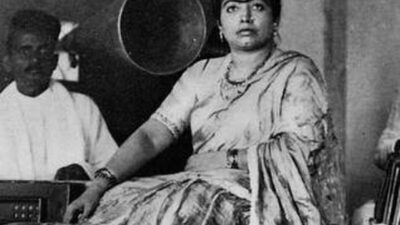
गौहर जान अपने नृत्य के लिए उतनी ही प्रसिद्ध थीं जितनी गायन के लिए — समकालीन विवरण उनके कथक को मंत्रमुग्ध करने वाला बताते हैं।
अंग्रेज़ी में पढ़ें · Read in English
Gauhar Jaan was as famous for her dancing as her singing — contemporary accounts describe her kathak performances as mesmerizing.
'बालम' शब्द हज़ारों हिंदी फिल्मी गानों में आता है — यहाँ इसका प्रयोग बॉलीवुड से दशकों पहले है।
अंग्रेज़ी में पढ़ें · Read in English
The word 'baalam' appears in thousands of Hindi film songs — its use here predates Bollywood by decades.
नमूना-पट्टी
The Specimen Table| शीर्षक | बालम आओ मोहे ऐसे तरसाओ ना — झिंझोटी दादरा · Baalam Aao Mohe Aise Tarsaao Na — Jhinjhoti Dadra |
|---|---|
| वर्ष · युग | 1903 — Gramophone Era |
| गायक | Gauhar Jaan |
| गीतकार | Gauhar Jaan |
| संगीतकार | Gauhar Jaan |
| राग | Jhinjhoti |
| ताल | {"name":"Dadra (6 beats)","taal_id":"taal-dadra","beats":6,"notes":"The dadra taal lends a swinging, dance-like rhythm."} |
| अवधि | 02:55 |
| भाषा | Braj Bhasha |
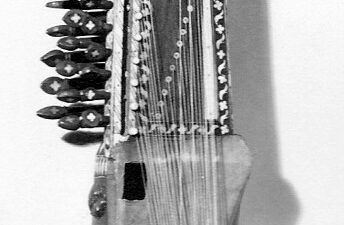
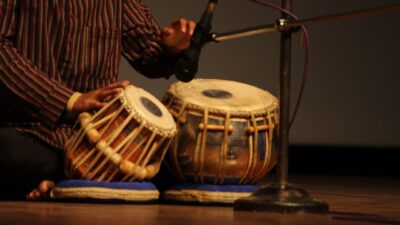
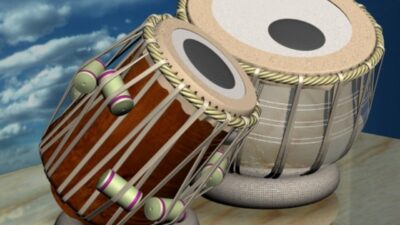
| वाद्य | Vocals · sarangi · tabla · tanpura |
| भाव | Impatient · चुलबुला · रोमांटिक |
| लेबल | Gramophone Concert Record |
| बोल-स्थिति | सार्वजनिक |
जुड़े हुए पन्ने
Connected Plates · The Graph Made Visibleअटलस में कोई पन्ना अकेला नहीं — इस गीत से जुड़े गीत, कलाकार, फ़िल्म, राग-ताल-विधा, सब यहाँ से खुलते हैं।
मिलते-जुलते गीत · Related Songs
कलाकार · The Artists
शास्त्र-सूत्र · Shastra Threads
युग · The Era
साझा कीजिए · Share this Plate