शास्त्र विंग · राग-पट्टिका · Raag Plate
झिंझोटी
Jhinjhoti
खेलपूर्ण रात्रि राग · The Playful Night Raag
भावमनोरंजक · हल्का · रोमांटिक · छेड़खानी · युवा
गतिmadhya_to_drut ऊर्जामध्यम
अन्य नामJhinjooti · Jhinjoti
स्वर-चित्र · The Swara Panel
आरोह — अवरोह · The Ascent and the Descent
आरोह · Aroha चढ़ती हुई सीढ़ी
अवरोह · Avaroha उतरती हुई सीढ़ी
सˊ = तार सप्तक का षड्ज
झिंझोटी आरोहण और अवरोहण दोनों में केवल 6 नोट्स का उपयोग करती है, धैवत (ध) को पूरी तरह छोड़ता है।
अंग्रेज़ी में पढ़ें · Read in English
Jhinjhoti uses only 6 notes in both ascent and descent, omitting Dhaivat (Dha) entirely. All notes used are shuddha (natural). This makes Jhinjhoti one of the simplest raags in classical music — yet it is fully capable of sophisticated emotional expression. The absence of Dha (the 6th scale degree) creates a light, almost pentatonic-like character that lends itself to playful, intimate contexts.
वर्जित स्वर — अवरोह में: Dha
पकड़ · पहचान वाक्यांश
रे म प नि
Re Ma Pa Ni
झिंझोटी की विशेषता वाली खेलपूर्ण, आरोही वाक्य।
अंग्रेज़ी में पढ़ें · Read in English
The playful, ascending phrase that characterizes Jhinjhoti.
वादी–संवादी टिप्पणी · Vadi–Samvadi note
Vadi — The most important note — though notably absent in the arohana/avarohana, it is implied in the raag's structure
Samvadi — The second most important note
चलन · स्वर-यात्रा
सा रे ग म प, प नि सˊ, सˊ नि प म ग रे, रे ग म प नि, नि प म ग रे स
Sa Re Ga Ma Pa, Pa Ni Sa', Sa' Ni Pa Ma Ga Re, Re Ga Ma Pa Ni, Ni Pa Ma Ga Re Sa
झिंझोटी की हल्की, खेलपूर्ण विशेषता दिखाने वाली मधुर प्रगति।
अंग्रेज़ी में पढ़ें · Read in English
The melodic progression showing Jhinjhoti's light, playful character.
न्यास स्वर — Sa, Ma, Pa अनुवादी — Re, Ma, Pa, Ni
विशेष स्वर-वाक्य
Characteristic Phrasesसमय और भाव
Time Theory & Moodसमय-सिद्धांत · Time Theory
देर रात (रात्रि साधारण)
रात्रि राग — आमतौर पर शाम और रात के घंटों में गाया जाता है।
Night raag — typically performed in late evening and night hours, suited to intimate gatherings.
No strong seasonal association — can be performed year-round.
भाव और गति · Mood & Tempo
श्रृंगार · Love, Romance
रोमांटिक प्रेम, अंतरंग स्नेह, और खेलपूर्ण छेड़खानी की भावना
madhya_to_drut
ऊर्जा · Energyमध्यम
स्तर · Levelbeginner_friendly — झिंझोटी 6-नोट संरचना के कारण सबसे सरल रागों में से एक है।
लक्षण गीत · The Mnemonic Verse
लक्षण गीत
झिंझोटी रे सा रे ग म प नि, धा नहीं बोले विदवान।
गा वादी निषाद संवादी, रात का राग मनमोहन।
अंग्रेज़ी में पढ़ें · Read in English
Jhinjhoti re Sa Re Ga Ma Pa Ni, Dha nahi bole vidwan.
Ga vadi Nishad samvadi, raat ka rag manmohan.
In Jhinjhoti, use Sa Re Ga Ma Pa Ni (no Dha), say the scholars. Ga is vadi, Ni is samvadi. A charming night raag.
पट्टिका-लेख
The Monographपरिचय Introduction
राग झिंझोटी (झिंझोटी) एक हल्का, मनोरंजक रात्रि राग है जो युवा रोमांस और छेड़खानी की भावना को पकड़ता है।
अंग्रेज़ी में पढ़ें · Read in English
Raag Jhinjhoti (झिंझोटी) is a light, playful night raag that captures the spirit of youthful romance and flirtation. Its name is onomatopoetic, evoking the tinkling sound ('jhin-jho-ti') of dancing ankle bells (ghungroo), directly linking the raag to the courtesan-singer and thumri traditions. With only 6 notes in both ascent and descent — omitting Dhaivat (Dha) entirely — Jhinjhoti has a spare, bright character that is both accessible and emotionally rich. Unlike more complex classical raags, Jhinjhoti is most at home in folk traditions and lighter classical contexts, especially thumri, folk forms, and intimate late-night gatherings. The raag embodies a playful, intimate mood perfect for romantic late-night duets and folk celebrations. Despite its simplicity, Jhinjhoti is capable of profound emotional depth when performed by skilled musicians, proving that sophistication in music need not require complexity of structure.
सांस्कृतिक महत्व Cultural Significance
झिंझोटी अर्ध-शास्त्रीय और लोक संगीत परंपराओं में एक विशेष स्थान रखती है।
अंग्रेज़ी में पढ़ें · Read in English
Jhinjhoti occupies a special niche in semi-classical and folk music traditions, less commonly performed in formal concert settings but beloved in intimate gatherings, thumri traditions, and folk contexts. The raag represents the democratization of classical music — it is accessible to singers and audiences without extensive formal training, yet fully capable of sophisticated emotional expression when in the hands of skilled performers. In Bollywood, Jhinjhoti has appeared in light, romantic, and folk-influenced film songs, helping bring classical raag concepts to mass audiences.
ऐतिहासिक महत्व Historical Significance
राग झिंझोटी संभवतः लोक और अर्ध-शास्त्रीय परंपराओं से उभरा।
अंग्रेज़ी में पढ़ें · Read in English
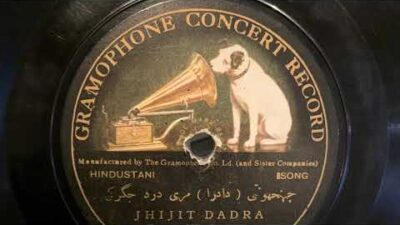
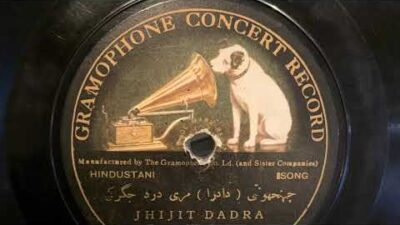
Raag Jhinjhoti likely emerged from folk and semi-classical traditions, developing over centuries in rural and courtesean-singing contexts. It was formalized into the classical system during the 18th-19th centuries. The raag became increasingly popular in gramophone recordings of the early 20th century when its light, accessible character appealed to broad audiences. In the Hindustani classical tradition, Jhinjhoti is documented as a janya (derived) raag of the Khamaj thaat, though it occupies a more prominent place in folk and thumri traditions than in formal concert classical music.
शिक्षा
Teaching & Learning| बंदिश | ताल · लय | बोल |
|---|---|---|
| Teri Aankhon Ke Siva R.D. Burman |
Teentaal | |
| Jhumka Gira Re Bangre Se Traditional |
Dadra |
6-नोट संरचना में महारत हासिल करें।
अंग्रेज़ी में पढ़ें · Read in English
Master the 6-note structure: Sa Re Ga Ma Pa Ni (no Dha in both ascent and descent). This simplicity is Jhinjhoti's strength.
खेलपूर्णता पर जोर दें।
अंग्रेज़ी में पढ़ें · Read in English
Emphasize playfulness — Jhinjhoti is about lightness and flirtation, not melancholy. Use bright, nimble phrasing.
पकड़ (रे म प नि) को खेलपूर्ण तरीके से उछलना चाहिए।
अंग्रेज़ी में पढ़ें · Read in English
The pakad (Re Ma Pa Ni) should bounce playfully — avoid dwelling too long on any single note. Keep the momentum going.
ठुमरी और लोक संदर्भों में, अधिक सजावट की अनुमति दें।
अंग्रेज़ी में पढ़ें · Read in English
In thumri and folk contexts, allow more ornamentation and flexibility — Jhinjhoti is less bound by strict classical rules.
झिंझोटी को बहुत गंभीर बनाना।
अंग्रेज़ी में पढ़ें · Read in English
Making Jhinjhoti too serious or melancholic — forgetting its playful, lighthearted character
सुधार: Maintain a light, buoyant energy. Use rapid, playful phrasing. Think 'tinkling ankle bells' — the raag's namesake.
राग में ध का प्रयोग करना।
अंग्रेज़ी में पढ़ें · Read in English
Using Dha in the raag (violating the shadav structure)
सुधार: Strictly omit Dha in both ascent and descent. This defines Jhinjhoti's character.
तुलना
A Specimen Comparisonदोनों खमाज थाट राग हैं।
| तुलनाSpecimen | झिंझोटी | खमाज |
|---|---|---|
| स्वर-अंतर | Khamaj: Sa Re Ga Ma Pa Dha Ni♭ Sa' | Jhinjhoti: Sa Re Ga Ma Pa Ni Sa' (no Dha) | |
| भाव-अंतर | Khamaj = Festive, Celebratory | Jhinjhoti = Playful, Intimate | |
| समय-अंतर | Khamaj = Evening/Flexible | Jhinjhoti = Night/Intimate | |
रोचक तथ्य
Margin Notesझिंझोटी का नाम ध्वन्यात्मक है, नृत्य की घुंघरू की ध्वनि को प्रदर्शित करता है।
अंग्रेज़ी में पढ़ें · Read in English
The name Jhinjhoti is onomatopoetic, evoking the sound of dancing ankle bells (ghungroo), directly linking the raag to the courtesan-singer and thumri traditions of North India.
केवल 6 नोटों (आरोहण और अवरोहण दोनों में ध नहीं) के साथ, झिंझोटी सबसे सरल रागों में से एक है।
अंग्रेज़ी में पढ़ें · Read in English
With only 6 notes (lacking Dha in both ascent and descent), Jhinjhoti is one of the simplest raags in the Hindustani classical system, yet it is fully capable of profound emotional and aesthetic expression.
झिंझोटी ठुमरी और लोक परंपराओं में अक्सर दिखाई देती है लेकिन औपचारिक हिंदुस्तानी संगीत सभाओं में शायद ही कभी।
अंग्रेज़ी में पढ़ें · Read in English
Jhinjhoti appears frequently in thumri and folk traditions but rarely in formal Hindustani concert settings, reflecting its niche in semi-classical and folk music.
प्रस्तुति
Performance- Description
- रात्रि राग — आमतौर पर शाम और रात के घंटों में गाया जाता है। Night raag — typically performed in late evening and night hours, suited to intimate gatherings.
- Prahar Number
- 8
- Prahar Name
- देर रात (रात्रि साधारण) Late Night (Ratri Sadharan)
- Time Start
- 21:00
- Time End
- 06:00
- Time Flexibility
- flexible
- Time Notes
- Particularly suited to late-night gatherings, intimate contexts, and thumri traditions.
Time
और जानें
More to Know- raag-khamaj — Khamaj — खमाज — Both are Khamaj thaat raags with bright character. Khamaj is festive with 7 notes; Jhinjhoti is playful with only 6 notes (omits Dha). Khamaj is more popular in film music. — दोनों खमाज थाट राग हैं। — Khamaj: Sa Re Ga Ma Pa Dha Ni♭ Sa' | Jhinjhoti: Sa Re Ga Ma Pa Ni Sa' (no Dha) — Khamaj = Festive, Celebratory | Jhinjhoti = Playful, Intimate — Khamaj = Evening/Flexible | Jhinjhoti = Night/Intimate
Comparisons
सीखने के लिए
For Learners- Difficulty Level
- beginner_friendly
नमूना-पट्टी
The Specimen Table| नाम | झिंझोटी · Jhinjhoti |
|---|---|
| थाट | खमाज |
| आरोह | सा रे ग म प नि सˊ |
| अवरोह | सˊ नि प म ग रे स |
| पकड़ | रे म प नि |
| जाति | शडव-शडव · Shadav-Shadav |
| समय | देर रात (रात्रि साधारण) |
| ऋतु | No strong seasonal association — can be performed year-round. |
| गति | madhya_to_drut |
| ऊर्जा | मध्यम |
| प्रकृति | Shuddha |
| परिवार | खमाज परिवार |
| स्तर | beginner_friendly |
| लोकप्रियता | Known |
| कर्नाटक समतुल्य | Dheerashankarabhharanam · Melakarta 29 |
| पाश्चात्य समतुल्य | Major scale with flattened 7th |
| अन्य नाम | Jhinjooti · Jhinjoti |
जुड़े हुए पन्ने
Connected Plates · The Graph Made Visibleअटलस में कोई पन्ना अकेला नहीं — इस राग से गीत, प्रस्तुतियाँ, कलाकार, ताल, घराने और मिलते-जुलते राग, सब यहाँ से खुलते हैं।
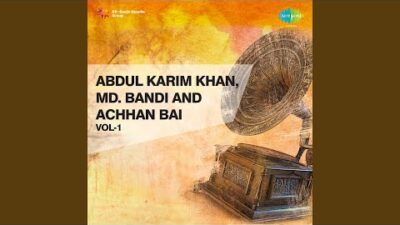
इस राग के गीत · Songs in this Raag
प्रसिद्ध प्रस्तुतियाँ · Legendary Renditions
फ़िल्मी गीत इस राग में · Famous Film Songs
इस राग के कलाकार · Notable Artists
ताल-साथी · Taal Pairings
मिलते-जुलते राग · Similar Raags
शास्त्र-सूत्र · Shastra Threads
श्रवण-कक्ष · The Listening Room
सुनिए — झिंझोटी · Hear the Raag
Raga Jhinjhoti | Shiv Kumar Sharma & Hari Prasad Chaurasia
प्रश्नोत्तर
Questions & Answersराग झिंझोटी में कितने नोट हैं?
राग झिंझोटी में 6 नोट हैं: सा रे ग म प नि (ध नहीं)। आरोहण और अवरोहण दोनों में ध अनुपस्थित है।
अंग्रेज़ी में पढ़ें · Read in English
How many notes are in Raag Jhinjhoti? — Raag Jhinjhoti has 6 notes: Sa Re Ga Ma Pa Ni (no Dha). Dha is absent in both ascent and descent.
झिंझोटी का नाम क्या मायने रखता है?
झिंझोटी का नाम ध्वन्यात्मक है, घुंघरू (नृत्य की घंटियों) की 'झिन-झो' ध्वनि को प्रदर्शित करता है।
अंग्रेज़ी में पढ़ें · Read in English
What does the name Jhinjhoti mean? — Jhinjhoti is onomatopoetic, evoking the 'jhin-jho' sound of dancing ankle bells (ghungroo).
साझा कीजिए · Share this Plate