गीत विंग · गीत-पट्टिका · Song Plate
झिंझोटी ठुमरी
Jhinjhoti Thumri
झिंझोटी में यह खिलंदड़ी ठुमरी प्रेमी के गायब हो जाने की बातचीत को पकड़ती है
भावचुलबुला · रोमांटिक
भाषाHindi with Braj Bhasha गतिधीमी स्वरूपएकल महिला
श्रेय
The Creditsबोल · The Lyrics
पूरे बोल · Full Lyrics
झिंझोटी भई अँगुरिया,
मोहन मेरो खोर गयो रे।
Jhinjhoti bhai anguriyan,
Mohan mero khor gayo re.
सूत्र-वाक्य · The Hook
सूत्र-वाक्य
झिंझोटी में यह खिलंदड़ी ठुमरी प्रेमी के गायब हो जाने की बातचीत को पकड़ती है
In EnglishA playful thumri that captures the banter of a lover who has gone astray, rendered in the bright raag Jhinjhoti
पट्टिका-लेख
The Monographपरिचय Overview
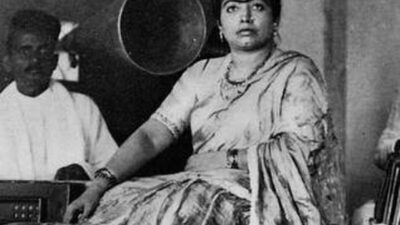
“झिंझोटी ठुमरी” 1906 की जाना-पहचाना रिकॉर्डिंग है। इसे गौहर जान ने स्वर दिया है, संगीत पारंपरिक का है, और बोल पारंपरिक ने लिखे हैं। यह राग Jhinjhoti पर आधारित है, Dadra ताल में निबद्ध, Thumri शैली का गीत। इसका प्रमुख भाव Romantic है, अवधि 3:18 है, और यह The Gramophone Company (Hmv) लेबल से जारी हुआ।
अंग्रेज़ी में पढ़ें · Read in English
“Jhinjhoti Thumri” is a well-known recording from 1906. It is sung by Gauhar Jaan, composed by Traditional, with lyrics penned by Traditional. Musically it set in Raag Jhinjhoti, to the Dadra taal, in the Thumri idiom. Its prevailing mood is romantic, the recording runs 3:18, released on the the gramophone company (hmv) label.
संगीत The Music
झिंझोटी बिलावल थाट की हल्की, प्रसन्न राग है, जो खिलंदड़ी और रोमांटिक विषयों के लिए प्रयुक्त होती है। गौहर जान इस राग के उज्ज्वल चरित्र को एक छेड़खानी भरे, रोमांटिक मूड को व्यक्त करने के लिए नियोजित करती हैं।
अंग्रेज़ी में पढ़ें · Read in English
Jhinjhoti is a light, cheerful raag of the Bilaval thaat, typically used for playful and romantic themes. Gauhar Jaan employs the bright character of this raag to convey a teasing, flirtatious mood. The thumri form allows for flexibility in ornamentation and rhythmic improvisation, characteristics that showcase her mastery of the semi-classical idiom.
काव्य The Poetry
गीतात्मक सामग्री अलगाववाद और खिलंदड़ी आरोपों की खोज करती है। नायिका शिकायत करती है कि उसका प्रेमी गायब हो गया है, फूल (अंजुरिया—जैस्मिन) के रूपक का उपयोग करते हुए जो बर्बाद या खो गया है।
अंग्रेज़ी में पढ़ें · Read in English
The lyrical content explores themes of separation and playful accusation. The protagonist complains that her beloved has disappeared, using the metaphor of the flower (anjuriyan—jasmine) which has been spoiled or lost. This is characteristic of thumri poetry, which often employs nature imagery to express romantic emotions.
कहानी The Story
1906 में, गौहर जान अपनी व्यावसायिक सफलता की ऊंचाई पर थीं, नियमित रूप से ठुमरियां रिकॉर्ड कर रही थीं जो दरबारियों और सामान्य महिलाओं के दैनंदिन भावनात्मक अनुभवों को पकड़ती थीं।
अंग्रेज़ी में पढ़ें · Read in English
In 1906, Gauhar Jaan was at the height of her commercial success, regularly recording thumris that captured everyday emotional experiences of courtesans and common women. This thumri would have been performed in mehfils and recorded for the burgeoning gramophone market. The casual, intimate tone of such pieces made them popular with both live audiences and record buyers.
विरासत The Legacy
यह ठुमरी ग्रामोफोन युग के दौरान संगीत को लोकतांत्रिक बनाने में अर्ध-शास्त्रीय परंपरा की भूमिका को उदाहरित करती है। जबकि शास्त्रीय खयाल गंभीर संगीतकारों के क्षेत्र में रहीं, इस तरह की ठुमरियां एक व्यापक दर्शकों के लिए सुलभ थीं।
अंग्रेज़ी में पढ़ें · Read in English
This thumri exemplifies the semi-classical tradition's role in democratizing music during the gramophone era. While classical khayals remained the domain of serious musicians, thumris like this were accessible to a broad audience, bridging the gap between courtly music and popular culture. Gauhar Jaan's recordings helped establish thumri as a legitimate art form worthy of preservation.
वर्गीकरण
Classification- Tempo
- Slow
Genre
अन्य विवरण
More Details- Archive of Indian Music
- Bajakhana - Early Sound Recordings
- Google Arts & Culture - Pioneering Musicians
References
रोचक तथ्य
Margin Notes'झिंझोटी' शब्द स्वयं अनुकरणात्मक है, घुंघरू (झंझन) की खनखनाती आवाज़ की नकल करता है
अंग्रेज़ी में पढ़ें · Read in English
The term 'jhinjhoti' itself is onomatopoetic, imitating the jingling sound of anklets (jhanjhan) — fitting for a playful romantic piece
गौहर जान का गंभीर खयाल, ठुमरी और हल्के रूपों के बीच एक ही रिकॉर्डिंग सीज़न में स्विच करने की क्षमता उनकी असाधारण बहुमुखी प्रतिभा को प्रदर्शित करती है
अंग्रेज़ी में पढ़ें · Read in English
Gauhar Jaan's ability to switch between serious khayal, thumri, and lighter forms within a single recording season demonstrated her extraordinary versatility
नमूना-पट्टी
The Specimen Table| शीर्षक | झिंझोटी ठुमरी · Jhinjhoti Thumri |
|---|---|
| वर्ष · युग | 1906 — pre independence |
| गायक | Gauhar Jaan |
| गीतकार | पारंपरिक |
| संगीतकार | पारंपरिक |
| राग | Jhinjhoti |
| ताल | {"name_hindi":"दादरा","name_english":"Dadra","taal_id":"taal-dadra","matras":6} |
| स्वरूप | एकल महिला |
| गति | धीमी |
| अवधि | 3:18 |
| भाषा | Hindi with Braj Bhasha |
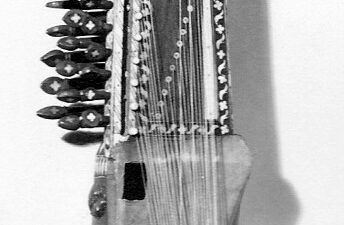
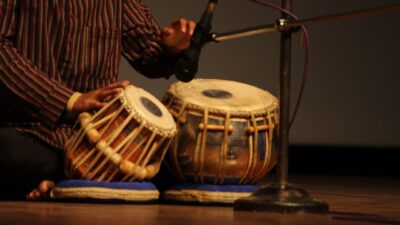
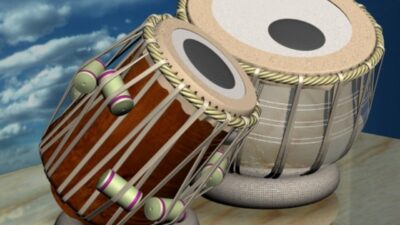
| वाद्य | Vocals · sarangi · tabla · tanpura |
| भाव | चुलबुला · रोमांटिक |
| लेबल | The Gramophone Company (HMV) |
| लोकप्रियता | Known |
| बोल-स्थिति | सार्वजनिक |
जुड़े हुए पन्ने
Connected Plates · The Graph Made Visibleअटलस में कोई पन्ना अकेला नहीं — इस गीत से जुड़े गीत, कलाकार, फ़िल्म, राग-ताल-विधा, सब यहाँ से खुलते हैं।
मिलते-जुलते गीत · Related Songs
कलाकार · The Artists
शास्त्र-सूत्र · Shastra Threads
साझा कीजिए · Share this Plate