कहानियाँ विंग · कहानी · Film Music · 1952
तलत की आवाज़, बर्मन का दर्द: दाग़ (1952) की भीतरी कहानी
Talat's Voice, Burman's Pain: The Inside Story of Daag (1952)
1952 में एस.डी. बर्मन और तलत महमूद ने मिलकर एक ऐसा साउंडट्रैक बनाया जो हिंदी फ़िल्म संगीत में अंतर्मुखता की नई परिभाषा बन गया।
प्रकाशित3 July 2026 पाठ७ मिनट का पाठ
आमुख
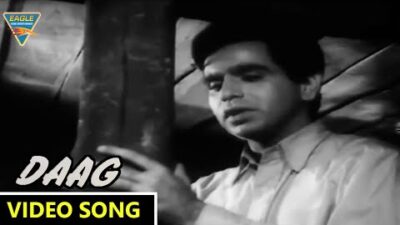
दाग़ (1952) — अमिया चक्रवर्ती की दिलीप कुमार अभिनीत फ़िल्म — ने एस.डी. बर्मन को पहली पंक्ति के हिंदी फ़िल्म संगीतकार के रूप में स्थापित किया। तलत महमूद की मखमली आवाज़ और बर्मन की संयमित रचनाएँ मिलकर वह बनीं जिसे आज 'भीतरी संगीत' की परंपरा कहते हैं।
अंग्रेज़ी में पढ़ें · Read in English
Daag (1952) — Amiya Chakrabarty's Dilip Kumar film — established S.D. Burman as a first-rank Hindi film composer. Talat Mahmood's velvet voice and Burman's restrained compositions together created what we now call the tradition of introspective film music.
एस.डी. बर्मन: बंगाल से बंबई तक
सचिन देव बर्मन त्रिपुरा के शाही घराने से थे। 1944 में मुंबई आए। दाग़ (1952) में अमिया चक्रवर्ती ने उन्हें वह स्वतंत्रता दी जो दुर्लभ थी: अंतरंग, आंतरिक संगीत बनाने की। बर्मन ने यह अवसर लपका।
अंग्रेज़ी में पढ़ें · Read in English
Sachin Dev Burman — 'Burman da' to the world — came from the royal family of Tripura. He studied classical and folk music in Calcutta and arrived in Bombay in 1944. After years of struggle, from 1949-52 he composed for films that defined his identity. Daag (1952) is the most important of these. Amiya Chakrabarty — himself the director of Devdas (1936) — gave Burman the rare freedom to make music of intimacy rather than orchestral grandeur. Burman seized the opportunity.
तलत महमूद: वह आवाज़ जो दिल से बात करती थी
तलत महमूद की आवाज़ में एक निजी, बोलचाल वाला स्वर था जो नियंत्रित कंपन के साथ सुनने वाले को लगाता था: यह सिर्फ मेरे लिए गाया जा रहा है। बर्मन ने पहचाना यह दाग़ के लिए आदर्श है। orchestra कम, आवाज़ सीधी।
अंग्रेज़ी में पढ़ें · Read in English
Talat Mahmood's voice had a quality no other 1950s playback singer possessed: the listener felt the song was being sung for them alone. Not Rafi's classical authority, not Mukesh's dramatic sweep — a personal, almost conversational timbre with a controlled tremolo. Burman recognized this voice was ideal for Daag's music. He built compositions for Talat with minimal orchestration — 'Ae Mere Dil Kahin Aur Chal', 'Tasweer Banata Hoon'. In these songs, Talat's voice was unadorned, direct, speaking to you.
शैलेन्द्र के बोल: सरल में गहरा
शैलेन्द्र ने दाग़ में वह कर दिखाया जो दुर्लभ है: सरल भाषा में जटिल सच। 'ऐ मेरे दिल कहीं और चल' और 'तस्वीर बनाता हूँ' — ये दार्शनिक काव्य हैं जो फ़िल्मी गीत की भाषा में हैं।
अंग्रेज़ी में पढ़ें · Read in English
Shailendra's lyrics are the thread that binds Daag together. From the IPTA progressive arts tradition, Shailendra believed true poetry could say complex truths in simple language. 'Ae Mere Dil Kahin Aur Chal' — a child understands every word, yet it contains the complete philosophy of processed grief. 'Tasweer Banata Hoon, Tasweer Nahin Banti' — six words that hold the entire history of art's failure before love. Daag (1952) showed that Hindi film songs could be philosophical poetry, not merely entertainment.
परिचय
IdentityEpithet
1952 में एस.डी. बर्मन और तलत महमूद ने मिलकर एक ऐसा साउंडट्रैक बनाया जो हिंदी फ़िल्म संगीत में अंतर्मुखता की नई परिभाषा बन गया।
In 1952, S.D. Burman and Talat Mahmood created a soundtrack that redefined introspection in Hindi film music — the quiet revolution of Daag.
अन्य विवरण
More Details- तलत ने गाया जैसे माइक्रोफ़ोन उनकी अपनी आत्मा की वापसी की आवाज़ हो।
- S.D. Burman knew that silence, placed correctly, is louder than any orchestra.
- एस.डी. बर्मन
- तलत महमूद
- शैलेन्द्र
- दिलीप कुमार
- अमिया चक्रवर्ती
- 1944 — S.D. Burman arrives in Bombay from Calcutta to pursue film music composition — एस.डी. बर्मन कलकत्ता से बंबई आते हैं
- 1951 — Daag (1952) enters pre-production; Amiya Chakrabarty selects S.D. Burman and Shailendra — दाग़ का पूर्व-निर्माण; अमिया चक्रवर्ती ने एस.डी. बर्मन और शैलेन्द्र को चुना
- Early 1952 — Recording sessions for Daag; Burman works with Talat Mahmood to achieve his specific vocal quality — दाग़ की रिकॉर्डिंग; बर्मन तलत महमूद के साथ उनकी विशिष्ट आवाज़ की खूबियों को लेकर काम करते हैं
- 1952 — Daag releases; commercially successful and critically praised for its musical intimacy — दाग़ रिलीज़; व्यावसायिक रूप से सफल और संगीत की अंतरंगता के लिए प्रशंसित
- 1952 onwards — S.D. Burman established as first-rank Hindi film composer; Talat-Burman partnership continues through the decade — एस.डी. बर्मन पहली पंक्ति के हिंदी फ़िल्म संगीतकार के रूप में स्थापित; तलत-बर्मन की जोड़ी दशक भर जारी रही
- S.D. Burman: The Prince Musician — Khagesh Dev Burman (2008)
- Talat Mahmood: The Man and His Music — Sathya Saran (2014)
- Wikipedia: Daag (1952 film)
- Wikipedia: S.D. Burman
- Wikipedia: Talat Mahmood
Pull Quotes
Key Figures
Timeline Within Story
References
कहानी-नमूना
The Story Specimen| शीर्षक | तलत की आवाज़, बर्मन का दर्द: दाग़ (1952) की भीतरी कहानी · Talat's Voice, Burman's Pain: The Inside Story of Daag (1952) |
|---|---|
| श्रेणी | Film Music |
| प्रकार | विशेष लेख |
| पाठ-समय | ७ मिनट का पाठ |
| प्रकाशित | 3 July 2026 — admin |
| वर्ष | 1952 |
| टैग | S.D. Burman · Talat Mahmood · Daag 1952 · Shailendra · Dilip Kumar · Golden Era · introspective film music |
इस कहानी में
In This Story · The Cast & Its Platesकहानी में आए नामों के अटलस में अपने पन्ने हैं — यहीं से यात्रा जारी रखिए।
कलाकार-सूत्र · Artists
युग-सूत्र · Eras
और कहानियाँ
More Stories from the Atlas
साझा कीजिए · Share this Plate
यह पन्ना आगे बढ़ाइए
सवाल-जवाब
Questions & Answersएस.डी. बर्मन के करियर में दाग़ (1952) क्यों महत्त्वपूर्ण है? · Why is Daag (1952) important in S.D. Burman's career?
दाग़ (1952) वह फ़िल्म थी जिसने एस.डी. बर्मन को पहली पंक्ति के हिंदी फ़िल्म संगीतकार के रूप में स्थापित किया। इसका साउंडट्रैक — अंतरंग, कक्ष-स्तरीय, दार्शनिक — नौशाद की शास्त्रीय भव्यता और सी. रामचंद्र की नाटकीय ऊर्जा से बिल्कुल अलग दृष्टिकोण था।
Daag (1952) was the film that established S.D. Burman as a first-rank Hindi film composer. Its soundtrack — intimate, chamber-scale, philosophically sophisticated — demonstrated an approach to film music radically different from the classical grandeur of Naushad or the theatrical energy of C. Ramchandra. The collaboration with Talat Mahmood produced songs still considered among the finest in the introspective tradition.