कहानियाँ विंग · कहानी · इतिहास · 1952
लता का वन्दे मातरम्: एक राष्ट्र को उसकी आवाज़ मिली
Lata's Vande Mataram: How a Free Nation Found Its Voice in 1952
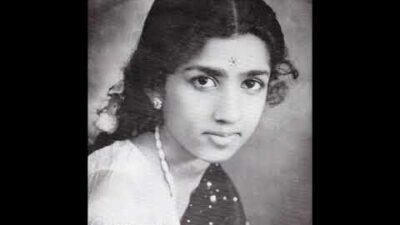
स्वतंत्रता के पाँच वर्ष बाद, 1952 में लता मंगेशकर ने वन्दे मातरम् गाया — और भारत को एहसास हुआ कि उसके राष्ट्रगीत की आवाज़ आ गई है।
प्रकाशित3 July 2026 पाठ८ मिनट का पाठ
आमुख
1882 में बंकिमचंद्र चट्टोपाध्याय ने 'वन्दे मातरम्' लिखा। 1905 में यह स्वतंत्रता आंदोलन का प्रेरणा-गीत बना। 1950 में यह भारत का राष्ट्रगीत बना। लेकिन 1952 में, आनंद मठ फ़िल्म में, लता मंगेशकर ने इसे गाया — और यही वह संस्करण है जो इतिहास में अमर हो गया।
अंग्रेज़ी में पढ़ें · Read in English
In 1882, Bankimchandra Chattopadhyay wrote Vande Mataram. In 1905 it became the rallying song of the independence movement. In 1950 it became India's national song. But in 1952, in the film Anand Math, Lata Mangeshkar sang it — and that became the version history remembers.
1882 से 1952: एक कविता की यात्रा
बंकिमचंद्र चट्टोपाध्याय ने 'वन्दे मातरम्' 1875-76 में लिखा और 1882 में 'आनंदमठ' में शामिल किया। 1905 में यह स्वतंत्रता आंदोलन का गीत बना। 1950 में राष्ट्रगीत का दर्जा मिला। 1952 में हेमन कुमार और लता ने इसे वह धुन दी जो पीढ़ियों तक टिकी।
अंग्रेज़ी में पढ़ें · Read in English
Bankimchandra Chattopadhyay wrote Vande Mataram in 1875-76 and included it in his 1882 Bengali novel Anandamath. After the 1905 partition of Bengal, the poem echoed through independence rallies — sung at Congress sessions, hummed by freedom fighters going to prison. In 1950, India made it the national song alongside Jan Gan Man. This poem needed a melody that would endure across generations. In 1952, Hemant Kumar created that melody and Lata Mangeshkar sang it.
हेमन कुमार का संगीत: राग बिहाग में राष्ट्र की भावना
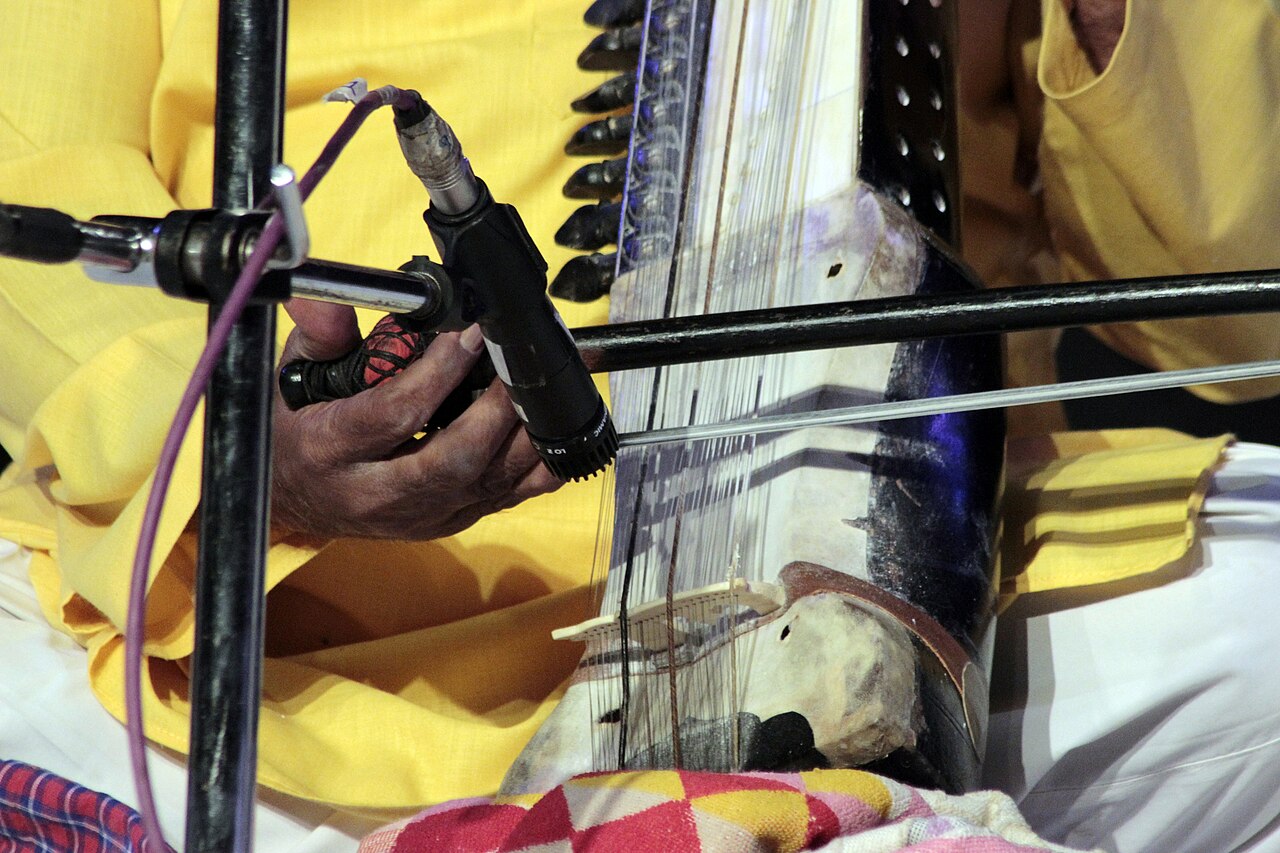
हेमन कुमार ने राग बिहाग चुना — सायंकाल की आध्यात्मिक प्रसन्नता का राग — और तीनताल में सितार को प्रमुख वाद्य बनाया। यह न 'दरबारी' जैसा भारी था, न 'भैरवी' जैसा विदाई-भरा — बस एक शांत श्रद्धा जो बंकिमचंद्र की माँगी हुई थी।
अंग्रेज़ी में पढ़ें · Read in English
Hemant Kumar was a trained Hindustani classical vocalist — evident in his arrangement. He chose Raag Bihag — a beautiful, serene raag associated with evening spiritual joy. Bihag's characteristic notes — including a particular sharp Madhyam — express the quiet reverence Bankimchandra's poetry demands. Neither as heavy as Darbari nor as valedictory as Bhairavi — a raag that could hold both devotion and joy. Hemant Kumar set it in Teentaal (16 beats) with the sitar as lead instrument — its pure, resonant timbre bringing Bankimchandra's lush poetic images to life.
1952 में लता की आवाज़ — और उसके बाद
आनंद मठ (1952) की रिलीज़ पर कई सिनेमाघरों में दर्शक खड़े हो गए थे। UNESCO ने 1974 में इसे 20वीं सदी के दस सर्वश्रेष्ठ गीतों में रखा। AR रहमान ने 1997 में लता के संस्करण को श्रद्धांजलि और संवाद दोनों दिया। आज भी यह गीत लता की आवाज़ में बजता है।
अंग्रेज़ी में पढ़ें · Read in English
When Anand Math (1952) released and Vande Mataram played on screen in Lata's voice for the first time, audiences in many cinemas reportedly stood up. Five years after Independence, the fervour of 1947 was fresh, and this song was its purest musical expression. UNESCO included it among the ten best songs of the 20th century in 1974. When AR Rahman created his 1997 jubilee version, he deliberately dialogued with Lata's 1952 arrangement — a tribute and a reinterpretation. Today, in schools, government offices, on national occasions, the song still plays in Lata's voice.
परिचय
IdentityEpithet
स्वतंत्रता के पाँच वर्ष बाद, 1952 में लता मंगेशकर ने वन्दे मातरम् गाया — और भारत को एहसास हुआ कि उसके राष्ट्रगीत की आवाज़ आ गई है।
Five years after Independence, in 1952, Lata Mangeshkar sang Vande Mataram — and India realized its national song had finally found its voice.
अन्य विवरण
More Details- जब लता ने वन्दे मातरम् गाया, एक राष्ट्र ने पहली बार खुद को सुना।
- Bankimchandra gave us the words. Hemant Kumar gave us the melody. Lata gave us the soul.
- लता मंगेशकर
- हेमंत कुमार
- बंकिमचंद्र चट्टोपाध्याय
- हेमन गुप्ता
- 1875-76 — Bankimchandra Chattopadhyay composes the Vande Mataram poem — बंकिमचंद्र चट्टोपाध्याय 'वन्दे मातरम्' लिखते हैं
- 1882 — Poem published in novel Anandamath — 'आनंदमठ' उपन्यास में कविता प्रकाशित
- 1905 — Vande Mataram becomes the rallying song of the Bengal partition protest and independence movement — वन्दे मातरम् बंगाल विभाजन विरोध और स्वतंत्रता आंदोलन का प्रेरणा-गीत बनता है
- 1950 — Vande Mataram designated as India's national song — वन्दे मातरम् को भारत का राष्ट्रगीत घोषित किया गया
- 1952 — Lata Mangeshkar records Vande Mataram for Anand Math (1952), Hemant Kumar's arrangement in Raag Bihag — लता मंगेशकर ने आनंद मठ (1952) के लिए वन्दे मातरम् रिकॉर्ड किया — हेमंत कुमार का राग बिहाग में आयोजन
- 1974 — UNESCO cites Lata's version among ten best songs of the 20th century — UNESCO ने लता के संस्करण को 20वीं सदी के दस सर्वश्रेष्ठ गीतों में स्थान दिया
- 1997 — AR Rahman creates jubilee version, explicitly in dialogue with Lata's 1952 arrangement — AR रहमान ने स्वर्ण जयंती संस्करण बनाया, लता के 1952 आयोजन के साथ संवाद में
- Bankimchandra Chattopadhyay — Anandamath (1882)
- Wikipedia: Vande Mataram
- Wikipedia: Anand Math (1952 film)
- Wikipedia: Hemant Kumar (musician)
- Wikipedia: Lata Mangeshkar
- Lata Mangeshkar: A Biography — Yatindra Mishra (2009)
Pull Quotes
Key Figures
Timeline Within Story
References
कहानी-नमूना
The Story Specimen| शीर्षक | लता का वन्दे मातरम्: एक राष्ट्र को उसकी आवाज़ मिली · Lata's Vande Mataram: How a Free Nation Found Its Voice in 1952 |
|---|---|
| श्रेणी | इतिहास |
| प्रकार | विशेष लेख |
| पाठ-समय | ८ मिनट का पाठ |
| प्रकाशित | 3 July 2026 — admin |
| वर्ष | 1952 |
| टैग | Vande Mataram · Lata Mangeshkar · Hemant Kumar · Anand Math · Bankimchandra · patriotic music · national song India |
इस कहानी में
In This Story · The Cast & Its Platesकहानी में आए नामों के अटलस में अपने पन्ने हैं — यहीं से यात्रा जारी रखिए।
कलाकार-सूत्र · Artists
और कहानियाँ
More Stories from the Atlas
साझा कीजिए · Share this Plate
यह पन्ना आगे बढ़ाइए
सवाल-जवाब
Questions & Answersवन्दे मातरम् का सबसे प्रसिद्ध संस्करण किसने गाया? · Who sang the most famous version of Vande Mataram?
लता मंगेशकर की 1952 की रिकॉर्डिंग — फ़िल्म आनंद मठ के लिए, हेमंत कुमार द्वारा राग बिहाग में संगीतबद्ध — सबसे प्रसिद्ध संस्करण है। UNESCO ने इसे 1974 में 20वीं सदी के दस सर्वश्रेष्ठ गीतों में गिना।
Lata Mangeshkar's 1952 recording for the film Anand Math, with music composed by Hemant Kumar in Raag Bihag, is the most celebrated version. UNESCO cited it as one of the ten best songs of the 20th century in 1974. This version is still played at national occasions across India.
वन्दे मातरम् हिंदी में है या संस्कृत में? · Is Vande Mataram in Hindi or Sanskrit?
राष्ट्रगीत 'वन्दे मातरम्' — विशेष रूप से आधिकारिक रूप से प्रयुक्त पहले दो छंद — संस्कृत में हैं (देवनागरी लिपि में लिखे)। बंकिमचंद्र की मूल कविता संस्कृत और बांग्ला के मिश्रण में है। बंकिमचंद्र का निधन 1894 में हुआ था, इसलिए यह पाठ 130 वर्षों से अधिक समय से सार्वजनिक संपत्ति है।
The national song Vande Mataram — specifically the first two stanzas used officially — is in Sanskrit (written in Devanagari script). The original poem by Bankimchandra Chattopadhyay is in Sanskrit mixed with Bengali. Because Bankimchandra died in 1894, the text has been in the public domain for over 130 years.