गीत विंग · गीत-पट्टिका · Song Plate
वन्दे मातरम्
Vande Mataram
जब लता ने 1952 में वन्दे मातरम् गाया, तो उन्होंने एक स्वतंत्र राष्ट्र को उसकी आवाज़ दी — और उस आवाज़ की कोई दूसरी नहीं मिली।
भावउत्सव · प्रेरणादायक · शांत · आध्यात्मिक
भाषाSanskrit गतिधीमी स्वरूपएकल महिला
श्रेय
The Creditsबोल · The Lyrics
पूरे बोल · Full Lyrics
सुजलां सुफलाम्
मलयज-शीतलाम्
शस्य-श्यामलाम्
मातरम् ।
शुभ्र-ज्योत्स्ना-पुलकित-यामिनीम्
फुल्ल-कुसुमित-द्रुमदल-शोभिनीम्
सुहासिनीं सुमधुर-भाषिणीम्
सुखदां वरदां मातरम् ॥
Sujalaam Suphalaam
Malayaja Sheelam
Shasya Shyamalaam
Mataram
Shubhrajyotsna-pulakita-yaamineem
Phulla-kusumita-drumadala-shobhineem
Suhasineem sumadhura-bhaashineem
Sukhadaam varadaam mataram
Richly watered, richly fruited,
Cool with the winds of the south,
Dark with the crops of the harvest.
The Mother! Nights of full moon glory,
Her forest paths clothed in brilliant blossoms,
Sweet of laughter, sweet of speech,
The Mother, giver of boons, giver of bliss!
शब्दकोश
Word Meaningsसूत्र-वाक्य · The Hook
सूत्र-वाक्य
जब लता ने 1952 में वन्दे मातरम् गाया, तो उन्होंने एक स्वतंत्र राष्ट्र को उसकी आवाज़ दी — और उस आवाज़ की कोई दूसरी नहीं मिली।
In EnglishWhen Lata sang Vande Mataram in 1952, she gave a free nation its voice — and it has never found another.
पट्टिका-लेख
The Monographपरिचय Overview
हेमन कुमार की संगीत रचना में हेमन गुप्ता की 'आनंद मठ' (1952) के लिए लता मंगेशकर द्वारा गाया 'वन्दे मातरम्' संभवतः भारतीय सिनेमा इतिहास की सबसे प्रसिद्ध देशभक्ति रिकॉर्डिंग है। बंकिमचंद्र चट्टोपाध्याय के 1882 के उपन्यास — जो स्वयं भारत के राष्ट्रगीत का स्रोत है — पर आधारित इस फ़िल्म के लिए लता जी का यह राग बिहाग, तीनताल में गाया संस्करण पीढ़ियों के भारतीयों के लिए 'वन्दे मातरम्' की परिभाषक धुन बन गया। HMV पर स्वतंत्रता के मात्र पाँच वर्ष बाद जारी इस गीत ने एक राष्ट्रीय समारोह-सा प्रभाव डाला। बंकिमचंद्र के संस्कृत बोल — मातृभूमि को देवी के रूप में एक स्तुति — अब सार्वजनिक संपत्ति हैं; हेमंत कुमार के आयोजन ने उन्हें एक ऐसा शास्त्रीय-सिनेमाई रूप दिया जो फ़िल्म की सीमाओं को पार कर नव-स्वतंत्र राष्ट्र की चेतना में समा गया।
अंग्रेज़ी में पढ़ें · Read in English
Lata Mangeshkar's recording of 'Vande Mataram' for Hemen Gupta's Anand Math (1952) is arguably the most celebrated patriotic recording in Indian cinema history. Composed by Hemant Kumar as the musical spine of this adaptation of Bankimchandra Chattopadhyay's 1882 novel — itself the source text of India's national song — Lata's version in Raag Bihag with Teentaal established the definitive musical identity of Vande Mataram for generations of Indians. Released on HMV just five years after Independence, the song landed with the force of a national ceremony. Bankimchandra's Sanskrit lyrics — a hymn to the motherland imagined as a goddess — are in the public domain; Hemant Kumar's arrangement gave them a classical-cinematic treatment that transcended the film and entered the consciousness of a newly sovereign nation.
संगीत The Music
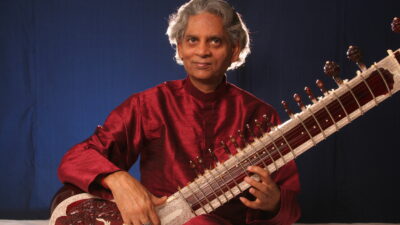
आनंद मठ में 'वन्दे मातरम्' के लिए हेमंत कुमार का आयोजन हिंदुस्तानी शास्त्रीय परंपरा और सिनेमाई भव्यता का सुविचारित संगम है। रचना राग बिहाग में है — एक सुंदर, शांत राग जो सायंकाल और आध्यात्मिक शांति से जुड़ा है — और तीनताल (सोलह मात्रा) में। धुन एक निजी प्रार्थना की तरह शांत शुरू होती है और धीरे-धीरे विस्तृत होती जाती है जैसे-जैसे गायक-मंडली लता जी की एकल आवाज़ से जुड़ती है। हेमंत कुमार ने सितार का विशेष प्रयोग किया — जिसका शुद्ध, अनुगूंज भरा स्वर शास्त्रीय परंपरा और बंकिमचंद्र की काव्यिक हरियाली दोनों को जीवंत करता है। लता जी का संस्कृत उच्चारण उल्लेखनीय रूप से शुद्ध है।
अंग्रेज़ी में पढ़ें · Read in English
Hemant Kumar's arrangement for Vande Mataram in Anand Math is a carefully considered fusion of classical Hindustani tradition and cinematic scale. The composition is set in Raag Bihag — a beautiful, serene raag associated with evening and spiritual calm — in Teentaal (16 beats). The melody begins simply, almost as a private prayer, and gradually expands as the chorus joins Lata's solo voice, creating the sense of a personal devotion becoming a collective ceremony. Hemant Kumar uses the sitar prominently — its pure, resonant timbre evoking both classical tradition and the verdant imagery of Bankimchandra's poetry. Lata's pronunciation of the Sanskrit is notably precise, a detail she and Hemant Kumar reportedly worked over carefully to honour the original text.
काव्य The Poetry
बंकिमचंद्र चट्टोपाध्याय ने 'वन्दे मातरम्' को 1875-1876 में एक कविता के रूप में लिखा और इसे अपने उपन्यास 'आनंदमठ' (1882) में पिरोया। कविता की केंद्रीय युक्ति यह है कि भारत राष्ट्र को दिव्य स्त्री-शक्ति से — विशेषकर दुर्गा से — तादात्म्य दिया जाए, जिससे देशप्रेम और धार्मिक भक्ति अभिन्न हो जाएँ। राष्ट्रगीत के रूप में प्रयुक्त पहले दो छंद मातृभूमि को इंद्रिय-चित्रों से रंगते हैं: उसके जल, उसकी फसलें, उसकी चाँदनी रातें, उसके फूले-फले वन। भक्ति और राजनीति का यह संगम औपनिवेशिक काल में विस्फोटक था।
अंग्रेज़ी में पढ़ें · Read in English
Bankimchandra Chattopadhyay wrote Vande Mataram as a poem in 1875-1876 and wove it into his novel Anandamath (1882). The poem's central move is to identify the nation of India with the divine feminine — specifically with Durga, the goddess of power — making love of country indistinguishable from religious devotion. The first two stanzas used as India's national song paint the motherland through sensory images: her waters, her harvests, her moonlit nights, her flowering trees. This fusion of the devotional and the political was incendiary in the colonial period and remains the deepest resonance of the poem.
कहानी The Story
हेमन गुप्ता की 'आनंद मठ' (1952) बंकिमचंद्र के उपन्यास को — जो 1770 के संन्यासी विद्रोह पर आधारित था — परदे पर उतारती है, लेकिन स्वतंत्रता के केवल पाँच वर्ष बाद इस फ़िल्म का गहरा तात्कालिक प्रभाव था। हेमंत कुमार को बंकिमचंद्र की 70 वर्ष पुरानी कविता को एक यादगार फ़िल्मी गीत बनाने का काम मिला। उन्होंने अपनी बांग्ला शास्त्रीय शिक्षा का उपयोग करते हुए राग बिहाग में कविता के श्रद्धा और आकांक्षा के स्वर को संगीत में ढाला। लता मंगेशकर का चुनाव स्वाभाविक था: 1952 तक वे पहले से ही उस आवाज़ के रूप में मानी जाती थीं जो राष्ट्रीय भावना का भार उठा सके।
अंग्रेज़ी में पढ़ें · Read in English
Hemen Gupta's Anand Math (1952) adapted Bankimchandra's novel about the Sanyasi Revolt of 1770 against British colonial rule — but the film carried immediate resonance for a nation barely five years into Independence. Hemant Kumar was given the task of turning Bankimchandra's 70-year-old poem into a memorable film song. He brought his Bengal classical training to bear, finding in Raag Bihag a musical colour that matched the poem's tone of reverence and aspiration. Lata Mangeshkar's casting was natural: by 1952 she was already regarded as the voice that could carry the weight of national emotion. The recording session was reportedly solemn, with Hemant Kumar insisting on multiple takes to achieve the correct balance of restraint and fervour.
विरासत The Legacy
आनंद मठ (1952) से लता मंगेशकर का 'वन्दे मातरम्' केवल एक फ़िल्मी गीत नहीं बल्कि एक ऐतिहासिक दस्तावेज़ है। यह स्वतंत्रता के बाद की पीढ़ी के लिए भारत के राष्ट्रगीत का मानक-स्थापक संस्करण बन गया — सार्वजनिक समारोहों, स्कूली प्रार्थनाओं और राष्ट्रीय अवसरों पर दशकों तक बजता रहा। जब ए.आर. रहमान ने 1997 के स्वतंत्रता स्वर्ण जयंती के लिए अपना संस्करण बनाया, तो उन्होंने जानबूझकर लता जी की 1952 की परिभाषक रिकॉर्डिंग के साथ संवाद में रखा। UNESCO ने लता जी के वन्दे मातरम् को 20वीं सदी की सबसे प्रभावशाली रिकॉर्डिंग्स में से एक माना (1974)।
अंग्रेज़ी में पढ़ें · Read in English
Lata Mangeshkar's Vande Mataram from Anand Math (1952) is not merely a film song but a historical document. It became the standard-setting version of India's national song for the post-Independence generation, played at public ceremonies, school assemblies, and national occasions for decades. When AR Rahman created his own version for the 1997 independence golden jubilee, he deliberately positioned it in dialogue with Lata's definitive 1952 recording. UNESCO cited Lata's Vande Mataram as one of the most impactful recordings of the 20th century (1974). The song demonstrates that the purpose of Hindi film music at its finest was never merely entertainment — it was the making of a national emotional vocabulary.
वर्गीकरण
Classification- Tempo
- Slow
Genre
अन्य विवरण
More Details- Hindi Film Geet Kosh, Vol. 3 (1952), ed. Har Mandir Singh 'Hamraaz'
- Bankimchandra Chattopadhyay — Vande Mataram (in Anandamath, 1882), Bangiya Sahitya Parishad
- Wikipedia: Vande Mataram
- Wikipedia: Anand Math (1952 film)
- Wikipedia: Hemant Kumar (musician)
- Wikipedia: Lata Mangeshkar
- Lata Mangeshkar: A Biography — Yatindra Mishra (2009)
References
रोचक तथ्य
Margin Notesबंकिमचंद्र चट्टोपाध्याय ने 'वंदे मातरम्' 1875-76 में लिखा था; यह पहली बार उनके 1882 के उपन्यास आनंदमठ में प्रकाशित हुआ। यह गीत 1900 के दशक के आरंभ से भारतीय स्वतंत्रता आंदोलन का शंखनाद बन गया।
अंग्रेज़ी में पढ़ें · Read in English
Bankimchandra Chattopadhyay wrote 'Vande Mataram' in 1875-76; it first appeared in print in his 1882 novel Anandamath. The song became a rallying cry of the Indian independence movement from the early 1900s.
यूनेस्को ने 1974 में लता मंगेशकर द्वारा गाए वंदे मातरम् को 20वीं सदी के 10 सर्वश्रेष्ठ गीतों में से एक चुना।
अंग्रेज़ी में पढ़ें · Read in English
UNESCO selected Lata Mangeshkar's version of Vande Mataram as one of the ten best songs of the 20th century in 1974.
फ़िल्म आनंद मठ (1952) का निर्देशन हेमेन गुप्ता ने किया था, जिसमें पृथ्वीराज कपूर और बलराज साहनी ने अंग्रेज़ी शासन से लड़ने वाले संन्यासी नेताओं की भूमिका निभाई थी।
अंग्रेज़ी में पढ़ें · Read in English
The film Anand Math (1952) was directed by Hemen Gupta and starred Prithviraj Kapoor and Balraj Sahni as the sanyasi leaders fighting British rule.
आनंद मठ का संगीत रचने वाले हेमंत कुमार एक प्रशिक्षित हिंदुस्तानी शास्त्रीय गायक थे — जिसने संगीत-संयोजन को वह प्रामाणिकता दी जो कोई अप्रशिक्षित संगीतकार शायद न दे पाता।
अंग्रेज़ी में पढ़ें · Read in English
Hemant Kumar, who composed the Anand Math score, was a trained Hindustani classical vocalist — giving the arrangement an authenticity that an untrained composer could not have achieved.
'वंदे मातरम्' कविता संस्कृत और बांग्ला दोनों भाषाओं में रची गई है; भारत के राष्ट्रगीत के रूप में प्रयुक्त पहले 2 पद पूर्णतः संस्कृत में हैं, जिससे यह हिंदी फ़िल्म परंपरा के गिने-चुने संस्कृत पाठों में से एक बन जाता है।
अंग्रेज़ी में पढ़ें · Read in English
The 'Vande Mataram' poem uses Sanskrit and Bengali; the first two stanzas used as India's national song are entirely in Sanskrit, making this one of the very few Sanskrit texts in the Hindi film canon.
ए.आर. रहमान के 1997 के संस्करण ने अपनी संरचना में स्पष्ट रूप से लता के 1952 के संगीत-संयोजन का संदर्भ लिया, और उनकी रिकॉर्डिंग को उस मानक संस्करण के रूप में माना जिसका सम्मान करते हुए पुनर्व्याख्या की जानी चाहिए।
अंग्रेज़ी में पढ़ें · Read in English
AR Rahman's 1997 version explicitly referenced Lata's 1952 arrangement in its structure, treating her recording as the canonical version to be honoured and reinterpreted.
पुरस्कार
The Honoursनमूना-पट्टी
The Specimen Table| शीर्षक | वन्दे मातरम् · Vande Mataram |
|---|---|
| वर्ष · युग | 1952 — Golden Era |
| गायक | Lata Mangeshkar |
| गीतकार | बंकिमचंद्र चट्टोपाध्याय |
| संगीतकार | Hemant Kumar |
| स्वरूप | एकल महिला |
| गति | धीमी |
| अवधि | 4:28 |
| भाषा | Sanskrit |
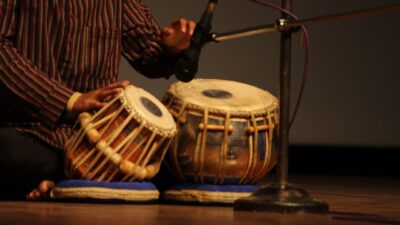
| वाद्य | sitar · tabla · harmonium |
| भाव | उत्सव · प्रेरणादायक · शांत · आध्यात्मिक |
| लोकप्रियता | Legendary |
| बोल-स्थिति | सार्वजनिक |
जुड़े हुए पन्ने
Connected Plates · The Graph Made Visibleअटलस में कोई पन्ना अकेला नहीं — इस गीत से जुड़े गीत, कलाकार, फ़िल्म, राग-ताल-विधा, सब यहाँ से खुलते हैं।
मिलते-जुलते गीत · Related Songs
कलाकार · The Artists
युग · The Era
साझा कीजिए · Share this Plate
यह पन्ना आगे बढ़ाइए
जब लता ने वन्दे मातरम् गाया, एक राष्ट्र ने पहली बार खुद को सुना।
When Lata sang Vande Mataram, a nation heard itself for the first time.
— Attributed to Jawaharlal Nehru (various sources; precise quote needs verification)
सवाल-जवाब
Questions & Answers1952 की फ़िल्म आनंद मठ के लिए 'वन्दे मातरम्' किसने गाया? · Who sang Vande Mataram for the 1952 film Anand Math?
लता मंगेशकर ने आनंद मठ (1952) के लिए वन्दे मातरम् गाया, जिसे हेमंत कुमार ने संगीतबद्ध किया। यह रिकॉर्डिंग भारत के राष्ट्रगीत का परिभाषक सिनेमाई संस्करण बन गई — UNESCO ने इसे 20वीं सदी के दस सर्वश्रेष्ठ गीतों में गिना।
Lata Mangeshkar sang Vande Mataram for Anand Math (1952), with music composed by Hemant Kumar. This recording became the definitive cinematic version of India's national song, cited by UNESCO as one of the ten best songs of the 20th century.
'वन्दे मातरम्' किसने लिखा? · Who wrote Vande Mataram?
'वन्दे मातरम्' बंकिमचंद्र चट्टोपाध्याय ने 1875-76 में लिखा और 1882 के उनके बांग्ला उपन्यास 'आनंदमठ' में पहली बार प्रकाशित हुआ। यह कविता भारत को एक दिव्य माता के रूप में वंदना करती है। यह भारत के स्वतंत्रता आंदोलन का प्रेरणा-गीत बना और अब भारत का राष्ट्रगीत है।
Vande Mataram was written by Bankimchandra Chattopadhyay in 1875-76 and first published in his Bengali novel Anandamath (1882). The poem praises India as a divine mother goddess. It became the rallying song of India's independence movement and is now the national song of India (distinct from the national anthem Jan Gan Man).
क्या वन्दे मातरम् के पूरे बोल दिखाए जा सकते हैं? · Can the full lyrics of Vande Mataram be shown?
हाँ — यह कविता पूरी तरह सार्वजनिक संपत्ति (पब्लिक डोमेन) में है। बंकिमचंद्र चट्टोपाध्याय का निधन 1894 में हुआ था — 130 वर्ष से भी पहले। बोल, मूल कविता और 1952 की सभी ऐतिहासिक रिकॉर्डिंग्स सार्वजनिक डोमेन में हैं और स्वतंत्र रूप से पुनः प्रस्तुत की जा सकती हैं।
Yes — the poem is fully in the public domain. Bankimchandra Chattopadhyay died in 1894, more than 130 years ago. The lyrics, original poem, and all historical recordings from 1952 are in the public domain and may be freely reproduced.
भारत के राष्ट्रगान और राष्ट्रगीत में क्या अंतर है? · What is the difference between India's national anthem and national song?
भारत के पास राष्ट्रगान और राष्ट्रगीत दोनों हैं। राष्ट्रगान है 'जन गण मन' (रवींद्रनाथ ठाकुर द्वारा लिखित), 1950 में अपनाया गया। राष्ट्रगीत है 'वन्दे मातरम्' (बंकिमचंद्र चट्टोपाध्याय द्वारा लिखित), जो 1950 में ही राष्ट्रगीत बना, लेकिन राष्ट्रगान जितनी अनिवार्य स्थिति के बिना।
India has both a national anthem and a national song. The national anthem is 'Jana Gana Mana' (written by Rabindranath Tagore), adopted in 1950. The national song is 'Vande Mataram' (written by Bankimchandra Chattopadhyay), adopted in 1950 as well, but without the same mandatory status as the anthem. Both are sung at official functions.