कहानियाँ विंग · कहानी · Behind The Scenes · 1952
रात के सन्नाटे में रफ़ी ने दरबारी गाया
The Night Rafi Sang Darbari: How Baiju Bawra's Greatest Prayer Was Recorded
1952 में एक रात नौशाद ने रफ़ी को कहा — 'गाओ, तुम जानते हो यह दर्द क्या है' — और जो निकला वह हिंदी सिनेमा का सबसे भावपूर्ण क्षण बन गया।
प्रकाशित3 July 2026 पाठ७ मिनट का पाठ
आमुख
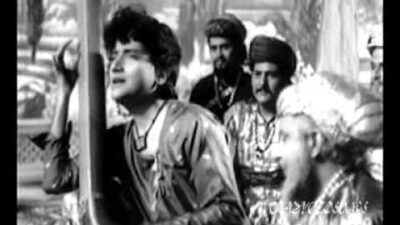
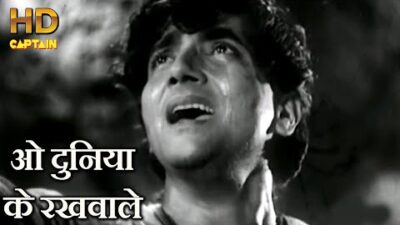
बैजू बावरा (1952) का 'ओ दुनिया के रखवाले' केवल एक गीत नहीं — यह एक सांस्कृतिक घटना है। नौशाद ने राग दरबारी कानड़ा में, तानसेन के राग में, बैजू का दर्द क्यों रखा? और रफ़ी ने किस तरह एक फ़िल्मी दृश्य को एक शाश्वत भक्ति-प्रार्थना में बदल दिया? यह उस रात की कहानी है।
अंग्रेज़ी में पढ़ें · Read in English
Baiju Bawra (1952)'s 'O Duniya Ke Rakhwale' is not merely a song — it is a cultural event. Why did Naushad set Baiju's anguish in Raag Darbari Kanada — the very raag of the antagonist Tansen? And how did Rafi transform a film scene into a timeless devotional prayer? This is the story of that recording.
वह विरोधाभास जिसे नौशाद ने चुना
1952 में जब विजय भट्ट 'बैजू बावरा' बना रहे थे, तो उनके पास एक ऐसे दृश्य की ज़रूरत थी जो दर्शकों को आँसुओं तक ले जाए। बैजू — वह संगीतकार जो वर्षों से तानसेन से बदला लेने के लिए संगीत की साधना कर रहा है — एक रात टूट जाता है। उसके गुरु की मृत्यु हो चुकी है, उसकी प्रेमिका छूट गई है। वह सीधे ईश्वर से पूछता है: तुम हो तो फिर मेरा यह दर्द क्यों? नौशाद को एक ऐसा राग चाहिए था जो इस प्रश्न को उठा सके। उन्होंने दरबारी कानड़ा चुना — और यह चुनाव जानबूझकर था, लगभग उकसाने वाला। दरबारी कानड़ा वही राग है जिसे परंपरा अकबर के दरबार में मियाँ तानसेन से जोड़ती है। बैजू का खलनायक है तानसेन। और बैजू का दर्द नौशाद ने तानसेन के राग में उठाया — यह एक संगीतात्मक विडंबना थी जिसे अधिकतर दर्शकों ने नहीं पहचाना, लेकिन सभी ने महसूस किया।
अंग्रेज़ी में पढ़ें · Read in English
In 1952, when Vijay Bhatt was making Baiju Bawra, he needed a scene that would bring audiences to tears. Baiju — the musician practicing for years to avenge himself against Tansen — breaks down one night. His guru is dead, his beloved is lost. He asks God directly: if you exist, why do I carry this pain? Naushad needed a raag that could hold this question. He chose Raag Darbari Kanada — deliberately, almost provocatively. Darbari Kanada is the raag that tradition associates with Mian Tansen himself, Akbar's court musician and the film's antagonist. Naushad put Baiju's anguish in his rival's raag — a musical irony that most viewers did not consciously register but everyone felt.
रफ़ी और नौशाद — एक अनूठी जोड़ी
1952 तक मोहम्मद रफ़ी एक स्थापित पार्श्व-गायक थे, लेकिन 'बैजू बावरा' ने उन्हें एक अलग श्रेणी में रख दिया। नौशाद ने उन्हें शुरू से ही प्रशिक्षित शास्त्रीय गायक की तरह व्यवहार किया — लंबे रिहर्सल, राग की गहरी समझ, हर अंतरे के भाव पर घंटों की बात। रफ़ी खुद उस्ताद अब्दुल वाहिद खान के शिष्य रहे थे, इसलिए दरबारी कानड़ा की माँगें उनके लिए अपरिचित नहीं थीं। लेकिन एक सिनेमा के लिए इस राग को गाना अलग चुनौती था। शास्त्रीय मंच पर दरबारी को घंटों में विकसित किया जाता है; यहाँ पाँच मिनट में उस पूरी गहराई को उतारना था।
अंग्रेज़ी में पढ़ें · Read in English
By 1952, Mohammed Rafi was an established playback singer, but Baiju Bawra placed him in a different category altogether. Naushad treated him from the outset as a trained classical vocalist — long rehearsals, deep engagement with the raag, hours of discussion on the emotional meaning of each phrase. Rafi had himself studied under Ustad Abdul Wahid Khan, so Darbari Kanada's demands were not foreign to him. But singing this raag for cinema was a different challenge. On the classical stage, Darbari is developed over hours; here, its full depth had to be delivered in five minutes. Naushad reportedly told Rafi before recording only this: 'Sing — you know what this pain is.'
एक गीत जो फ़िल्म से बड़ा हो गया
जब 'बैजू बावरा' रिलीज़ हुई और 'ओ दुनिया के रखवाले' पहली बार सिनेमाघरों में बजा, तो कहा जाता है कि दर्शकों ने रोना बंद नहीं किया जब तक गीत खत्म नहीं हो गया। HMV पर जारी रिकॉर्ड महीनों तक बिकते रहे। लेकिन गीत की असली उपलब्धि यह थी कि यह फ़िल्म से बाहर निकल गया। यह एक फ़िल्मी गीत था जो एक वास्तविक मनाजात बन गया था। आज, सात दशक बाद, यह गीत राग दरबारी कानड़ा की शास्त्रीय व्याख्या का मानक उदाहरण है।
अंग्रेज़ी में पढ़ें · Read in English
When Baiju Bawra released and 'O Duniya Ke Rakhwale' played in cinemas for the first time, audiences reportedly could not stop weeping until the song ended. The HMV records sold for months — among the first Hindi film albums to reach a million copies. But the song's real achievement was that it escaped the film. On the radio, at weddings, near temples — 'O Duniya Ke Rakhwale' was played everywhere. A film song had become a real manaajat (supplication). Today, seven decades later, the song is a standard teaching example for Raag Darbari Kanada — music students listen to it to understand the raag.
परिचय
IdentityEpithet
1952 में एक रात नौशाद ने रफ़ी को कहा — 'गाओ, तुम जानते हो यह दर्द क्या है' — और जो निकला वह हिंदी सिनेमा का सबसे भावपूर्ण क्षण बन गया।
In 1952, Naushad told Rafi — 'Sing, you know what this pain is' — and what emerged became the most spiritually charged moment in Hindi film music history.
अन्य विवरण
More Details- जब रफ़ी ने दरबारी गाया, सेट गायब हो गया — सिर्फ एक इंसान और उसका ख़ुदा रह गया।
- When Rafi sang Darbari, the film set disappeared. There was only a man and his God.
- मोहम्मद रफ़ी
- नौशाद
- शकील बदायूँनी
- विजय भट्ट
- 1951 — Naushad begins research into classical raags for Baiju Bawra, consulting musicians at ITC Sangeet Research Academy — नौशाद बैजू बावरा के लिए शास्त्रीय रागों पर शोध शुरू करते हैं
- Early 1952 — Recording sessions for Baiju Bawra begin in Bombay; 'O Duniya Ke Rakhwale' is among the most-rehearsed songs — बैजू बावरा की रिकॉर्डिंग शुरू; 'ओ दुनिया के रखवाले' सबसे ज़्यादा रिहर्स किए गए गीतों में
- 1952 — Baiju Bawra released; the film runs for months at cinemas across India — बैजू बावरा रिलीज़; फ़िल्म महीनों तक पूरे भारत में चलती है
- 1952–1953 — HMV releases the soundtrack; among first Hindi film albums to sell one million copies — HMV साउंडट्रैक जारी करता है; पहले हिंदी फ़िल्म एल्बमों में से जिन्होंने दस लाख प्रतियाँ बिकीं
- 1970s onwards — The song becomes a standard teaching example for Raag Darbari Kanada in Hindustani music classes — गीत हिंदुस्तानी संगीत कक्षाओं में राग दरबारी कानड़ा का मानक उदाहरण बनता है
- Naushad: The Last of the Mohicans — Raju Bharatan (2004), HarperCollins India
- Mohammed Rafi: Golden Voice of the Silver Screen — Sujata Dev (2009)
- Wikipedia: Baiju Bawra (1952 film)
- Wikipedia: Raag Darbari Kanada
Pull Quotes
Key Figures
Timeline Within Story
References
कहानी-नमूना
The Story Specimen| शीर्षक | रात के सन्नाटे में रफ़ी ने दरबारी गाया · The Night Rafi Sang Darbari: How Baiju Bawra's Greatest Prayer Was Recorded |
|---|---|
| श्रेणी | Behind The Scenes |
| प्रकार | विशेष लेख |
| पाठ-समय | ७ मिनट का पाठ |
| प्रकाशित | 3 July 2026 — admin |
| वर्ष | 1952 |
| टैग | Baiju Bawra · Mohammed Rafi · Naushad · Raag Darbari Kanada · classical film music · Golden Era |
इस कहानी में
In This Story · The Cast & Its Platesकहानी में आए नामों के अटलस में अपने पन्ने हैं — यहीं से यात्रा जारी रखिए।
कलाकार-सूत्र · Artists
राग-सूत्र · Raags
युग-सूत्र · Eras
और कहानियाँ
More Stories from the Atlas
साझा कीजिए · Share this Plate
यह पन्ना आगे बढ़ाइए
सवाल-जवाब
Questions & Answersनौशाद ने 'ओ दुनिया के रखवाले' के लिए राग दरबारी कानड़ा क्यों चुना? · Why did Naushad use Raag Darbari Kanada for 'O Duniya Ke Rakhwale'?
नौशाद ने जानबूझकर दरबारी कानड़ा चुना क्योंकि यह परंपरागत रूप से मियाँ तानसेन से जुड़ा है — फ़िल्म का खलनायक। तानसेन के राग में बैजू का दर्द रखकर नौशाद ने एक संगीतात्मक विडंबना बनाई: बैजू का सबसे कमज़ोर क्षण उसके उत्पीड़क की संगीत-भाषा में व्यक्त हुआ।
Naushad chose Darbari Kanada deliberately because it is traditionally associated with Mian Tansen, the film's antagonist. By using Tansen's raag to voice Baiju's anguish against Tansen's tyranny, Naushad created a musical irony — Baiju's most vulnerable moment expressed in the musical language of his oppressor — that intensified the song's emotional impact.