गीत विंग · गीत-पट्टिका · Song Plate
आज गावत मन मेरो झूम के
Aaj Gaavat Mann Mero Jhoom Ke
सात दशकों की साधना ऐसी लगती है — रफ़ी वह क्षण गाते हैं जब संगीत मुक्ति बन जाता है।
भावउत्सव · आनंदित · प्रेरणादायक · आध्यात्मिक
भाषाHindi · Braj गतिमध्यम स्वरूपएकल पुरुष
श्रेय
The Creditsबोल · The Lyrics
बोल — झलक · Lyrics Preview
झूम के, झूम के, झूम के
Jhoom ke, jhoom ke, jhoom ke
कॉपीराइट के कारण केवल झलक — पूरे बोल आधिकारिक मंचों पर।
शब्दकोश
Word Meaningsसूत्र-वाक्य · The Hook
सूत्र-वाक्य
सात दशकों की साधना ऐसी लगती है — रफ़ी वह क्षण गाते हैं जब संगीत मुक्ति बन जाता है।
In EnglishThis is what seven decades of practice sounds like — Rafi singing the moment when music becomes liberation.
पट्टिका-लेख
The Monographपरिचय Overview
विलाप-भरे 'ओ दुनिया के रखवाले' का उल्लासपूर्ण प्रत्युत्तर है 'आज गावत मन मेरो झूम के।' राग देश में, पखावज और तबले की ज़मीन पर जो इसे ध्रुपद-प्रेरित गंभीरता देती है, यह गीत फ़िल्म के भावनात्मक शिखर पर आता है — जब बैजू (भरत भूषण) का संगीत अकबर के दरबार में जीत जाता है और वर्षों की भक्ति व पीड़ा को न्याय मिलता है। शकील बदायूँनी ने फिर ब्रज भाषा चुनी — क्योंकि बैजू के लिए यह जीत सांसारिक नहीं, आत्मिक है: संगीतकार और संगीत का मिलन।
अंग्रेज़ी में पढ़ें · Read in English
The triumphant counterweight to the anguished 'O Duniya Ke Rakhwale', 'Aaj Gaavat Mann Mero Jhoom Ke' represents Rafi and Naushad at their most jubilant. Set in Raag Desh with a pakhawaj and tabla foundation that gives it a dhrupad-inspired solemnity beneath its joy, the song comes at the film's emotional peak — after Baiju's (Bharat Bhushan's) musical victory at Emperor Akbar's court vindicates years of devotion and suffering. Shakeel Badayuni chose Braj dialect again (as in the film's devotional songs) to root the celebration in the vernacular tradition of bhakti — for Baiju, winning the musical contest is not a worldly triumph but a spiritual one, the union of musician and music.
संगीत The Music
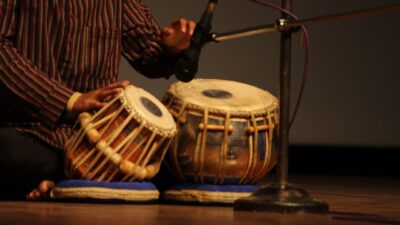
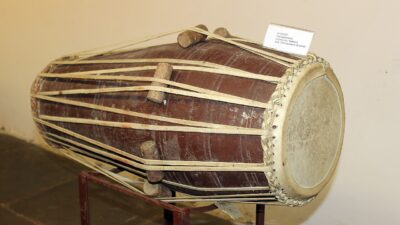
नौशाद का इस विजय-गीत के लिए राग देश का चुनाव जानबूझकर और अद्भुत है। देश वर्षा-ऋतु का राग है — उन बारिशों से जुड़ा जो एक लंबे सूखे को तोड़ती हैं — जो बैजू की उस जीत का सर्वोत्तम रूपक है जो वर्षों के उत्पीड़न और साधना के बाद मिलती है। रचना लगभग संयमित शुरू होती है, रफ़ी की आवाज़ उमंग को रोककर रखती है, फिर धीरे-धीरे ऐसी तानों में खुलती है जो उनकी गायकी की अद्भुत क्षमता दिखाती हैं। पखावज (ध्रुपद परंपरा का दो-मुखी ढोल) तबले के साथ मिलकर सदियों की शास्त्रीय परंपरा की गहराई देता है।
अंग्रेज़ी में पढ़ें · Read in English
Naushad's choice of Raag Desh for this victory song is deliberate and brilliant. Desh is a monsoon-season raag — associated with the rains that break a long drought — making it the perfect metaphor for Baiju's triumph after long years of persecution and practice. The composition begins almost restrained, Rafi's voice holding back the exuberance, and then gradually releases into increasingly elaborate taan passages that showcase his vocal acrobatics without ever losing the song's classical dignity. The pakhawaj (the older double-headed drum of dhrupad tradition) alongside the tabla gives the percussion a historic depth, rooting the celebration in centuries of Indian classical tradition. The arrangement is arguably the most classically ambitious moment in the entire Baiju Bawra score.
काव्य The Poetry
शकील बदायूँनी के बोल इस गीत में जानबूझकर सरल हैं — 'आज मेरा मन गाता है, झूम-झूम के' — क्योंकि जिस अनुभव का वर्णन हो रहा है वह भाषा से परे है। यह उस व्यक्ति का गीत है जिसके लिए गाने की क्रिया ही संदेश है, माध्यम नहीं। 'झूम के' की पुनरावृत्ति लफ़्फ़ाज़ी नहीं बल्कि लगभग शारीरिक है — शरीर को आत्मा की मुक्ति में भागीदार होने का निमंत्रण। ब्रज भाषा बैजू की संगीत-जीत को भक्ति परंपरा से जोड़ती है।
अंग्रेज़ी में पढ़ें · Read in English
Shakeel Badayuni's lyric in this song is deliberately simple — 'Today my heart sings, swaying with joy' — because the experience being described transcends language. This is the song of a man for whom the act of singing IS the message, not merely the vehicle. The repetition of 'jhoom ke' (swaying, swaying) is not rhetorical but almost physical — an instruction to the body to participate in the soul's liberation. The Braj dialect, with its folk-devotional associations, ties Baiju's musical triumph to the bhakti tradition: a singer who has merged with his god through the medium of sound.
कहानी The Story
बैजू बावरा की कथा में यह गीत लंबे दुख के बाद आता है। बैजू फ़िल्म भर शोक, साधना और आत्मिक संकट में रहा है — 'ओ दुनिया के रखवाले' उसके संदेह की सबसे गहरी रात थी। दरबार में विजय न केवल कहानी को हल करती है बल्कि बैजू के आत्मिक संकट को भी: उसने सिद्ध किया कि भक्तिभाव से अभ्यास किया गया संगीत सांसारिक शक्ति को पार कर सकता है। निर्देशक विजय भट्ट ने इस गीत के चित्रीकरण को दर्शकों को बैजू के साथ इस मुक्ति को अनुभव करने देने के लिए विस्तारित किया।
अंग्रेज़ी में पढ़ें · Read in English
In Baiju Bawra's narrative, this song comes after the film's long build-up of anguish. Baiju has spent the film in grief, practice, and spiritual crisis — 'O Duniya Ke Rakhwale' was his darkest moment of doubt. The victory at court resolves not just the plot but Baiju's spiritual crisis: he has proven that music, practiced with devotion, can transcend worldly power. Director Vijay Bhatt extended the song's picturization to allow the audience to experience the release alongside Baiju, and reportedly Bharat Bhushan's expression in the scene — of a man who has finally, after enormous cost, arrived somewhere true — was one of the actor's finest performances.
विरासत The Legacy
'आज गावत मन मेरो झूम के' बैजू बावरा के अधिक प्रसिद्ध भक्ति-गीतों का आनंदमय जवाब है। जो श्रोता पूरी फ़िल्म जानते हैं उनके लिए यह वह भावनात्मक समाधान है जो पूर्ववर्ती पीड़ा को सहनीय बनाता है। रफ़ी जी की तानें इस गीत में उनकी शास्त्रीय सीमा की चर्चाओं में नियमित रूप से उद्धृत होती हैं।
अंग्रेज़ी में पढ़ें · Read in English
Aaj Gaavat Mann Mero Jhoom Ke is the joyful counterpart to the more famous devotional songs of Baiju Bawra, and for listeners who know the complete film, it represents the emotional resolution that makes the preceding anguish bearable. Rafi's taan passages in this song are regularly cited in discussions of his classical range, and the pakhawaj-tabla combination is noted as one of the most historically conscious percussion choices in 1950s film music. The song remains a favourite at classical-film music concerts where the Baiju Bawra score is featured.
वर्गीकरण
Classification- Tempo
- Medium
Genre
अन्य विवरण
More Details- Hindi Film Geet Kosh, Vol. 3 (1952), ed. Har Mandir Singh 'Hamraaz'
- Naushad: The Last of the Mohicans — Raju Bharatan (2004)
- Mohammed Rafi: Golden Voice of the Silver Screen — Sujata Dev (2009)
- Wikipedia: Baiju Bawra (1952 film)
- Wikipedia: Mohammed Rafi
References
रोचक तथ्य
Margin Notesनौशाद द्वारा राग देश का चुनाव — जो वर्षा ऋतु से जुड़ा एक राग है और सूखे को तोड़ती बारिश का प्रतीक है — बैजू की वर्षों के आध्यात्मिक और व्यक्तिगत सूखे के बाद मिली विजय के लिए एक सुविचारित रूपक है।
अंग्रेज़ी में पढ़ें · Read in English
Naushad's choice of Raag Desh — a monsoon-season raag associated with rain breaking a drought — is a deliberate metaphor for Baiju's triumph after years of spiritual and personal drought.
पखावज (एक दोमुँहा बैरल ड्रम, जो ध्रुपद संगीत में तबले से भी पुराना है) का प्रयोग तबले के साथ किया गया है, ताकि ताल-वाद्यों को सदियों पुरानी ऐतिहासिक गूँज मिले — जो मुग़लकालीन भारत में स्थापित इस कहानी के अनुरूप है।
अंग्रेज़ी में पढ़ें · Read in English
The pakhawaj (a double-headed barrel drum predating the tabla in dhrupad music) is used alongside tabla to give the percussion a centuries-deep historical resonance appropriate for a story set in Mughal-era India.
मोहम्मद रफ़ी ने बैजू बावरा का सबसे वेदनापूर्ण गीत ('ओ दुनिया के रखवाले') और सबसे उल्लासपूर्ण गीत ('आज गावत मन मेरो झूम के') — दोनों गाए, जो एक ही फ़िल्म में एक ही गायक से माँगी जाने वाली नाटकीय रेंज का दुर्लभ उदाहरण है।
अंग्रेज़ी में पढ़ें · Read in English
Mohammed Rafi sang both the most anguished song in Baiju Bawra ('O Duniya Ke Rakhwale') and the most jubilant ('Aaj Gaavat Mann Mero Jhoom Ke') — a dramatic range rarely required of a single singer in a single film.
इस गीत के तान-अंशों को संगीत शिक्षक अक्सर उदाहरण के रूप में उद्धृत करते हैं कि किस तरह शास्त्रीय अलंकरण को फ़िल्मी संगीत की सहजता से समझौता किए बिना उसमें शामिल किया जा सकता है।
अंग्रेज़ी में पढ़ें · Read in English
The taan passages in this song are cited by music teachers as examples of how classical ornamentation should be incorporated into film music without sacrificing the song's accessibility.
बैजू की भूमिका निभाने वाले अभिनेता भारत भूषण किसी शास्त्रीय संगीतज्ञ के रूप में जाने नहीं जाते थे, लेकिन इस गीत के फ़िल्मांकन में उनकी भाव-भंगिमा — उल्लासपूर्ण मुक्ति की — आंशिक रूप से शूटिंग के दौरान सेट पर रफ़ी की प्लेबैक सुनकर हासिल की गई थी।
अंग्रेज़ी में पढ़ें · Read in English
Bharat Bhushan, the actor who plays Baiju, was not known as a classical musician, but his physical expression during this song's picturization — of ecstatic release — was achieved partly by listening to Rafi's playback on set during shooting.
नमूना-पट्टी
The Specimen Table| शीर्षक | आज गावत मन मेरो झूम के · Aaj Gaavat Mann Mero Jhoom Ke |
|---|---|
| वर्ष · युग | 1952 — Golden Era |
| गायक | Mohammed Rafi |
| गीतकार | Shakeel Badayuni |
| संगीतकार | Naushad |
| स्वरूप | एकल पुरुष |
| गति | मध्यम |
| अवधि | 4:15 |
| भाषा | Hindi · Braj |
| वाद्य | tabla · pakhawaj · harmonium · sarangi |
| भाव | उत्सव · आनंदित · प्रेरणादायक · आध्यात्मिक |
| लोकप्रियता | Very_popular |
| बोल-स्थिति | केवल झलक |
जुड़े हुए पन्ने
Connected Plates · The Graph Made Visibleअटलस में कोई पन्ना अकेला नहीं — इस गीत से जुड़े गीत, कलाकार, फ़िल्म, राग-ताल-विधा, सब यहाँ से खुलते हैं।
मिलते-जुलते गीत · Related Songs
कलाकार · The Artists
युग · The Era
साझा कीजिए · Share this Plate
यह पन्ना आगे बढ़ाइए
रफ़ी ने यह गीत नहीं गाया — वे गीत बन गए। और चार मिनट के लिए हम भी।
Rafi did not sing this song — he became the song. And for four minutes, so did we.
— Lata Mangeshkar (attributed, tribute to Rafi, 1980)
सवाल-जवाब
Questions & Answersबैजू बावरा में 'आज गावत मन मेरो झूम के' का कहानी में क्या संदर्भ है? · What is the story context of Aaj Gaavat Mann Mero Jhoom Ke in Baiju Bawra?
यह गीत बैजू बावरा के भावनात्मक चरमोत्कर्ष पर आता है, जब नायक बैजू (भरत भूषण) अकबर के दरबार में दरबारी संगीतकार तानसेन के विरुद्ध संगीत-प्रतियोगिता जीत लेता है। वर्षों की आत्मिक तैयारी और निजी दुख के बाद, बैजू की यह जीत केवल प्रतिस्पर्धी नहीं बल्कि आत्मिक है।
This song comes at the emotional climax of Baiju Bawra, after the protagonist Baiju (Bharat Bhushan) wins the musical contest at Emperor Akbar's court against the court musician Tansen. Having spent years in spiritual preparation and personal grief, Baiju's victory is not merely competitive but spiritual — the song expresses the ecstasy of a musician who has finally merged with music itself.
इस गीत में कौन-सा राग है? · Which raag is used in this song?
यह गीत राग देश में रचा माना जाता है — वर्षा-ऋतु का राग जो सूखे के बाद बारिश की खुशी से जुड़ा है। नौशाद का बैजू के विजय-गीत के लिए देश राग का चुनाव जानबूझकर रूपकात्मक माना जाता है।
The song is believed to be composed in Raag Desh — a monsoon-season raag associated with the joy of rain after drought. Naushad's choice of Desh for Baiju's victory song is considered deliberately metaphorical: as rain ends a drought, music ends Baiju's years of suffering and spiritual crisis.