गीत विंग · गीत-पट्टिका · Song Plate
ऐ मेरे दिल कहीं और चल
Ae Mere Dil Kahin Aur Chal
जब सब कुछ खो चुका हो, तब तलत महमूद धीरे से तुम्हारे दिल को सिखाते हैं — 'कहीं और चल।'
भावमीठा-कड़वा · Introspective · उदास · दार्शनिक
भाषाHindi · Urdu गतिधीमी स्वरूपएकल पुरुष
श्रेय
The Creditsबोल · The Lyrics
बोल — झलक · Lyrics Preview
कहीं और चल, कहीं और चल
Kahin aur chal, kahin aur chal
कॉपीराइट के कारण केवल झलक — पूरे बोल आधिकारिक मंचों पर।
शब्दकोश
Word Meaningsसूत्र-वाक्य · The Hook
सूत्र-वाक्य
जब सब कुछ खो चुका हो, तब तलत महमूद धीरे से तुम्हारे दिल को सिखाते हैं — 'कहीं और चल।'
In EnglishWhen you have already lost everything, Talat Mahmood teaches you to gently ask your own heart to go find another home.
पट्टिका-लेख
The Monographपरिचय Overview
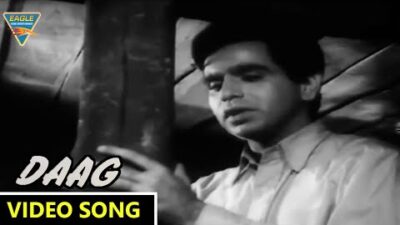
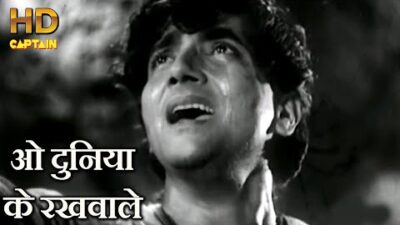
भारतीय फ़िल्मी संगीत की अंतर्मुखी परंपरा का एक स्तंभ है 'ऐ मेरे दिल कहीं और चल।' एस.डी. बर्मन ने इसे अमिया चक्रवर्ती की 1952 की फ़िल्म 'दाग़' के लिए बनाया, शैलेन्द्र ने बोल लिखे, और दिलीप कुमार के लिए पार्श्व-गायन किया तलत महमूद ने — उनकी उस मखमली आवाज़ में जो हर दर्द को मुलायम बना देती है। यह गीत बर्मन साहब की उस शैली का प्रतिनिधित्व करता है जहाँ ऑर्केस्ट्रा की धूमधाम नहीं बल्कि गायक की भीतरी आवाज़ प्रधान है। कफ़ी-आधारित रचना में पाश्चात्य गिटार और वायलिन की सादगी के बीच यह गीत एक ऐसे आदमी की कहानी है जो अपने दिल को समझा रहा है — 'अब यहाँ मत रुको, कहीं और चलो।' शैलेन्द्र के बोल ऊपर से सरल हैं, लेकिन उनकी गहराई में एक ऐसा दर्द है जो पच चुका है, जो अब आँसू नहीं, एक शांत स्वीकृति बन चुका है।
अंग्रेज़ी में पढ़ें · Read in English
A landmark of Indian film music's introspective tradition, 'Ae Mere Dil Kahin Aur Chal' was composed by S.D. Burman with lyrics by Shailendra for the 1952 Amiya Chakrabarty film Daag, sung in Talat Mahmood's signature velvet tenor as playback for Dilip Kumar. The song belongs to a distinct genre of Burman compositions — quiet, chamber-scale, built around the singer's inner voice rather than orchestral spectacle. Set in a light Kafi or Bhairavi-adjacent mode with spare Western guitar and violin accompaniment, it captures a man telling his own aching heart to stop its mourning and find another address. Shailendra's lyrics are deceptively simple — every schoolchild can follow the words — but the emotional depth is sophisticated: this is a person who has fully processed loss and arrived at painful acceptance.
संगीत The Music
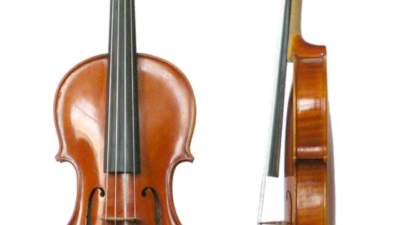
इस रचना में एस.डी. बर्मन की प्रतिभा संयम में दिखती है। 1952 के अधिकतर फ़िल्मी संगीतकार ऐसे भावपूर्ण बोलों पर भारी वाद्य-वृंद खड़ा कर देते, लेकिन बर्मन साहब ने सब कुछ घटा दिया: एक शांत गिटार, एक वायलिन जो शर्माते हुए आती है और चली जाती है, और केंद्र में है तलत महमूद की आवाज़ — बिना जल्दबाज़ी के, बिना जोर के, जैसे कोई खाली कमरे में खुद से बात कर रहा हो। रचना में राग कफ़ी का कोमल गंधार और निषाद एक नीली, स्वीकार्य उदासी देते हैं। तलत महमूद की तकनीक — नियंत्रित कंपन, मृदु व्यंजन-उच्चारण, हल्की-सी गायकी — इस गीत को उनकी अनोखी घनिष्ठ शैली का सर्वोत्कृष्ट उदाहरण बनाती है।
अंग्रेज़ी में पढ़ें · Read in English
S.D. Burman's genius in this composition is restraint. Where most 1952 film composers would build dramatic orchestration around such an emotional lyric, Burman strips everything back: a quiet guitar line, a violin that enters and retreats like a shy thought, and Talat Mahmood's voice at the centre — unhurried, unforced, like a man speaking to himself in an empty room. The composition appears to draw on Raag Kafi's characteristic flattened (komal) Ga and Ni, giving it a blue, resigned quality without the aggressive pathos of Darbari. Talat's technique — the controlled tremolo, the soft consonant attacks, the barely-there vibrato — makes this song one of the defining showcases of his uniquely intimate style. No one before or since has made heartbreak sound this quietly elegant.
काव्य The Poetry
शैलेन्द्र की यह पंक्ति 'ऐ मेरे दिल कहीं और चल' हिंदी फ़िल्मी काव्य की सबसे मनोवैज्ञानिक रूप से सटीक पंक्तियों में से एक है। एक आदमी का अपने दिल को संबोधित करना — जैसे दिल शरीर में रहने वाला कोई ज़िद्दी अलग मुसाफ़िर हो — यह मानता है कि दर्द की अपनी स्वायत्त ज़िंदगी है, जिसे हम महज़ आदेश से बंद नहीं कर सकते। 'कहीं और चल' का अर्थ उपेक्षा नहीं बल्कि दार्शनिक बुद्धिमत्ता है: दर्द मिटता नहीं, उसे नया पता देना पड़ता है। शैलेन्द्र खुद ग़रीबी और टूटन से गुज़रे थे — इसलिए इन शब्दों में एक ज़मीनी सच्चाई है जो उन्हें फ़िल्मी संवाद से ऊपर उठाती है।
अंग्रेज़ी में पढ़ें · Read in English
Shailendra's lyric 'Ae mere dil kahin aur chal' is one of the most psychologically astute lines in Hindi film poetry. The very act of a man addressing his own heart — as if the heart were a separate, stubborn inhabitant of the body — acknowledges that grief has an autonomous life we cannot simply command to stop. The instruction 'kahin aur chal' (go somewhere else) is not dismissal but philosophic wisdom: pain does not vanish; it must be given a new address. Shailendra, who himself knew poverty and heartbreak deeply, brings a groundedness to these words that elevates them beyond film dialogue into lived truth.
कहानी The Story
दाग़ (1952) शंकर (दिलीप कुमार) की कहानी है — एक ऐसे आदमी की जो पुराने प्रेम और वर्तमान परिस्थितियों की टकराहट में टूट गया है। निर्देशक अमिया चक्रवर्ती संगीत में ऑपेरा जैसी भव्यता नहीं चाहते थे — एक घायल आदमी की सोच की आवाज़ चाहते थे। एस.डी. बर्मन, जो हाल ही में बंगाल से आए थे और अपनी हिंदी फ़िल्म-संगीत की आवाज़ बना रहे थे, ने एक ऐसा रचना-दृष्टिकोण सामने रखा जो 1952 के सिनेमा में लगभग अनूठा था: इतना छोटा, इतना अंतरंग गीत कि किसी एक कमरे में एक अकेला इंसान ही उसे सुन सके। उन्होंने तलत महमूद को चुना जिनकी आवाज़ में रफ़ी की शास्त्रीय धाक नहीं थी, मुकेश का नाटकीय गला नहीं था — बल्कि एक निजी, बातचीत जैसी खूबी थी जो श्रोता को लगाती है यह गीत सिर्फ उसके लिए गाया जा रहा है।
अंग्रेज़ी में पढ़ें · Read in English
Daag (1952) is the story of Shankar (Dilip Kumar), a man destroyed by the collision of past love and present circumstance. Director Amiya Chakrabarty wanted music that felt intimate rather than operatic — the sound of a wounded man thinking aloud. S.D. Burman, who had recently arrived from Bengal and was building his distinctive Hindi film voice, proposed a compositional approach almost without parallel in 1952 cinema: a song so small it could be heard by one person in a room. He chose Talat Mahmood, whose voice had none of the classical-trained swagger of Rafi or the dramatic baritone of Mukesh but instead a personal, conversational quality that made listeners feel the song was being sung for them alone. The collaboration was transformative for both artists.
विरासत The Legacy
'ऐ मेरे दिल कहीं और चल' तलत महमूद के करियर का परिभाषित गीत है और एस.डी. बर्मन की सबसे प्रशंसित रचनाओं में से एक। इसने हिंदी फ़िल्म संगीत की उस शैली का आधार रखा जिसमें पुरुष अंतर्मन की शांत, दार्शनिक आवाज़ होती है — वह शैली जो आगे चलकर हेमंत कुमार के 'ये नयन डरे डरे' और मुकेश के 'कभी कभी' में दिखती है। यह गीत आज भी एस.डी. बर्मन बनाम उनके समकालीनों की बहस में केंद्रीय उदाहरण है: जहाँ नौशाद शास्त्रीय भव्यता से काम लेते थे और सी. रामचंद्र नाटकीय ऊर्जा से, वहाँ बर्मन अंतरंगता से काम लेते थे।
अंग्रेज़ी में पढ़ें · Read in English
Ae Mere Dil Kahin Aur Chal stands as the defining song of Talat Mahmood's career and one of S.D. Burman's most admired compositions. It established the template for what would become a distinct genre in Hindi film music: the quiet, chamber-sized, philosophically mature song of male introspection — a genre that would later include Hemant Kumar's 'Ye Nayan Dare Dare' and Mukesh's 'Kabhi Kabhi.' The song remains a touchstone for discussions of how S.D. Burman's music differs from contemporaries: where Naushad used classical grandeur and C. Ramchandra used theatrical energy, Burman used intimacy. Talat Mahmood's version is still the one every subsequent singer of this song is measured against.
वर्गीकरण
Classification- Tempo
- Slow
Genre
अन्य विवरण
More Details- Hindi Film Geet Kosh, Vol. 3 (1952), ed. Har Mandir Singh 'Hamraaz'
- S.D. Burman: The Prince Musician — Khagesh Dev Burman (2008)
- Talat Mahmood: The Man and His Music — Sathya Saran (2014)
- Wikipedia: Daag (1952 film)
- Wikipedia: Talat Mahmood
- Wikipedia: Shailendra (lyricist)
References
रोचक तथ्य
Margin Notesकहा जाता है कि एस.डी. बर्मन ने यह धुन घर पर हारमोनियम पर रची थी, और इस बात पर अड़े रहे कि वाद्यवृंद न्यूनतम रखा जाए ताकि तलत की आवाज़ बिना किसी प्रतिस्पर्धा के खुलकर सांस ले सके।
अंग्रेज़ी में पढ़ें · Read in English
S.D. Burman reportedly composed the melody at home on a harmonium, insisting the orchestration remain minimal so Talat's voice could breathe without competition.
तलत महमूद का ट्रेमोलो — जिसे अक्सर वाइब्रेटो समझ लिया जाता है — एक सुविचारित तकनीक थी जिसे उन्होंने दबे हुए भाव को दर्शाने के लिए विकसित किया था, मानो आवाज़ टूटने ही वाली हो पर कभी टूटती नहीं।
अंग्रेज़ी में पढ़ें · Read in English
Talat Mahmood's tremolo — often mistaken for a vibrato — is a deliberate technique he developed to suggest held-back emotion, as if the voice might break but never does.
शैलेंद्र ने दाग़ के बोल उसी समय लिखे जब वे साथ-साथ राज कपूर की आवारा पर भी काम कर रहे थे, जो स्वर्ण युग के गीतकारों की असाधारण कार्य-गति को दर्शाता है।
अंग्रेज़ी में पढ़ें · Read in English
Shailendra wrote the lyrics of Daag while simultaneously working on Raj Kapoor's Awaara, demonstrating the extraordinary pace at which the Golden Era's lyricists worked.
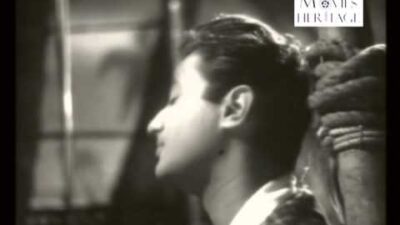
इस गीत के दौरान दिलीप कुमार का मौन अभिनय — जिसमें उनके चेहरे पर नाटकीय शोक के बजाय स्वीकृति का भाव झलकता है — उनके संयमित अभिनय-दर्शन के उदाहरण के रूप में उद्धृत किया जाता है।
अंग्रेज़ी में पढ़ें · Read in English
Dilip Kumar's silent screen performance during this song — his face showing resignation rather than dramatic grief — is cited as an example of his understated acting philosophy.
फ़िल्म दाग़ (1952) व्यावसायिक रूप से इतनी सफल रही कि इसने एस.डी. बर्मन को नौशाद और सी. रामचंद्र के समकक्ष प्रथम श्रेणी के हिंदी फ़िल्म संगीतकार के रूप में स्थापित कर दिया।
अंग्रेज़ी में पढ़ें · Read in English
The film Daag (1952) was commercially successful enough to establish S.D. Burman as a first-rank Hindi film composer, alongside Naushad and C. Ramchandra.
नमूना-पट्टी
The Specimen Table| शीर्षक | ऐ मेरे दिल कहीं और चल · Ae Mere Dil Kahin Aur Chal |
|---|---|
| वर्ष · युग | 1952 — Golden Era |
| गायक | Talat Mahmood |
| गीतकार | Shailendra |
| संगीतकार | S.D. Burman |
| स्वरूप | एकल पुरुष |
| गति | धीमी |
| अवधि | 3:48 |
| भाषा | Hindi · Urdu |
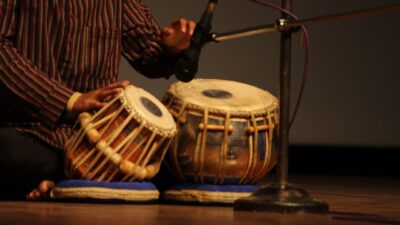
| वाद्य | guitar · violin · tabla |
| भाव | मीठा-कड़वा · Introspective · उदास · दार्शनिक |
| लोकप्रियता | Legendary |
| बोल-स्थिति | केवल झलक |
जुड़े हुए पन्ने
Connected Plates · The Graph Made Visibleअटलस में कोई पन्ना अकेला नहीं — इस गीत से जुड़े गीत, कलाकार, फ़िल्म, राग-ताल-विधा, सब यहाँ से खुलते हैं।
मिलते-जुलते गीत · Related Songs
कलाकार · The Artists
युग · The Era
साझा कीजिए · Share this Plate
यह पन्ना आगे बढ़ाइए
तलत ने गाया जैसे माइक्रोफ़ोन उनकी अपनी आत्मा की वापसी की आवाज़ हो।
Talat sang as if the microphone were his own soul speaking back to him.
— Gulzar (attributed, various interviews on Talat Mahmood)
सवाल-जवाब
Questions & Answers'ऐ मेरे दिल कहीं और चल' का क्या अर्थ है? · What is the meaning of 'Ae Mere Dil Kahin Aur Chal'?
इस पंक्ति का अर्थ है 'ओ मेरे दिल, कहीं और जा' — गायक अपने दिल को संबोधित कर रहा है और उसे कह रहा है कि खोए हुए प्रेम के लिए तरसना बंद करो और नई दिशा ढूँढो। यह सक्रिय हताशा का नहीं, बल्कि शांत स्वीकृति का गीत है।
The phrase means 'O my heart, go somewhere else' — the singer is addressing his own heart and asking it to stop pining for a lost love and find a new direction. It is a song of resigned acceptance rather than active despair.
तलत महमूद कौन थे? · Who is Talat Mahmood?
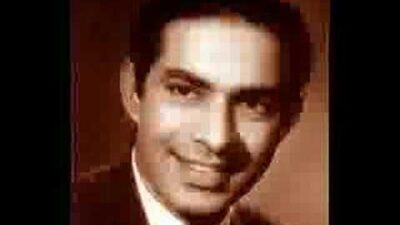
तलत महमूद (1924–1998) हिंदी सिनेमा के महान पार्श्व-गायकों में से एक थे जो अपनी अनूठी अंतरंग, कंपन-भरी आवाज़ के लिए प्रसिद्ध थे। वे ग़ज़ल शैली के फ़िल्मी गीतों और काव्यात्मक उदासी से विशेष रूप से जुड़े थे। एस.डी. बर्मन उन्हें 1950 के दशक में अपने अंतर्मुखी, दार्शनिक गीतों के लिए आदर्श आवाज़ मानते थे।
Talat Mahmood (1924–1998) was one of Hindi cinema's great playback singers, celebrated for his uniquely intimate, tremolo voice. He was particularly associated with ghazal-style film songs and lyrical melancholy. S.D. Burman considered him the ideal voice for the interior, philosophical songs he composed in the 1950s.
'ऐ मेरे दिल कहीं और चल' किस फ़िल्म का गाना है? · What film is Ae Mere Dil Kahin Aur Chal from?
यह गीत दाग़ (1952) का है, जिसे अमिया चक्रवर्ती ने निर्देशित किया था। इसमें दिलीप कुमार, निम्मी और उषा किरण ने अभिनय किया। दाग़ शंकर की कहानी है — एक आदमी जो पुराने प्यार और मौजूदा हालात के बीच बँटा हुआ है।
The song is from Daag (1952), directed by Amiya Chakrabarty and starring Dilip Kumar, Nimmi, and Usha Kiran. Daag tells the story of Shankar, a man torn between past love and present circumstances.