गीत विंग · गीत-पट्टिका · Song Plate
बिरहा की आग
Birha Ki Aag
पाल्म द'ओर जीतने वाली एकमात्र भारतीय फ़िल्म का वह गीत — सोलह साल की गीता दत्त, नए संगीतकार रवि शंकर, और एक लोक-परंपरा जो ग़रीबों के लिए रोती थी।
भावअविस्मरणीय · तीव्र · उदास
भाषाHindi · Bhojpuri-influenced folk dialect गतिधीमी स्वरूपएकल महिला
श्रेय
The Creditsबोल · The Lyrics
बोल — झलक · Lyrics Preview
मन मेरा होवे बेचैन अब तो मिल
Man mera hove bechain ab to mil
कॉपीराइट के कारण केवल झलक — पूरे बोल आधिकारिक मंचों पर।
शब्दकोश
Word Meaningsसूत्र-वाक्य · The Hook
सूत्र-वाक्य
पाल्म द'ओर जीतने वाली एकमात्र भारतीय फ़िल्म का वह गीत — सोलह साल की गीता दत्त, नए संगीतकार रवि शंकर, और एक लोक-परंपरा जो ग़रीबों के लिए रोती थी।
In EnglishThe song from the only Indian film to win the Palme d'Or — a teenage Geeta Dutt, a debuting Ravi Shankar, and a folk tradition that wept for the poor.
पट्टिका-लेख
The Monographपरिचय Overview
1946 के सबसे ऐतिहासिक भारतीय चलचित्र से — 'बिरहा की आग' तीन नए आरंभों के मिलन-बिंदु पर है: रवि शंकर की पहली फ़िल्म-संगीत रचना, गीता दत्त (तब गीता रॉय, लगभग 16 वर्ष) की शुरुआती रिकॉर्डिंग, और चेतन आनंद का निर्देशन उस पहली — और आज भी एकमात्र — भारतीय फ़िल्म का जिसने कान का पाल्म द'ओर (ग्रांड प्री) जीता। 'नीचा नगर' (1946) एक समाजवादी-यथार्थवादी विरोध-फ़िल्म थी जो धनी 'ऊँचे नगर' और गरीब 'नीचे नगर' के वर्ग-संघर्ष पर आधारित थी। रवि शंकर ने उत्तर भारत की बिरहा लोक-परंपरा से प्रेरणा ली — मज़दूर वर्ग के बिछड़न-गीत — और एक ऐसा प्रतिरोध-गान रचा जो साथ ही साथ गहरे व्यक्तिगत भी था।
अंग्रेज़ी में पढ़ें · Read in English
From the most historically important Indian film of 1946, 'Birha Ki Aag' is a song at the intersection of three debuting legends: Ravi Shankar composing his first film soundtrack, Geeta Dutt (then Geeta Roy, aged approximately 16) in one of her earliest recordings, and Chetan Anand directing the first — and still the only — Indian film to win the Palme d'Or at Cannes. Neecha Nagar (1946) was a social-realist protest film based on the class struggle between the wealthy upper city and the impoverished lower city. Ravi Shankar drew from the birha folk tradition of North India — songs of separation sung by the working poor — to create a protest song that was simultaneously deeply personal. The film shared the Grand Prix at the inaugural Cannes Film Festival in 1946.
संगीत The Music
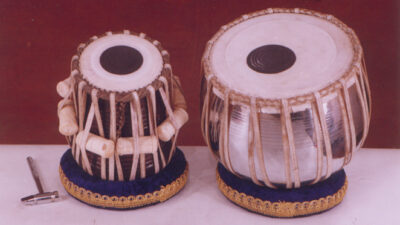
उस्ताद अलाउद्दीन ख़ाँ के मैहर घराने में प्रशिक्षित रवि शंकर अपनी पहली फ़िल्म में शास्त्रीय अनुशासन और लोक-सुलभता का अद्भुत संश्लेषण लेकर आए। 'बिरहा की आग' राग काफ़ी पर आधारित है — वह राग जो उत्तर भारत की बिरहा परंपरा से सबसे गहरे जुड़ा है और जिसमें विरह तथा विलाप के विशेष स्वर-समूह हैं। बंबई फ़िल्म संगीत के आम तौर-तरीके की बजाय रवि शंकर ने एक विरल, सादा संगत चुनी: सितार, तबला, हारमोनियम। सोलह साल की गीता दत्त की आवाज़ में एक असाधारण कच्चापन था — अपने परिपक्व काम की पॉलिश के बिना, लेकिन एक भावनात्मक तात्कालिकता के साथ जो पूरी तरह उनकी अपनी थी।
अंग्रेज़ी में पढ़ें · Read in English
Ravi Shankar, trained under Ustad Allauddin Khan of the Maihar gharana, brought to his debut film score an extraordinary synthesis of classical rigour and folk accessibility. 'Birha Ki Aag' is built around the Kafi raga — the raga most closely associated with the birha tradition of North India, carrying the characteristic note clusters of longing and lamentation. Rather than the lush orchestration typical of Bombay film music, Ravi Shankar used a spare, austere arrangement: sitar, tabla, harmonium. Geeta Dutt's voice at sixteen had an extraordinary quality — raw, direct, without the polished control of her mature work, but with an emotional urgency that was all her own.
काव्य The Poetry
बिरहा उत्तर प्रदेश और बिहार के पूर्वी क्षेत्रों की वह लोक-काव्य परंपरा है जिसमें बिछड़न — विशेषकर एक स्त्री की अनुपस्थित प्रिय के लिए व्याकुलता — को आग, बारिश और जुदाई के बिम्बों में सीधी, बोलचाल की भाषा में व्यक्त किया जाता है। 'बिरहा की आग जलती है रात दिन' इस परंपरागत बिम्बावली को एक समाजवादी-यथार्थवादी संदर्भ में रखता है: यह बिछड़न केवल प्रेम की नहीं, बल्कि ग़रीबों की सम्मान, सुरक्षा और उम्मीद से बिछड़न भी है। लोक-मुहावरा वर्ग-विरोध का माध्यम बन जाता है।
अंग्रेज़ी में पढ़ें · Read in English
The birha is a folk poetry tradition from eastern Uttar Pradesh and Bihar in which longing — especially the longing of a woman for her absent husband or beloved — is expressed through direct, colloquial language shot through with images of fire, rain, and separation. The lyric 'birha ki aag jalti hai raat din' (the fire of separation burns night and day) uses this traditional imagery within a social-realist film context: the separation is not only romantic but also the separation of the poor from dignity, from safety, from hope. The folk idiom thus becomes a vehicle for class protest.
कहानी The Story
'नीचा नगर' मैक्सिम गोर्की के नाटक 'द लोअर डेप्थ्स' पर आधारित थी और इसे ख्वाजा अहमद अब्बास और हयातुल्ला अंसारी ने लिखा था। निर्देशक चेतन आनंद ने संगीत के लिए रवि शंकर को चुना — जो उस समय मुख्यतः अपने गुरु अलाउद्दीन ख़ाँ के साथ शास्त्रीय सितार वादक के रूप में जाने जाते थे। यह एक साहसिक और अपरंपरागत चुनाव था। फ़िल्म को 1946 के उद्घाटन कान महोत्सव में आमंत्रित किया गया जहाँ इसने ग्यारह अन्य फ़िल्मों के साथ ग्रांड प्री (पाल्म द'ओर का पूर्वरूप) साझा किया। गीता दत्त (तब गीता रॉय) ने अभी उसी साल 'भक्त प्रह्लाद' (1946) में अपना गायन-पदार्पण किया था और 'बिरहा की आग' रिकॉर्ड करते समय वे लगभग 16 वर्ष की थीं।
अंग्रेज़ी में पढ़ें · Read in English
Neecha Nagar was based on Maxim Gorky's play 'The Lower Depths' and written by Khwaja Ahmad Abbas and Hayatullah Ansari. Director Chetan Anand chose Ravi Shankar — then primarily known as a classical sitarist performing under his guru Allauddin Khan — to compose the music, a bold and unconventional choice. The film was invited to the inaugural Cannes Film Festival in 1946, where it shared the Grand Prix (the precursor to the Palme d'Or) with eleven other films. It remains the only Indian film to have won this honour. Geeta Dutt (then Geeta Roy) had just made her singing debut in Bhakta Prahlad (1946) and was approximately 16 years old when she recorded 'Birha Ki Aag'.
विरासत The Legacy
'नीचा नगर' कान महोत्सव में भारत का सबसे बड़ा सम्मान बना हुआ है — यह स्थान 'बिरहा की आग' को उसकी अंतर्निहित संगीत-गुणवत्ता से परे भी ऐतिहासिक महत्व देता है। रवि शंकर का यहाँ फ़िल्म संगीतकार के रूप में पहला क़दम पीढ़ियों के भारतीय फ़िल्म संगीतकारों को प्रभावित करता रहा जिन्होंने उनके बाद लोक और शास्त्रीय संगीत के बीच सेतु बनाया। गीता दत्त की यह शुरुआती रिकॉर्डिंग एक संग्रहकर्ता की दुर्लभ वस्तु है — 1950 के दशक के परिपक्व काम से पहले, यह उस कच्ची भावनात्मक शक्ति को दर्शाती है जो उनके पास हमेशा थी।
अंग्रेज़ी में पढ़ें · Read in English
Neecha Nagar remains India's greatest honour at Cannes — a status that makes 'Birha Ki Aag' historically significant beyond its intrinsic musical quality. Ravi Shankar's debut as a film composer here influenced generations of Indian film composers who followed him in bridging folk and classical idioms. Geeta Dutt's early recording here is a collector's piece — before the technical polish of her 1950s work, this shows the raw emotional quality she always possessed. The film has been restored and screened at international film festivals in recent decades.
वर्गीकरण
Classification- Tempo
- Slow
Genre
अन्य विवरण
More Details- Wikipedia — Neecha Nagar (1946 film)
- Wikipedia — Ravi Shankar
- Wikipedia — Geeta Dutt
- Wikipedia — Chetan Anand
- The Quint — 'Revisiting Neecha Nagar, The Only Indian Film to Win Palme D'Or at Cannes'
- The Better India — 'This Movie By Chetan Anand Won Biggest Prize at Cannes Film Festival in 1946'
References
रोचक तथ्य
Margin Notes'नीचा नगर' (1946) कान फ़िल्म समारोह में पाल्म द'ओर (उस समय ग्रां प्री कहलाने वाला) पुरस्कार जीतने वाली एकमात्र भारतीय फ़िल्म है — इसने 1946 के उद्घाटन कान समारोह में यह सम्मान साझा रूप से प्राप्त किया।
अंग्रेज़ी में पढ़ें · Read in English
Neecha Nagar (1946) is the only Indian film to have won the Palme d'Or (then called Grand Prix) at the Cannes Film Festival — it shared the honour at the inaugural Cannes in 1946.
यह फ़िल्म संगीतकार के रूप में रविशंकर की पहली प्रस्तुति थी। वे मुख्य रूप से मैहर घराने के उस्ताद अलाउद्दीन ख़ान से प्रशिक्षित एक शास्त्रीय सितारवादक के रूप में जाने जाते थे।
अंग्रेज़ी में पढ़ें · Read in English
This was Ravi Shankar's debut as a film music composer. He was primarily known as a classical sitarist trained by Ustad Allauddin Khan of the Maihar gharana.
गीता दत्त (तब गीता रॉय) इस गीत को रिकॉर्ड करते समय लगभग 16 वर्ष की थीं और पार्श्वगायन में उनका यह पहला ही वर्ष था।
अंग्रेज़ी में पढ़ें · Read in English
Geeta Dutt (then Geeta Roy) was approximately 16 years old and in her first year of playback singing when she recorded this song.
यह फ़िल्म मैक्सिम गोर्की के उपन्यास 'द लोअर डेप्थ्स' पर आधारित थी — इसकी वर्ग-संघर्ष की कथावस्तु स्पष्ट रूप से समाजवादी विचारधारा के प्रति सहानुभूति रखती थी, जो मुख्यधारा के भारतीय सिनेमा के लिए असामान्य था।
अंग्रेज़ी में पढ़ें · Read in English
The film was based on Maxim Gorky's 'The Lower Depths' — the class-struggle narrative was explicitly socialist in its sympathies, unusual for mainstream Indian cinema.
निर्देशक चेतन आनंद इंडियन पीपल्स थिएटर एसोसिएशन (इप्टा) के संस्थापकों में से एक थे, जो प्रगतिशील और राजनीतिक रूप से सक्रिय कला का समर्थन करता था।
अंग्रेज़ी में पढ़ें · Read in English
Chetan Anand, the director, was one of the founders of the Indian People's Theatre Association (IPTA), which championed progressive, politically engaged arts.
पुरस्कार
The Honoursनमूना-पट्टी
The Specimen Table| शीर्षक | बिरहा की आग · Birha Ki Aag |
|---|---|
| वर्ष · युग | 1946 — Pre-Independence |
| गायक | Geeta Dutt |
| गीतकार | विश्वमित्र आदिल, मनमोहन आनंद |
| संगीतकार | रवि शंकर |
| स्वरूप | एकल महिला |
| गति | धीमी |
| अवधि | c. 3:00 |
| भाषा | Hindi · Bhojpuri-influenced folk dialect |
| वाद्य | sitar · tabla · harmonium |
| भाव | अविस्मरणीय · तीव्र · उदास |
| लोकप्रियता | Known |
| बोल-स्थिति | केवल झलक |
जुड़े हुए पन्ने
Connected Plates · The Graph Made Visibleअटलस में कोई पन्ना अकेला नहीं — इस गीत से जुड़े गीत, कलाकार, फ़िल्म, राग-ताल-विधा, सब यहाँ से खुलते हैं।
मिलते-जुलते गीत · Related Songs
कलाकार · The Artists
साझा कीजिए · Share this Plate
यह पन्ना आगे बढ़ाइए
रोमांटिक फ़िल्मी गीतों के एक साल में, रवि शंकर और सोलह साल की गीता दत्त ने एक विरोध-गीत रचा जो कान जीत गया।
In a year of romantic film songs, Ravi Shankar and a sixteen-year-old Geeta Dutt made a protest song that won Cannes.
— Film historian (paraphrased)
सवाल-जवाब
Questions & Answers'बिरहा की आग' किस फ़िल्म का गीत है? · What film is Birha Ki Aag from?
यह चेतन आनंद की 'नीचा नगर' (1946) का गीत है। यह फ़िल्म एकमात्र भारतीय फ़िल्म है जिसने कान महोत्सव में पाल्म द'ओर (तब ग्रांड प्री) जीता — 1946 के उद्घाटन कान महोत्सव में यह सम्मान साझा किया।
It is from Neecha Nagar (1946), directed by Chetan Anand. This film is the only Indian film to have won the Palme d'Or (then Grand Prix) at the Cannes Film Festival, sharing the award at the inaugural Cannes in 1946.
क्या 'नीचा नगर' संगीतकार के रूप में रवि शंकर की पहली फ़िल्म थी? · Was this Ravi Shankar's first film as a composer?
हाँ, 'नीचा नगर' (1946) संगीतकार के रूप में रवि शंकर की पहली फ़िल्मों में से एक थी। वे इससे पहले मुख्यतः मैहर घराने के उस्ताद अलाउद्दीन ख़ाँ के शिष्य शास्त्रीय सितार-वादक के रूप में जाने जाते थे। निर्देशक चेतन आनंद ने उन्हें विशेष रूप से लोक और शास्त्रीय संगीत को मिलाने की उनकी क्षमता के लिए चुना।
Yes, Neecha Nagar (1946) was among Ravi Shankar's first films as a music composer. He was primarily known as a classical sitarist trained by Ustad Allauddin Khan of the Maihar gharana before this. Director Chetan Anand chose him specifically for his ability to blend folk and classical idioms.
'बिरहा की आग' किसने गाया? · Who sang Birha Ki Aag?
'बिरहा की आग' गीता दत्त (तब गीता रॉय के नाम से) ने गाया — वे उस समय लगभग 16 वर्ष की थीं और पार्श्वगायन के अपने पहले साल में थीं। यह उनकी सबसे शुरुआती ज्ञात फ़िल्मी रिकॉर्डिंग में से एक है।
The song was sung by Geeta Dutt (then credited as Geeta Roy), who was approximately 16 years old at the time and in her first year of playback singing. This is one of her earliest known film recordings.