शास्त्र विंग · राग-पट्टिका · Raag Plate
जोग
Jog
रात का गहरा, आंतरिक राग · The Late Night Raag of Deep Introspection
भावध्यानात्मक · आंतरिक · आध्यात्मिक · शांत · विचारशील
गतिvilambit ऊर्जाधीमी
अन्य नामYoga · Jogia · जोग
स्वर-चित्र · The Swara Panel
आरोह — अवरोह · The Ascent and the Descent
कोमल स्वर — Ni♭ — तीव्रित हरे रंग में।
आरोह · Aroha चढ़ती हुई सीढ़ी
अवरोह · Avaroha उतरती हुई सीढ़ी
कोमल स्वर — नीचे की ओर झुका चिह्न (◌॒)सˊ = तार सप्तक का षड्ज
जोग आरोहण में केवल 5 स्वर का उपयोग करता है (रे और ध के बिना)। यह अत्यंत ध्यानात्मक है।
अंग्रेज़ी में पढ़ें · Read in English
Jog uses one komal note — the komal Nishada (Ni♭). The arohana explicitly omits Re and Dha, creating a sparse, meditative 5-note ascending form. This omission creates the raag's distinctive open, introspective character.
पकड़ · पहचान वाक्यांश
सा ग म प निˇ सˊ
Sa Ga Ma Pa Ni♭ Sa'
जोग को परिभाषित करने वाला ध्यानात्मक, आंतरिक वाक्यांश।
अंग्रेज़ी में पढ़ें · Read in English
The identifying phrase of Jog — sparse and meditative, ascending with introspective quality. The minimal notes create a profound, contemplative character.
वादी–संवादी टिप्पणी · Vadi–Samvadi note
Vadi — The most important note in Jog. Where the raag's meditative, introspective character is most deeply felt.
Samvadi — The second most important note — the tonic, grounding the raag's introspective journey.
चलन · स्वर-यात्रा
सा ग म प निˇ सˊ। निˇ ध प म, म ग रे स, ग म प निˇ सˊ
Sa Ga Ma Pa Ni♭ Sa'. Ni♭ Dha Pa Ma, Ma Ga Re Sa, Ga Ma Pa Ni♭ Sa'
जोग को प्रदर्शन में कैसे गाया जाता है।
अंग्रेज़ी में पढ़ें · Read in English
The melodic progression showing how Jog is traversed — sparse and meditative in ascent, elaborate in descent, emphasizing the raag's introspective depth.
न्यास स्वर — Sa, Pa अनुवादी — Ga, Ma, Dha
विशेष स्वर-वाक्य
Characteristic Phrasesसमय और भाव
Time Theory & Moodसमय-सिद्धांत · Time Theory
रात्रि प्रहर
रात का राग — रात के सबसे गहरे समय में गाया जाता है।
Late night raag — traditionally performed in the very late hours after midnight, during the period of deepest introspection and meditation as day transitions to dawn.
All seasons — no seasonal restriction
भाव और गति · Mood & Tempo
शांत · Peace / Tranquility / Meditation
जोग का प्राथमिक रस — गहरी ध्यानात्मक शांति, आध्यात्मिक अन्वेषण।
vilambit
ऊर्जा · Energyधीमी
स्तर · Levelintermediate — जोग सीखना मध्यम स्तर की कला है। आरोहण में रे और ध का अभाव समझना जरूरी है।
लक्षण गीत · The Mnemonic Verse
लक्षण गीत
जोग राग काफी कुल का गंभीर
प वादी स संवादी भेद भरीर
सा ग म प निˇ सा करे आरोहण
निˇ ध प म ग रे स अवरोहण
अंग्रेज़ी में पढ़ें · Read in English
Jog raag Kafi kul ka gambhir
Pa vadi Sa samvadi bhed bharir
Sa g M p n♭ sa karey arohana
N♭ dha p M g r sa avarohana
Jog is the serious raag of Kafi thaat. Pa as vadi, Sa as samvadi. Ascent: Sa Ga Ma Pa Ni♭ Sa. Descent: Sa Ni♭ Dha Pa Ma Ga Re Sa.
पट्टिका-लेख
The Monographपरिचय Introduction
जोग काफी थाट का एक गहरा ध्यानात्मक राग है। इसकी विशेषता है: आरोहण में केवल 5 स्वर (रे और ध के बिना), अवरोहण में सभी स्वर।
अंग्रेज़ी में पढ़ें · Read in English
Jog is a meditative raag of the Kafi thaat known for its introspective, spiritual character. The raag's most distinctive feature is its sparse arohana, using only 5 notes (Sa Ga Ma Pa Ni♭) while omitting Re and Dha entirely. This omission creates an open, meditative quality unlike any other raag. In contrast, the avarohana uses all notes, creating a sense of elaboration and return. Jog is traditionally a late night raag, performed during the deepest hours when introspection is most natural. The raag is favored for devotional music and philosophical contemplation. Jog has maintained prominence in classical music for its capacity to express deep spiritual longing and meditative calm.
सांस्कृतिक महत्व Cultural Significance
जोग आध्यात्मिक संगीत परंपरा में विशेष महत्व रखता है।
अंग्रेज़ी में पढ़ें · Read in English
Jog holds deep spiritual and cultural significance in both classical and devotional music contexts. The raag is associated with meditation, philosophical reflection, and spiritual yearning. It has been favored in both classical concerts and devotional contexts. The raag's meditative qualities make it a favorite for introspective listeners and sincere practitioners seeking spiritual expression through music.
ऐतिहासिक महत्व Historical Significance
जोग एक प्राचीन ध्यानात्मक राग है जो शास्त्रीय और भक्ति परंपराओं में महत्वपूर्ण रहा है।
अंग्रेज़ी में पढ़ें · Read in English
Jog is documented in classical music texts as a meditative raag of the Kafi thaat. The raag became prominent in late medieval classical music and has maintained its position in the meditative raag repertoire. It is particularly favored in khayal and devotional traditions for its capacity to express spiritual longing and philosophical introspection. The raag has remained respected in serious classical circles and among musicians seeking to explore meditation and spirituality through music.
शिक्षा
Teaching & Learning| बंदिश | ताल · लय | बोल |
|---|---|---|
| Jog Ki Pakad Traditional |
Teentaal | |
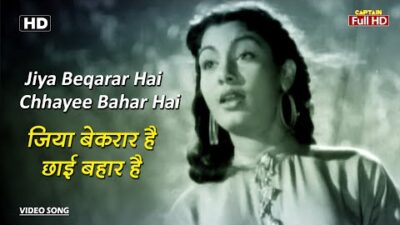
| Jiya Beqarar Hai Traditional |
Teentaal |
आरोहण (सा ग म प निˇ सˊ) में महारत हासिल करें। केवल 5 स्वर।
अंग्रेज़ी में पढ़ें · Read in English
Master the sparse arohana (Sa Ga Ma Pa Ni♭ Sa'). Only 5 notes with no Re or Dha. Practice slowly, feeling the open, meditative quality.
आरोहण-अवरोहण के विरोधाभास को समझें।
अंग्रेज़ी में पढ़ें · Read in English
Understand the contrast: arohana is sparse and open, avarohana is fuller with all notes. Let this contrast guide your phrasing and emotional expression.
वादी (प) और संवादी (स) के चारों ओर सजावट का अन्वेषण करें।
अंग्रेज़ी में पढ़ें · Read in English
The vadi (Pa) and samvadi (Sa) define the meditative journey. Explore ornamentation around these notes extensively, bringing out introspection.
जोग को गहरे ध्यान और आध्यात्मिक संवेदनशीलता के साथ गाएँ।
अंग्रेज़ी में पढ़ें · Read in English
Jog is a raag for late night, quiet, introspective performance. Approach with philosophical depth and spiritual sensitivity. The raag rewards subtlety.
आरोहण में रे या ध का प्रयोग करना, जो जोग में नहीं है
अंग्रेज़ी में पढ़ें · Read in English
Including Re or Dha in the arohana, forgetting Jog's sparse 5-note ascending form
सुधार: Jog's arohana is explicitly Sa Ga Ma Pa Ni♭ Sa' — only 5 notes. The omission of Re and Dha is essential to the raag's meditative character.
राग को तेज़ या उत्साहपूर्ण तरीके से गाना, इसके ध्यानात्मक चरित्र को खोना
अंग्रेज़ी में पढ़ें · Read in English
Playing the raag too fast or energetically, missing its meditative character
सुधार: Jog requires slow, contemplative performance (vilambit). Honor the raag's spiritual nature with careful, meditative pacing.
अवरोहण में कोमल निषाद पर पर्याप्त जोर न देना
अंग्रेज़ी में पढ़ें · Read in English
Not emphasizing the komal Ni♭ enough in descent, losing introspective quality
सुधार: The komal Ni♭ in descent is crucial. It creates the introspective mood. Give it proper attention and ornamentation.
तुलना
A Specimen Comparisonदोनों कोमल, ध्यानात्मक राग हैं, लेकिन अलग-अलग समय में।
| तुलनाSpecimen | जोग | सोरठ |
|---|---|---|
| स्वर-अंतर | Sorath: Sa Re Ma Pa Dha (arohana) | Jog: Sa Ga Ma Pa Ni♭ (arohana) | |
| भाव-अंतर | Sorath = Evening romantic; Jog = Late night deeply meditative | |
| समय-अंतर | Sorath: prahar 5 (evening); Jog: prahar 7-8 (late night) | |
दोनों ध्यानात्मक राग हैं, लेकिन अलग-अलग आरोहण और समय में।
| तुलनाSpecimen | जोग | गोरख कल्याण |
|---|---|---|
| स्वर-अंतर | Gorakh Kalyan: Sa Ma Pa Dha Ni♭ | Jog: Sa Ga Ma Pa Ni♭ | |
| भाव-अंतर | Gorakh Kalyan = Late evening meditative; Jog = Late night deeply introspective | |
| समय-अंतर | Gorakh Kalyan: prahar 6; Jog: prahar 7-8 | |
रोचक तथ्य
Margin Notesजोग का आरोहण केवल 5 स्वर का है, जो हिंदुस्तानी संगीत में सबसे कम स्वरों वाले आरोहण में से एक है।
अंग्रेज़ी में पढ़ें · Read in English
Jog's arohana omits both Re and Ga, making it one of the sparsest ascending forms in Hindustani music — only 5 notes create the meditative ascent.
जोग का आरोहण और अवरोहण बिल्कुल अलग हैं — आरोहण सरल, अवरोहण विस्तृत।
अंग्रेज़ी में पढ़ें · Read in English
Unlike most raags where ascent and descent are mirror-like, Jog dramatically differs: sparse ascent vs. elaborate descent, symbolizing the raag's meditative depth.
जोग रात के सबसे गहरे समय में गाया जाता है, ध्यान के लिए आदर्श।
अंग्रेज़ी में पढ़ें · Read in English
Jog is traditionally a late night/early morning raag (prahar 7-8), ideal for meditation and spiritual practice as the night reaches its deepest point.
जोग का नाम योग से आता है, जो आध्यात्मिकता और दिव्य मिलन को दर्शाता है।
अंग्रेज़ी में पढ़ें · Read in English
The name 'Jog' relates to 'Yoga' — spirituality and union with the divine — reflecting the raag's spiritual and meditative nature.
प्रस्तुति
Performance- Description
- रात का राग — रात के सबसे गहरे समय में गाया जाता है। Late night raag — traditionally performed in the very late hours after midnight, during the period of deepest introspection and meditation as day transitions to dawn.
- Prahar Number
- 7
- Prahar Name
- रात्रि प्रहर Ratri Prahar (Night)
- Time Start
- 21:00
- Time End
- 24:00
- Time Flexibility
- flexible
- Time Notes
- Primarily a late night raag, though can be performed at other times in concert contexts.
Time
और जानें
More to Know- raag-sorath — Sorath — सोरठ — Both are meditative raags of Kafi/Khamaj thaat with komal Ni. Sorath is an evening raag (prahar 5) with 5 notes in arohana. Jog is late night (prahar 7-8) with different notes. — दोनों कोमल, ध्यानात्मक राग हैं, लेकिन अलग-अलग समय में। — Sorath: Sa Re Ma Pa Dha (arohana) | Jog: Sa Ga Ma Pa Ni♭ (arohana) — Sorath = Evening romantic; Jog = Late night deeply meditative — Sorath: prahar 5 (evening); Jog: prahar 7-8 (late night)
- raag-gorakh-kalyan — Gorakh Kalyan — गोरख कल्याण — Both are meditative raags with sparse arohana (5 notes omitting different notes). Gorakh Kalyan is late evening (prahar 6). Jog is late night (prahar 7-8). Both are introspective. — दोनों ध्यानात्मक राग हैं, लेकिन अलग-अलग आरोहण और समय में। — Gorakh Kalyan: Sa Ma Pa Dha Ni♭ | Jog: Sa Ga Ma Pa Ni♭ — Gorakh Kalyan = Late evening meditative; Jog = Late night deeply introspective — Gorakh Kalyan: prahar 6; Jog: prahar 7-8
Comparisons
सीखने के लिए
For Learners- Difficulty Level
- intermediate
नमूना-पट्टी
The Specimen Table| नाम | जोग · Jog |
|---|---|
| थाट | काफी |
| आरोह | सा ग म प निˇ सˊ |
| अवरोह | सˊ निˇ ध प म ग रे स |
| पकड़ | सा ग म प निˇ सˊ |
| जाति | औडव-संपूर्ण · Audav-Sampurna |
| कोमल स्वर | Ni♭ |
| समय | रात्रि प्रहर |
| ऋतु | All seasons — no seasonal restriction |
| गति | vilambit |
| ऊर्जा | धीमी |
| प्रकृति | Komal |
| परिवार | काफी परिवार |
| स्तर | intermediate |
| लोकप्रियता | Very popular |
| कर्नाटक समतुल्य | Kharaharapriya · Melakarta 22 |
| पाश्चात्य समतुल्य | Dorian / Natural Minor |
| अन्य नाम | Yoga · Jogia · जोग |
जुड़े हुए पन्ने
Connected Plates · The Graph Made Visibleअटलस में कोई पन्ना अकेला नहीं — इस राग से गीत, प्रस्तुतियाँ, कलाकार, ताल, घराने और मिलते-जुलते राग, सब यहाँ से खुलते हैं।
इस राग के गीत · Songs in this Raag
प्रसिद्ध प्रस्तुतियाँ · Legendary Renditions
फ़िल्मी गीत इस राग में · Famous Film Songs
इस राग के कलाकार · Notable Artists
ताल-साथी · Taal Pairings
घराने · Gharanas
मिलते-जुलते राग · Similar Raags
शास्त्र-सूत्र · Shastra Threads
श्रवण-कक्ष · The Listening Room
सुनिए — जोग · Hear the Raag
Raag Jogkauns | Omkar Dadarkar
प्रश्नोत्तर
Questions & Answersराग जोग का आरोहन-अवरोहन क्या है?
राग जोग का आरोहन: सा ग म प निˇ सˊ (5 स्वर) | अवरोहन: सˊ निˇ ध प म ग रे स
अंग्रेज़ी में पढ़ें · Read in English
What is the arohana and avarohana of Raag Jog? — Raag Jog arohana: Sa Ga Ma Pa Ni♭ Sa' (5 notes) | Avarohana: Sa' Ni♭ Dha Pa Ma Ga Re Sa
जोग का नाम किसके नाम से है?
जोग का नाम योग से आता है। यह आध्यात्मिकता और दिव्य मिलन को दर्शाता है, जो राग की ध्यानात्मक प्रकृति को दर्शाता है।
अंग्रेज़ी में पढ़ें · Read in English
What is the origin of the name Jog? — The name 'Jog' comes from 'Yoga' — spirituality and union with the divine — reflecting the raag's meditative and spiritual nature.
जोग में कौन से स्वर नहीं आते?
जोग के आरोहण में रे और ध नहीं आते। केवल सा ग म प निˇ सˊ।
अंग्रेज़ी में पढ़ें · Read in English
Which swaras are omitted in Jog's arohana? — Jog's arohana omits Re and Dha. Only Sa Ga Ma Pa Ni♭ Sa' are used.
जोग की वादी-संवादी कौन हैं?
जोग की वादी (प्रमुख स्वर) प है और संवादी (दूसरा महत्वपूर्ण स्वर) स है।
अंग्रेज़ी में पढ़ें · Read in English
What are the vadi and samvadi of Jog? — Vadi of Jog is Pa, and Samvadi is Sa.
साझा कीजिए · Share this Plate