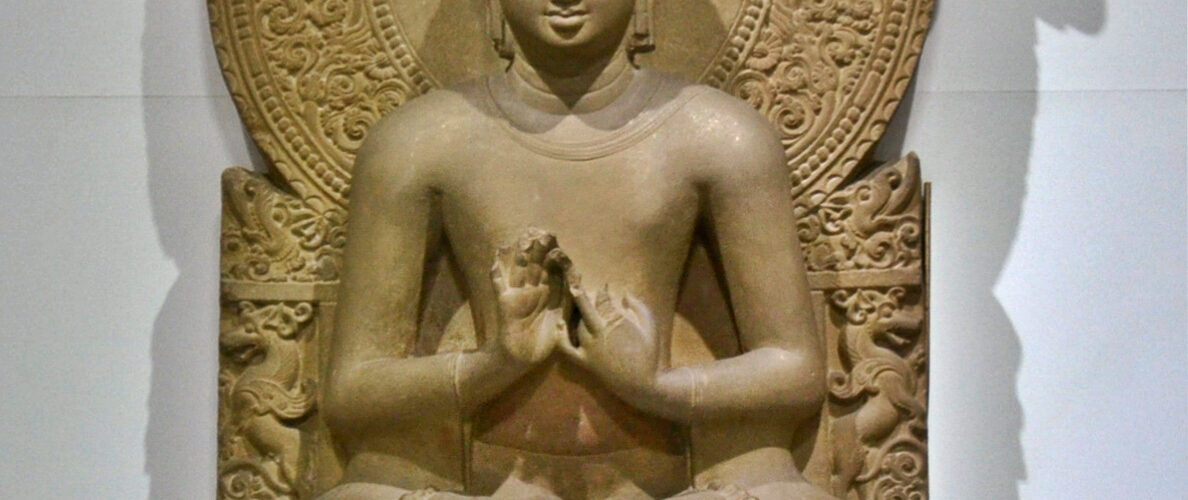
शास्त्र विंग · रस-पट्टिका · Rasa Plate
शांत
Shanta · Śānta
आत्म-शांति का रस — सभी रसों का माध्य, मोक्ष की राह, आंतरिक शांति और आत्मज्ञान का सर्वोच्च अनुभव।
अन्य नामशांत रस · शान्त रस · शमा · शम रस · Shanta Rasa · Shant Rasa · Shama
सारशांत वह रस है जिसमें सभी इच्छाओं से मुक्ति, भय-भ्रम से विमुक्ति, और आत्म-साक्षात्कार की भावना व्यक्त होती है। · Shanta is the rasa that expresses liberation from all desires, freedom from fear and illusion, and the realization of the Self.
नाट्यशास्त्र · षष्ठ अध्याय (Chapter 6) · Chapter 6 (Rasa Adhyaya)
नाट्यशास्त्र संदर्भ
शमरसस्य स्थायिभावः शमो नाम न तु निर्वेदः। आचार्य अभिनवगुप्त द्वारा संशोधित।
अनुवादशांत रस का स्थायी भाव शम (शांति) है, न कि केवल निर्वेद (अलगाववाद)। आचार्य अभिनवगुप्त ने नाट्यशास्त्र में शांत रस को नवां रस के रूप में जोड़ा और इसे सभी रसों का अधिष्ठाता बनाया। शांत रस सत्य के ज्ञान से उत्पन्न होता है और मन की पवित्रता में सन्निहित होता है। यह आत्मीय आनंद (आनंद) का रस है जो सभी द्वैतों (सुख-दुःख, प्रेम-वैर, भय-साहस) से परे है।
अंग्रेज़ी में पढ़ें · Read in English
The sthayi bhava (dominant emotion) of Shanta rasa is Shama (peace), not merely detachment. Acharya Abhinavagupta added Shanta rasa as the ninth rasa in Natyashastra and made it the governing principle of all rasas. Shanta rasa arises from knowledge of truth and resides in purity of mind. It is the rasa of supreme bliss (Ananda) that transcends all dualities — pleasure-pain, love-hate, fear-courage.
दर्शन
The Philosophyस्थायी भाव — शम / निर्वेद Sthayi Bhava · Shama / Nirveda (Peace / Detachment)
शम (शांति) शांत रस का हृदय है। यह केवल सांसारिक चिंताओं को भूलना नहीं है, बल्कि एक सक्रिय आंतरिक अवस्था है जिसमें मन सभी इच्छाओं, भय, और राग-द्वेष से मुक्त हो जाता है। निर्वेद (अलगाववाद) का अर्थ है संसार के नश्वर सुखों से विरक्ति और सत्य की ओर उन्मुखीकरण। शम एक सतत, स्थिर भाव है जो आंतरिक दृष्टि (आत्म-साक्षात्कार) से जन्मता है। यह न तो उदासीनता है और न ही निरर्थकता, बल्कि एक गहन संतुष्टि और पूर्णता की स्थिति है जहाँ आत्मा को अपने वास्तविक स्वभाव का बोध हो जाता है। शम में सभी भावनाएँ शांत हो जाती हैं, सभी चंचलताएँ विलीन हो जाती हैं, और मन ब्रह्मांड के साथ एक हो जाता है।
अंग्रेज़ी में पढ़ें · Read in English
Shama (peace) is the heart of Shanta rasa. It is not merely forgetting worldly concerns, but an active inner state in which the mind becomes free from all desires, fears, and attachments. Nirveda (detachment) means dispassion for the fleeting pleasures of the world and turning towards truth. Shama is a constant, stable emotion that arises from inner vision (self-realization). It is neither indifference nor meaninglessness, but a profound state of satisfaction and completeness where the soul recognizes its true nature. In Shama, all emotions become still, all restlessness dissolves, and the mind becomes one with the universe.
विभाव — कारण Vibhava · Determinants
विभाव (कारण) वे सभी परिस्थितियाँ और अनुभव हैं जो शांत रस को जन्म देती हैं। इनमें सत्य का ज्ञान, आध्यात्मिक साधना, ध्यान, प्रकृति की सौंदर्य, आत्म-निरीक्षण, और मन की पवित्रता शामिल होती है। शांत रस का उदय ज्ञान से होता है, न कि अंधविश्वास से।
अंग्रेज़ी में पढ़ें · Read in English
Vibhav (determinants) are the circumstances and experiences that give rise to Shanta rasa. These include knowledge of truth, spiritual practice, meditation, the beauty of nature, self-reflection, and purity of mind. Shanta rasa arises from knowledge, not from ignorance or blind faith.
- सत्य का ज्ञान — आत्मा और ब्रह्म का एकत्व समझना
- ध्यान और मनन — मन को शांत करना, विचारों को नियंत्रित करना
- आध्यात्मिक साधना — योग, प्राणायाम, और आध्यात्मिक अभ्यास
- प्रकृति का अवलोकन — नदी की प्रवाहमानता, पहाड़ों की शांति, आकाश की विशालता
- आत्म-निरीक्षण — अपनी भीतरी दुर्बलताओं और शक्तियों को समझना
- गुरु का साथ — आध्यात्मिक मार्गदर्शक का सान्निध्य
अंग्रेज़ी में पढ़ें · Read in English
- Knowledge of truth — understanding the unity of soul and Brahman
- Meditation and contemplation — calming the mind, controlling thoughts
- Spiritual practice — yoga, pranayama, and spiritual discipline
- Observation of nature — the flow of rivers, the peace of mountains, the vastness of sky
- Self-reflection — understanding inner weaknesses and strengths
- Company of a guru — the presence of a spiritual guide
अनुभाव — अभिव्यक्तियाँ Anubhava · Manifestations
अनुभाव (अभिव्यक्तियाँ) वे शारीरिक और मानसिक अवस्थाएँ हैं जो शांत रस को प्रकट करती हैं। इनमें स्थिर मुद्रा, शांत दृष्टि, धीमा और गहरा श्वास, शांत चेहरा, और आंतरिक प्रकाश की चमक शामिल है। शांत रस में कोई उथल-पुथल नहीं होती, बल्कि एक गहन मौन और अंतर्दृष्टि की अभिव्यक्ति होती है।
अंग्रेज़ी में पढ़ें · Read in English
Anubhava (manifestations) are physical and mental states that reveal Shanta rasa. These include steady posture, calm gaze, slow and deep breathing, peaceful countenance, and the radiance of inner light. In Shanta rasa, there is no agitation, only a profound silence and the expression of inner vision.
- शरीर की स्थिरता — सीधा बैठना, ध्यान की मुद्रा
- आँखें बंद करना या शांत दृष्टि से बहुत दूर देखना
- श्वास की गति को धीमा करना, गहरे और लंबे साँसें लेना
- चेहरे पर एक शांत मुस्कान, कोई भी उथल-पुथल नहीं
- आवाज़ में दीनता और गहराई
- शरीर से प्रकाश की एक अदृश्य किरण निकलती है
- होंठों पर एक अस्पष्ट मुस्कान — न खुशी, न दुःख, बल्कि पूर्णता का बोध
अंग्रेज़ी में पढ़ें · Read in English
- Stillness of body — sitting upright in meditation posture
- Closing eyes or gazing far into the distance with calm eyes
- Slowing breath, taking deep and long breaths
- A peaceful smile on the face, no agitation
- Depth and gentleness in voice
- An invisible ray of light emanating from the body
- A faint smile on the lips — neither happiness nor sorrow, but realization of completeness
संचारी भाव — अस्थायी भाव Vyabhichari Bhava · Transitory Emotions
संचारी भाव (अस्थायी भाव) वे क्षणिक भावनाएँ हैं जो शांत रस के निर्माण में सहायक होती हैं। शांत रस में प्रमुख संचारी भाव हैं — मति (बुद्धि), विचार (चिंतन), स्मृति (स्मरण), दृढ़ता, धीरज, और गर्व (सात्विक गर्व — आत्मविश्वास)।
अंग्रेज़ी में पढ़ें · Read in English
Vyabhichari bhava (transitory emotions) are fleeting feelings that aid in the creation of Shanta rasa. The prominent transitory emotions in Shanta are: Mati (intellect), Vichar (reflection), Smriti (remembrance), steadfastness, patience, and pride (sattvic pride — self-confidence).
अधिदेवता और रंग Deity & Colour
अधिदेवता — विष्णु / नारायण / ब्रह्मन् · Vishnu / Narayana / Brahman रंग — सफेद / चांदनी · White / Moonlight (Pearl White)
शांत रस का अधिदेवता विष्णु (नारायण) हैं, विशेषकर उनके योगनिद्रा (योग-निद्रा) रूप में। विष्णु सर्वव्यापी, अनंत, और आत्मीय आनंद के देवता हैं। सफेद रंग शुद्धता, पवित्रता, ज्ञान, और दिव्य प्रकाश का प्रतीक है। चांदनी का प्रकाश शांत रस की भावना को पूरी तरह से परिभाषित करता है — न चकाचौंध करने वाली, बल्कि शांत, पवित्र, और आंतरिक दृष्टि को प्रकाशित करने वाली। यह रंग मोक्ष की राह को दर्शाता है।
अंग्रेज़ी में पढ़ें · Read in English
The presiding deity of Shanta rasa is Vishnu (Narayana), especially in his form of Yoganidra (yogic sleep). Vishnu is all-pervading, infinite, and the god of supreme bliss. White color symbolizes purity, sanctity, knowledge, and divine light. Moonlight perfectly defines the essence of Shanta rasa — not dazzling, but calm, pure, and illuminating inner vision. This color represents the path to liberation.
संगीत में शांत
In Musicशांत रस को सृजित करने के लिए संगीतकार अत्यंत धीमी गति (विलंबित लय), गहरे ध्यान, और आत्मसमर्पण का उपयोग करते हैं। अलाप बहुत लंबा, गहन, और रहस्यमय होता है। वादक या गायक हर सुर को इतनी गहराई से गाता है कि श्रोता अपने आप को भूल जाता है। तबला की लय न्यूनतम होती है, कभी-कभी तो पूरे संगीत में कोई तालबद्धी नहीं होती। श्रोता को लगता है कि समय रुक गया है। यह एक ऐसा संगीत है जो भावनाओं को परे जाकर, आत्मा तक पहुँचता है। हर सुर में सत्य की खोज है, हर नोट में मोक्ष की चाहत है।
अंग्रेज़ी में पढ़ें · Read in English
To create Shanta rasa, musicians use extremely slow tempo (vilambit lay), deep meditation, and self-surrender. The alap is very long, profound, and mysterious. The musician sings each note with such depth that the listener forgets themselves. The tabla's rhythm is minimal, sometimes absent entirely. The listener feels time has stopped. This is music that transcends emotions and reaches the soul. Every note carries the search for truth, every tone expresses the longing for liberation.
शांत के राग · The Raags of Shanta
नृत्य में शांत
In Danceशांत रस का नृत्य में प्रकटीकरण अत्यंत सूक्ष्म और गहन होता है। नृत्यांगना की शरीर की गतियाँ न्यूनतम होती हैं, मुद्राएँ शांत होती हैं, और चेहरे की भाव-भंगिमा आंतरिक प्रकाश से जगमगाती है। नृत्यांगना ने मन को इतना शांत कर दिया होता है कि बाहरी हलचल की कोई आवश्यकता नहीं रहती। शांत रस का नृत्य ध्यान जैसा होता है — दर्शक भी अपने आप को भूल जाते हैं। ओडिसी नृत्य में मोक्षा-संगीतम् (मोक्ष का अंतिम नृत्य) शांत रस का सर्वोत्तम उदाहरण है।
अंग्रेज़ी में पढ़ें · Read in English
The expression of Shanta rasa in dance is extremely subtle and profound. The dancer's movements are minimal, mudras are peaceful, and facial expressions glow with inner light. The dancer has calmed the mind so completely that external movements become unnecessary. Dance of Shanta rasa is like meditation — even the spectators forget themselves. In Odissi dance, Moksha-sangitam (the final dance of liberation) is the supreme example of Shanta rasa.
| निर्वेद नृत्य | संसार से विरक्ति का प्रकटीकरण |
|---|---|
| ध्यान नृत्य | मन को शांत करना, ध्यान में निमग्न होना |
| आत्मनिवेदन | आत्मा को परमात्मा को समर्पित करना |
| मोक्षा संगीतम् | अंतिम मुक्ति का उत्सव |
| अंजलि मुद्रा (दोनों हाथ जोड़ना) | समर्पण, प्रणाम, पूर्ण आत्मसमर्पण |
|---|---|
| ध्यान मुद्रा (हाथ घुटनों पर) | ध्यान, आंतरिक केंद्रण |
| पद्मोपासन (कमल की मुद्रा) | शुद्धता, ध्यान, योग |
| शांत हस्त | कोई भी उथल-पुथल नहीं, केवल शांति |
| आकाश मुद्रा (हाथ ऊपर की ओर) | अनंत, मोक्ष, ब्रह्मन् |
चेहरे की भाव-भंगिमा Facial Expression
शांत रस में चेहरे की भाव-भंगिमा शांत, स्थिर, और आंतरिक प्रकाश से भरी होती है। आँखें हल्की बंद होती हैं, जैसे ध्यान में हों। होंठों पर एक अस्पष्ट, दिव्य मुस्कान होती है। भ्रू बिल्कुल शांत होती हैं। पूरा चेहरा एक आध्यात्मिक प्रकाश से दीप्तिमान होता है। कोई भी क्षणिक भाव नहीं, केवल शाश्वत शांति।
अंग्रेज़ी में पढ़ें · Read in English
In Shanta rasa, the face is calm, steady, and radiant with inner light. Eyes are gently closed as if in meditation. Lips wear a faint, divine smile. Eyebrows are completely relaxed. The entire face glows with spiritual radiance. No fleeting emotions, only eternal peace.
काव्य में शांत
In Poetryहिंदी काव्य में शांत रस का विशेष स्थान है। संतों और महान आध्यात्मिक कवियों — कबीर, नानक, दादू — ने शांत रस को अपनी रचनाओं का विषय बनाया। कबीर की दोहे में संसार की नश्वरता और आत्म-ज्ञान की प्राप्ति दोनों दिखाई देते हैं। इसलिए शांत रस का काव्य सर्वदा महत्वपूर्ण माना गया है। भारतीय दर्शन का हर महान कार्य शांत रस की गहराई को छूता है।
अंग्रेज़ी में पढ़ें · Read in English
Shanta rasa holds a special place in Hindi poetry. Saints and great spiritual poets — Kabir, Nanak, Dadu — made Shanta rasa the subject of their works. In Kabir's verses, both the transience of the world and the attainment of self-knowledge are evident. Therefore, poetry of Shanta rasa has always been considered important. Every great work of Indian philosophy touches the depth of Shanta rasa.
सिनेमा में शांत
In Cinemaभारतीय फिल्मों में शांत रस का सूक्ष्म प्रयोग होता है। विशेषकर आध्यात्मिक और दार्शनिक विषयों पर बनी फिल्मों में शांत रस की झलक मिलती है। साधु-संतों की फिल्मों में, योग और ध्यान पर केंद्रित दृश्यों में, और प्रकृति की सुंदरता को दर्शाने वाले क्षणों में शांत रस की अभिव्यक्ति होती है। महात्मा गाँधी पर बनी फिल्मों, और आध्यात्मिक नेताओं के जीवन पर आधारित फिल्मों में यह रस प्रमुख होता है।
अंग्रेज़ी में पढ़ें · Read in English
In Indian cinema, Shanta rasa is subtly employed. Especially in films on spiritual and philosophical subjects, glimpses of Shanta rasa appear. In films about saints, scenes focused on yoga and meditation, and moments depicting the beauty of nature, Shanta rasa is expressed. In films about Mahatma Gandhi and on the lives of spiritual leaders, this rasa is prominent.
अमर दृश्य और गीत · Iconic Scenes & Songs
दैनंदिन जीवन में
In Daily Lifeशांत रस हमारे दैनंदिन जीवन का एक महत्वपूर्ण भाग है। जब हम ध्यान करते हैं, जब हम बुजुर्गों के ज्ञान के वचनों को सुनते हैं, जब हम अपनी गलतियों को स्वीकार करते हैं और सीख लेते हैं, तब शांत रस प्रकट होता है। माता-पिता का अपने बच्चों की गलतियों को क्षमा करना, गुरु का शिष्य को सही मार्ग दिखाना, मनुष्य का अपने अतीत को स्वीकार करना — ये सब शांत रस के उदाहरण हैं। एक पत्नी का अपने रोगी पति की देखभाल करना, परिवार के सदस्यों के बीच शांति और सद्भावना, बड़ों का छोटों को ज्ञान और आशीर्वाद देना — ये सब शांत रस के जीवंत रूप हैं।
अंग्रेज़ी में पढ़ें · Read in English
Shanta rasa is an important part of our daily life. When we meditate, when we listen to the wisdom of elders, when we acknowledge our mistakes and learn from them, Shanta rasa manifests. Parents forgiving their children's mistakes, a guru showing the right path to a student, a person accepting their past — these are all examples of Shanta rasa. A wife caring for her sick husband, peace and goodwill among family members, elders giving knowledge and blessings to younger ones — these are vivid expressions of Shanta rasa.
- ध्यान की शांत मुद्रा में बैठना, मन को नियंत्रित करना
- किसी की गलती को क्षमा करना और दिल से माफ कर देना
- जीवन के कड़वे अनुभवों से सीखना और आगे बढ़ना
- बुजुर्गों के पैर छूना और उनके आशीर्वाद लेना
- किसी को दुःख में देखकर सहानुभूति दिखाना, बिना किसी शर्त के मदद करना
- अपने आप को भूलकर दूसरों की सेवा करना
- रात को तारों भरे आकाश को देखकर अपनी渺小ता का अनुभव करना
अंग्रेज़ी में पढ़ें · Read in English
- Sitting in meditation, controlling the mind
- Forgiving someone's mistake sincerely from the heart
- Learning from bitter experiences of life and moving forward
- Touching the feet of elders and receiving their blessings
- Showing compassion when seeing someone in pain, helping without conditions
- Serving others by forgetting oneself
- Looking at a starlit sky at night and experiencing one's smallness
पट्टिका-लेख
The Monographशांत का विवेचन The Essay
शांत रस सभी रसों का अधिदेवता और सर्वोच्च लक्ष्य है। अभिनवगुप्त के अनुसार, सभी नौ रस मूलतः मोक्ष के लिए यात्रा करते हैं, और उस मोक्ष का अनुभव ही शांत रस है। दुःख से सीखना, खुशी से न फँसना, प्रेम को समझना लेकिन उसमें खोना नहीं — ये सब शांत रस की ओर जाने वाली सीढ़ियाँ हैं। आधुनिक विश्व में, जहाँ तनाव, चिंता, और भय का साम्राज्य है, वहाँ शांत रस की आवश्यकता सर्वाधिक है। संगीत, नृत्य, काव्य, और ध्यान के माध्यम से शांत रस का अनुभव करने से मानव मन को शांति मिलती है। शांत रस की समझ हमें अपने आंतरिक अस्तित्व से जोड़ती है, हमें सत्य की ओर ले जाती है, और अंततः हमें आत्मीय आनंद (मोक्ष) का अनुभव कराती है। यह रस इसलिए सर्वश्रेष्ठ माना गया है क्योंकि यह सभी भावनाओं को पार करता है। श्रृंगार की भावना को पार करके, हास्य के हल्कापन को छोड़कर, करुण के दुःख को स्वीकार करके, और फिर उन सब से ऊपर उठकर — शांत रस में मनुष्य को एक नई दृष्टि मिलती है। यह दृष्टि ही सत्य है, यही ज्ञान है, यही मोक्ष है।
अंग्रेज़ी में पढ़ें · Read in English
Shanta rasa is the presiding force and ultimate goal of all rasas. According to Abhinavagupta, all nine rasas ultimately lead to liberation, and the experience of that liberation is Shanta rasa. Learning from sorrow, not being trapped by happiness, understanding love but not losing oneself in it — these are steps leading to Shanta rasa.
In the modern world, where stress, anxiety, and fear reign, Shanta rasa is most needed. Through music, dance, poetry, and meditation, the experience of Shanta rasa brings peace to the human mind. Understanding Shanta rasa connects us to our inner existence, leads us towards truth, and ultimately grants us the experience of supreme bliss (liberation).
This rasa is considered supreme because it transcends all emotions. By transcending love's sentiment, leaving behind laughter's lightness, accepting sorrow's pain, and rising above all of these — in Shanta rasa, humans gain a new vision. This vision is truth, this is knowledge, this is liberation.
सांस्कृतिक महत्व Cultural Significance
भारतीय परंपरा में शांत रस को मोक्ष और आत्मज्ञान के साथ जोड़ा गया है। उपनिषदों में, वेदांत दर्शन में, और योग सूत्रों में शांत रस की गहन अभिव्यक्ति है। भारत के महान साधु-संत — रामकृष्ण परमहंस, स्वामी विवेकानंद, श्री अरविंद — सभी शांत रस को जीवन का सर्वोच्च अनुभव मानते हैं। यह रस मानव की आंतरिक शांति, आत्म-साक्षात्कार, और परिणामतः मोक्ष की ओर की यात्रा को दर्शाता है।
अंग्रेज़ी में पढ़ें · Read in English
In Indian tradition, Shanta rasa is linked with liberation and self-knowledge. In the Upanishads, in Vedanta philosophy, and in the Yoga Sutras, Shanta rasa finds profound expression. Great saints and sages of India — Ramakrishna Paramahamsa, Swami Vivekananda, Sri Aurobindo — all consider Shanta rasa the highest experience of life. This rasa represents humanity's inner peace, self-realization, and ultimately the journey towards liberation.
श्रवण-मार्गदर्शिका Listening Guide
शांत रस को अनुभव करते समय आप एक अद्भुत शांति और आंतरिक प्रकाश का अनुभव करेंगे। आपके शरीर से सभी तनाव विलीन हो जाएगा। आपका मन सभी विचारों से मुक्त हो जाएगा। आपकी साँसें धीमी, गहरी, और प्राकृतिक हो जाएंगी। आपको ऐसा लगेगा कि समय रुक गया है, या आप समय से परे चले गए हैं। संगीत के हर नोट में आप आत्मा की पुकार सुन सकेंगे। गायक या वादक के साथ, आप अपने आप को भूल जाएंगे, और केवल एक शाश्वत शांति में विलीन हो जाएंगे। यह एक ऐसा अनुभव है जो शब्दों में बाँधा नहीं जा सकता — इसे केवल महसूस किया जा सकता है।
अंग्रेज़ी में पढ़ें · Read in English
When experiencing Shanta rasa, you will feel profound peace and inner light. All tension will dissolve from your body. Your mind will be free from all thoughts. Your breathing will become slow, deep, and natural. You will feel as if time has stopped, or you have transcended time. In every note of the music, you will hear the call of the soul. Along with the singer or musician, you will forget yourself and dissolve into eternal peace. This is an experience that cannot be expressed in words — it can only be felt.
शेर · The Couplet
शांत पर शेर
रस बिन काव्य कहाँ, रस बिन संगीत कहाँ, भारत की कला में रस ही जीवन है जहाँ।
स्रोत— अज्ञात
Where is poetry without rasa, where is music without rasa, In Indian art, rasa is life itself.
रोचक तथ्य
Margin Notesशांत रस नाट्यशास्त्र में वर्णित मूल रसों में से एक है।
Shanta is one of the original rasas described in Natyashastra.
भरतमुनि ने शांत रस को भारतीय सौंदर्यशास्त्र का अभिन्न अंग माना है।
Bharata Muni considered Shanta an integral part of Indian aesthetics.
हिंदी फ़िल्म संगीत में शांत रस का व्यापक प्रयोग होता है।
Shanta rasa is widely used in Hindi film music.
शांत रस शास्त्रीय नृत्य के अभिनय में महत्वपूर्ण भूमिका निभाता है।
Shanta rasa plays an important role in classical dance expression.
भारतीय काव्य परंपरा में शांत रस की समृद्ध विरासत है।
Indian poetic tradition has a rich heritage of Shanta rasa.
क्या आप जानते हैं?
Did You Knowशांत रस का वर्णन भरतमुनि के नाट्यशास्त्र में विस्तार से किया गया है।
Shanta rasa is described in detail in Bharata Muni's Natyashastra.
भारतीय शास्त्रीय संगीत के अनेक राग शांत रस से जुड़े हैं।
Many raags in Indian classical music are associated with Shanta rasa.
शांत रस को नृत्य में अभिनय के माध्यम से व्यक्त किया जाता है।
Shanta rasa is expressed through abhinaya in dance.
सूक्तियाँ
Quotesकला वह दर्पण है जिसमें मनुष्य अपनी आत्मा को देखता है। — रवींद्रनाथ टैगोर</b> · गीतांजलि
Art is the mirror in which man sees his own soul.
संगीत वह भाषा है जो शब्दों से परे जाकर हृदय से बात करती है। — अज्ञात</b> · भारतीय परंपरा
Music is the language that speaks to the heart beyond words.
रस ही काव्य की आत्मा है। — भरतमुनि</b> · नाट्यशास्त्र
Rasa is the soul of poetry.
इतिहास
Historyउद्गम — नाट्यशास्त्र काल के बाद (779-813 CE) Origin
शांत रस भारतमुनि के मूल नाट्यशास्त्र में शामिल नहीं था। इसे बाद में उद्भट (कश्मीर के राजा जयपिडा के दरबार में, 779-813 CE) ने जोड़ा। हालाँकि, इसका दार्शनिक विकास आचार्य अभिनवगुप्त (10वीं-11वीं सदी) द्वारा किया गया, जिन्होंने शांत रस को सभी रसों का अधिदेवता और मोक्ष का माध्य माना।
विकास-क्रम Evolution
- प्राचीन काल (500 BCE - 500 CE) उपनिषदों और वेदांत दर्शन में शांति और आत्म-ज्ञान की अवधारणा पहले से ही मौजूद थी, लेकिन इसे रस के रूप में औपचारिक रूप नहीं दिया गया था।
- मध्यकाल (500 - 1500 CE) अभिनवगुप्त ने 'अभिनवभारती' में शांत रस को पूरी तरह विकसित किया और इसे अन्य रसों से ऊपर रखा। उन्होंने शांत रस को मोक्ष और आत्मज्ञान से जोड़ा। भक्ति काव्य में भी शांत रस का प्रकटीकरण हुआ।
- आधुनिक काल (1800 CE - वर्तमान) आधुनिक दार्शनिकों और कलाकारों ने शांत रस को फिर से परिभाषित किया। स्वामी विवेकानंद, श्री अरविंद, और अन्य आध्यात्मिक नेताओं ने शांत रस को व्यक्तिगत और सामूहिक मुक्ति के साधन के रूप में देखा। आज, ध्यान और मानसिक स्वास्थ्य के संदर्भ में शांत रस की पुनः महत्ता बढ़ रही है।
मुख्य पड़ाव Key Milestones
- 1200 BCE (अनुमानित) नाट्यशास्त्र की रचना — भरतमुनि द्वारा आठ रसों की औपचारिक व्याख्या (शांत नहीं)
- 779-813 CE शांत रस का प्रारंभिक परिचय — उद्भट द्वारा नवां रस के रूप में
- 10-11वीं सदी अभिनवगुप्त द्वारा 'अभिनवभारती' की रचना — शांत रस का दार्शनिक विकास
- 15-16वीं सदी भक्ति आंदोलन — संत कवियों द्वारा शांत रस का काव्य में प्रकटीकरण
- 1863 CE स्वामी विवेकानंद का जन्म — आधुनिक शांत रस का नेतृत्व
- 2000 CE - वर्तमान ध्यान, योग, और मानसिक स्वास्थ्य के क्षेत्र में शांत रस का पुनर्जागरण
नमूना-पट्टी
The Specimen Table| नाम | शांत · Shanta |
|---|---|
| लिप्यंतरण | Śānta |
| अन्य नाम | शांत रस · शान्त रस · शमा · शम रस |
| स्थायी भाव | शम / निर्वेद · Shama / Nirveda (Peace / Detachment) |
| अधिदेवता | विष्णु / नारायण / ब्रह्मन् |
| रंग | सफेद / चांदनी |
| प्रमुख राग | भैरवी · यमन · बिहाग · हंसध्वनि · सारंग |
| नृत्य-रूप | निर्वेद नृत्य · ध्यान नृत्य · आत्मनिवेदन · मोक्षा संगीतम् |
जुड़े हुए पन्ने
Connected Plates · The Graph Made Visibleअटलस में कोई पन्ना अकेला नहीं — शांत से राग, गीत और बाक़ी रस, सब जुड़े हैं।
शास्त्र-सूत्र · Shastra Threads
अनुशंसित श्रवण · Recommended Listening
नवरस-मंडल · Fellow Rasas
श्रवण-कक्ष · The Listening Room
सुनिए — शांत रस · Hear the Rasa
राग भैरवी — हरिप्रसाद चौरसिया (बाँसुरी) — शांत रस का शुद्ध उदाहरण। बाँसुरी की मधुर ध्वनि में आत्मशांति और मोक्ष की चाहत सुनिए। · classical_music_performance Raga Bhairavi — Hariprasad Chaurasia (Flute)
राग भैरवी मंडल — ध्यान और शांति के लिए — गहरे ध्यान के लिए एक घंटे का शांत संगीत। शांत रस को सर्वश्रेष्ठ रूप से प्रकट करता है। · meditation_music Raga Bhairavi Mandala — For Meditation and Peace
राग भैरवी फ्यूजन — सूर्योदय की शांति — सितार, बाँसुरी, और तबले की युगल प्रस्तुति। सुबह की आध्यात्मिक शांति को दर्शाता है। · classical_fusion Raga Bhairavi Fusion — Sunrise Serenity
प्रश्नोत्तर
Questions & Answersशांत रस क्या है?
शांत रस वह भाव है जिसमें आंतरिक शांति, मन की शुद्धता, और आत्मज्ञान की अनुभूति होती है। यह सभी इच्छाओं, भय, और राग-द्वेष से मुक्ति का प्रतीक है। शांत रस को नवां रस माना जाता है जिसे अभिनवगुप्त ने नाट्यशास्त्र में जोड़ा।
अंग्रेज़ी में पढ़ें · Read in English
Shanta Rasa is the emotion expressing inner peace, purity of mind, and the experience of self-knowledge. It symbolizes freedom from all desires, fears, and attachments. Shanta Rasa is considered the ninth rasa, added to Natyashastra by Abhinavagupta.
शांत रस का स्थायी भाव क्या है?
शांत रस का स्थायी भाव 'शम' (शांति) और 'निर्वेद' (अलगाववाद) है। शम का अर्थ है मन की पूर्ण शांति और स्थिरता, जबकि निर्वेद का अर्थ है संसार के नश्वर सुखों से विरक्ति।
अंग्रेज़ी में पढ़ें · Read in English
The sthayi bhava of Shanta Rasa is Shama (peace) and Nirveda (detachment). Shama means complete stillness and stability of mind, while Nirveda means dispassion for the fleeting pleasures of the world.
कौन से राग शांत रस को व्यक्त करते हैं?
भैरवी, यमन (सायंकाल), बिहाग, हंसध्वनि, और सारंग — ये राग शांत रस को सर्वोत्तम रूप से व्यक्त करते हैं। विशेषकर भैरवी राग शांत रस का सर्वश्रेष्ठ वाहक माना जाता है।
अंग्रेज़ी में पढ़ें · Read in English
Bhairavi, Yaman (evening), Bihag, Hansdhwani, and Sarang best express Shanta Rasa. Bhairavi, in particular, is considered the supreme vehicle for Shanta Rasa.
शांत रस सभी रसों से कैसे अलग है?
शांत रस सभी अन्य रसों का माध्य और अधिदेवता है। जबकि अन्य रस विभिन्न भावनाएँ (प्रेम, हास्य, दुःख, आदि) व्यक्त करते हैं, शांत रस सभी भावनाओं से परे है। यह मोक्ष का अनुभव है।
अंग्रेज़ी में पढ़ें · Read in English
Shanta Rasa is the thread and presiding force of all other rasas. While other rasas express various emotions (love, laughter, sorrow, etc.), Shanta Rasa transcends all emotions. It is the experience of liberation.
क्या शांत रस केवल धार्मिक या आध्यात्मिक लोगों के लिए है?
नहीं। शांत रस प्रत्येक मनुष्य के लिए उपलब्ध है। यह ध्यान, संगीत, नृत्य, काव्य, या प्रकृति के अवलोकन के माध्यम से अनुभव किया जा सकता है। जो कोई भी अपने भीतर शांति खोजना चाहता है, वह शांत रस को अनुभव कर सकता है।
अंग्रेज़ी में पढ़ें · Read in English
No. Shanta Rasa is available to every human being. It can be experienced through meditation, music, dance, poetry, or observation of nature. Anyone who seeks to find peace within themselves can experience Shanta Rasa.
साझा कीजिए · Share this Plate