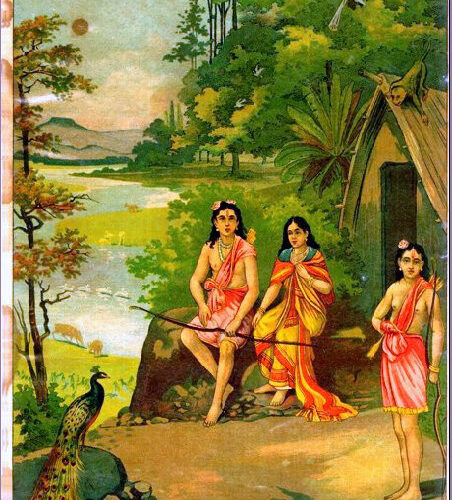
शास्त्र विंग · रस-पट्टिका · Rasa Plate
करुण
Karuna · Karuṇa
दर्द और सहानुभूति का रस — जो हृदय को छूता है, आँसुओं को बहाता है, और मानवता को जगाता है।
अन्य नामकरुण रस · करूणा रस · करुणार्द्र · Karuna Rasa · Compassionate sentiment · Pathos
सारकरुण वह रस है जिसमें वियोग, दर्द, शोक, और सहानुभूति की गहन अनुभूति होती है। · Karuna is the rasa that evokes deep feelings of separation, pain, grief, and compassion.
नाट्यशास्त्र · षष्ठ अध्याय (Chapter 6) · Chapter 6 (Rasa Adhyaya)
नाट्यशास्त्र संदर्भ
शोकः करुणस्य स्थायिभावः। यद्यपि शोकः दुःखजनकः, तथापि करुणरस में वह एक सुंदर, परिष्कृत और शिक्षाप्रद अनुभूति बन जाती है।
अनुवादशोक (दर्द/उदासी) करुण रस का स्थायी भाव है। भरतमुनि के अनुसार, करुण वह रस है जो वियोग, हानि, मृत्यु, और दुःख से जन्म लेता है। लेकिन यह दर्द निरर्थक नहीं होता — यह एक परिष्कृत, संवेदनशील और गहरा भावनात्मक अनुभव है जो दर्शक को करुणा, सहानुभूति, और मानवीय संबंध की ओर ले जाता है।
अंग्रेज़ी में पढ़ें · Read in English
Shoka (sorrow/grief) is the sthayi bhava (dominant emotion) of Karuna rasa. According to Bharata Muni, Karuna is the rasa that arises from separation, loss, death, and suffering. But this pain is not meaningless — it is a refined, sensitive, and profound emotional experience that guides the spectator toward compassion, empathy, and human connection.
दर्शन
The Philosophyस्थायी भाव — शोक Sthayi Bhava · Shoka (Sorrow/Grief/Melancholy)
शोक करुण रस का मूल है। यह केवल दर्द नहीं है, बल्कि एक गहन, परिष्कृत भावना है जो प्रियजनों की हानि, वियोग, निराशा, और जीवन की क्षणभंगुरता से उत्पन्न होती है। शोक में एक आंतरिक संवेदनशीलता है, एक मौन पीड़ा है जो आत्मचिंतन को जन्म देती है। करुण रस में शोक न तो कच्चा होता है और न ही आवेगपूर्ण — वह परिपक्व, गहरा, और आत्मज्ञान से भरपूर होता है। यह वह रस है जो हमें सिखाता है कि कष्ट को कैसे सहन करें, कैसे दूसरों की पीड़ा को समझें, और कैसे जीवन की अर्थवत्ता को पहचानें।
अंग्रेज़ी में पढ़ें · Read in English
Shoka is the essence of Karuna rasa. It is not merely pain, but a profound, refined sentiment arising from the loss of loved ones, separation, despair, and the transience of life. Shoka carries an inner sensitivity, a silent pain that gives birth to introspection. In Karuna rasa, shoka is neither raw nor impulsive — it is mature, deep, and filled with self-knowledge. This is the rasa that teaches us how to endure suffering, understand others' pain, and recognize the meaning of life.
विभाव — कारण Vibhava · Determinants
विभाव (कारण) वे बाहरी परिस्थितियाँ हैं जो करुण रस को जन्म देती हैं। इनमें प्रियजन की मृत्यु, दीर्घ वियोग, असाध्य रोग, राज्य की हानि, सगे-संबंधियों का बिछोह, और जीवन की असफलताएँ शामिल होती हैं।
अंग्रेज़ी में पढ़ें · Read in English
Vibhav (determinants) are the external circumstances that give rise to Karuna rasa. These include the death of a loved one, prolonged separation, incurable illness, loss of kingdom, parting from relatives, and life's failures.
- प्रियजन की असमय मृत्यु, विधवा की दशा
- माता-पिता का बालक से अलग होना, अनाथ बालक का रोना
- राजा का राज्य से निष्कासन, सब कुछ खो जाना
- वृद्ध व्यक्ति का एकांतपूर्ण जीवन, सभी सुख खो जाना
- पत्नी का पति के लिए प्रतीक्षा करना जो कभी नहीं आता
- जन्मभूमि छोड़ कर निर्वासन में जाना, देश से अलग होना
अंग्रेज़ी में पढ़ें · Read in English
- Untimely death of a beloved, plight of a widow
- Parent separated from child, orphan's crying
- King's exile from kingdom, losing everything
- Elderly person's solitary life, all joy lost
- Wife waiting for husband who never returns
- Exile from homeland, separation from one's country
अनुभाव — अभिव्यक्तियाँ Anubhava · Manifestations
अनुभाव (अभिव्यक्तियाँ) वे शारीरिक और मानसिक क्रियाएँ हैं जो करुण की भावना को प्रकट करती हैं। इनमें आँसू बहना, सिर झुकाना, आह भरना, वस्त्र फाड़ना, मौन रहना, और अलग-थलग बैठ जाना शामिल है।
अंग्रेज़ी में पढ़ें · Read in English
Anubhava (manifestations) are physical and mental expressions that reveal the feeling of Karuna. These include shedding tears, bowing the head, sighing deeply, tearing garments, remaining silent, and withdrawing into isolation.
- आँखों से निरंतर आँसू बहना, जो रुकते ही नहीं हैं
- छाती पर हाथ रखकर कराह करना और आह भरना
- दुःख से अवसन्न होकर धरती पर गिर जाना
- शोक में कपड़े फाड़ना, सिर पर राख डालना
- प्रिय की कब्र पर बैठकर रोना और विलाप करना
- दिन भर कुछ न खाना, मौन रहना, किसी से बात न करना
- शरीर को थपथपाना, गाल नोचना, बाल नोचना
अंग्रेज़ी में पढ़ें · Read in English
- Continuous tears flowing without ceasing
- Moaning and sighing with hand on chest
- Collapsing to the ground in overwhelming grief
- Tearing clothes in mourning, ashes on head
- Sitting at beloved's grave, weeping and lamenting
- Fasting all day, remaining silent, not speaking to anyone
- Striking one's body, scratching cheeks, pulling at hair
संचारी भाव — अस्थायी भाव Vyabhichari Bhava · Transitory Emotions
संचारी भाव (अस्थायी भाव) वे क्षणिक भावनाएँ हैं जो करुण के साथ आती हैं और उसे गहराती हैं। करुण में प्रमुख संचारी भाव हैं — निराशा, विषाद, चिंता, व्याधि, व्यग्रता, मूर्च्छा, और धर्य (धैर्य/सहनशीलता)।
अंग्रेज़ी में पढ़ें · Read in English
Vyabhichari bhava (transitory emotions) are fleeting feelings that accompany and deepen Karuna. The prominent transitory emotions in Karuna are: despair, melancholy, worry, illness, anxiety, unconsciousness, and forbearance (patience/endurance).
- निराशा — सब कुछ खो गया है, अब कोई आशा नहीं
- विषाद — मन में गहरी उदासी, जीवन अर्थहीन लगता है
- चिंता — भविष्य के बारे में भय, क्या होगा?
- व्यग्रता — बेचैनी, शांति नहीं मिल रही है
- धर्य — दर्द को सहने की क्षमता, अपने को संभाले रखना
- विस्मृति — सब कुछ भूल जाने की इच्छा
- भय — और भी बुरा होने का डर
अंग्रेज़ी में पढ़ें · Read in English
- Despair — everything is lost, no hope remains
- Melancholy — deep sadness in heart, life seems meaningless
- Worry — fear about the future, what will happen?
- Anxiety — restlessness, no peace is found
- Forbearance — ability to endure pain, holding oneself together
- Forgetfulness — desire to forget everything
- Fear — fear that worse may come
अधिदेवता और रंग Deity & Colour
अधिदेवता — यम (मृत्यु का देव) · Yama (God of Death) रंग — धूसर (स्लेटी/राख का रंग) · Grey (Slate/Ash color)
भरतमुनि के अनुसार, करुण रस का अधिदेवता यम हैं — मृत्यु, समय, और अपरिहार्यता के देव। यम की अवधारणा करुण से जुड़ी है क्योंकि मृत्यु ही जीवन का सबसे बड़ा सत्य है, और जीवन की क्षणभंगुरता ही हमें करुणा सिखाती है। धूसर रंग शोक, अंधकार, और मौन को दर्शाता है। जैसे यम अपरिहार्य हैं, वैसे ही करुण भी मानव अस्तित्व का एक अभिन्न अंग है।
अंग्रेज़ी में पढ़ें · Read in English
According to Bharata Muni, Yama is the presiding deity of Karuna rasa — the god of death, time, and inevitability. Yama is associated with Karuna because death is life's greatest truth, and the transience of life teaches us compassion. Grey represents mourning, darkness, and silence. Just as Yama is inevitable, so is Karuna an integral part of human existence.
संगीत में करुण
In Musicशास्त्रीय संगीतकार करुण रस को सृजित करने के लिए विशेष तकनीकें उपयोग करते हैं। सबसे महत्वपूर्ण है धीमी गति (slow tempo) और गहरे, निचले सुरों पर ध्यान केंद्रित करना। आलाप करते समय संगीतकार अपने मुँह में पीड़ा रखता है, आवाज़ में आर्द्रता लाता है, और हर सुर को जैसे अपने आँसुओं से सींचता है। मीड़ और गमक की तकनीकें सुरों को लड़खड़ाती, अधूरी, और संवेदनशील बनाती हैं। तबले की लय भी धीमी और गहरी होती है — कभी-कभी तो तबला सुर से पहले नहीं आता, सिर्फ सुर की प्रतिध्वनि होती है। गायक की आवाज़ में कड़वापन नहीं होता, बल्कि एक मीठी उदासी होती है। संगीतकार अपनी समस्त संवेदनशीलता को संगीत में डालता है — हर अलाप में एक कहानी है, हर सुर में एक आँसू है।
अंग्रेज़ी में पढ़ें · Read in English
Classical musicians use special techniques to create Karuna rasa. Most important is slow tempo and focus on deep, lower notes. While rendering alap, the musician carries pain in their voice, brings moisture to their tone, and waters every note with tears. Techniques like meend and gamak make notes falter, incomplete, and sensitive. The tabla's rhythm is also slow and deep — sometimes the tabla doesn't precede the note, only echoes it. The singer's voice carries no harshness, only sweet melancholy. The musician pours all their sensitivity into music — every alap tells a story, every note carries a tear.
करुण के राग · The Raags of Karuna
नृत्य में करुण
In Danceभरतनाट्यम, कथक, ओडिसी और अन्य शास्त्रीय नृत्यों में करुण रस नृत्यांगना की सूक्ष्म भावनाओं से प्रकट होता है। करुण में नृत्य कोमल, धीमा, और अंतर्मुखी होता है। नृत्यांगना की गति आत्मविषाद से भरी होती है, आँखें नीची रहती हैं, और कभी-कभी नीली दीख पड़ती हैं। हर पग चलना जैसे बोझ ढो रहे हैं, हर मुद्रा में एक शोक है, हर चेहरे की भाव-भंगिमा में एक गल्प है। गति तेज़ नहीं होती, बल्कि सुस्त और भारी होती है — जैसे कोई हृदय को ढोकर चल रहा हो। हाथों की मुद्राएँ प्रार्थना, विलाप, और समर्पण को दर्शाती हैं।
अंग्रेज़ी में पढ़ें · Read in English
In Bharatanatyam, Kathak, Odissi, and other classical dance forms, Karuna rasa is expressed through the dancer's subtle emotions. In Karuna, dance is gentle, slow, and introspective. The dancer's movements are filled with self-pity, eyes lowered and sometimes appearing moist. Every step feels like carrying a burden, every gesture carries sorrow, every facial expression tells a story. The tempo is not fast, but slow and heavy — as if carrying a heart within. Hand gestures express prayer, lamentation, and surrender.
| अप्पारि (प्रार्थना नृत्य) | दुःख में ईश्वर से प्रार्थना करना |
|---|---|
| विलाप नृत्य | प्रिय की अनुपस्थिति में रोना |
| शांत नृत्य (शांता नृत्य) | दर्द को सहन करने की शांति |
| दिव्य नृत्य | दुःख से मुक्ति की खोज |
| पताका मुद्रा (खुली हथेली) | विलाप, समर्पण, त्याग |
|---|---|
| त्रिपतक मुद्रा | तीन दिशाओं से घिरा होना, असहायता का प्रतीक |
| मुखुट मुद्रा | सिर पर हाथ रखना, दर्द से सिर पकड़ना |
| अंजलि मुद्रा | प्रार्थना, विनती, समर्पण |
| भुजंग मुद्रा (साँप जैसी) | दर्द में लहराता हुआ शरीर |
चेहरे की भाव-भंगिमा Facial Expression
करुण रस में चेहरे की भाव-भंगिमा बेहद महत्वपूर्ण है। आँखें नीली-नीली होती हैं — दर्द से भरी, कभी बहुत ऊपर देखती हैं (आकाश की ओर, प्रार्थना के लिए), कभी नीचे झुकी होती हैं (निराशा में)। भ्रू (भौंहें) आपस में मिली होती हैं (चिंता), होंठ थरथराते हैं (भावुकता), और नाक के पंख फड़कते हैं (दर्द)। पूरा चेहरा एक दर्दनाक कैनवास बन जाता है जिस पर शोक के रंग खेलते हैं। कभी-कभी चेहरा बिल्कुल शांत होता है — एक मौन दर्द, एक ख़ामोशी जो सब कुछ कहती है।
अंग्रेज़ी में पढ़ें · Read in English
Facial expression in Karuna rasa is extremely important. Eyes become moist with tears — filled with pain, sometimes looking upward (to the sky, in prayer), sometimes lowered (in despair). Eyebrows are knitted (in worry), lips quiver (in emotion), and nostrils flutter (in pain). The entire face becomes a pained canvas on which the colors of sorrow play. Sometimes the face is completely still — a silent pain, a silence that speaks volumes.
काव्य में करुण
In Poetryहिंदी काव्य में करुण रस का प्रचुर विवरण है। रामायण में सीता का विलाप, महाभारत में द्रौपदी का रोना, और त्रासदीपूर्ण अंत — ये सब करुण रस के मूलमंत्र हैं। वाल्मीकि की 'रामायण' करुण रस का सबसे पुराना और सबसे विशाल उदाहरण है। सूरदास की 'सूरसागर' में भी करुण के गहरे पहलू हैं — माता यशोदा का कृष्ण की अनुपस्थिति में दर्द, गोपियों का विरह। तुलसीदास के 'रामचरितमानस' में सीता का वनवास में रोना, राम का दशरथ की मृत्यु पर शोक — ये सब करुण का शृंगार हैं।
अंग्रेज़ी में पढ़ें · Read in English
In Hindi poetry, Karuna rasa is extensively depicted. Sita's lamentation in Ramayana, Draupadi's weeping in Mahabharata, and tragic endings — these are the essence of Karuna. Valmiki's 'Ramayana' is the oldest and most comprehensive example of Karuna rasa. Surdas's 'Sursagar' also contains deep facets of Karuna — mother Yashoda's pain in Krishna's absence, the gopis' longing. In Tulsidas's 'Ramcharitmanas', Sita's weeping in exile, Ram's grief at Dasharatha's death — these are adorned with Karuna.
सिनेमा में करुण
In Cinemaभारतीय फिल्मों ने करुण रस के सैकड़ों दृश्य दिए हैं जो हृदय को तोड़ते हैं। नौशाद, मदन मोहन, रवि, एस.डी. बर्मन के संगीत में करुण की गहराई है। मीना कुमारी का रोना, राज कपूर की पीड़ा भरी आँखें, किशोर कुमार की उदास आवाज़ — सब कुछ करुण रस को जीवंत करता है। 'देवदास', 'बैजू बावरा', 'मधुमती', 'चारुलता' जैसी फिल्मों में करुण रस की छाया है। आजकल की फिल्मों में भी करुण दिखता है — एक माता का बालक की मृत्यु पर रोना, एक दंपति का तलाक में अलग होना, एक प्रेमी का प्रेमिका के विदेश चले जाने पर दर्द — ये सब करुण के जीवंत उदाहरण हैं।
अंग्रेज़ी में पढ़ें · Read in English
Indian cinema has given hundreds of scenes of Karuna rasa that break the heart. The music of Naushad, Madan Mohan, Ravi, and S.D. Burman carries the depth of Karuna. Meena Kumari's weeping, Raj Kapoor's pain-filled eyes, Kishore Kumar's melancholic voice — everything brings Karuna to life. Films like 'Devdas', 'Baiju Bawra', 'Madhumati', 'Charulata' are shadowed by Karuna. In modern films too, Karuna appears — a mother weeping at her child's death, a couple separating through divorce, a lover's pain at his beloved's departure — these are vivid examples of Karuna.
अमर दृश्य और गीत · Iconic Scenes & Songs
दैनंदिन जीवन में
In Daily Lifeकरुण रस हमारे दैनंदिन जीवन में गहराई से बसा है। किसी प्रियजन की मृत्यु, किसी को दूर जाते देखना, किसी की बीमारी, किसी की असफलता — ये सब करुण के जीवंत उदाहरण हैं। एक पत्नी का विधवा होना, एक बच्चा का अनाथ होना, एक बुजुर्ग का अकेला रह जाना — ये सब दैनिक करुण हैं जो समाज में हर दिन घटते हैं। लेकिन करुण केवल व्यक्तिगत दर्द नहीं है — यह सामाजिक भी है। एक किसान की फसल बर्बाद होना, एक मजदूर का काम खो जाना, एक शरणार्थी का देश छोड़ना — ये सब सामूहिक करुण हैं।
अंग्रेज़ी में पढ़ें · Read in English
Karuna rasa is deeply embedded in our daily life. The death of a loved one, watching someone leave, someone's illness, someone's failure — these are vivid examples of Karuna. A wife becoming a widow, a child becoming an orphan, an elderly person becoming solitary — these are daily instances of Karuna that occur in society every day. But Karuna is not only personal pain — it is social too. A farmer's ruined harvest, a laborer's lost job, a refugee leaving their country — these are collective instances of Karuna.
- प्रियजन की असमय मृत्यु पर घर भर में शोक की छाया
- विधवा का अकेले रह जाना, बिना सहारे के जीवन काटना
- माता-पिता का बालक की दुर्घटना में मृत्यु पर भाग जाना
- वृद्ध माता-पिता को वृद्धाश्रम में भेज देना
- किसान की सूखे की वजह से फसल बर्बाद होना
- मजदूर की बीमारी में काम खो जाना और भूखा रहना
- विप्रवास (निर्वासन) में देश छोड़कर रिश्तेदारों से अलग होना
अंग्रेज़ी में पढ़ें · Read in English
- Shadow of grief in the entire house at a loved one's untimely death
- A widow left alone, struggling through life without support
- Parents' devastation at their child's death in an accident
- Sending elderly parents to an old age home
- A farmer's ruined harvest due to drought
- A laborer losing work due to illness and going hungry
- Leaving one's country in diaspora, separated from relatives
पट्टिका-लेख
The Monographकरुण का विवेचन The Essay
करुण रस मानव अस्तित्व के सबसे गहरे सत्य को छूता है — कि हर जीवन में दर्द है, कि हर खुशी का अंत है, और कि मृत्यु अपरिहार्य है। लेकिन यह ज्ञान निराशा नहीं है, बल्कि करुणा है। करुण रस हमें सिखाता है कि दूसरों की पीड़ा को कैसे समझें, कि कष्ट को कैसे सहन करें, और कि अपने सीमित समय में दूसरों के लिए कुछ करें। भारतीय संस्कृति में करुण को कभी कमज़ोरी नहीं माना गया। वल्मीकि, वेद व्यास, सूरदास, तुलसीदास — ये सभी महान संतों ने करुण की गहराई को स्वीकार किया। करुण में एक गहरी समझ है, एक परिष्कृत भावनात्मकता है, और एक नैतिक मजबूती है। आधुनिक समय में जब सब कुछ तेज़, सब कुछ प्रतिस्पर्धी, सब कुछ असंवेदनशील हो गया है, करुण रस की समझ और भी आवश्यक है। यह हमें याद दिलाता है कि हम अकेले नहीं हैं, कि दूसरे भी कष्ट भोगते हैं, और कि मानवता ही हमारी सबसे बड़ी संपत्ति है। करुण वह सेतु है जो हमें एक दूसरे से जोड़ता है, जो हमें एक-दूसरे के दर्द को समझने के लिए प्रेरित करता है।
अंग्रेज़ी में पढ़ें · Read in English
Karuna rasa touches the deepest truth of human existence — that every life contains pain, that every joy ends, and that death is inevitable. But this knowledge is not despair, but compassion. Karuna teaches us how to understand others' pain, how to endure suffering, and to do something for others in our limited time.
In Indian culture, Karuna has never been considered weakness. Valmiki, Vyasa, Surdas, Tulsidas — all these great saints acknowledged the depth of Karuna. In Karuna lies deep understanding, refined emotionality, and moral strength.
In modern times when everything is fast, everything competitive, everything insensitive, understanding Karuna is even more necessary. It reminds us we are not alone, that others also suffer, and that humanity is our greatest treasure. Karuna is the bridge that connects us to one another, that inspires us to understand each other's pain.
सांस्कृतिक महत्व Cultural Significance
करुण भारतीय संस्कृति का एक अभिन्न अंग है। रामायण और महाभारत करुण रस से भरपूर हैं। 'गीता' में भी करुण की शिक्षा है — अर्जुन का अपने भाइयों को मारने से डरना, कृष्ण द्वारा कर्तव्य की व्याख्या — ये सब करुण की गहराई को दर्शाते हैं। बौद्ध धर्म की 'करुणा' (compassion) और जैन धर्म की 'अणुव्रत' (vows) की अवधारणा करुण रस से ही निकली है। भारतीय दर्शन में मुक्ति का रास्ता भी करुणा से होकर ही जाता है।
अंग्रेज़ी में पढ़ें · Read in English
Karuna is an integral part of Indian culture. Ramayana and Mahabharata are filled with Karuna rasa. The 'Gita' also teaches Karuna — Arjuna's fear of killing his brothers, Krishna's explanation of duty — all reveal the depth of Karuna. Buddhism's 'Karuna' (compassion) and Jainism's 'Anuvratas' (vows) emerge from Karuna rasa. In Indian philosophy, the path to liberation also passes through compassion.
श्रवण-मार्गदर्शिका Listening Guide
करुण रस को सुनते समय आप एक गहरी, शांत उदासी महसूस करेंगे। यह आनंद नहीं है, लेकिन एक शांतिदायक पीड़ा है। आपकी आँखें नीली हो सकती हैं, आपका हृदय भारी हो सकता है, लेकिन आपको एक विचित्र संतुष्टि भी महसूस होगी — जैसे कि आप किसी महान सत्य को समझ गए हों। करुण संगीत सुनते समय अपने आप को अकेला छोड़ दें, अपने आँसुओं को बहने दें। इसमें कोई शर्मिंदगी नहीं है। ये आँसू पवित्र हैं, ये रोना मानवीय है। संगीतकार के साथ दर्द को बाँटिए, उसकी करुणा को अपनाइए। इसमें ही करुण रस की सार्थकता है।
अंग्रेज़ी में पढ़ें · Read in English
When listening to Karuna rasa, you will feel a deep, quiet melancholy. It is not joy, but a soothing pain. Your eyes may moisten, your heart may become heavy, but you will feel a strange satisfaction — as if you have understood some great truth. When listening to Karuna music, leave yourself alone, allow your tears to flow. There is no shame in this. These tears are sacred, this weeping is human. Share the pain with the musician, embrace their compassion. In this lies the meaning of Karuna rasa.
शेर · The Couplet
करुण पर शेर
जो रात भर जागते हैं और रोते हैं, वे जानते हैं कि प्रेम कितना गहरा होता है।
स्रोत— आचार्य हजारीप्रसाद द्विवेदी
Those who stay awake all night and weep, understand how deep love can be.
रोचक तथ्य
Margin Notesनाट्यशास्त्र में करुण को नौ रसों में से एक माना गया है, लेकिन कुछ विद्वान इसे सबसे परिष्कृत और सबसे मानवीय रस मानते हैं। करुण दर्शक को केवल भावनात्मक ही नहीं, बल्कि नैतिक रूप से भी परिवर्तित करता है।
In Natyashastra, Karuna is one of nine rasas, but some scholars consider it the most refined and humane. Karuna transforms the spectator not only emotionally but also morally.
वल्मीकि की 'रामायण' को करुण रस का सबसे पुराना और सबसे व्यापक उदाहरण माना जाता है। सीता का विलाप, राम का दशरथ की मृत्यु पर शोक — ये सब करुण के मूलमंत्र हैं।
Valmiki's 'Ramayana' is considered the oldest and most comprehensive example of Karuna rasa. Sita's lamentation, Ram's grief at Dasharatha's death — these are the essence of Karuna.
भारतीय शास्त्रीय संगीत में करुण राग को 'रात के राग' कहा जाता है क्योंकि इन्हें तब गाया जाता है जब दुनिया सो जाती है और केवल दर्द ही जागता है।
In Indian classical music, Karuna ragas are called 'night ragas' because they are sung when the world sleeps and only pain remains awake.
मीना कुमारी और राज कपूर भारतीय फिल्मों के सबसे महान करुण अभिनेता माने जाते हैं। उनकी आँखों में दर्द, उनकी आवाज़ में विरह — ये सब दर्शकों को करुण की गहराई का अनुभव कराते हैं।
Meena Kumari and Raj Kapoor are considered the greatest exponents of Karuna in Indian cinema. Their pain-filled eyes, their voice carrying longing — all give audiences the experience of Karuna's depth.
करुण रस का अधिदेवता यम है, लेकिन कुछ परंपराओं में यह ब्रह्मा से भी जुड़ा है — क्योंकि ब्रह्मा सृष्टि के निर्माता हैं, और सृष्टि में दर्द भी शामिल है।
The presiding deity of Karuna rasa is Yama, but in some traditions, it is also linked to Brahma — because Brahma is the creator of the universe, and pain is part of creation.
क्या आप जानते हैं?
Did You Knowसूरदास की 'सूरसागर' में माता यशोदा का कृष्ण की अनुपस्थिति में दर्द एक ऐसा करुण चित्र है जो सैकड़ों सालों से पाठकों को रुलाता आ रहा है। यह वात्सल्य करुण का सबसे सुंदर उदाहरण है।
In Surdas's 'Sursagar', mother Yashoda's pain in Krishna's absence is such a poignant depiction that has moved readers for centuries. This is the finest example of Vatsalya Karuna.
तुलसीदास के 'रामचरितमानस' में सीता का वनवास में रोना, उनका राम का नाम लेकर विलाप करना — ये सब करुण रस का इतना गहरा चित्र है कि आज भी जब लोग यह सुनते हैं, तो उनकी आँखों में आँसू आ जाते हैं।
In Tulsidas's 'Ramcharitmanas', Sita's weeping in exile, her lamentation calling Ram's name — this is such a profound depiction of Karuna that even today when people hear it, tears come to their eyes.
बंगाली संस्कृति में 'रवीन्द्रनाथ टैगोर' के गीत बहुत सारे करुण भाव से भरे हुए हैं। उनकी कविताएँ मृत्यु, वियोग, और जीवन की नश्वरता के बारे में हैं। उन्होंने करुण को एक दार्शनिक, आध्यात्मिक अनुभव में बदल दिया है।
In Bengali culture, the songs of 'Rabindranath Tagore' are filled with Karuna sentiment. His poems are about death, separation, and life's transience. He transformed Karuna into a philosophical and spiritual experience.
सूक्तियाँ
Quotesदर्द ही जीवन की सच्ची शिक्षा है। — अरविंद घोष</b> · आध्यात्मिक चिंतन
Pain is the true teacher of life.
जो कभी रोया नहीं, वह मनुष्य नहीं बन सका। — रवींद्रनाथ टैगोर</b> · गीतांजलि
He who has never wept cannot become human.
करुणा ही प्रेम की सबसे गहरी अभिव्यक्ति है। — दलाई लामा</b> · बौद्ध दर्शन
Compassion is the deepest expression of love.
अग्रिम पठन
Further Reading- भरतमुनि की 'नाट्यशास्त्र' — मूल संस्कृत पाठ, षष्ठ अध्याय (रस अध्याय)
- वल्मीकि की 'रामायण' — सीता के विलाप के अध्याय
- व्यास की 'महाभारत' — द्रौपदी के दर्द के अंश
- सूरदास की 'सूरसागर' — यशोदा के विरह गीत
- तुलसीदास का 'रामचरितमानस' — सीता के वनवास के अध्याय
- रवींद्रनाथ टैगोर की 'गीतांजलि' — करुणा पर कविताएँ
इतिहास
Historyउद्गम — नाट्यशास्त्र काल (1000-2500 BCE, संभावित) Origin
करुण रस की अवधारणा आचार्य भरत के नाट्यशास्त्र में औपचारिक रूप से दर्ज की गई। हालाँकि, वेदों में शोक और दर्द के वर्णन मिलते हैं। ऋग्वेद में 'पुरूरवा-उर्वशी' की कथा में विरह का दर्द है, 'दक्ष-प्रजापति' की मृत्यु पर देवताओं का शोक है। ये सब करुण रस की प्राचीन जड़ें हैं। लेकिन करुण रस को सबसे पहले वल्मीकि ने महाकाव्य के माध्यम से जीवंत किया।
विकास-क्रम Evolution
- प्राचीन काल (500 BCE - 500 CE) वल्मीकि की 'रामायण' करुण रस का सबसे पहला और सबसे व्यापक उदाहरण है। सीता का विलाप, राम का दशरथ की मृत्यु पर शोक, अयोध्या की रानियों का राम के वनवास पर रोना — ये सब करुण की गहराई को दर्शाते हैं। कालिदास ने भी अपनी रचनाओं में करुण को गहराई से चित्रित किया।
- मध्यकाल (500 - 1500 CE) जयदेव की 'गीत गोविंद' में राधा का कृष्ण के विरह में दर्द है। सूरदास की 'सूरसागर' में यशोदा का करुण अपनी परिपूर्णता में दिखता है। तुलसीदास के 'रामचरितमानस' में सीता के विरह के दृश्य करुण के सर्वश्रेष्ठ उदाहरण हैं। सूफी काव्य में भी करुण को प्रेम और समर्पण के दिव्य रूप के रूप में चित्रित किया गया।
- आधुनिक काल (1800 CE - वर्तमान) हिंदी साहित्य में रीतिकालीन कवियों ने करुण को नई परिभाषा दी। 19वीं-20वीं सदी में भारतीय फिल्मों ने करुण रस को जनमानस तक पहुँचाया। नौशाद, मदन मोहन, रवि जैसे महान संगीतकारों ने फिल्मों में करुण के अमर उदाहरण दिए। मीना कुमारी, राज कपूर जैसे अभिनेताओं ने करुण को जीवंत किया। आज भी करुण सभी कलाओं में केंद्रीय भूमिका निभाता है।
मुख्य पड़ाव Key Milestones
- 1200 BCE (अनुमानित) नाट्यशास्त्र की रचना — भरतमुनि द्वारा करुण रस की औपचारिक व्याख्या
- 500 BCE वल्मीकि का 'रामायण' — करुण रस का सबसे पुराना महाकाव्य
- 1st सदी CE कालिदास द्वारा करुण का गहरा चित्रण
- 12वीं सदी जयदेव द्वारा 'गीत गोविंद' में राधा का विरह करुण
- 16वीं सदी सूरदास की 'सूरसागर' — वात्सल्य करुण का शृंगार
- 1952 CE भारतीय स्वतंत्रता के बाद हिंदी फिल्मों में करुण रस का विस्फोट
- 2000 CE - वर्तमान भारतीय शास्त्रीय संगीत और फिल्मों में करुण का पुनर्मूल्यांकन और आधुनिकीकरण
नमूना-पट्टी
The Specimen Table| नाम | करुण · Karuna |
|---|---|
| लिप्यंतरण | Karuṇa |
| अन्य नाम | करुण रस · करूणा रस · करुणार्द्र |
| स्थायी भाव | शोक · Shoka (Sorrow/Grief/Melancholy) |
| अधिदेवता | यम (मृत्यु का देव) |
| रंग | धूसर (स्लेटी/राख का रंग) |
| प्रमुख राग | भैरवी · दरबारी (दरबारी कान्हड़ा) · मालकौंस · तोड़ी · देश · मारवा |
| नृत्य-रूप | अप्पारि (प्रार्थना नृत्य) · विलाप नृत्य · शांत नृत्य (शांता नृत्य) · दिव्य नृत्य |
जुड़े हुए पन्ने
Connected Plates · The Graph Made Visibleअटलस में कोई पन्ना अकेला नहीं — करुण से राग, गीत और बाक़ी रस, सब जुड़े हैं।
शास्त्र-सूत्र · Shastra Threads
अनुशंसित श्रवण · Recommended Listening
नवरस-मंडल · Fellow Rasas
श्रवण-कक्ष · The Listening Room
सुनिए — करुण रस · Hear the Rasa
राग भैरवी — पं. हरिप्रसाद चौरसिया (बाँसुरी) — करुण रस का शुद्ध उदाहरण। बाँसुरी की मधुर, पीड़ा भरी ध्वनि में करुणा को महसूस करिए। · classical_music_performance Raga Bhairavi — Pandit Hariprasad Chaurasia (Flute)
राग दरबारी कान्हड़ा — पं. कुमार गंधर्व (ध्रुपद) — दरबारी राग में करुण की गहराई और गंभीरता को महसूस करें। मृत्यु, समय, और अस्तित्व की क्षणभंगुरता का दार्शनिक करुण। · classical_music_performance Raga Darbari Kanada — Pandit Kumar Gandharva (Dhrupad)
मन तड़पत हरि दर्शन को आज — बैजू बावरा (1952) — बैजू बावरा का यह गीत करुण रस का सर्वोत्कृष्ट उदाहरण है — विरह और भगवान से मिलन की तड़प। · film_song Man Tarpat Hari Darshan — Baiju Bawra (1952) — Naushad
प्रश्नोत्तर
Questions & Answersकरुण रस क्या है?
करुण वह रस है जिसमें दर्द, दुःख, शोक, वियोग और सहानुभूति की गहन अनुभूति होती है। यह दर्शक को करुणा सिखाता है, उसे दूसरों की पीड़ा को समझने के लिए प्रेरित करता है। इसका स्थायी भाव 'शोक' (सorrow) है।
अंग्रेज़ी में पढ़ें · Read in English
Karuna is the rasa that evokes deep feelings of pain, suffering, grief, separation, and compassion. It teaches the spectator compassion and inspires them to understand others' pain. Its sthayi bhava (dominant emotion) is Shoka (sorrow).
करुण रस के कितने प्रकार हैं?
करुण रस के मुख्यतः दो पहलू हैं: (1) शोक करुण — जिसमें सामान्य दर्द, वेदना, और विरह की गहन अनुभूति है, और (2) वात्सल्य करुण — जिसमें पिता-माता का बालक के लिए दर्द, गुरु का शिष्य के लिए चिंता है।
अंग्रेज़ी में पढ़ें · Read in English
Karuna Rasa has two main aspects: (1) Shoka Karuna — involving deep feelings of pain, suffering, and separation, and (2) Vatsalya Karuna — involving parental sorrow for a child and a teacher's concern for a student.
करुण रस किन राागों में व्यक्त होता है?
भैरवी, दरबारी, मालकौंस, तोड़ी, और देश — ये राग करुण रस को सर्वश्रेष्ठ रूप से व्यक्त करते हैं। भैरवी और दरबारी करुण के सबसे उत्तम साधन हैं।
अंग्रेज़ी में पढ़ें · Read in English
Bhairavi, Darbari, Malkauns, Todi, and Desh are ragas that best express Karuna Rasa. Bhairavi and Darbari are the supreme vehicles for Karuna.
नृत्य में करुण रस कैसे व्यक्त होता है?
नृत्य में करुण रस को धीमी गति, कोमल मुद्राओं, नीची नज़र, और आँसुओं से भरी आँखों के माध्यम से व्यक्त किया जाता है। नृत्यांगना का शरीर भारी लगता है, प्रत्येक पग में एक बोझ होता है, प्रत्येक गति में एक दर्द होता है।
अंग्रेज़ी में पढ़ें · Read in English
In dance, Karuna Rasa is expressed through slow movements, tender gestures, lowered gaze, and moist eyes. The dancer's body appears heavy, each step carries a burden, each movement carries pain.
करुण रस का साहित्य में क्या महत्व है?
करुण हिंदी साहित्य का केंद्रीय विषय है। वल्मीकि की 'रामायण', व्यास की 'महाभारत', सूरदास की 'सूरसागर', तुलसीदास का 'रामचरितमानस' — सब करुण रस से भरपूर हैं। करुण मनुष्य को अपने अस्तित्व के सबसे गहरे सत्य से परिचय कराता है।
अंग्रेज़ी में पढ़ें · Read in English
Karuna is a central theme in Hindi literature. Valmiki's 'Ramayana', Vyasa's 'Mahabharata', Surdas's 'Sursagar', Tulsidas's 'Ramcharitmanas' — all are filled with Karuna. Karuna introduces humans to the deepest truth of their existence.
साझा कीजिए · Share this Plate