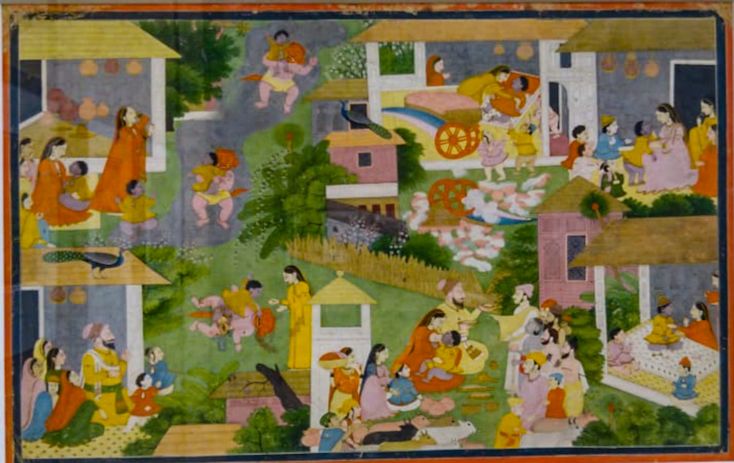
शास्त्र विंग · रस-पट्टिका · Rasa Plate
हास्य
Hasya · Hāsya
हँसी और हल्केपन का सर्वत्र व्यापी रस जो जीवन को रंगीन, प्रसन्न और मुक्त करता है। हास्य वह रस है जहाँ सभी गंभीरताएँ विलीन हो जाती हैं।
अन्य नामहास्य रस · हास रस · हँसी का रस · Hasya Rasa · Hasa Rasa · Rasa of Laughter
सारहास्य वह रस है जिसमें विभिन्न हास्य-प्रेरक तत्वों के द्वारा दर्शकों में हँसी और आनंद का संचार होता है। · Hasya is the rasa that evokes laughter and joy in the audience through various humor-inducing elements.
नाट्यशास्त्र · षष्ठ अध्याय (Chapter 6) · Chapter 6 (Rasa Adhyaya)
नाट्यशास्त्र संदर्भ
हासः स्थायी भाव हास्यरसस्य। अप्रिय-शरीर-ध्वनि-चेष्टेषु हास्यम्। विकृत-मुखानां हास्यं जायते॥
अनुवादहास (हँसी/उल्लास) हास्य रस का स्थायी भाव है। अप्रिय शरीर-गठन, विचित्र ध्वनि, असामान्य चेष्टाएँ — ये सब हास्य को जन्म देती हैं। विकृत मुख (विकृत चेहरे) और मूर्खता से हास्य उत्पन्न होता है। भरतमुनि के अनुसार, हास्य वह रस है जो विकृति, विषमता, और विसंगति से उत्पन्न होता है।
अंग्रेज़ी में पढ़ें · Read in English
Hasa (laughter/joy) is the sthayi bhava (dominant emotion) of Hasya rasa. Ugly physical form, strange sounds, unusual gestures — these give rise to humor. Distorted faces and foolishness produce laughter. According to Bharata Muni, Hasya is the rasa arising from deformity, incongruity, and absurdity.
दर्शन
The Philosophyस्थायी भाव — हास (हँसी) Sthayi Bhava · Hasa (Laughter/Joy)
हास (हँसी) हास्य रस का हृदय है। यह केवल शारीरिक हँसी नहीं है, बल्कि आंतरिक आनंद, उल्लास और हल्केपन की एक गहन भावना है। हास में आनंद है, स्वतंत्रता है, चिंताविमुक्तता है। जब कोई व्यक्ति हँसता है, तो वह अपने भीतर की सभी जटिलताओं को भूल जाता है। हास्य रस में यह आनंद-भावना पूरी तरह प्रमुख होती है। यह हँसी केवल मजाक या मूर्खता पर ही नहीं, बल्कि जीवन की विषमताओं, असंगतियों, और विडंबनाओं को देखकर भी आती है। हास एक सार्वभौमिक भावना है — बड़े से बड़े गुरु भी, राजा भी, कभी न कभी हँसते हैं।
अंग्रेज़ी में पढ़ें · Read in English
Hasa (laughter) is the heart of Hasya rasa. It is not merely physical laughter, but a profound feeling of inner joy, merriment, and lightness. Hasa contains delight, freedom, and liberation from worry. When a person laughs, they forget all complexities within. In Hasya rasa, this joy-sentiment dominates completely. This laughter comes not only from jokes or foolishness, but also from observing life's incongruities, absurdities, and ironies. Hasa is a universal emotion — even the greatest gurus and kings laugh sometimes.
विभाव — कारण Vibhava · Determinants
विभाव (कारण) वे सभी बाहरी परिस्थितियाँ हैं जो हास्य रस को जन्म देती हैं। इनमें मूर्खता, असामान्य शरीर-गठन, विचित्र वेशभूषा, अनुचित व्यवहार, बेवकूफी, कंजूसी, अत्यधिक लालच, धूर्तता, और विडंबनापूर्ण परिस्थितियाँ शामिल होती हैं।
अंग्रेज़ी में पढ़ें · Read in English
Vibhav (determinants) are the external circumstances that give rise to Hasya rasa. These include foolishness, unusual physical form, strange clothing, inappropriate behavior, stupidity, miserliness, excessive greed, deceit, and ironic situations.
- किसी का मोटा पन, पतलापन, या असामान्य शरीर-गठन
- विचित्र या असंगत वेशभूषा — उदाहरण के लिए, राजा को भिखारी का कपड़ा पहनना
- मूर्खता और बेवकूफी — जैसे कोई व्यक्ति आकाश में सीढ़ी लगाने की कोशिश करे
- कंजूसी और अत्यधिक लालच — एक धनी व्यक्ति जो कौड़ी के लिए झगड़े
- धूर्तता और छल — धोखेबाज़ को उसी के षड्यंत्र में फँसते देखना
- अहंकारी व्यक्ति का अचानक गिरना और अपमानित होना
अंग्रेज़ी में पढ़ें · Read in English
- Someone's obesity, thinness, or unusual body form
- Strange or incongruous clothing — for example, a king wearing a beggar's clothes
- Foolishness and stupidity — such as someone trying to climb a ladder to the sky
- Miserliness and excessive greed — a rich person quarreling over a coin
- Deceit and fraud — seeing a deceiver caught in their own trap
- A proud person suddenly falling and being humiliated
अनुभाव — अभिव्यक्तियाँ Anubhava · Manifestations
अनुभाव (अभिव्यक्तियाँ) वे शारीरिक और मानसिक क्रियाएँ हैं जो हास्य की भावना को प्रकट करती हैं। इनमें होंठों का खिंचना, दाँतों का दिखना, आँखों का सिकुड़ना, कंधों का झूमना, पेट पर हाथ मारना, आवाज़ के साथ हँसना, और शरीर को थपथपाना शामिल है।
अंग्रेज़ी में पढ़ें · Read in English
Anubhava (manifestations) are physical and mental expressions that reveal the feeling of humor. These include stretching of lips, showing of teeth, winking of eyes, shaking of shoulders, slapping the belly, laughing loudly, and patting the body.
संचारी भाव — अस्थायी भाव Vyabhichari Bhava · Transitory Emotions
संचारी भाव (अस्थायी भाव) वे क्षणिक भावनाएँ हैं जो हास्य के साथ आती हैं। हास्य रस में प्रमुख संचारी भाव हैं — आश्चर्य (किसी की मूर्खता देखकर), अनुरोध (हँसने के लिए), प्रमाद (लापरवाही), निद्रा (सुस्ती), स्वप्न (काल्पनिकता), और प्रबोध (जागरूकता)।
अंग्रेज़ी में पढ़ें · Read in English
Vyabhichari bhava (transitory emotions) are fleeting feelings that accompany Hasya. The prominent transitory emotions in Hasya are: surprise (seeing foolishness), entreaty (to laugh), carelessness, drowsiness, dreaming (fantasy), and awakening.
अधिदेवता और रंग Deity & Colour
अधिदेवता — शिव (प्रमथ) · Shiva (Pramatha) रंग — श्वेत (सफेद) · White (Shweta)
भरतमुनि के अनुसार, हास्य रस का अधिदेवता शिव (या पैराचक्र/प्रमथ — नटराज का दूत) हैं। शिव की हँसी ब्रह्मांड को काँपा देती है। शिव त्रिशूल धारक हैं — त्रिशूल तीन गुणों (सत्व, रज, तम) का प्रतीक है, और हास्य इन तीनों गुणों को समन्वित करता है। श्वेत रंग (सफेद) पवित्रता, शुद्धता, और आनंद का प्रतीक है। यह रंग दिन के प्रकाश, प्रसन्नता, और निर्भयता को दर्शाता है। शिव की नटराज मुद्रा (नृत्य) स्वयं हास्य और आनंद का प्रतीक है।
अंग्रेज़ी में पढ़ें · Read in English
According to Bharata Muni, Shiva (or Pramatha — the emissary of the Dancing Shiva) is the presiding deity of Hasya rasa. Shiva's laughter shakes the universe. Shiva carries the trident — symbolizing three qualities (Sattva, Rajas, Tamas), and humor reconciles all three. White color symbolizes purity, innocence, and joy. This color represents daylight, happiness, and fearlessness. Shiva's Nataraja gesture (dance) itself is a symbol of laughter and merriment.
Atmasttha Hasya (Self-oriented Humor)
आत्मस्थ हास्य
आत्मस्थ हास्य वह है जहाँ पात्र स्वयं हँसता है, अपने ऊपर हँसता है। यह आत्मचेतना, आत्म-विवेचना, और आत्म-विडंबना से उत्पन्न होता है। जब कोई व्यक्ति अपनी मूर्खता, अपनी विफलता, या अपने असफल प्रयास को देखकर हँसता है, तो वह आत्मस्थ हास्य का प्रदर्शन करता है। यह हास्य का सबसे परिपक्व रूप है, क्योंकि इसमें आत्म-स्वीकृति और आत्म-प्रेम निहित है। एक बुद्धिमान व्यक्ति अपनी गलतियों पर हँस सकता है और उससे सीख ले सकता है।
Partha Hasya (Other-oriented Humor)
पराथ हास्य
पराथ हास्य वह है जहाँ दूसरों की मूर्खता, अनाड़ीपन, या असामान्यता पर हँसा जाता है। यह बाहरी व्यक्तियों या परिस्थितियों को लक्ष्य करता है। यह हास्य का अधिक सामान्य और सरल रूप है — जब कोई व्यक्ति किसी और की मजाक उड़ाता है, किसी की कमजोरी पर हँसता है। हालाँकि यह हास्य सामान्य है, लेकिन इसमें व्यंग्य, तीक्ष्णता, और कभी-कभी क्रूरता भी हो सकती है। भारतीय परंपरा में, पराथ हास्य को कम मूल्यवान माना जाता है क्योंकि इसमें दूसरों को नीचा दिखाने का भाव होता है, जबकि आत्मस्थ हास्य को अधिक श्रेष्ठ माना जाता है।
संगीत में हास्य
In Musicसंगीतकार हास्य रस को सृजित करने के लिए विविध तकनीकें उपयोग करते हैं। सबसे महत्वपूर्ण है द्रुत गति (fast tempo) — जो चंचलता, उड़ाऊपन, और अव्यवस्था को व्यक्त करती है। गायक अपनी आवाज़ में विभिन्न रंग (tonal colors), विभिन्न उच्चारण, और विभिन्न लहजे लाते हैं — ये सब हास्य को बढ़ाते हैं। तबले की लय में तेज़ी, छलाँगें, और अप्रत्याशित परिवर्तन होते हैं। संगीतकार अपने साज़ पर विभिन्न तरह की आवाज़ें निकालते हैं — कभी तीक्ष्ण, कभी कर्कश, कभी हल्की। यह सब मिलकर एक विचित्र, असंगत, और मजेदार संगीत बनाता है जो सुनने वाले को हँसाता है। लोक-संगीत में हास्य अधिक खुल्लम-खुल्ला होता है, जबकि शास्त्रीय संगीत में वह अधिक सूक्ष्म होता है।
अंग्रेज़ी में पढ़ें · Read in English
Musicians use various techniques to create Hasya rasa. Most important is fast tempo, which expresses playfulness and spontaneity. Singers bring different tonal colors, pronunciations, and accents to their voice — all enhancing humor. Tabla rhythm has speed, jumps, and unexpected changes. Musicians produce various sounds on their instruments — sometimes sharp, sometimes harsh, sometimes light. All this together creates a strange, incongruous, and entertaining music that makes the listener laugh. In folk music, humor is more open and direct, while in classical music it is more subtle.
हास्य के राग · The Raags of Hasya
नृत्य में हास्य
In Danceभरतनाट्यम, कथक, और अन्य शास्त्रीय नृत्यों में हास्य रस नृत्यांगना के शरीर, चेहरे, और अभिनय से प्रकट होता है। नृत्यांगना की विकृत मुद्राएँ, असामान्य चलन, और मूर्खतापूर्ण अभिनय हास्य को जगाते हैं। कथक में तवायफ़ें अक्सर हास्य-पूर्ण नृत्य करती हैं, जिसमें शरीर को विकृत करना, आँखों को इधर-उधर घुमाना, होंठों को तिरछा करना, और अजीब-सी मुद्राएँ करना शामिल होता है। नृत्यांगना की हर गति, हर भाव, हर आँख का संकेत हास्य को व्यक्त करता है।
अंग्रेज़ी में पढ़ें · Read in English
In Bharatanatyam, Kathak, and other classical dances, Hasya rasa is expressed through the dancer's body, face, and acting. Distorted postures, unusual gait, and foolish gestures of the dancer evoke laughter. In Kathak, dancers often perform humorous dances involving body distortion, rolling eyes, twisting lips, and strange gestures. Every movement, every expression, every eye signal expresses humor.
काव्य में हास्य
In Poetryहिंदी काव्य में हास्य रस का महत्वपूर्ण स्थान है। भारतेंदु हरिश्चंद्र, बलदेव सिंह सेक, और अन्य कवियों ने हास्य को काव्य का प्रमुख विषय बनाया। दोहे, चौपाई, और गीत — सभी काव्य-रूपों में हास्य का प्रचुर प्रयोग हुआ है। पारंपरिक मजाकिया कविता (wit poetry) भारतीय काव्य का एक पुरातन और सम्मानित अंग है।
अंग्रेज़ी में पढ़ें · Read in English
Hasya rasa holds an important place in Hindi poetry. Poets like Bharatendu Harishchandra and Baldev Singh have made humor a prominent subject. Dohas, couplets, and songs — all poetic forms have made abundant use of humor. Humorous poetry is an ancient and respected part of Indian literature.
सिनेमा में हास्य
In Cinemaभारतीय फिल्मों ने हास्य को जनमानस तक पहुँचाया है। पद्मिनी (Padosan), अंदाज़ अपना अपना (Andaz Apna Apna), भोले बाबा की समाधि, और अन्य कई फिल्मों में हास्य के शानदार उदाहरण हैं। राज कपूर, दिलीप कुमार, शाहरुख़ ख़ान — कई अभिनेताओं ने हास्य को अपनी विशेषता बना दिया है। हास्य-गीत (comedic songs) फिल्मों का महत्वपूर्ण अंग हैं। ये गीत अक्सर हल्के-फुल्के, मजेदार, और दर्शकों को हँसाने वाले होते हैं।
अंग्रेज़ी में पढ़ें · Read in English
Indian cinema has brought humor to the masses. Films like Padosan, Andaz Apna Apna, and many others have excellent examples of Hasya rasa. Actors like Raj Kapoor, Dilip Kumar, and Shah Rukh Khan have made humor their specialty. Comedy songs are an important part of films. These songs are often lighthearted, entertaining, and make audiences laugh.
अमर दृश्य और गीत · Iconic Scenes & Songs
दैनंदिन जीवन में
In Daily Lifeहास्य रस केवल नाट्य और संगीत तक सीमित नहीं है। यह हमारे दैनंदिन जीवन में बसा है। मित्रों के साथ की छेड़-छाड़, परिवार में बुजुर्गों के साथ मजाक, बच्चों की बेवकूफ़ी, पति-पत्नी का आपस में हँसना-खेलना — सब कुछ हास्य रस के उदाहरण हैं। हास्य जीवन को हल्का करता है, तनाव को दूर करता है, और लोगों को एक-दूसरे के करीब लाता है।
अंग्रेज़ी में पढ़ें · Read in English
Hasya rasa is not limited to drama and music. It pervades our daily life. Teasing among friends, joking with elders in the family, children's foolishness, couples laughing and playing together — all are examples of Hasya rasa. Humor lightens life, relieves stress, and brings people closer to each other.
- दो मित्रों की आपस में छेड़-छाड़ और हँसी-मजाक
- बुजुर्ग दादा-दादी का बचकानी बातें करना और पोते-पोतियों को हँसाना
- बच्चे की अनजानी मूर्खता जो सभी को हँसा दे
- पति-पत्नी का एक-दूसरे को चिढ़ाना और हँसते-हँसते लड़ना
- परिवार में किसी की हँसी की बातें बार-बार सुनाई जाना
- पड़ोसियों के बीच मज़ेदार झगड़े और खेल-कूद
अंग्रेज़ी में पढ़ें · Read in English
- Teasing and joking between two friends
- Grandparents making childish remarks and making grandchildren laugh
- A child's innocent foolishness that makes everyone laugh
- Husband and wife teasing each other and playfully quarreling
- A funny story repeatedly told in the family
- Amusing squabbles and play between neighbors
पट्टिका-लेख
The Monographहास्य का विवेचन The Essay
हास्य रस जीवन का अभिन्न अंग है। भारतीय परंपरा में हास्य को केवल तुच्छ या निम्न माना ही नहीं गया है। भरतमुनि के नाट्यशास्त्र में हास्य को नौ रसों में स्थान दिया गया है, जो इसके महत्व को दर्शाता है। हास्य का प्रभाव गहरा है — यह हृदय को हल्का करता है, मन को प्रसन्न करता है, और मानसिक तनाव को दूर करता है। हास्य केवल मजाक नहीं है। असल में, हास्य में जीवन की गहन समझ है। जब हम किसी की मूर्खता पर हँसते हैं, तो हम वास्तव में मानव-प्रकृति की विसंगतियों को समझते हैं। जब हम अपनी गलतियों पर हँसते हैं, तो हम आत्म-ज्ञान प्राप्त करते हैं। हास्य एक बेहतरीन सामाजिक उपकरण है — यह लोगों को एक साथ लाता है, सामाजिक तनाव को कम करता है, और समाज को एकता के सूत्र में बाँधता है। आधुनिक समय में, जब तनाव और चिंता सर्वव्यापी हैं, हास्य की आवश्यकता अधिक है। हँसी से अनेक बीमारियाँ दूर होती हैं। वैज्ञानिक अध्ययन भी यह सिद्ध करते हैं कि हँसी मानसिक और शारीरिक स्वास्थ्य के लिए लाभकारी है। भारतीय परंपरा में 'हँसी-योग' का भी उल्लेख है। हास्य की परिणति में शिक्षा भी है। जब हम किसी के माध्यम से हँसते हैं, तो हम अप्रत्यक्ष रूप से एक पाठ सीखते हैं। परिवार, समाज, और राजनीति में हास्य के माध्यम से अनेक सामाजिक समस्याओं पर टिप्पणी की जाती है। हास्य का यह सामाजिक आयाम बहुत महत्वपूर्ण है।
अंग्रेज़ी में पढ़ें · Read in English
Hasya rasa is an integral part of life. In Indian tradition, humor was never considered trivial or inferior. Bharata Muni's Natyashastra gives Hasya a place among the nine rasas, showing its importance. The impact of humor is profound — it lightens the heart, brings joy to the mind, and relieves mental stress.
Hasya is not merely joking. In reality, there is deep understanding of life in humor. When we laugh at someone's foolishness, we actually understand the incongruities of human nature. When we laugh at our own mistakes, we gain self-knowledge. Humor is an excellent social tool — it brings people together, reduces social tension, and binds society in unity.
In modern times, when stress and anxiety are ubiquitous, the need for humor is greater. Laughter cures many ailments. Scientific studies also prove that laughter is beneficial for mental and physical health. In Indian tradition, there is even mention of 'laughter yoga.'
Hasya has education as its result. When we laugh through someone, we learn a lesson indirectly. Family, society, and politics use humor to comment on various social issues. This social dimension of humor is very important.
सांस्कृतिक महत्व Cultural Significance
हास्य भारतीय संस्कृति में एक प्राचीन और सम्मानित परंपरा है। रामायण और महाभारत दोनों में हास्य के उदाहरण हैं। कृष्ण-लीला में कृष्ण की शरारतें, उनकी पड़ोसन को छेड़ना, और माखन चोरी करना — ये सब हास्य के अंग हैं। संस्कृत काव्य-परंपरा में हास्य-काव्य (funny poetry) एक सम्मानित विधा है। भारतीय अदालतों में राजकवि हँसी-मजाक के माध्यम से राजा को गंभीर सत्य कहते थे। यह परंपरा आज भी फिल्मों, नाटकों, और साहित्य में जीवंत है।
अंग्रेज़ी में पढ़ें · Read in English
Hasya is an ancient and honored tradition in Indian culture. Examples of humor appear in both Ramayana and Mahabharata. Krishna's pranks, teasing the milkmaids, stealing butter — all are aspects of Hasya. In Sanskrit literary tradition, humorous poetry is a respected genre. In Indian courts, court poets conveyed serious truths to kings through jokes and humor. This tradition continues today in films, plays, and literature.
श्रवण-मार्गदर्शिका Listening Guide
हास्य रस को सुनते समय आप एक हल्केपन, आनंद, और प्रसन्नता की भावना महसूस करेंगे। आपका चेहरा स्वतः मुस्कुराने लगेगा। आपकी आँखें चमकने लगेंगी। आपका पूरा शरीर हल्का, मुक्त, और निर्भय होगा। दुःख, चिंता, और तनाव सब विलीन हो जाएँगे। संगीत जितना तेज़ और उलझा हुआ होगा, आपकी हँसी उतनी ही तीव्र होगी। हास्य-गीतों में मिथ्या उच्चारण, असंगत शब्द, और विडंबनापूर्ण परिस्थितियाँ होती हैं — इन सब को सुनकर आप स्वाभाविक रूप से हँसेंगे। हास्य सुनते समय कोई सोच-विचार न करें, बस हँसें। हँसी स्वयं-स्फूर्त, आत्मा से आने वाली होनी चाहिए।
अंग्रेज़ी में पढ़ें · Read in English
When listening to Hasya rasa, you will feel lightness, joy, and happiness. Your face will naturally smile. Your eyes will shine. Your entire body will feel light, free, and fearless. Sorrow, worry, and stress will all disappear. The more intricate and absurd the music, the more intense your laughter will be. Humorous songs contain mispronunciations, incongruous words, and ironic situations — hearing all these, you will naturally laugh. When listening to humor, don't overthink — just laugh. Laughter should be spontaneous, coming from the soul.
शेर · The Couplet
हास्य पर शेर
रस बिन काव्य कहाँ, रस बिन संगीत कहाँ, भारत की कला में रस ही जीवन है जहाँ।
स्रोत— अज्ञात
Where is poetry without rasa, where is music without rasa, In Indian art, rasa is life itself.
रोचक तथ्य
Margin Notesहास्य रस नाट्यशास्त्र में वर्णित मूल रसों में से एक है।
Hasya is one of the original rasas described in Natyashastra.
भरतमुनि ने हास्य रस को भारतीय सौंदर्यशास्त्र का अभिन्न अंग माना है।
Bharata Muni considered Hasya an integral part of Indian aesthetics.
हिंदी फ़िल्म संगीत में हास्य रस का व्यापक प्रयोग होता है।
Hasya rasa is widely used in Hindi film music.
हास्य रस शास्त्रीय नृत्य के अभिनय में महत्वपूर्ण भूमिका निभाता है।
Hasya rasa plays an important role in classical dance expression.
भारतीय काव्य परंपरा में हास्य रस की समृद्ध विरासत है।
Indian poetic tradition has a rich heritage of Hasya rasa.
क्या आप जानते हैं?
Did You Knowहास्य रस का वर्णन भरतमुनि के नाट्यशास्त्र में विस्तार से किया गया है।
Hasya rasa is described in detail in Bharata Muni's Natyashastra.
भारतीय शास्त्रीय संगीत के अनेक राग हास्य रस से जुड़े हैं।
Many raags in Indian classical music are associated with Hasya rasa.
हास्य रस को नृत्य में अभिनय के माध्यम से व्यक्त किया जाता है।
Hasya rasa is expressed through abhinaya in dance.
सूक्तियाँ
Quotesकला वह दर्पण है जिसमें मनुष्य अपनी आत्मा को देखता है। — रवींद्रनाथ टैगोर</b> · गीतांजलि
Art is the mirror in which man sees his own soul.
संगीत वह भाषा है जो शब्दों से परे जाकर हृदय से बात करती है। — अज्ञात</b> · भारतीय परंपरा
Music is the language that speaks to the heart beyond words.
रस ही काव्य की आत्मा है। — भरतमुनि</b> · नाट्यशास्त्र
Rasa is the soul of poetry.
इतिहास
Historyउद्गम — नाट्यशास्त्र काल (1000-2500 BCE, संभावित) Origin
हास्य रस की अवधारणा आचार्य भरत के नाट्यशास्त्र में पहली बार औपचारिक रूप से दर्ज की गई। प्राचीन भारतीय ग्रंथों में हास्य के अनेक उदाहरण मिलते हैं। पंचतंत्र, कथासरित्सागर, और अन्य ग्रंथों में हास्य-कथाएँ सदियों से प्रचलित हैं। यह दर्शाता है कि हास्य भारतीय संस्कृति का कितना पुराना और गहरा अंग है।
विकास-क्रम Evolution
- प्राचीन काल (500 BCE - 500 CE) कालिदास के नाटकों में हास्य की भरमार है। 'मृच्छकटिकम्' नाटक में कई हास्य-पूर्ण दृश्य हैं। संस्कृत नाटकों में पात्रों की विविधता, बोली-बानी की अनुकृति, और मूर्खता का प्रदर्शन सब हास्य को बढ़ाते हैं।
- मध्यकाल (500 - 1500 CE) हिंदी भक्ति काव्य में भी हास्य का प्रचुर प्रयोग हुआ। तुलसीदास, सूरदास, और अन्य कवियों ने कृष्ण की शरारतों, देवताओं के साहस, और जनता की मूर्खता पर हास्य-काव्य रचे हैं।
- आधुनिक काल (1800 CE - वर्तमान) भारतेंदु हरिश्चंद्र और आधुनिक हिंदी नाटकारों ने हास्य को साहित्य का केंद्रीय विषय बनाया। बीसवीं सदी में भारतीय फिल्मों ने हास्य को जनता के दिलों तक पहुँचाया। आज हास्य सभी माध्यमों में फल-फूल रहा है।
मुख्य पड़ाव Key Milestones
- 1200 BCE (अनुमानित) नाट्यशास्त्र की रचना — भरतमुनि द्वारा नौ रसों की औपचारिक व्याख्या जिसमें हास्य भी शामिल है
- 1st सदी CE कालिदास का जन्म — नाटकों में हास्य का प्रयोग
- 12-13वीं सदी हिंदी भक्ति काव्य का विकास — हास्य-काव्य की समृद्ध परंपरा
- 19-20वीं सदी आधुनिक हिंदी नाटक और साहित्य — हास्य का पुनर्जागरण
- 1950-1980 CE भारतीय फिल्मों का स्वर्ण युग — हास्य-अभिनेताओं का उदय (राज कपूर, शाहरुख़ ख़ान)
- 2000 CE - वर्तमान हास्य का पुनर्मूल्यांकन — मनोविज्ञान और स्वास्थ्य के दृष्टिकोण से हास्य का अध्ययन
नमूना-पट्टी
The Specimen Table| नाम | हास्य · Hasya |
|---|---|
| लिप्यंतरण | Hāsya |
| अन्य नाम | हास्य रस · हास रस · हँसी का रस |
| स्थायी भाव | हास (हँसी) · Hasa (Laughter/Joy) |
| अधिदेवता | शिव (प्रमथ) |
| रंग | श्वेत (सफेद) |
| रूप | आत्मस्थ हास्य · पराथ हास्य |
| प्रमुख राग | खमाज · पहाड़ी · काफी · भोपाली · जोर |
जुड़े हुए पन्ने
Connected Plates · The Graph Made Visibleअटलस में कोई पन्ना अकेला नहीं — हास्य से राग, गीत और बाक़ी रस, सब जुड़े हैं।
शास्त्र-सूत्र · Shastra Threads
अनुशंसित श्रवण · Recommended Listening
नवरस-मंडल · Fellow Rasas
श्रवण-कक्ष · The Listening Room
सुनिए — हास्य रस · Hear the Rasa
नवरस — हास्य रस — हास्य रस की शैक्षणिक प्रस्तुति जो नाट्य, संगीत, और नृत्य में हास्य को दर्शाती है। · classical_music_performance Navarasa — Hasya Rasa
हास्य हास्य — बिक्रम घोष (तबला) — शास्त्रीय वाद्य-संगीत में हास्य का निदर्शन। तबले की चपल लय और विचित्र ताल हास्य को जगाते हैं। · classical_music_performance Hasya Humor — Bickram Ghosh (Tabla)
प्रश्नोत्तर
Questions & Answersहास्य रस क्या है?
हास्य वह रस है जिसमें विभिन्न हास्य-प्रेरक तत्वों (मूर्खता, विसंगति, असामान्यता) के द्वारा दर्शकों में हँसी और आनंद का संचार होता है। इसका स्थायी भाव 'हास' (हँसी/उल्लास) है। हास्य को नाट्यशास्त्र में नौ रसों में एक महत्वपूर्ण स्थान दिया गया है।
अंग्रेज़ी में पढ़ें · Read in English
Hasya is the rasa that evokes laughter and joy in the audience through various humor-inducing elements (foolishness, incongruity, abnormality). Its sthayi bhava (dominant emotion) is Hasa (laughter/joy). Hasya is given an important place among the nine rasas in Natyashastra.
हास्य रस के कितने प्रकार हैं?
हास्य रस के दो मुख्य प्रकार हैं: (1) आत्मस्थ हास्य — जहाँ पात्र स्वयं हँसता है, अपनी मूर्खता पर हँसता है, और (2) पराथ हास्य — जहाँ दूसरों की मूर्खता पर हँसा जाता है। आत्मस्थ हास्य को अधिक परिपक्व और श्रेष्ठ माना जाता है।
अंग्रेज़ी में पढ़ें · Read in English
Hasya Rasa has two main types: (1) Atmasttha Hasya — where the character laughs at themselves and their own foolishness, and (2) Partha Hasya — where others' foolishness is mocked. Atmasttha Hasya is considered more mature and superior.
हास्य रस किन राागों में व्यक्त होता है?
खमाज, पहाड़ी, काफी, भोपाली, और जोर — ये राग हास्य रस को सर्वोत्तम रूप से व्यक्त करते हैं। खमाज हास्य का सबसे प्रमुख वाहक है। ये सभी राग हल्के-फुल्के, चपल, और उड़ाऊ होते हैं।
अंग्रेज़ी में पढ़ें · Read in English
Khamaj, Pahadi, Kafi, Bhopali, and Jor are ragas that best express Hasya Rasa. Khamaj is the most prominent vehicle for humor. These ragas are all light, playful, and carefree.
नृत्य में हास्य रस कैसे व्यक्त होता है?
नृत्य में हास्य रस विकृत मुद्राओं, असामान्य चलन, मूर्खतापूर्ण अभिनय, और विचित्र चेहरे की भाव-भंगिमा के माध्यम से व्यक्त होता है। कथक में तवायफ़ें अक्सर शरीर को विकृत करके, आँखों को घुमाकर, और अजीब-सी मुद्राएँ करके हास्य को व्यक्त करती हैं।
अंग्रेज़ी में पढ़ें · Read in English
In dance, Hasya Rasa is expressed through distorted postures, unusual gait, foolish gestures, and strange facial expressions. In Kathak, dancers often distort their bodies, roll their eyes, and use weird gestures to express humor.
भारतीय फिल्मों में हास्य का क्या महत्व है?
हास्य भारतीय फिल्मों का एक प्रमुख अंग है। फिल्मों में हास्य-अभिनय, हास्य-संवाद, और हास्य-गीत दर्शकों को हँसाते हैं और उनका मनोरंजन करते हैं। राज कपूर, शाहरुख़ ख़ान, और अन्य अभिनेताओं ने हास्य को अपनी विशेषता बना दिया है। फिल्मों के हास्य-दृश्य अक्सर समाज की कमजोरियों, विसंगतियों, और विडंबनाओं पर टिप्पणी करते हैं।
अंग्रेज़ी में पढ़ें · Read in English
Humor is a major component of Indian cinema. Comic acting, witty dialogues, and comedy songs in films make audiences laugh and entertain them. Actors like Raj Kapoor and Shah Rukh Khan have made humor their specialty. Humorous scenes in films often comment on society's weaknesses, incongruities, and ironies.
साझा कीजिए · Share this Plate