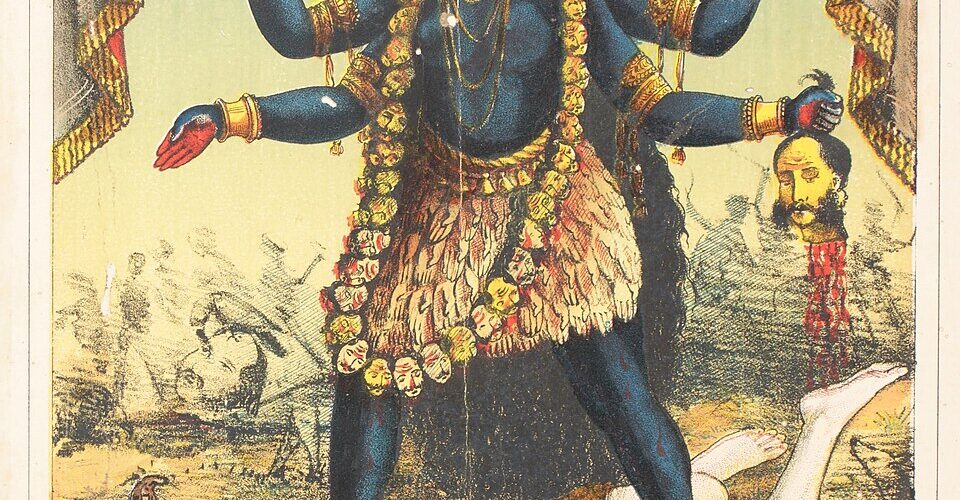
शास्त्र विंग · रस-पट्टिका · Rasa Plate
बीभत्स
Bibhatsa · Bībhatsa
अवमानना और घृणा का रस — वह भाव जो मनुष्य को अशुद्धता, अनैतिकता, और दुराचार से दूर करता है और आत्मशुद्धि की ओर ले जाता है।
अन्य नामबीभत्स रस · विभत्स · विभत्स रस · जुगुप्सा रस · Bibhatsa Rasa · Vibhatsa · Vibhatsa Rasa
सारबीभत्स वह रस है जिसमें घृणा, अवमानना, और जुगुप्सा (आतिशय घृणा) की अभिव्यक्ति होती है। · Bibhatsa is the rasa that expresses disgust, contempt, and utter aversion.
नाट्यशास्त्र · षष्ठ अध्याय (Chapter 6) · Chapter 6 (Rasa Adhyaya)
नाट्यशास्त्र संदर्भ
जुगुप्सा बीभत्सस्य स्थायिभावः। अपवित्रं दुर्गन्ध्यं घोरं कृमिकीटसमन्वितम्। यत्र बीभत्सरसः स्यात्तत्र घृणां जनयेत्॥
अनुवादजुगुप्सा (आतिशय घृणा) बीभत्स रस का स्थायी भाव है। भरतमुनि के अनुसार, बीभत्स वह रस है जो अपवित्र, दुर्गंधयुक्त, भयानक, और कीट-पतंगों से भरी वस्तुओं को देखने या सुनने से उत्पन्न होता है। यह रस दर्शक के मन में तीव्र घृणा और विरक्ति को जगाता है।
अंग्रेज़ी में पढ़ें · Read in English
Jugupsa (intense disgust) is the sthayi bhava (dominant emotion) of Bibhatsa rasa. According to Bharata Muni, Bibhatsa is the rasa that arises from seeing or hearing about impure, foul-smelling, terrible, and worm-infested things. This rasa awakens intense disgust and revulsion in the spectator's mind.
दर्शन
The Philosophyस्थायी भाव — जुगुप्सा Sthayi Bhava · Jugupsa (Disgust/Aversion/Abhorrence)
जुगुप्सा (घृणा) बीभत्स रस का मूल भाव है। यह केवल सामान्य अप्रिय भाव नहीं है, बल्कि एक तीव्र, आतिशय और रोमांचकारी प्रकार की घृणा है जो शरीर को कँपाती है, मुँह को विकृत करती है, और पूरे मन को विचलित कर देती है। जुगुप्सा उस गहन वेदना को दर्शाता है जो मनुष्य को अशुद्धता, मलीनता, अनैतिकता, और दुराचार से उत्पन्न होती है। यह केवल शारीरिक गंदगी या दुर्गंध का भाव नहीं है — यह नैतिक, आध्यात्मिक और सांस्कृतिक प्रदूषण की अनुभूति भी है। किसी की मलीन व्यवहार, किसी का अत्याचार, किसी का छल-कपट — ये सब जुगुप्सा को जन्म दे सकते हैं। यह भाव मनुष्य को स्वच्छता, सत्यता, और सदाचार की ओर प्रेरित करता है।
अंग्रेज़ी में पढ़ें · Read in English
Jugupsa (disgust) is the core emotion of Bibhatsa rasa. It is not merely an unpleasant feeling, but an intense, acute, and visceral form of repulsion that shakes the body, distorts the face, and disturbs the entire mind. Jugupsa expresses the deep revulsion that arises from impurity, filth, immorality, and vice. It is not just a reaction to physical dirt or foul odor — it is also a response to moral, spiritual, and cultural corruption. Someone's sordid behavior, another's cruelty, or deception can all evoke jugupsa. This emotion propels humans toward cleanliness, honesty, and virtue.
विभाव — कारण Vibhava · Determinants
विभाव (कारण) वे सभी बाहरी परिस्थितियाँ और उत्तेजक हैं जो बीभत्स रस को जन्म देते हैं। इनमें अपवित्र वस्तुएँ, दुर्गंधयुक्त पदार्थ, कीट-पतंग, सड़ी हुई चीजें, रक्त, मल-मूत्र, घाव, कुष्ठ रोग, मृत शरीर, अत्याचार के दृश्य, धोखेबाज़ी, दुष्टता, और अनैतिकता शामिल होती हैं।
अंग्रेज़ी में पढ़ें · Read in English
Vibhav (determinants) are external circumstances and stimuli that give rise to Bibhatsa rasa. These include impure objects, foul-smelling substances, insects and worms, rotting matter, blood, excrement, wounds, leprosy, corpses, scenes of cruelty, deceit, wickedness, and immorality.
- अपवित्र और मलीन वस्तुएँ — कचरा, कीचड़, फेंकी हुई चीजें
- दुर्गंधयुक्त पदार्थ — सड़ा हुआ मांस, दुर्गंधी पानी, रोगग्रस्त शरीर
- कीट और कीड़े — कृमि, मक्खियाँ, जूँ, साँप
- रक्त, पीब, और शारीरिक अपशिष्ट
- अत्याचार और पीड़ा के दृश्य — यातना, बलात्कार, हत्या
- नैतिक दुराचार — धोखेबाज़ी, विश्वासघात, कायरता, अमानवीय व्यवहार
- रोग और विकलांगता — कुष्ठ, पूयपूर्ण घाव, विकृत शरीर
अंग्रेज़ी में पढ़ें · Read in English
- Impure and filthy objects — garbage, mud, discarded matter
- Foul-smelling substances — rotten meat, foul water, diseased bodies
- Insects and creatures — worms, flies, lice, snakes
- Blood, pus, and bodily waste
- Scenes of cruelty and suffering — torture, rape, murder
- Moral depravity — deceit, betrayal, cowardice, inhuman behavior
- Disease and disability — leprosy, suppurating wounds, deformed bodies
अनुभाव — अभिव्यक्तियाँ Anubhava · Manifestations
अनुभाव (अभिव्यक्तियाँ) वे शारीरिक और मानसिक क्रियाएँ हैं जो बीभत्स की भावना को प्रकट करती हैं। इनमें नाक सिकोड़ना, मुँह को विकृत करना, होंठों को भींचना, थूकना, उल्टी करना, शरीर को सिकोड़ना, चेहरा मोड़ना, आँखें मूँद लेना, किनारे हो जाना, और तीव्र शब्दों में आपत्ति दर्ज करना शामिल है।
अंग्रेज़ी में पढ़ें · Read in English
Anubhava (manifestations) are physical and mental expressions that reveal the feeling of Bibhatsa. These include wrinkling the nose, contorting the face, clenching the lips, spitting, vomiting, shrinking the body, turning away, closing the eyes, moving aside, and voicing strong objections.
- नाक को सिकोड़ना और होंठों को ऊपर करना
- मुँह की विकृत भंगिमा और भौंहों का आकुंचन
- थूकना, गलत स्वाद निकालना, उल्टी करने का संकेत
- शरीर को झटका देना और पीछे हटना
- किनारे हो जाना, अलग खड़े हो जाना, पीठ मोड़ लेना
- घृणिता से पूर्ण आवाज़ में कुछ कहना
- आँखें मूँद लेना और चेहरा छिपा लेना
अंग्रेज़ी में पढ़ें · Read in English
- Wrinkling the nose and raising the upper lip
- Contorted facial expression and furrowing of brows
- Spitting, making a bad taste expression, vomiting gesture
- Jerking the body and stepping back
- Moving aside, standing apart, turning the back
- Speaking with disgust-filled voice
- Closing the eyes and hiding the face
संचारी भाव — अस्थायी भाव Vyabhichari Bhava · Transitory Emotions
संचारी भाव (अस्थायी भाव) वे क्षणिक भावनाएँ हैं जो बीभत्स के साथ आती हैं और उसे समृद्ध करती हैं। बीभत्स में प्रमुख संचारी भाव हैं — भय, क्रोध, शर्म, ग्लानि, आशंका, और निराशा।
अंग्रेज़ी में पढ़ें · Read in English
Vyabhichari bhava (transitory emotions) are fleeting feelings that accompany and enrich Bibhatsa. The prominent transitory emotions in Bibhatsa are: fear, anger, shame, remorse, apprehension, and despair.
अधिदेवता और रंग Deity & Colour
अधिदेवता — महाकाल (शिव) · Mahakala (Shiva) रंग — नीला (नील) · Blue (Nila)
भरतमुनि के अनुसार, बीभत्स रस का अधिदेवता महाकाल (काल का देवता, शिव का तांत्रिक रूप) हैं। महाकाल समय के विनाश, अंत, और सर्वनाश के देवता हैं। वे सभी विकार, मलीनता, और अशुद्धता को नष्ट करते हैं। नील (गहरा नीला) रंग रहस्य, अंधकार, और अनंत आकाश को दर्शाता है। यह रंग विषाद, गहराई, और आध्यात्मिक शोधन का प्रतीक है। महाकाल की नीली त्वचा यह दर्शाती है कि भले ही कुछ चीजें अपवित्र या भयानक हों, परमेश्वर उन्हें भी सँभालते हैं और उन्हें रूपांतरित कर देते हैं।
अंग्रेज़ी में पढ़ें · Read in English
According to Bharata Muni, Mahakala (the god of time and destruction, the tantric form of Shiva) is the presiding deity of Bibhatsa rasa. Mahakala is the god of time's destruction, endings, and annihilation. He destroys all defects, filth, and impurity. The blue (nila) color represents mystery, darkness, and infinite sky. This color symbolizes melancholy, depth, and spiritual purification. Mahakala's blue complexion shows that even though some things are impure or terrible, the divine encompasses and transforms them.
संगीत में बीभत्स
In Musicबीभत्स रस को संगीत में व्यक्त करना अत्यंत कठिन है, क्योंकि यह नकारात्मक भाव है। संगीतकार इसे कई तरीकों से साकार करते हैं: (1) असंगत सुरों का प्रयोग (dissonance), जो कान को खरोंचते हैं और मन को अशांत करते हैं; (2) तीव्र और कर्कश अलाप, जो सुनने वाले को असुविधाजनक महसूस कराते हैं; (3) निम्न सप्तक में गहरी, भयानक गायन; (4) अचानक, टूटी-फूटी लय जो संगीत को अस्थिर दिखाती है; (5) मंद गति में लंबे-लंबे नोट्स जो विषाद को गहरा करते हैं। आधुनिक संगीतकारों ने बीभत्स को व्यक्त करने के लिए पाश्चात्य संगीत तत्वों का भी प्रयोग किया है।
अंग्रेज़ी में पढ़ें · Read in English
Expressing Bibhatsa rasa in music is extremely challenging because it is a negative emotion. Musicians realize it in several ways: (1) use of discordant notes that grate on the ear and disturb the mind; (2) sharp and harsh alap that makes the listener uncomfortable; (3) deep, terrifying singing in lower octaves; (4) sudden, broken rhythms that make the music unstable; (5) slow, long-held notes that deepen melancholy. Modern musicians have also incorporated Western musical elements to express Bibhatsa.
बीभत्स के राग · The Raags of Bibhatsa
नृत्य में बीभत्स
In Danceभारतीय नृत्यों में बीभत्स रस को व्यक्त करना दुर्लभ और विशेष है। यह आमतौर पर केवल विशेष नाटकीय संदर्भों में, जैसे किसी अत्याचार, पीड़ा, या दुष्टता के दृश्य को दिखाने के लिए किया जाता है। कथकली और यक्षगान में बीभत्स की अभिव्यक्ति अधिक प्रमुख है। नृत्यांगना की शारीरिक भाषा घृणा, क्रोध, और डर को व्यक्त करती है। चेहरे की भाव-भंगिमा विकृत, कठोर, और आक्रामक होती है। हाथों की गति तीव्र, अस्थिर, और अनुपयुक्त होती है।
अंग्रेज़ी में पढ़ें · Read in English
Expressing Bibhatsa rasa in Indian classical dance is rare and special. It is typically done only in specific dramatic contexts, such as depicting scenes of cruelty, suffering, or wickedness. In Kathakali and Yakshagana, the expression of Bibhatsa is more prominent. The dancer's physical language expresses disgust, anger, and fear. Facial expressions are distorted, harsh, and aggressive. Hand movements are rapid, unstable, and inappropriate.
| रौद्र नृत्य | क्रोध और भय को व्यक्त करने वाली गतियाँ |
|---|---|
| भयानक अभिनय (Raudra Abhinaya) | अत्याचार और दुष्टता के दृश्य |
| पीड़ा भंगिमा | पीड़ित व्यक्ति की सहानुभूति |
| मुष्टि मुद्रा (कसी हुई मुट्ठी) | क्रोध और घृणा |
|---|---|
| अपस्मार मुद्रा (हाथ को पीछे की ओर झटकना) | अस्वीकृति |
| भैरव मुद्रा | भय और घृणा |
| पतित मुद्रा | पतन और अपमान |
चेहरे की भाव-भंगिमा Facial Expression
बीभत्स में चेहरे की भाव-भंगिमा बेहद महत्वपूर्ण है। नाक को सिकोड़ा जाता है, होंठों को भींचा जाता है, आँखें तिरछी हो जाती हैं। भौंहें आपस में मिल जाती हैं, माथे पर गहरी शिकनें पड़ जाती हैं। पूरा चेहरा कठोर, विकृत, और क्रोधपूर्ण दिखता है। कभी-कभी मुँह खुला रहता है, जैसे किसी बुरी चीज़ को देखकर हैरानी हुई हो। यह सब मिलकर तीव्र घृणा और अरुचि को व्यक्त करता है।
अंग्रेज़ी में पढ़ें · Read in English
Facial expression in Bibhatsa is extremely important. The nose is wrinkled, lips are clenched, and eyes become crooked. Eyebrows meet together, and deep lines form on the forehead. The entire face appears harsh, distorted, and angry. Sometimes the mouth hangs open, as if in shock at something terrible. Together, these express intense disgust and revulsion.
सिनेमा में बीभत्स
In Cinemaभारतीय फिल्मों में बीभत्स रस का प्रयोग सामाजिक टिप्पणी, सुधार, और न्याय के लिए किया जाता है। जब निर्देशक किसी सामाजिक दुराचार, अत्याचार, या अमानवीयता को दिखाना चाहते हैं, तो वे बीभत्स की तकनीकें उपयोग करते हैं। ये फिल्में दर्शकों के मन में घृणा जगाती हैं, लेकिन साथ ही सच्चाई को भी सामने लाती हैं और सामाजिक परिवर्तन की माँग करती हैं।
अंग्रेज़ी में पढ़ें · Read in English
In Indian cinema, Bibhatsa rasa is used for social commentary, reform, and justice. When directors want to depict social depravity, cruelty, or inhumanity, they use Bibhatsa techniques. These films evoke disgust in the audience's minds, but also bring truth to the fore and demand social change.
अमर दृश्य और गीत · Iconic Scenes & Songs
दैनंदिन जीवन में
In Daily Lifeबीभत्स रस केवल नाटकीय कला तक सीमित नहीं है। हमारे दैनंदिन जीवन में भी इसकी मौजूदगी है। जब हम किसी अन्यायपूर्ण व्यवहार को देखते हैं, किसी की बेईमानी महसूस करते हैं, या किसी अत्याचार की खबर सुनते हैं, तो हमारे मन में घृणा और आक्रोश जगता है। यह भाव हमें अधर्म के विरुद्ध खड़े होने के लिए प्रेरित करता है। माँ का अपने बच्चे को गंदगी से दूर रखना, समाज का भ्रष्ट नेता को अस्वीकार करना, किसी की क्रूरता का विरोध करना — ये सब बीभत्स का सकारात्मक प्रयोग हैं।
अंग्रेज़ी में पढ़ें · Read in English
Bibhatsa rasa is not limited to dramatic arts. It is present in our daily life. When we witness unjust behavior, sense someone's dishonesty, or hear news of cruelty, disgust and outrage arise in our minds. This emotion inspires us to stand against wrongdoing. A mother keeping her child away from filth, society rejecting a corrupt leader, opposing someone's cruelty — these are all positive uses of Bibhatsa.
- किसी के बेईमान काम को देखकर तुरंत मन में नापसंदगी आना
- भ्रष्ट नेता या दुष्ट व्यक्ति को समाज से निकाल बाहर करना
- बलात्कारी, हत्यारे, या अपराधी को कड़ी सज़ा देने की माँग
- किसी के अपवित्र विचारों या कर्मों का कड़ा विरोध करना
- असत्य और धोखेबाज़ी से नफ़रत करना
- स्वच्छता, सत्यता, और नैतिकता के प्रति प्रतिबद्धता
अंग्रेज़ी में पढ़ें · Read in English
- Immediate disgust upon witnessing dishonest deeds
- Society rejecting corrupt leaders or wicked persons
- Demanding severe punishment for rapists, murderers, or criminals
- Strong opposition to someone's impure thoughts or actions
- Hatred for falsehood and deception
- Commitment to cleanliness, truthfulness, and morality
पट्टिका-लेख
The Monographबीभत्स का विवेचन The Essay
बीभत्स रस को अक्सर नकारात्मक या अवांछनीय माना जाता है, लेकिन भारतीय सौंदर्य-शास्त्र में इसका एक महत्वपूर्ण और पवित्र स्थान है। बीभत्स केवल 'बुरा' नहीं है — यह एक आवश्यक भावना है जो समाज को बुराई से दूर रखती है। जब कोई अन्याय को देखता है, तो बीभत्स जगता है। जब कोई दुराचार को समझता है, तो घृणा पैदा होती है। यह घृणा हमें उस बुराई के विरुद्ध कार्य करने के लिए प्रेरित करती है। दास-प्रथा के विरुद्ध आवाज़ उठाने वाले महात्मा गांधी, बलात्कार के विरुद्ध लड़ने वाली निर्भया — वे सब बीभत्स रस की शक्ति से प्रेरित थे। भारतीय संस्कृति में बीभत्स को 'शोधन' का साधन माना गया है। जैसे अग्नि सोने को शुद्ध करती है, वैसे ही बीभत्स समाज को बुराई से मुक्त करती है। यह रस कोई कला नहीं है, बल्कि एक सामाजिक दर्पण है जो हमें हमारी कुरीतियाँ दिखाता है। दरअसल, बीभत्स के बिना जीवन अधूरा है। अगर कोई व्यक्ति किसी अपराध को देखकर भी कोई भावना महसूस नहीं करता, तो वह समाज के लिए ख़तरा है। बीभत्स की भावना से ही एक स्वस्थ समाज का निर्माण होता है।
अंग्रेज़ी में पढ़ें · Read in English
Bibhatsa rasa is often considered negative or undesirable, but in Indian aesthetics, it holds an important and sacred place. Bibhatsa is not merely 'evil' — it is an essential emotion that protects society from wrongdoing.
When one witnesses injustice, Bibhatsa awakens. When one understands depravity, disgust is born. This disgust inspires us to act against that evil. Mahatma Gandhi fighting against slavery, Nirbhaya fighting against rape — all were inspired by the power of Bibhatsa rasa.
In Indian culture, Bibhatsa is considered a means of 'purification.' Just as fire purifies gold, Bibhatsa frees society from evil. This rasa is not an art, but a social mirror that shows us our failings.
In fact, life is incomplete without Bibhatsa. If a person feels no emotion upon witnessing a crime, that person is a danger to society. A healthy society is built on the foundation of Bibhatsa sentiment.
सांस्कृतिक महत्व Cultural Significance
भारतीय नाटकीय परंपरा में बीभत्स को सदा महत्व दिया गया है, हालाँकि यह नौ रसों में सबसे कम प्रयुक्त होता है। महाभारत और रामायण में जब भी किसी अत्याचार, धोखेबाज़ी, या दुष्टता का वर्णन होता है, तो बीभत्स की अभिव्यक्ति होती है। संस्कृत नाटकों में, जब कोई दुष्ट पात्र मंच पर आता है, तो उसके चारों ओर बीभत्स का वातावरण बनता है। यह रस एक नैतिक उपकरण है जो दर्शकों को बुराई से विरक्त करता है। मध्यकाल में, भक्ति काव्य में भी बीभत्स का प्रयोग किया गया — जब कवि आसुरी प्रवृत्ति, माया की निरर्थकता, और सांसारिक विषाद का वर्णन करते हैं।
अंग्रेज़ी में पढ़ें · Read in English
In Indian dramatic tradition, Bibhatsa has always been valued, though it is the least used among the nine rasas. In the Mahabharata and Ramayana, whenever cruelty, deception, or wickedness is described, Bibhatsa is expressed. In Sanskrit plays, when a wicked character appears on stage, an atmosphere of Bibhatsa surrounds them. This rasa is a moral instrument that turns spectators away from evil. In the medieval period, Bibhatsa was used in devotional poetry — when poets describe demonic tendencies, the futility of illusion (maya), and worldly melancholy.
श्रवण-मार्गदर्शिका Listening Guide
बीभत्स रस को सुनते समय आप गहरी असुविधा और आंतरिक संघर्ष का अनुभव करेंगे। आपकी नाक सिकुड़ेगी, आपके शरीर में कँपकँपाहट होगी। आप अपने आप को दूर हटाना चाहेंगे, पर साथ ही आपका मन उस भावना के अर्थ को समझने के लिए खींचा जाएगा। सुरों की कर्कशता, गायन की अधर्मिकता, और संगीत के असंगतता को ध्यान से सुनिए। यह असुविधा जानबूझकर पैदा की गई है — यह आपको जागृत करने के लिए है, आपको सच्चाई का सामना करने के लिए बाध्य करने के लिए है। बीभत्स के बाद, जब आप किसी सुंदर राग को सुनते हैं, तो उसकी सुंदरता कई गुना बढ़ जाती है।
अंग्रेज़ी में पढ़ें · Read in English
When listening to Bibhatsa rasa, you will experience deep discomfort and internal struggle. Your nose will wrinkle, your body will shudder. You will want to move away, yet your mind will be pulled to understand the meaning of that emotion. Listen carefully to the harshness of the notes, the unrighteousness of the singing, and the discord of the music. This discomfort is intentional — it is meant to awaken you, to force you to confront truth. After Bibhatsa, when you listen to a beautiful raga, its beauty multiplies many times over.
शेर · The Couplet
बीभत्स पर शेर
अन्याय को देखकर मौन रहना, अत्याचार को सहना — यह मनुष्य नहीं, यह मनुष्य का दुष्ट प्रतिबिम्ब है।
स्रोत— अज्ञात
Remaining silent upon seeing injustice, enduring cruelty — this is not human, this is the evil reflection of humanity.
रोचक तथ्य
Margin Notesनाट्यशास्त्र में बीभत्स को 'सबसे कम प्रिय' रस माना जाता है क्योंकि दर्शकों को इसे देखना अप्रिय होता है। लेकिन यही इसकी शक्ति है — जो असुविधा देता है, वही सच्ची कला है।
In Natyashastra, Bibhatsa is considered the 'least liked' rasa because spectators find it unpleasant to watch. But that is its strength — what makes us uncomfortable is true art.
कथकली नृत्य में बीभत्स को 'वेधavutthu' (गहरी अभिव्यक्ति) कहते हैं। यहाँ राक्षसों, दुष्टों, और पीड़ितों के चरित्र को दिखाया जाता है।
In Kathakali dance, Bibhatsa is called 'vedhavathu' (deep expression). Here, the characters of demons, villains, and the suffering are portrayed.
महाभारत के 'कीचक वध' का दृश्य बीभत्स रस का एक उत्कृष्ट उदाहरण है। द्रौपदी के अपमान और कीचक की मृत्यु दोनों को घृणा के साथ दिखाया जाता है।
The 'Keechak Vadh' scene in the Mahabharata is an excellent example of Bibhatsa rasa. Both Draupadi's humiliation and Keechak's death are shown with disgust.
बीभत्स रस का एक सकारात्मक पहलू है — यह अपवित्रता को दूर करने के लिए एक अनुस्मारक है। स्वच्छता अभियान, सामाजिक सुधार, और न्याय की माँग सब बीभत्स से ही आती है।
Bibhatsa rasa has a positive aspect — it is a reminder to remove impurity. Cleanliness campaigns, social reform, and demands for justice all arise from Bibhatsa.
कुछ विद्वानों के अनुसार, बीभत्स रस को '10वाँ रस' नहीं माना जाना चाहिए। यह नौ रसों का एक अभिन्न अंग है और किसी भी अन्य रस में इसकी छाया पड़ी हो सकती है।
According to some scholars, Bibhatsa should not be considered a '10th rasa.' It is an integral part of the nine rasas and its shadow can fall in any other rasa.
क्या आप जानते हैं?
Did You Knowकई विद्वान मानते हैं कि बीभत्स रस को 'सोमय' (शुद्ध) माना जाना चाहिए, क्योंकि यह हमें शोधन की ओर ले जाता है।
Many scholars believe that Bibhatsa rasa should be considered 'soma' (pure), as it leads us toward purification.
बीभत्स रस का उपयोग प्राचीन भारत में सामाजिक न्याय के साधन के रूप में किया जाता था। अपराधियों को दिखाया जाता था कि उनके कर्मों का परिणाम क्या होता है।
Bibhatsa rasa was historically used in ancient India as a means of social justice. Criminals were shown the consequences of their actions.
नाटक में जब कोई पात्र अत्यधिक विषाद, भय, या क्रोध को व्यक्त करता है, तो अक्सर बीभत्स भी सहायक भाव के रूप में उत्पन्न होता है।
In drama, when a character expresses extreme melancholy, fear, or anger, Bibhatsa often arises as a secondary emotion.
सूक्तियाँ
Quotesघृणा केवल भावना नहीं है, यह कार्य करने की शक्ति है। — अज्ञात
Disgust is not merely a feeling; it is the power to take action.
जो अन्याय को देखकर चुप रहता है, वह अन्याय का साथी है। — भारतीय परंपरा
He who remains silent upon seeing injustice is complicit in that injustice.
बीभत्स रस का अर्थ है — आत्मशुद्धि की यात्रा। — आचार्य भरत
Bibhatsa rasa means — a journey toward self-purification.
अग्रिम पठन
Further Reading- भरतमुनि की 'नाट्यशास्त्र' — षष्ठ अध्याय
- अभिनवगुप्त की 'अभिनव-भारती' — बीभत्स पर विस्तृत टिप्पणी
- धनंजय की 'दशरूपक' — रस-सिद्धांत पर आधारित
- कुंतक की 'वक्रोक्ति-जीविता' — बीभत्स के नैतिक आयाम पर विचार
- आचार्य विश्वनाथ की 'साहित्य-दर्पण' — रसों का समीक्षा
इतिहास
Historyउद्गम — नाट्यशास्त्र काल (1200 BCE अनुमानित) Origin
बीभत्स रस की अवधारणा आचार्य भरत के नाट्यशास्त्र में नौ रसों में से एक के रूप में औपचारिक रूप से दर्ज की गई। हालाँकि, वेदों में भी अशुद्धता, पाप, और बुराई के विरुद्ध घृणा की चर्चा मिलती है। यह रस उतना ही प्राचीन है जितनी मानव सभ्यता की नैतिक भावना।
विकास-क्रम Evolution
- प्राचीन काल (500 BCE - 500 CE) संस्कृत नाटकों में बीभत्स का प्रयोग राक्षसों, दुष्टों, और अपराधियों के चरित्रों को दिखाने के लिए किया जाता था। महाभारत और रामायण में घृणित घटनाओं को भी बीभत्स के साथ दिखाया जाता था।
- मध्यकाल (500 - 1500 CE) भक्ति काव्य में बीभत्स को आध्यात्मिक संदर्भ में प्रयुक्त किया जाने लगा। संतों ने संसार की असारता, माया की निरर्थकता, और पाप के भयानक परिणामों को दिखाने के लिए बीभत्स का प्रयोग किया।
- आधुनिक काल (1800 CE - वर्तमान) 20वीं सदी में सामाजिक सुधार आंदोलनों में बीभत्स का महत्वपूर्ण भूमिका रहा। दलित साहित्य, नारीवादी साहित्य, और सामाजिक संघर्ष को दिखाने वाली कला में बीभत्स को प्रमुखता दी गई। भारतीय फिल्मों में भी बीभत्स का उपयोग बढ़ा है।
मुख्य पड़ाव Key Milestones
- 1200 BCE (अनुमानित) नाट्यशास्त्र की रचना — भरतमुनि द्वारा नौ रसों की औपचारिक व्याख्या
- 1st-2nd सदी CE संस्कृत नाटकों में बीभत्स का व्यापक प्रयोग शुरू
- 12वीं सदी अभिनवगुप्त द्वारा रस-सिद्धांत पर व्यापक टिप्पणी
- 15-16वीं सदी भक्ति काव्य में बीभत्स का नैतिक और आध्यात्मिक प्रयोग
- 1950s onwards भारतीय सामाजिक नाटकों में बीभत्स का सशक्त प्रयोग
- 2000 CE - वर्तमान दलित साहित्य, स्त्री-लेखन, और सामाजिक सुधार के माध्यम में बीभत्स का केंद्रीय भूमिका
नमूना-पट्टी
The Specimen Table| नाम | बीभत्स · Bibhatsa |
|---|---|
| लिप्यंतरण | Bībhatsa |
| अन्य नाम | बीभत्स रस · विभत्स · विभत्स रस · जुगुप्सा रस |
| स्थायी भाव | जुगुप्सा · Jugupsa (Disgust/Aversion/Abhorrence) |
| अधिदेवता | महाकाल (शिव) |
| रंग | नीला (नील) |
| प्रमुख राग | भैरव · मारवा · दरबारी |
| नृत्य-रूप | रौद्र नृत्य · भयानक अभिनय (Raudra Abhinaya) · पीड़ा भंगिमा |
जुड़े हुए पन्ने
Connected Plates · The Graph Made Visibleअटलस में कोई पन्ना अकेला नहीं — बीभत्स से राग, गीत और बाक़ी रस, सब जुड़े हैं।
शास्त्र-सूत्र · Shastra Threads
अनुशंसित श्रवण · Recommended Listening
नवरस-मंडल · Fellow Rasas
श्रवण-कक्ष · The Listening Room
सुनिए — बीभत्स रस · Hear the Rasa
बीभत्स रस — नवरस में भय, क्रोध और घृणा — रंजना फड़के द्वारा क्लासिकल नृत्य में बीभत्स की व्याख्या। इस वीडियो में घृणा, अवमानना, और आक्रोश की अभिव्यक्ति को स्पष्ट रूप से देखा जा सकता है। · classical_dance_performance Bibhatsa Rasa — Fear, Anger, and Disgust in Navarasa
नवरस — नौ भावनाएँ या अभिव्यक्तियाँ — शास्त्रीय नृत्य में नवरसों की व्यापक व्याख्या। इसमें बीभत्स को नृत्य के माध्यम से कैसे दिखाया जाता है, इसका विस्तृत वर्णन है। · navarasa_educational Navarasa — Nine Emotions or Expressions in Classical Dance
विभत्स रस को कैसे प्रदर्शित करें — क्लासिकल नृत्य में बीभत्स की तकनीकें। हाथों की मुद्रा, चेहरे की भाव-भंगिमा, और शरीर की गतियों को सिखाया गया है। · classical_dance_tutorial How to Perform Vibhatsa Ras
प्रश्नोत्तर
Questions & Answersबीभत्स रस क्या है?
बीभत्स वह रस है जिसमें घृणा, अवमानना, और जुगुप्सा (तीव्र घृणा) की अभिव्यक्ति होती है। यह अशुद्धता, अनैतिकता, और दुराचार से उत्पन्न होता है। इसका स्थायी भाव जुगुप्सा है और अधिदेवता महाकाल (शिव) हैं।
अंग्रेज़ी में पढ़ें · Read in English
Bibhatsa is the rasa that expresses disgust, contempt, and intense aversion. It arises from impurity, immorality, and vice. Its sthayi bhava is jugupsa (intense disgust) and its presiding deity is Mahakala (Shiva).
बीभत्स रस के कितने प्रकार हैं?
बीभत्स के तीन प्रकार हैं: (1) घृणास्पद (Ghrinaspada) — शारीरिक गंदगी और दुर्गंध से उत्पन्न, (2) साधारण (Sadharan) — नैतिक दुराचार से उत्पन्न, और (3) उद्दीपक (Uddeepak) — हिंसा और क्रूरता से उत्पन्न।
अंग्रेज़ी में पढ़ें · Read in English
Bibhatsa has three types: (1) Ghrinaspada — arising from physical filth and foul odor, (2) Sadharan — arising from moral depravity, and (3) Uddeepak — arising from violence and cruelty.
बीभत्स रस किन राागों में व्यक्त होता है?
भैरव, मारवा, और दरबारी — ये राग बीभत्स रस को सर्वोत्तम रूप से व्यक्त करते हैं। भैरव में तीव्र और खुरदरी सुर हैं जो भय जगाते हैं। मारवा असंगत और विषादपूर्ण है। दरबारी गहरा, रहस्यपूर्ण और भयानक है।
अंग्रेज़ी में पढ़ें · Read in English
Bhairav, Marwa, and Darbari are ragas that best express Bibhatsa Rasa. Bhairav has sharp, harsh notes that evoke fear. Marwa is discordant and melancholic. Darbari is deep, mysterious, and terrifying.
नृत्य में बीभत्स रस कैसे व्यक्त होता है?
नृत्य में बीभत्स को विकृत चेहरे, तीव्र और अस्थिर गतियों, और क्रोधपूर्ण मुद्राओं के माध्यम से व्यक्त किया जाता है। नोक सिकोड़ना, होंठ भींचना, आँखें तिरछी करना, और शरीर को झटका देना — ये सब बीभत्स की अभिव्यक्तियाँ हैं।
अंग्रेज़ी में पढ़ें · Read in English
In dance, Bibhatsa is expressed through distorted facial expressions, sharp and unstable movements, and angry gestures. Wrinkling the nose, clenching lips, narrowing eyes, and jerking the body — all are expressions of Bibhatsa.
क्या बीभत्स रस केवल नकारात्मक है?
नहीं। हालाँकि बीभत्स में नकारात्मक भावनाएँ हैं, लेकिन इसका एक सकारात्मक पहलू भी है। यह हमें अन्याय, अत्याचार, और दुराचार के विरुद्ध खड़े होने के लिए प्रेरित करता है। यह एक नैतिक और सामाजिक भावना है जो समाज को बेहतर बनाती है।
अंग्रेज़ी में पढ़ें · Read in English
No. Although Bibhatsa contains negative emotions, it also has a positive aspect. It inspires us to stand against injustice, cruelty, and immorality. It is a moral and social emotion that improves society.
साझा कीजिए · Share this Plate