गीत विंग · गीत-पट्टिका · Song Plate
राग जोगिया — ख़्याल
Raga Jogiya — Khayal
भारत का सबसे पहला रिकॉर्ड किया गया गीत — गौहर जान का राग जोगिया में ख़्याल, नवंबर 1902 में भारतीय संगीत उद्योग की शुरुआत।
भावContemplative · भक्ति · उदास
भाषाHindi · Braj Bhasha
श्रेय
The Creditsबोल · The Lyrics
पूरे बोल · Full Lyrics
शब्दकोश
Word Meaningsसूत्र-वाक्य · The Hook
सूत्र-वाक्य
भारत का सबसे पहला रिकॉर्ड किया गया गीत — गौहर जान का राग जोगिया में ख़्याल, नवंबर 1902 में भारतीय संगीत उद्योग की शुरुआत।
In EnglishThe very first commercially recorded Indian song — Gauhar Jaan's khayal in Raag Jogiya marks the birth of India's recorded music industry in November 1902.
पट्टिका-लेख
The Monographपरिचय Overview
“राग जोगिया — ख़्याल” फ़िल्म Gramophone Company — First Indian Recordings (1902) का हिंदी गीत है। इसमें गौहर जान की आवाज़ है, संगीत गौहर जान का है, और बोल पारंपरिक बंदिश ने लिखे हैं। यह राग Jogiya पर आधारित है, Teental ताल में निबद्ध, Hindustani Classical शैली का गीत। इसका प्रमुख भाव Devotional है, अवधि 2:25 है, और यह The Gramophone & Typewriter Ltd. लेबल से जारी हुआ।
अंग्रेज़ी में पढ़ें · Read in English
“Raga Jogiya — Khayal” is a Hindi film song from Gramophone Company — First Indian Recordings (1902). The voice belongs to Gauhar Jaan, composed by Gauhar Jaan, with lyrics penned by Traditional Bandish (Classical Composition). Musically it set in Raag Jogiya, to the Teental taal, in the Hindustani Classical idiom. Its prevailing mood is devotional, the recording runs 2:25, released on the the gramophone & typewriter ltd. label.
संगीत The Music
राग जोगिया भैरव थाट का एक प्रातःकालीन राग है, जिसमें कोमल ऋषभ और धैवत का प्रयोग तीव्र भक्ति और वैराग्य का वातावरण उत्पन्न करता है। गौहर जान की इस प्रस्तुति में विस्तृत ख़्याल गायकी को 3 मिनट के शेलैक प्रारूप में समेटने की उनकी महारत प्रदर्शित होती है — एक क्रांतिकारी अनुकूलन जिसे उनके समकालीन महान संगीतकार करने में असमर्थ या अनिच्छुक थे। इस रिकॉर्डिंग में उनकी ऊँची स्वर शैली सुनाई देती है, जो माइक्रोफोन-पूर्व युग में आवश्यक थी जब आवाज़ को बड़े हॉलों में गूँजना पड़ता था।
अंग्रेज़ी में पढ़ें · Read in English
Raag Jogiya is a morning raga from the Bhairav thaat, characterized by komal Rishabh and Dhaivat, creating an atmosphere of intense devotion and ascetic detachment. Gauhar Jaan's rendition demonstrates her mastery of compressing elaborate khayal gayaki into the 3-minute shellac format — a revolutionary adaptation that the greatest musicians of her era were unable or unwilling to attempt. The recording features her high-pitched vocal style, common in the pre-microphone era when voices needed to carry across large halls.
काव्य The Poetry
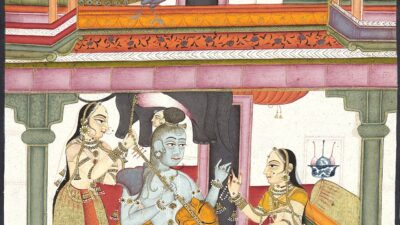
एक शास्त्रीय ख़्याल बंदिश के रूप में, इसका पाठ पारंपरिक स्थायी-अंतरा संरचना का अनुसरण करता है जिसमें जोगिया रचनाओं की विशिष्ट भक्तिमय या श्रृंगारिक विषयवस्तु है। काव्य में भटकते योगी और विरह की पीड़ा की कल्पना है — ये विषय भक्ति और सूफ़ी काव्य परंपराओं में गहराई से समाहित हैं जो हिन्दुस्तानी शास्त्रीय रचनाओं को प्रभावित करती हैं।
अंग्रेज़ी में पढ़ें · Read in English
As a classical khayal bandish, the text follows the traditional sthayi-antara structure with devotional or romantic themes typical of Jogiya compositions. The poetry draws from the imagery of the wandering yogi and the longing of separation — themes deeply embedded in the Bhakti and Sufi poetic traditions that inform Hindustani classical compositions.
कहानी The Story
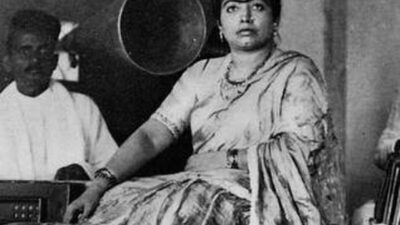
फ़्रेड गाइसबर्ग 27 अक्टूबर 1902 को एस.एस. कोरोमंडल जहाज़ से कलकत्ता पहुँचे। उनके स्थानीय एजेंटों ने शुरू में एंग्लो-इंडियन कलाकारों को चुना था और स्थानीय प्रतिभाओं की पूरी तरह उपेक्षा की थी। निराश होकर गाइसबर्ग ने स्थानीय पुलिस अधीक्षक से मदद माँगी, थिएटरों का दौरा किया, और धनी ज़मींदारों के घरों में महफ़िलों में गए। ऐसी ही एक महफ़िल में उनकी मुलाक़ात गौहर जान से हुई — कलकत्ता की सबसे प्रसिद्ध तवायफ़ और गायिका। उन्होंने उस समय की राजसी राशि 3,000 रुपये में रिकॉर्डिंग के लिए सहमति दी। गाइसबर्ग ने होटल के दो कमरों में अपना उपकरण स्थापित किया — दीवार में लगा एक पीतल का रिकॉर्डिंग हॉर्न, जो डायफ्राम और सुई के माध्यम से घूमती मोम की डिस्क से जुड़ा था। गौहर जान ने हॉर्न में गाया, और रिकॉर्डिंग के अंत में अपनी प्रसिद्ध पंक्ति कही: 'मेरा नाम है गौहर जान!' मोम के मास्टर जर्मनी के हनोवर भेजे गए प्रेसिंग के लिए, और तैयार रिकॉर्ड अप्रैल 1903 में भारत पहुँचे और ज़बरदस्त व्यावसायिक सफलता मिली।
अंग्रेज़ी में पढ़ें · Read in English
Fred Gaisberg arrived in Calcutta on October 27, 1902, on the SS Coromandel. His local agents had initially selected Anglo-Indian artists, completely ignoring local talent. Frustrated, Gaisberg sought help from the local Police Superintendent, visited theatres, and attended mehfils at wealthy zamindars' homes. It was at one such gathering that he encountered Gauhar Jaan — Calcutta's most celebrated tawaif and vocalist. She agreed to record for the then-princely sum of Rs. 3,000. Gaisberg set up his equipment in two rooms of a hotel — a brass recording horn fitted to a wall, connected via a diaphragm and needle to a rotating wax disc. Gauhar Jaan sang into the horn, and at the recording's end announced her signature line: 'My name is Gauhar Jaan!' The wax masters were shipped to Hanover, Germany for pressing, and the finished records reached India in April 1903 to enormous commercial success.
विरासत The Legacy
इस रिकॉर्डिंग ने भारतीय संगीत रिकॉर्डिंग उद्योग की शुरुआत की। गौहर जान ने अगले 18 वर्षों में 12 से अधिक भाषाओं में 600 से अधिक गीत रिकॉर्ड किए। शास्त्रीय रागों को 3 मिनट के कैप्सूल में समेटने के उनके नवाचार ने भारतीय संगीत के उपभोग के तरीक़े को स्थायी रूप से बदल दिया — संगीत को अभिजात दरबारों से आम घरों तक लोकतांत्रिक बनाया। सारेगामा (पूर्व में एचएमवी इंडिया) ने ग्रामोफ़ोन कंपनी के लंदन अभिलेखागार से इन रिकॉर्डिंग को पुनर्स्थापित करने का कार्य किया है। गूगल ने गौहर जान को उनकी 145वीं जयंती (26 जून 2018) पर डूडल से सम्मानित किया।
अंग्रेज़ी में पढ़ें · Read in English
This recording launched the Indian music recording industry. Gauhar Jaan went on to record over 600 songs in 12+ languages over the next 18 years. Her innovation of compressing classical ragas into 3-minute capsules permanently changed how Indian music was consumed — democratizing access from elite courts to common households. Saregama (formerly HMV India) has worked to restore these recordings from the Gramophone Company's London archives. Google honored Gauhar Jaan with a Doodle on her 145th birth anniversary (June 26, 2018).
ऐतिहासिक महत्व Historical Significance
राग जोगिया में यह ख़्याल हिंदुस्तानी शास्त्रीय गायन की सबसे पहली रिकॉर्डिंग में से एक होने का गौरव रखता है। 11 नवंबर 1902 को ग्रामोफ़ोन कंपनी के फ्रेडरिक गेसबर्ग द्वारा कलकत्ता के एक होटल के कमरे में अस्थायी स्टूडियो में रिकॉर्ड किया गया।
अंग्रेज़ी में पढ़ें · Read in English
This khayal in Raag Jogiya holds the distinction of being among the very first Hindustani classical vocal recordings ever made. Recorded on 11 November 1902 by Frederick Gaisberg of the Gramophone Company in a makeshift studio in a Calcutta hotel room, this recording captures the voice of Gauhar Jaan performing a morning raga associated with the ascetic yogi tradition. The recording technology of 1902 could only capture approximately 3 minutes of music, forcing artists to condense compositions that traditionally lasted 30-60 minutes into miniature performances. Despite this constraint, Gauhar Jaan's mastery is evident in her ability to present the essential character of the raag within this brief format. The original wax matrix was shipped to Hanover, Germany for pressing into 78 RPM shellac discs, which were then shipped back to India in April 1903.
राग-विश्लेषण Raag Analysis
राग जोगिया भैरवी थाट से संबंधित है और पारंपरिक रूप से प्रातःकाल (प्रहर) में गाया जाता है। यह आध्यात्मिक सत्य की खोज में भटकते योगी या तपस्वी की छवि उत्पन्न करता है, जिसमें एक करुण, भक्तिमय भाव होता है। कोमल (फ्लैट) रे और धा का विशिष्ट प्रयोग राग को उसकी विशेष विरह-भरी गुणवत्ता प्रदान करता है। इस रिकॉर्डिंग में गौहर जान धीमे, ध्यानपूर्ण आलाप के बाद बंदिश (रचना) के साथ ख़्याल के पारंपरिक दृष्टिकोण को प्रदर्शित करती हैं। राग का नाथ योगियों के जोगिया संप्रदाय से जुड़ाव आध्यात्मिक गहराई की एक परत जोड़ता है।
अंग्रेज़ी में पढ़ें · Read in English
Raag Jogiya belongs to the Bhairavi thaat and is traditionally performed in the early morning hours (prahar). It evokes the image of a yogi or ascetic wandering in search of spiritual truth, carrying a plaintive, devotional mood. The characteristic use of komal (flat) Re and Dha gives the raag its distinctive yearning quality. In this recording, Gauhar Jaan demonstrates the traditional approach to khayal with a slow, meditative alaap followed by the bandish (composition). The raag's association with the Jogiya sect of Nath Yogis adds a layer of spiritual depth.
वर्गीकरण
ClassificationGenre
अन्य विवरण
More Details- Archive of Indian Music
- Bajakhana - Early Sound Recordings
- Google Arts & Culture - Pioneering Musicians
- Gauhar Jaan - Wikipedia
- The Story of Gauhar Jaan: India's First Pop Star - Rolling Stone India
- The Print - Gauhar Jaan, India's first record artist
- Google Arts & Culture - Archive of Indian Music
References
रोचक तथ्य
Margin Notesयह भारतीय शास्त्रीय संगीत के पहले 78 RPM रिकॉर्डों में से एक था। मोम का मैट्रिक्स कलकत्ता से जर्मनी के हनोवर भेजा गया था प्रेसिंग के लिए।
अंग्रेज़ी में पढ़ें · Read in English
This was among the very first 78 RPM records ever pressed of Indian classical music. The wax matrix was shipped from Calcutta to Hanover, Germany for pressing.
गौहर जान को उनके रिकॉर्डिंग सत्रों के लिए 3,000 रुपये का भुगतान किया गया — जो 1902 में एक औसत भारतीय कर्मचारी के कई वर्षों के वेतन के बराबर था।
अंग्रेज़ी में पढ़ें · Read in English
Gauhar Jaan was paid Rs. 3,000 for her recording sessions — equivalent to several years' salary for an average Indian worker in 1902.
रिकॉर्डिंग केवल लगभग 3 मिनट का संगीत ही कैप्चर कर सकती थी, जिससे गौहर जान को एक ऐसे राग को संक्षिप्त करना पड़ा जो पारंपरिक रूप से विकसित होने में 30-60 मिनट लेता है।
अंग्रेज़ी में पढ़ें · Read in English
The recording could only capture about 3 minutes of music, forcing Gauhar Jaan to condense a raag that traditionally takes 30-60 minutes to develop.
फ़्रेड गाइसबर्ग ने अपनी डायरी में लिखा कि वे गौहर जान की आवाज़ की गुणवत्ता और रिकॉर्डिंग हॉर्न की सीमाओं के अनुसार अपने गायन को अनुकूलित करने की उनकी क्षमता से चकित थे।
अंग्रेज़ी में पढ़ें · Read in English
Fred Gaisberg noted in his diary that he was amazed by the quality of Gauhar Jaan's voice and her ability to adapt her singing to the recording horn's limitations.
राग जोगिया उत्तर भारत में भटकने वाले नाथ योगी तपस्वियों से जुड़ा है। 'जोगिया' शब्द 'योगी' से आता है — वह जो योग और ध्यान का अभ्यास करता है।
अंग्रेज़ी में पढ़ें · Read in English
Raag Jogiya is associated with the Nath Yogi ascetics who wander North India. The word 'Jogiya' comes from 'Yogi' — one who practices yoga and meditation.
यह भारत की पहली व्यावसायिक रूप से जारी की गई ग्रामोफोन रिकॉर्डिंग है।
अंग्रेज़ी में पढ़ें · Read in English
This is India's first commercially released gramophone recording.
गौहर जान का जन्म का नाम एलीन एंजेलिना यियोवर्ड था; उनके पिता आर्मीनियाई-ईसाई थे और माँ मिश्रित हिंदू-ब्रिटिश वंश की भारतीय महिला थीं।
अंग्रेज़ी में पढ़ें · Read in English
Gauhar Jaan was born Eileen Angelina Yeoward to an Armenian-Christian father and an Indian mother of mixed Hindu-British heritage.
वे प्रति रिकॉर्डिंग सत्र 3,000 रुपये लेती थीं — उस दौर में जब 10 ग्राम सोने की कीमत लगभग 20 रुपये थी।
अंग्रेज़ी में पढ़ें · Read in English
She charged Rs. 3,000 per recording session — when the price of 10 grams of gold was about Rs. 20.
फ्रेड गाइज़बर्ग ने बताया कि वे हर सत्र में एक नए भव्य गाउन में पहुँचती थीं और कभी भी एक ही आभूषण दोबारा नहीं पहनती थीं।
अंग्रेज़ी में पढ़ें · Read in English
Fred Gaisberg described her arriving in a new elaborate gown for every session, never wearing the same jewels twice.
कलकत्ता की सड़कों पर अपनी घोड़ा-गाड़ी (फेटन) चलाने के लिए — जो एक विशेषाधिकार केवल अभिजात वर्ग को प्राप्त था — उन्हें ब्रिटिश सरकार द्वारा प्रतिदिन जुर्माना भरना पड़ता था।
अंग्रेज़ी में पढ़ें · Read in English
She was fined daily by the British government for driving her horse-driven phaeton through Calcutta streets — a privilege reserved for the elite.
संस्करण और कवर
Covers & Versions| कलाकार | वर्ष | विवरण |
|---|---|---|
| SKELETRAP | 2024 | A 2024 electronic remix sampling the original 1902 recording, released on Apple Music. |
नमूना-पट्टी
The Specimen Table| शीर्षक | राग जोगिया — ख़्याल · Raga Jogiya — Khayal |
|---|---|
| वर्ष · युग | 1902 — Gramophone Era |
| गायक | Gauhar Jaan |
| गीतकार | पारंपरिक बंदिश |
| संगीतकार | गौहर जान |
| राग | Jogiya |
| ताल | {"name":"Teental (likely)","taal_id":"taal-teental","beats":16,"notes":"Standard taal for khayal rendition. Exact taal needs verification from audio."} |
| अवधि | 2:25 |
| भाषा | Hindi · Braj Bhasha |
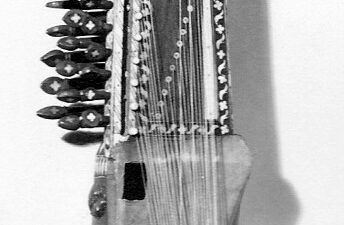
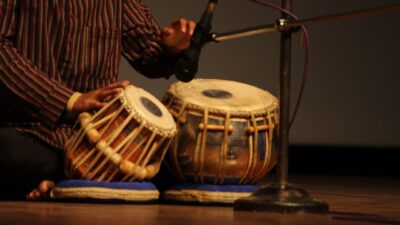
| वाद्य | Vocals · sarangi · tabla |
| भाव | Contemplative · भक्ति · उदास |
| लेबल | The Gramophone & Typewriter Ltd. |
| बोल-स्थिति | सार्वजनिक |
जुड़े हुए पन्ने
Connected Plates · The Graph Made Visibleअटलस में कोई पन्ना अकेला नहीं — इस गीत से जुड़े गीत, कलाकार, फ़िल्म, राग-ताल-विधा, सब यहाँ से खुलते हैं।
मिलते-जुलते गीत · Related Songs
कलाकार · The Artists
शास्त्र-सूत्र · Shastra Threads
युग · The Era
साझा कीजिए · Share this Plate