गीत विंग · गीत-पट्टिका · Song Plate
रस के भरे तोरे नैन — ठुमरी, राग भैरवी
Ras Ke Bhare Tore Nain — Thumri, Raag Bhairavi
गौहर जान की सबसे प्रसिद्ध ठुमरियों में से एक — भैरवी में प्रेमी की मदहोश नज़रों का चित्रण।
भावIntoxicating · Passionate · रोमांटिक
भाषाBraj Bhasha · Sanskrit
श्रेय
The Creditsबोल · The Lyrics
पूरे बोल · Full Lyrics
ब्रिज झर नई राधिका अब ब्रिज भुरत फेर
आजा साँवरिया तोहे गरवा लगा लूँ
रस के भरे तोरे नैन...
साँवरिया...
रस के भरे तोरे नैन...
जेही चितावत तेही बस करी रखत
नाहीं पड़े मन का चैन...
साँवरिया...
नाहीं पड़े मन का चैन...
आजा साँवरिया तोहे गरवा लगा लूँ
रस के भरे तोरे नैन...
(My name is Gauhar Jaan!)
Brij jhar nayi radhika ab brij bhurat pher
Aaja sawariya tohe garva laga lu
Ras ke bhare tore nain...
Sawariya...
Ras ke bhare tore nain...
Jehi chitawat tehi bas kari rakhat
Naahi padey man ka chain...
Sawariya...
Naahi padey man ka chain...
Aaja sawariya tohe garva laga lu
Ras ke bhare tore nain...
(My name is Gauhar Jaan!)
In Brij, a new Radhika now wanders, yearning for his return
Come, my dark beloved, let me hold you close
Your eyes are brimming with passion...
My beloved...
Your eyes are brimming with passion...
Whoever you gaze upon, you captivate and hold in your sway
My heart finds no peace...
My beloved...
My heart finds no peace...
Come, my dark beloved, let me hold you close
Your eyes are brimming with passion...
(My name is Gauhar Jaan!)
शब्दकोश
Word Meaningsसूत्र-वाक्य · The Hook
सूत्र-वाक्य
गौहर जान की सबसे प्रसिद्ध ठुमरियों में से एक — भैरवी में प्रेमी की मदहोश नज़रों का चित्रण।
In EnglishOne of Gauhar Jaan's most celebrated thumris — the intoxicating gaze of the beloved rendered in Bhairavi, cited by Wikipedia as among her most famous compositions.
पट्टिका-लेख
The Monographपरिचय Overview
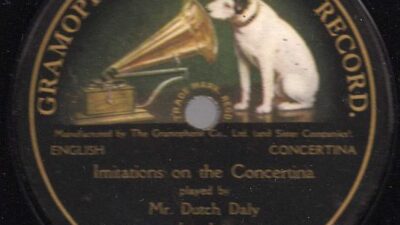
“रस के भरे तोरे नैन — ठुमरी, राग भैरवी” फ़िल्म Gramophone Company — First Indian Recordings (1902) का हिंदी गीत है। गायन गौहर जान का है, संगीत गौहर जान का है, और बोल गौहर जान (स्वरचित) ने लिखे हैं। यह राग Bhairavi पर आधारित है, Dadra ताल में निबद्ध, Hindustani Classical शैली का गीत। इसका प्रमुख भाव Romantic है, अवधि 03:15 है, और यह Gramophone Concert Record लेबल से जारी हुआ।
अंग्रेज़ी में पढ़ें · Read in English
“Ras Ke Bhare Tore Nain — Thumri, Raag Bhairavi” is a Hindi film song from Gramophone Company — First Indian Recordings (1902). Rendered by Gauhar Jaan, composed by Gauhar Jaan, with lyrics penned by Gauhar Jaan (self-composed). Musically it set in Raag Bhairavi, to the Dadra taal, in the Hindustani Classical idiom. Its prevailing mood is romantic, the recording runs 03:15, released on the gramophone concert record label.
संगीत The Music
राग भैरवी — ठुमरी का सर्वोत्कृष्ट राग — में सेट। रचना रोमांटिक नशे को व्यक्त करने के लिए भैरवी की भावनात्मक विस्तार का दोहन करती है।
अंग्रेज़ी में पढ़ें · Read in English
Set in Raag Bhairavi — the quintessential thumri raga. The composition exploits Bhairavi's emotional range for conveying romantic intoxication.
काव्य The Poetry
'रस' शब्द के कई अर्थ हैं — रस, अमृत, सार, जुनून, सौंदर्यात्मक आनंद। 'नैन' आँखों का ब्रज शब्द है। प्रेम/जुनून से भरी आँखों की कल्पना हिंदी-उर्दू रोमांटिक कविता के सबसे स्थायी बिंबों में से एक है।
अंग्रेज़ी में पढ़ें · Read in English
The word 'ras' carries multiple meanings — juice, nectar, essence, passion, aesthetic pleasure. 'Nain' (eyes) is the Braj word for eyes. The imagery of eyes brimming with love/passion is one of the most enduring tropes in Hindi-Urdu romantic poetry.
कहानी The Story
यह ठुमरी लखनऊ के उप-शास्त्रीय संगीत विद्यालय का हिस्सा है जिसमें गौहर जान ने महारत हासिल की। यह ठुमरी कविता में नायिका-भाव (नायिका की भावना) परंपरा का प्रतिनिधित्व करती है।
अंग्रेज़ी में पढ़ें · Read in English
This thumri is part of the Lucknow school of light classical music that Gauhar Jaan mastered. It represents the nayika-bhava (heroine's emotion) tradition in thumri poetry.
विरासत The Legacy
इस ठुमरी ने भारतीय संगीत इतिहास में सबसे उल्लेखनीय यात्राओं में से एक तय की है। 1900 के दशक की शुरुआत में गौहर जान द्वारा रचित, इसे जयदेव और शहरयार ने मुज़फ़्फ़र अली की फ़िल्म 'गमन' (1978) के लिए रूपांतरित किया, जिसे हीरा देवी मिश्रा ने मर्मस्पर्शी ढंग से गाया। इसने मीरा नायर की 'मानसून वेडिंग' (2001) के माध्यम से वैश्विक दर्शकों तक पहुँच बनाई। इसे लगभग हर प्रमुख ठुमरी कलाकार ने गाया है — सिद्धेश्वरी देवी, बेगम अख़्तर, गिरिजा देवी, रसूलन बाई, बरकत अली ख़ान, ज़ोहरा बाई अग्रेवाली। इलेक्ट्रॉनिक जोड़ी मिडिवल पंडित्ज़ ने अपने पहले एल्बम के लिए हीरा देवी के संस्करण को सैंपल किया। बहुत कम रचनाएँ 120+ वर्षों के निरंतर प्रदर्शन को समेटती हैं।
अंग्रेज़ी में पढ़ें · Read in English
This thumri has had one of the most remarkable journeys in Indian music history. Composed by Gauhar Jaan in the early 1900s, it was adapted by Jaidev and Shahryar for Muzaffar Ali's film Gaman (1978), sung hauntingly by Hira Devi Mishra. It reached global audiences through Mira Nair's Monsoon Wedding (2001). It has been rendered by virtually every major thumri artist — Siddheshwari Devi, Begum Akhtar, Girija Devi, Rasoolan Bai, Barkat Ali Khan, Zohra Bai Agrewali. The electronic duo Midival Punditz sampled Hira Devi's version for their debut album. Few compositions span 120+ years of continuous performance.
ऐतिहासिक महत्व Historical Significance
यह भैरवी ठुमरी गौहर जान की सभी रिकॉर्डिंग में शायद सबसे प्रसिद्ध है। 'रस के भरे तोरे नैन' (तुम्हारे नैन रस से भरे हैं) ठुमरी विधा की एक उत्कृष्ट कृति है।
अंग्रेज़ी में पढ़ें · Read in English
This Bhairavi thumri is perhaps the most well-known of all Gauhar Jaan's recordings and has been widely studied and covered. 'Ras Ke Bhare Tore Nain' (Your Eyes Are Full of Emotion/Nectar) is a masterpiece of the thumri genre, expressing romantic longing through the metaphor of eyes brimming with ras (emotional essence/nectar). The recording has been featured in multiple compilations and documentaries about early Indian music. The Archive of Indian Music's SoundCloud playlist includes a restored version of this recording. Music scholars have noted that this thumri demonstrates the Purab (Eastern) ang style of thumri singing that was characteristic of the Lucknow-Banaras tradition.
राग-विश्लेषण Raag Analysis
इस ठुमरी में गौहर जान लखनऊ-बनारस गलियारे की विशिष्ट पूरब अंग ठुमरी गायन शैली का प्रयोग करती हैं। भैरवी राग अधिकतम स्वर स्वतंत्रता प्रदान करता है — पाठ की भावनात्मक माँग के अनुसार हर स्वर अपने शुद्ध, कोमल या तीव्र रूप में प्रयोग किया जा सकता है। प्रमुख स्वर वाक्यांशों में भैरवी का विशिष्ट अवरोह (सा-नि-ध-प) और कोमल ग और रे के बीच मार्मिक दोलन शामिल हैं। रिकॉर्डिंग में गौहर जान की गमक (भारी दोलन), मुर्की (त्वरित अलंकरण), और लखनऊ घराने की विशिष्ट ज़मज़मा (एक स्वर की तीव्र पुनरावृत्ति) सुनाई देती है।
अंग्रेज़ी में पढ़ें · Read in English
In this thumri, Gauhar Jaan employs the Purab (Eastern) ang of thumri singing, characteristic of the Lucknow-Banaras corridor. The Bhairavi raag provides maximum melodic freedom — every note can be used in its natural, komal, or tivra form depending on the emotional demand of the text. Key phrases include the characteristic Bhairavi descent (Sa-Ni-Dha-Pa) and the poignant oscillation between komal Ga and Re. The recording captures Gauhar Jaan's use of gamak (heavy oscillation), murki (quick ornamental runs), and the distinctive zamzama (rapid repetition of a single note) that marks the Lucknow school.
वर्गीकरण
ClassificationGenre
अन्य विवरण
More Details- Archive of Indian Music
- Bajakhana - Early Sound Recordings
- Google Arts & Culture - Pioneering Musicians
- Ras Ke Bhare Tore Nain - The Journey of a Thumri
- Scroll.in - Begum Akhtar, Gauhar Jaan and other greats sing this thumri
- Archive of Indian Music - SoundCloud
References
रोचक तथ्य
Margin Notesइस संदर्भ में 'रस' का अर्थ 'सौंदर्यात्मक सार' या 'अमृत' है — प्राचीन नाट्यशास्त्र में वर्णित नौ रसों (भावनाओं) में से एक, जो भारतीय प्रदर्शन कला का आधारभूत ग्रंथ है।
अंग्रेज़ी में पढ़ें · Read in English
'Ras' in this context means 'aesthetic essence' or 'nectar' — one of the nine rasas (emotions) described in the ancient Natyashastra, the foundational text of Indian performing arts.
इस ठुमरी को पिछली शताब्दी में कम से कम 15 प्रमुख कलाकारों ने गाया है, जिनमें बेगम अख़्तर, शोभा गुर्टू, गिरिजा देवी और आशा भोसले शामिल हैं।
अंग्रेज़ी में पढ़ें · Read in English
This thumri has been covered by at least 15 major artists over the past century, including Begum Akhtar, Shobha Gurtu, Girija Devi, and Asha Bhosle.
गौहर जान के संस्करण को 'मूल रिकॉर्डिंग' माना जाता है — वह निश्चायक व्याख्या जिसके विरुद्ध सभी बाद के संस्करणों को मापा जाता है।
अंग्रेज़ी में पढ़ें · Read in English
Gauhar Jaan's version is considered the 'ur-recording' — the original definitive interpretation against which all subsequent versions are measured.
आर्काइव ऑफ़ इंडियन म्यूज़िक का इस रिकॉर्डिंग का पुनर्स्थापित संस्करण साउंडक्लाउड पर उनके सबसे अधिक बजाए जाने वाले ट्रैक में से एक है, जो गीत की स्थायी अपील को दर्शाता है।
अंग्रेज़ी में पढ़ें · Read in English
The Archive of Indian Music's restored version of this recording is one of their most-played tracks on SoundCloud, demonstrating the song's enduring appeal.
लखनऊ ठुमरी परंपरा में गायक 'बोल-बनाव' तकनीक का उपयोग करता है — पाठ के प्रत्येक शब्द को लेकर छिपी भावनात्मक परतों को प्रकट करने के लिए कई स्वर व्याख्याओं की खोज करता है।
अंग्रेज़ी में पढ़ें · Read in English
In the Lucknow thumri tradition, the singer uses 'bol-banao' technique — taking each word of the text and exploring multiple melodic interpretations to reveal hidden emotional layers.
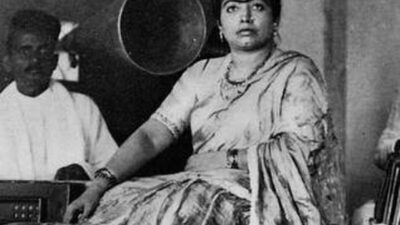
1902 की रिकॉर्डिंग प्रौद्योगिकी ने ध्वनिक हॉर्न (कोई माइक्रोफ़ोन नहीं) का उपयोग किया — कलाकार को सीधे एक बड़े शंकु में गाना होता था जो कंपन को मोम की डिस्क पर काटने वाली सुई तक पहुँचाता था।
अंग्रेज़ी में पढ़ें · Read in English
The recording technology of 1902 used an acoustic horn (no microphones) — the artist had to sing directly into a large cone that funneled vibrations to a cutting stylus on a wax disc.
विक्रम संपत (द प्रिंट) पुष्टि करते हैं कि यह गौहर जान की अपनी रचना है — "वे अपने जीवन की व्यथा को करुण राग भैरवी में अपनी ही रचना में उड़ेल देती हैं।"
अंग्रेज़ी में पढ़ें · Read in English
Vikram Sampath (ThePrint) confirms this is Gauhar Jaan's OWN composition — 'She pours the angst of her life in her own composition in the plaintive Raga Bhairavi'.
इस बंदिश के बोल में "गौहर" नाम शामिल है — रचनाकारों द्वारा शास्त्रीय रचनाओं में अपनी पहचान अंकित करने की एक पारंपरिक शैली।
अंग्रेज़ी में पढ़ें · Read in English
The bandish text contains the name 'Gauhar', a traditional way for composers to embed their signature in classical compositions.
इस ठुमरी को संगीत निर्देशक जयदेव ने 1978 की फिल्म गमन के लिए रूपांतरित किया, जिसके बोल कवि शहरयार ने संशोधित किए।
अंग्रेज़ी में पढ़ें · Read in English
This thumri was adapted for the 1978 film Gaman by music director Jaidev, with lyrics modified by poet Shahryar.
मीरा नायर की गोल्डन लायन विजेता फिल्म मॉनसून वेडिंग (2001) ने इस ठुमरी को वैश्विक दर्शकों तक पहुँचाया।
अंग्रेज़ी में पढ़ें · Read in English
Mira Nair's Golden Lion-winning film Monsoon Wedding (2001) brought this thumri to global audiences.
संस्करण और कवर
Covers & Versions| कलाकार | वर्ष | विवरण |
|---|---|---|
| Begum Akhtar | 1955 | Perhaps the most famous version after Gauhar Jaan's — Begum Akhtar made this thumri her signature piece |
| Shobha Gurtu | 1980 | Shobha Gurtu's version added Mumbai's cosmopolitan musical sensibility |
| Girija Devi | 1975 | Girija Devi's Banaras gharana interpretation emphasized the Purab ang |
| Asha Bhosle | 1990 | Asha Bhosle recorded a film-influenced version, introducing the thumri to a wider audience |
| Rashid Khan | 2005 | Male vocal interpretation bringing khayal sensibility to the thumri |
| Hira Devi Mishra | 1978 | Music: Jaidev. Lyrics adapted by Shahryar. Featured in Muzaffar Ali's film Gaman. |
| Hira Devi Mishra (Gaman version reused) | 2001 | Mira Nair used the Gaman version in her Golden Lion-winning film Monsoon Wedding. |
| Shruti Sadolikar | 1986 |
नमूना-पट्टी
The Specimen Table| शीर्षक | रस के भरे तोरे नैन — ठुमरी, राग भैरवी · Ras Ke Bhare Tore Nain — Thumri, Raag Bhairavi |
|---|---|
| वर्ष · युग | 1902 — Gramophone Era |
| गायक | Gauhar Jaan |
| गीतकार | गौहर जान (स्वरचित) |
| संगीतकार | गौहर जान |
| राग | Bhairavi |
| ताल | {"name":"Dadra (most likely)","taal_id":"taal-dadra","beats":6,"notes":"Scroll.in musicology analysis states: 'Though the tabla on this recording is barely audible, it appears that Gauhar Jan has chosen the six-matra Dadra taal.' Other artists performed this thumri in Keherwa (8, Siddheshwari Devi) and Deepchandi (14, Barkat Ali Khan)."} |
| अवधि | 03:15 |
| भाषा | Braj Bhasha · Sanskrit |
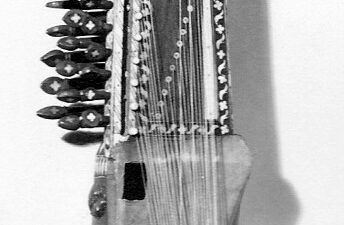
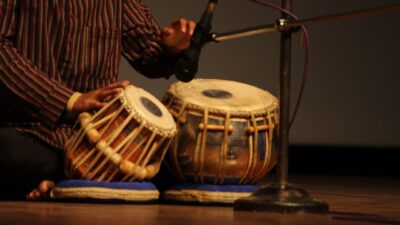
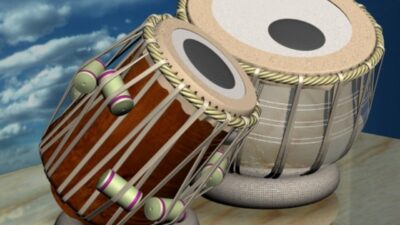
| वाद्य | Vocals · sarangi · tabla · tanpura |
| भाव | Intoxicating · Passionate · रोमांटिक |
| लेबल | Gramophone Concert Record |
| बोल-स्थिति | सार्वजनिक |
जुड़े हुए पन्ने
Connected Plates · The Graph Made Visibleअटलस में कोई पन्ना अकेला नहीं — इस गीत से जुड़े गीत, कलाकार, फ़िल्म, राग-ताल-विधा, सब यहाँ से खुलते हैं।
मिलते-जुलते गीत · Related Songs
कलाकार · The Artists
शास्त्र-सूत्र · Shastra Threads
युग · The Era
साझा कीजिए · Share this Plate