गीत विंग · गीत-पट्टिका · Song Plate
राधे कृष्ण बोल मुख से — भजन
Radhey Krishna Bol Mukhse — Bhajan
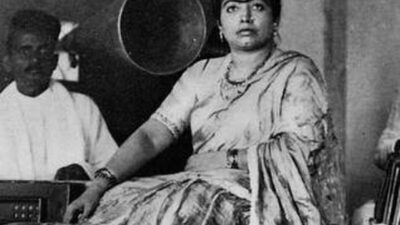
गौहर जान द्वारा कृष्ण भक्ति भजन — उल्लेखनीय क्योंकि उन्होंने, अर्मेनियाई-ईसाई परिवार में जन्मी और इस्लाम अपनाने वाली, हिंदू भक्ति संगीत में समान महारत दिखाई।
भावभक्ति · Serene · Uplifting
भाषाBraj Bhasha · Sanskrit
श्रेय
The Creditsबोल · The Lyrics
पूरे बोल · Full Lyrics
शब्दकोश
Word Meaningsसूत्र-वाक्य · The Hook
सूत्र-वाक्य
गौहर जान द्वारा कृष्ण भक्ति भजन — उल्लेखनीय क्योंकि उन्होंने, अर्मेनियाई-ईसाई परिवार में जन्मी और इस्लाम अपनाने वाली, हिंदू भक्ति संगीत में समान महारत दिखाई।
In EnglishA Krishna devotional bhajan by Gauhar Jaan — remarkable because she, born Armenian-Christian and converted to Islam, sang Hindu devotional music with equal mastery.
पट्टिका-लेख
The Monographपरिचय Overview
“राधे कृष्ण बोल मुख से — भजन” फ़िल्म Gramophone Company — First Indian Recordings (1902) का हिंदी गीत है। इसे गौहर जान ने स्वर दिया है, संगीत गौहर जान का है, और बोल पारंपरिक भजन ने लिखे हैं। Devotional शैली का गीत। इसका प्रमुख भाव Devotional है, और यह The Gramophone & Typewriter Ltd. लेबल से जारी हुआ।
अंग्रेज़ी में पढ़ें · Read in English
“Radhey Krishna Bol Mukhse — Bhajan” is a Hindi film song from Gramophone Company — First Indian Recordings (1902). It is sung by Gauhar Jaan, composed by Gauhar Jaan, with lyrics penned by Traditional Bhajan. Musically it is in the Devotional idiom. Its prevailing mood is devotional, released on the the gramophone & typewriter ltd. label.
संगीत The Music
यह भजन संभवतः भक्ति गायन के लिए उपयुक्त एक सरल स्वर ढाँचे का उपयोग करता है, शायद भैरवी या भीमपलासी जैसे राग में।
अंग्रेज़ी में पढ़ें · Read in English
This bhajan likely uses a simple melodic framework suited to devotional singing, possibly in a raga like Bhairavi or Bhimpalasi.
काव्य The Poetry
पाठ एक सीधा भक्तिमय आह्वान है — श्रोता से राधा और कृष्ण के नाम जपने का आग्रह करता है। 'बोल मुखसे' का अर्थ है 'अपने मुख से बोलो' — 'नाम जप' (दिव्य नामों की पुनरावृत्ति) के अभ्यास पर ज़ोर देते हुए।
अंग्रेज़ी में पढ़ें · Read in English
The text is a straightforward devotional exhortation — urging the listener to chant the names of Radha and Krishna. 'Bol mukhse' means 'speak from your mouth' — emphasizing the practice of 'naam japa' (repetition of divine names).
कहानी The Story
गौहर जान ने चरण दास से बंगाली कीर्तन सीखा, जो दर्शाता है कि उनका प्रशिक्षण वास्तव में धार्मिक सीमाओं से परे था।
अंग्रेज़ी में पढ़ें · Read in English
Gauhar Jaan learned Bengali Kirtan from Charan Das, showing that her training was genuinely ecumenical across religious traditions.
विरासत The Legacy
यह भजन भारतीय संगीत की समन्वयवादी परंपरा का प्रतिनिधित्व करता है जहाँ कलाकारों ने कला के माध्यम से धार्मिक सीमाओं को पार किया।
अंग्रेज़ी में पढ़ें · Read in English
This bhajan represents the syncretic tradition of Indian music where artists transcended religious boundaries through art.
ऐतिहासिक महत्व Historical Significance
यह भजन रिकॉर्डिंग 20वीं सदी की शुरुआत में भारतीय संगीत संस्कृति के उल्लेखनीय धार्मिक बहुलवाद का ऐतिहासिक प्रमाण है। ईसाई जन्मी, इस्लाम में धर्मांतरित गौहर जान ने हिंदू भक्ति संगीत को उसी प्रामाणिकता और भक्ति से प्रस्तुत किया।
अंग्रेज़ी में पढ़ें · Read in English
This bhajan recording is historically significant as evidence of the remarkable religious pluralism of early 20th century Indian musical culture. Gauhar Jaan, born Christian, converted to Islam, yet performed Hindu devotional music with the same authenticity and devotion she brought to Urdu ghazals and Hindustani classical compositions. This was not unusual for the tawaif tradition u2014 these professional musicians were trained in all forms of North Indian music regardless of the religious origin of the genre. The bhajan tradition of addressing Radha-Krishna is particularly notable because it draws on the Bhakti movement's concept of divine love as expressed through romantic longing u2014 a concept that parallels the Sufi tradition of ishq-e-haqeeqi (love of the Divine).
राग-विश्लेषण Raag Analysis
भजन आमतौर पर सांप्रदायिक गायन के लिए उपयुक्त सरल, सुलभ स्वर ढाँचों का उपयोग करते हैं। यह रिकॉर्डिंग संभवतः बिलावल या खमाज थाट के किसी राग का प्रयोग करती है — ऐसे राग जो उत्तर भारतीय परंपरा में भक्ति संगीत से जुड़े हैं। भजन विधा शास्त्रीय रूपों की विस्तृत अलंकरण की तुलना में पाठ स्पष्टता और भावनात्मक प्रत्यक्षता को प्राथमिकता देती है, हालाँकि गौहर जान जैसी प्रशिक्षित गायिका स्वाभाविक रूप से अपने शास्त्रीय प्रशिक्षण के तत्वों को प्रस्तुति में लाती होंगी।
अंग्रेज़ी में पढ़ें · Read in English
Bhajans typically use simple, accessible melodic frameworks suitable for congregational singing. This recording likely employs a raag from the Bilawal or Khamaj thaat — raags associated with devotional music in the North Indian tradition. The bhajan genre prioritizes textual clarity and emotional directness over the elaborate ornamentation of classical forms, though a trained vocalist like Gauhar Jaan would naturally bring elements of her classical training to the performance.
वर्गीकरण
ClassificationGenre
अन्य विवरण
More Details- Archive of Indian Music
- Bajakhana - Early Sound Recordings
- Google Arts & Culture - Pioneering Musicians
References
रोचक तथ्य
Margin Notesगौहर जान का जन्म एक ईसाई-आर्मीनियाई परिवार में हुआ था लेकिन उन्होंने इस्लाम अपनाया, फिर भी उन्होंने समान प्रामाणिकता के साथ हिंदू भक्ति संगीत गाया — भारत की समन्वयवादी संगीत परंपरा का प्रतीक।
अंग्रेज़ी में पढ़ें · Read in English
Gauhar Jaan was born to a Christian-Armenian family but converted to Islam, yet she performed Hindu devotional music with equal authenticity — embodying India's syncretic musical tradition.
उन्होंने चरण दास से बंगाली कीर्तन सीखा, जो एक हिंदू भक्ति संगीत गुरु थे — यह दर्शाता है कि उनकी संगीत शिक्षा धार्मिक सीमाओं से परे थी।
अंग्रेज़ी में पढ़ें · Read in English
She learned Bengali Kirtan from Charan Das, a Hindu devotional music master — showing that her musical education transcended religious boundaries.
भक्ति संगीत में राधा-कृष्ण परंपरा रोमांटिक प्रेम को आत्मा की परमात्मा के लिए तड़प के रूपक के तौर पर प्रयोग करती है — एक अवधारणा जो हिंदू धर्म, सूफ़ीवाद और भक्ति आंदोलनों में साझा है।
अंग्रेज़ी में पढ़ें · Read in English
The Radha-Krishna tradition in devotional music uses romantic love as a metaphor for the soul's longing for the divine — a concept shared across Hinduism, Sufism, and Bhakti movements.
यह भजन संभवतः कृष्ण भक्ति की लोकप्रिय मीरा बाई परंपरा का उपयोग करता है, जहाँ भक्त कृष्ण से प्रिय की अंतरंगता से बात करती हैं।
अंग्रेज़ी में पढ़ें · Read in English
This bhajan likely uses the popular Meera Bai tradition of Krishna devotion, where the devotee speaks to Krishna with the intimacy of a beloved.
उसी सत्र में ग़ज़लों और ठुमरियों के साथ हिंदू भजन रिकॉर्ड करना 20वीं सदी की शुरुआत के कलकत्ता की विश्वव्यापी, बहुलतावादी संस्कृति को दर्शाता है।
अंग्रेज़ी में पढ़ें · Read in English
Recording a Hindu bhajan alongside ghazals and thumris in the same session reflects the cosmopolitan, pluralistic culture of early 20th century Calcutta.
विकिपीडिया द्वारा इसे गौहर जान के सबसे प्रसिद्ध भजनों में से एक के रूप में सूचीबद्ध किया गया है।
अंग्रेज़ी में पढ़ें · Read in English
Listed by Wikipedia as one of Gauhar Jaan's most famous bhajans.
गौहर जान — जो ईसाई धर्म में जन्मीं और बाद में इस्लाम धर्म अपनाया — का हिंदू भजन गाना भारत की समन्वयवादी संगीत परंपरा का उदाहरण है।
अंग्रेज़ी में पढ़ें · Read in English
Gauhar Jaan — born Christian, converted to Islam — singing Hindu bhajans exemplifies India's syncretic musical tradition.
उन्होंने हिंदुस्तानी शास्त्रीय संगीत की तालीम के साथ-साथ चरण दास से बंगाली कीर्तन भी सीखा।
अंग्रेज़ी में पढ़ें · Read in English
She learned Bengali Kirtan from Charan Das alongside her training in Hindustani classical music.
यह भजन जिस "नाम जप" (ईश्वर के नामों के जाप) की प्रथा का समर्थन करता है, वह भक्ति परंपराओं का केंद्रीय तत्व है।
अंग्रेज़ी में पढ़ें · Read in English
The practice of 'naam japa' (chanting divine names) that this bhajan advocates is central to Bhakti traditions.
नमूना-पट्टी
The Specimen Table| शीर्षक | राधे कृष्ण बोल मुख से — भजन · Radhey Krishna Bol Mukhse — Bhajan |
|---|---|
| वर्ष · युग | 1902 — Gramophone Era |
| गायक | Gauhar Jaan |
| गीतकार | पारंपरिक भजन |
| संगीतकार | गौहर जान |
| भाषा | Braj Bhasha · Sanskrit |
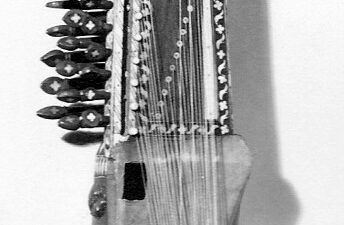
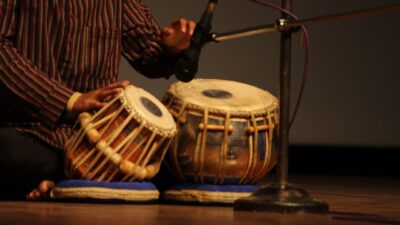
| वाद्य | Vocals · sarangi · tabla |
| भाव | भक्ति · Serene · Uplifting |
| लेबल | The Gramophone & Typewriter Ltd. |
| बोल-स्थिति | सार्वजनिक |
जुड़े हुए पन्ने
Connected Plates · The Graph Made Visibleअटलस में कोई पन्ना अकेला नहीं — इस गीत से जुड़े गीत, कलाकार, फ़िल्म, राग-ताल-विधा, सब यहाँ से खुलते हैं।
मिलते-जुलते गीत · Related Songs
कलाकार · The Artists
युग · The Era
साझा कीजिए · Share this Plate