कहानियाँ विंग · कहानी · Artist Biography
गौहर जान अपने शिखर पर: विश्व की सबसे दर्ज कलाकार अपने शीर्ष पर पहुँचीं
Gauhar Jaan at the Summit: The Most Recorded Artist in the World Reaches Her Zenith
1905 तक, गौहर जान विश्व की पहली वैश्विक रिकॉर्डिंग सुपरस्टार बन गई थीं, विशाल धन अर्जित किया था और भारत में महिला संगीतकार होने का अर्थ पुनर्परिभाषित किया था
प्रकाशित31 March 2026 पाठ१० मिनट का पाठ
आमुख
प्रभुत्व के संख्या
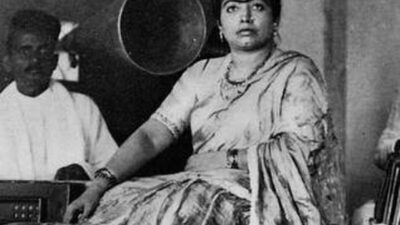
The Numbers of Dominance1905 तक, गौहर जान ने लगभग 250 गीतों को रिकॉर्ड किया था — एक भारी संख्या जिसे दशकों के लिए किसी भी भारतीय रिकॉर्डिंग कलाकार द्वारा पार नहीं किया जाएगा। इसे संदर्भ में रखने के लिए: 1900 में अधिकांश शास्त्रीय संगीतकार अपने पूरे पेशेवर जीवनकाल में 50-100 रचनाएँ प्रदर्शन कर सकते हैं। गौहर जान ने केवल तीन वर्षों में उस संख्या का पाँच गुना रिकॉर्ड किया था। निकटतम प्रतिद्वंद्वी शायद 60-70 रिकॉर्डिंग के साथ ज़ोहरा बाई था। पीरा साहब जैसे पुरुष गायक, बढ़ती अवसरों के बावजूद, 1905 तक केवल 20-30 गीत रिकॉर्ड किए थे। ये रिकॉर्डिंग एक आश्चर्यजनक रेंज में फैली हुई थीं। गौहर जान के 1905 संग्रह में शामिल थे: • विभिन्न रागों में ख़याल के टुकड़े (भैरव, सरंग मल्हार, भैरवी, यमन, काफ़ी, देश, मल्कौन्स, और बहुत कुछ) • धीमी और तेज़ दोनों गति में ग़ज़लें • दादरा और ठुमरी (अधिक अंतरंग, छेड़छाड़ वाले रूप) • कजरी और अन्य मौसमी गीत • भक्ति संगीत और भजन • थिएटर प्रदर्शन से ओपेरैटिक टुकड़े • रिकॉर्डिंग के लिए विशेष रूप से संगीतबद्ध टुकड़े और भी अधिक उल्लेखनीय, रिकॉर्डिंग सामंजस्यपूर्ण उच्च गुणवत्ता प्रदर्शित करती हैं। बाद के इतिहासकार गौहर जान की कई रिकॉर्डिंग में प्रदर्शन की सामंजस्य पर अचंभित होंगे — उनके इंटोनेशन की सामंजस्य, उनके तकनीकी नियंत्रण, उनकी व्याख्यात्मक गहराई। यह भाग्य नहीं था या सर्वश्रेष्ठ रिकॉर्डिंग चुनने का परिणाम। यह संगीत में उनके मौलिक कौशल को दर्शाता है। वह रिकॉर्डिंग स्टूडियो में जा सकती थीं, एक टुकड़ा गा सकती थीं जो वह महीने या साल पहले सीखी हो सकती थीं, और स्थायी मूल्य का एक प्रदर्शन तैयार कर सकती थीं। इस तरह की विश्वसनीय उत्कृष्टता दशकों बाद व्यापक तकनीकी समर्थन और कई लेने के साथ बनाई गई रिकॉर्डिंग में भी दुर्लभ है। रिकॉर्डिंग कलाकार के रूप में गौहर जान का प्रभुत्व निर्विवाद था। 1905 में, वह शाब्दिक रूप से दुनिया का सबसे अधिक रिकॉर्ड किया गया प्रदर्शनकारी था — मिलान में ओपेरा गायकों की तुलना में अधिक रिकॉर्ड किया गया, विएना में शास्त्रीय पियानोवादियों की तुलना में अधिक रिकॉर्ड किया गया, ग्रह पर किसी अन्य संगीत कलाकार की तुलना में अधिक रिकॉर्ड किया गया। यह तथ्य अकेले — कि एक 32 साल की महिला इंग्लैंड में पैदा हुई लेकिन कलकत्ता में काम कर रहीं दुनिया की सबसे अधिक रिकॉर्ड की गई कलाकार बन गई थीं — उनकी असाधारण प्रतिभा और भारत के रिकॉर्डिंग उद्योग के विस्फोटक विकास के बारे में बोलता है।
अंग्रेज़ी में पढ़ें · Read in English
By 1905, Gauhar Jaan had recorded approximately 250 songs — a staggering number that would not be surpassed by any Indian recording artist for decades. To put this in context: most classical musicians in the 1900s might perform 50-100 compositions in their entire professional lifetime. Gauhar Jaan had recorded five times that number in just three years. The nearest competitor was Zohra Bai with perhaps 60-70 recordings. Male vocalists like Peara Saheb, despite increasing opportunities, had recorded only 20-30 songs by 1905.
These recordings spanned an astonishing range. Gauhar Jaan's 1905 catalog included:
- Khayal pieces in various raags (Bhairav, Sarang Malhar, Bhairavi, Yaman, Kafi, Desh, Malkauns, and more)
- Ghazals in both slow and fast tempos
- Dadra and Thumri (more intimate, flirtatious forms)
- Kajri and other seasonal songs
- Devotional music and Bhajans
- Operatic pieces from theatrical performances
- Concert pieces specifically composed for recording
More remarkably, the recordings showed consistent high quality. Later historians would marvel at the consistency of Gauhar Jaan's performances across so many recordings — the consistency of her intonation, her technical control, her interpretive depth. This wasn't luck or the result of cherry-picking the best recordings. It reflected her fundamental mastery of the music. She could walk into a recording studio, sing a piece she might have learned months or years earlier, and produce a performance of permanent value. This kind of reliable excellence is rare even in recordings made decades later with extensive technical support and multiple takes.
Gauhar Jaan's dominance as a recording artist was unquestionable. In 1905, she was literally the most recorded performer in the world — more recorded than opera singers in Milan, more recorded than classical pianists in Vienna, more recorded than any other musical artist on the planet. This fact alone — that a 32-year-old woman born in England but working in Calcutta had become the world's most recorded artist — speaks to her extraordinary talent and to the explosive growth of India's recording industry.
सुपरस्टारडम की अर्थशास्त्र
The Economics of Superstardomगौहर जान की 1905 की रिकॉर्डिंग गतिविधि के सीधे वित्तीय परिणाम थे। रूढ़िवादी अनुमान सुझाते हैं कि वह 1905 में अकेले रु. 50,000 और रु. 100,000 के बीच कमाई करती थीं — एक आय जो उन्हें अपने समय के सबसे अमीर भारतीयों में रखती थी। तुलना के लिए, एक सफल व्यापारी रु. 20,000-30,000 प्रति वर्ष कमा सकता है। भारत में एक वरिष्ठ ब्रिटिश प्रशासक रु. 15,000-25,000 प्रति वर्ष कमाता था। गौहर जान, भारत के बाहर जन्मी मिश्रित वंशावली की महिला, भारतीय पेशेवरों के विशाल बहुमत की तुलना में अमीर बन गई थीं। यह धन मेहनत से अर्जित और सावधानीपूर्वक प्रबंधित था। गौहर जान ने संपत्ति में निवेश किया, कई शहरों में अपने स्वयं के निवास का मालिक था (कलकत्ता, बेंगलुरु, दिल्ली), नौकरों और कर्मचारियों को नियुक्त किया, और विस्तारित परिवार के सदस्यों का समर्थन किया। उन्होंने अपने लाइव प्रदर्शन करियर को भी जारी रखा, निजी संगीत समारोह और महफिलों (अंतरंग संगीत सभाएँ) के लिए भारी शुल्क की माँग की। एक अमीर ज़मींदार (मालिक) के घर में एक एकल महफिल उन्हें रु. 1,000-3,000 कमा सकती थी। महीने में कई प्रदर्शन के साथ, उनकी लाइव कमाई ने उनकी रिकॉर्डिंग आय को पूरक किया। क्या उल्लेखनीय है कि गौहर जान ने विस्तृत रिकॉर्ड रखे। उनके जीवनचरित्रकारों ने खाता पुस्तकें पाई हैं जहाँ उन्होंने सावधानीपूर्वक आय और व्यय को ट्रैक किया। यह अचानक धन से अभिभूत किसी की अराजक लेखांकन नहीं थी — यह व्यवस्थित धन प्रबंधन था। वह समझती थीं, दशकों पहले ऐसी भाषा सामान्य हो गई, कि वह एक ब्रांड, एक संपत्ति, एक व्यावसायिक उद्यम थीं। उन्होंने आधुनिक व्यावसायिक रणनीतिकार की सूझबूझ के साथ अपने करियर को प्रबंधित किया। इसके अलावा, गौहर जान ने सांस्कृतिक उद्देश्यों के लिए अपनी संपत्ति का उपयोग किया। उन्होंने युवा संगीतकारों को संरक्षण दिया, संगीत समारोहों को प्रायोजित किया, और संगीत संस्कृति के बुनियादी ढाँचे में निवेश किया। वह केवल संपत्ति को अपने लिए जमा नहीं कर रहीं — वह अपनी आर्थिक शक्ति का उपयोग उन संगीत परंपराओं को मजबूत करने के लिए कर रहीं जिन्हें उन्होंने महारत हासिल की थीं। सांस्कृतिक संरक्षण के लिए यह उद्यमशील दृष्टिकोण आधुनिक सांस्कृतिक उद्यमिता को दशकों से आगे बढ़ाता है।
अंग्रेज़ी में पढ़ें · Read in English
Gauhar Jaan's recording activity in 1905 had direct financial consequences. Conservative estimates suggest she earned between Rs. 50,000 and Rs. 100,000 in 1905 alone — an income that placed her among the wealthiest Indians of her time. By comparison, a successful merchant might earn Rs. 20,000-30,000 per year. A senior British administrator in India earned Rs. 15,000-25,000 per year. Gauhar Jaan, a woman of mixed ancestry born outside of India, had become wealthier than the vast majority of Indian professionals.
This wealth was hard-earned and carefully managed. Gauhar Jaan invested in property, owned her own residences in multiple cities (Calcutta, Bangalore, Delhi), employed servants and staff, and supported extended family members. She also continued her live performance career, commanding substantial fees for private concerts and mehfils (intimate musical gatherings). A single mehfil at a wealthy zamindar's (landlord's) house could earn her Rs. 1,000-3,000. With multiple performances per month, her live earnings complemented her recording income.
What's remarkable is that Gauhar Jaan kept detailed records. Her biographers have found account books where she meticulously tracked income and expenses. This wasn't the chaotic accounting of someone overwhelmed by sudden wealth — it was systematic wealth management. She understood, decades before such language became common, that she was a brand, an asset, a business enterprise. She managed her career with the acumen of a modern business strategist.
Moreover, Gauhar Jaan used her wealth for cultural purposes. She patronized young musicians, sponsored musical events, and invested in the infrastructure of musical culture. She wasn't simply accumulating wealth for its own sake — she was using her economic power to strengthen the musical traditions she had mastered. This entrepreneurial approach to cultural preservation presaged modern cultural entrepreneurship by decades.
शिखर पर कलात्मक स्वतंत्रता
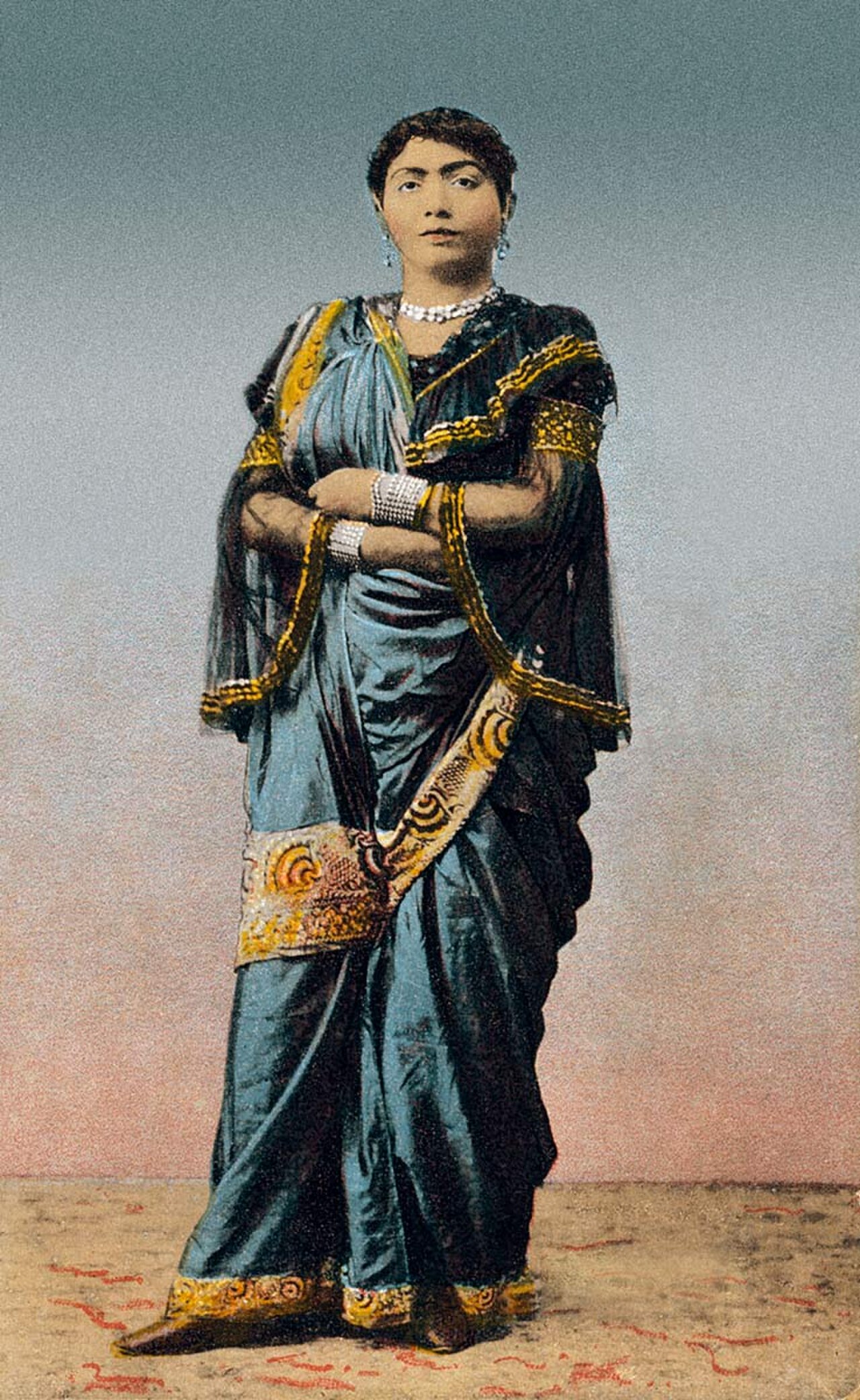
Artistic Freedom at the Peak1905 तक, गौहर जान की कलात्मक प्राधिकार निर्विवाद था। रिकॉर्ड लेबल चाहता था उसे क्योंकि वह रिकॉर्ड बेचती थीं। लेकिन उसके पास कलात्मक स्वतंत्रता की माँग करने की शक्ति भी थी जो युवा या कम स्थापित कलाकारों के पास नहीं थी। समकालीन खातों से पता चलता है कि 1905 तक, वह अक्सर क्या टुकड़े रिकॉर्ड करने के बारे में सलाह दी जाती थी। वह राग का सुझाव दे सकती थीं जो उसे दिलचस्प लगे, शैलियाँ जो उसकी क्षमताओं को प्रदर्शित करें, सहयोगी जिनके साथ वह काम करना चाहती थीं। इस कलात्मक स्वायत्तता के रिकॉर्डिंग की गुणवत्ता पर गहरे प्रभाव थे। गौहर जान को वाणिज्यिक टुकड़ों को रिकॉर्ड करने के लिए मजबूर होने के बजाय जो लेबल सोचता था वह बेचेगा, गौहर जान उन टुकड़ों को रिकॉर्ड करने पर जोर दे सकती थीं जो उसे संगीतात्मक या कलात्मक रूप से दिलचस्प लगते थे। उदाहरण के लिए, सरंग मल्हार की उनकी 1905 की रिकॉर्डिंग एक जटिल मानसून राग की उनकी खोज को प्रदर्शित करती है — एक विकल्प जो कलात्मक रूप से जोखिमपूर्ण था (मानसून राग कठिन हैं और व्यावसायिक सफलता की गारंटी नहीं हैं) लेकिन जो उनकी कलात्मक जिज्ञासा को संतुष्ट करता था। रिकॉर्डिंग शानदार है ठीक क्योंकि यह पूर्ण कलात्मक स्वतंत्रता और पूर्ण तकनीकी आदेश के साथ बनाई गई थी। यह स्वतंत्रता उसके सहयोगियों की पसंद तक भी विस्तृत थी। लाइव प्रदर्शन में, वह हमेशा अपनी पसंद के संगत के साथ काम करती थीं — तबला खिलाड़ी, सितार खिलाड़ी, सारंगी खिलाड़ी। स्टूडियो में, वह समान स्वायत्तता पर जोर दे सकती थीं। उनकी 1905 की रिकॉर्डिंग कई संगत की कार्य दिखाती हैं, यह सुझाव देते हुए कि उसके पास इस बारे में इनपुट था कि उसके साथ कौन खेल गया और रिकॉर्डिंग कैसे संरचित थी। इसके अलावा, उनकी चोटी की स्थिति उन्हें नवाचार करने की अनुमति दी। वह नई चीज़ें आजमा सकती थीं, व्याख्याओं के साथ प्रयोग कर सकती थीं, यहाँ तक कि संगीतकारों से टुकड़ों को कमीशन कर सकती थीं। उनकी कुछ 1905 की रिकॉर्डिंग विशेष रूप से उल्लेखनीय संगीतकारों द्वारा लिखी गई रचनाएँ दिखाती हैं, कलाकार और लेबल के बीच एक साधारण विक्रेता-ग्राहक गतिविधि के बजाय एक सहयोगी रचनात्मक संबंध का सुझाव देती हैं।
अंग्रेज़ी में पढ़ें · Read in English
By 1905, Gauhar Jaan's artistic authority was unquestionable. Record labels wanted her because she sold records. But she also had the power to demand artistic freedom in a way that younger or less established artists did not. Contemporary accounts suggest that by 1905, she was often consulted about what pieces to record. She could suggest raags that interest her, styles that showcase her abilities, collaborators she wanted to work with.
This artistic autonomy had profound effects on the quality of the recordings. Rather than being forced to record commercial pieces that the label thought would sell, Gauhar Jaan could insist on recording pieces that interested her musically or artistically. Her 1905 recordings of Sarang Malhar, for instance, showcase her exploration of a complex monsoon raag — a choice that was artistically risky (monsoon raags are difficult and not guaranteed commercial success) but that satisfied her artistic curiosity. The recording is magnificent precisely because it was made with full artistic freedom and full technical command.
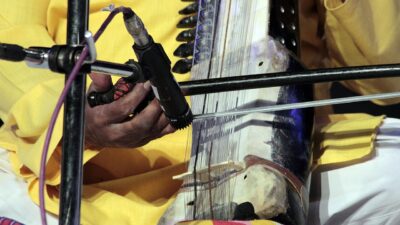
This freedom also extended to her choice of collaborators. In live performance, she had always worked with accompanists of her choosing — tabla players, sitar players, saarangi players. In the studio, she could insist on similar autonomy. Her recordings from 1905 show the work of multiple accompanists, suggesting that she had input into who played with her and how the recording was structured.
Moreover, her peak status allowed her to innovate. She could try new things, experiment with interpretations, even commission pieces from composers. Some of her 1905 recordings feature compositions specifically written for her by notable composers, suggesting a collaborative creative relationship rather than a simple vendor-client dynamic between artist and label.
तकनीक और गहराई की विजय
The Triumph of Technique and Depthगौहर जान की 1905 की रिकॉर्डिंग के बारे में सबसे अधिक उल्लेखनीय बात भावनात्मक गहराई के साथ संयुक्त उनकी तकनीकी आदेश है। ये अपने आप के लिए किए गए वर्चुओसिक प्रदर्शन नहीं हैं, न ही वे भावनात्मक रूप से कच्चे प्रदर्शन हैं जो संरचना या नियंत्रण की कमी है। इसके बजाय, वे एक निखरी संश्लेषण का प्रतिनिधित्व करते हैं: एक प्रदर्शनकारी जिसने पूर्ण तकनीकी कौशल प्राप्त किया है उस कौशल का उपयोग भावनात्मक सत्य तक पहुँचने के लिए। उसकी भैरव ख़याल पर विचार करें, 1905 की शुरुआत में रिकॉर्ड किया गया। राग भैरव प्रदर्शनी में सबसे अधिक माँग वाला है — यह व्यापक श्रेणी में इंटोनेशन की पूर्ण सटीकता, जटिल लयबद्ध संबंधों के नियंत्रण, और विस्तारित अवधि में लंबी मधुर रेखाओं को बनाए रखने की क्षमता की आवश्यकता है। गौहर जान की प्रस्तुति यह सब दिखाती है: उसका इंटोनेशन त्रुटिहीन है, उसका लयबद्ध नियंत्रण पूर्ण है, उसकी मधुर रेखाएँ लंबी और सुंदरता से संरक्षित हैं। फिर भी यह तकनीकी प्रतिभा दिखाने जैसा महसूस नहीं होता है। इसके बजाय, तकनीकी कौशल पूरी तरह से राग की भावनात्मक सामग्री की खोज की सेवा में है। इसी तरह, उसकी सरंग मल्हार प्रस्तुति राग के विशेषता मधुर वाक्यांशों का उपयोग करती है (जोर और झाला अनुभाग जो लयबद्ध और मधुर रूप से तेज़ होते हैं) वर्चुओसिक प्रदर्शन के रूप में नहीं बल्कि भावनात्मक अभिव्यक्ति को क्रमिक रूप से गहन करने के तरीके के रूप में। राग की तकनीकी माँग पूरी तरह से पूरी होती हैं, लेकिन श्रोता उन्हें तकनीकी उपलब्धि के बजाय भावनात्मक गहनता के रूप में अनुभव करते हैं। तकनीक और भावना का यह संश्लेषण गौहर जान को महान बनाने वाले दिल में है। और यह कहीं भी उनकी 1905 की रिकॉर्डिंग में अधिक स्पष्ट है, उनकी शक्तियों के शिखर पर बनाई गई और एक क्षण पर जब उसके पास रिकॉर्ड करने की कलात्मक स्वतंत्रता थी जो वह चुनती थीं। ये एक महिला की रिकॉर्डिंग है जिसने अपनी कला में पूर्ण कौशल प्राप्त किया था और उस कौशल का उपयोग ठीक वैसे ही करने के लिए सांस्कृतिक अधिकार और आर्थिक शक्ति थी जैसे वह चाहती थीं।
अंग्रेज़ी में पढ़ें · Read in English
What's most striking about Gauhar Jaan's 1905 recordings is their technical command combined with emotional depth. These are not virtuosic displays undertaken for their own sake, nor are they emotionally raw performances lacking structure or control. Instead, they represent a perfect synthesis: a performer with complete technical mastery using that mastery to access emotional truth.
Consider her Bhairav Khayal, recorded in early 1905. The raag Bhairav is one of the most demanding in the repertoire — it requires absolute precision of intonation across a wide range, control of complex rhythmic relationships, and the ability to sustain long melodic lines over extended periods. Gauhar Jaan's rendition shows all of this: her intonation is flawless, her rhythmic control is absolute, her melodic lines are long and beautifully sustained. Yet none of this technical brilliance feels like showing off. Instead, the technical mastery is entirely in service of exploring the emotional content of the raag.
Similarly, her Sarang Malhar rendition uses the raag's characteristic melodic phrases (the jor and jhala sections that accelerate rhythmically and melodically) not as virtuosic display but as a way of gradually intensifying emotional expression. The technical demands of the raag are completely met, but the listener experiences them as emotional deepening rather than technical accomplishment.
This synthesis of technique and feeling is at the heart of what made Gauhar Jaan great. And it's nowhere more evident than in her 1905 recordings, made at the peak of her powers and at a moment when she had the artistic freedom to record what she chose. These are the recordings of a woman who had achieved complete mastery of her art and had the cultural authority and economic power to use that mastery exactly as she wished.
1905 की विरासत
Legacy of 1905गौहर जान ने 1905 में जो रिकॉर्डिंग की, वह लगभग एक सदी तक उसे बचा रहेगी। जब वह 1930 में मृत्यु हुई, केवल 45 साल की, खबर को एक राष्ट्रीय त्रासदी माना गया। भारत भर से श्रद्धांजलि मिलीं, उसे भारतीय संगीत विरासत के संरक्षक के रूप में स्वीकार किया। लेकिन जो उसकी विरासत को जीवित रहने की अनुमति दी वह मृत्यु पर दी गई श्रद्धांजलि नहीं थी — यह भौतिक रिकॉर्ड थीं जो परिचालित होती रहीं, बजाई जाती रहीं, संगीतकारों की नई पीढ़ी को प्रभावित करती रहीं। उसकी मृत्यु के दशकों बाद जन्मे संगीतकार उसकी रिकॉर्डिंग से सीखेंगे। वे रागों की उसकी व्याख्याओं, लय के उसके दृष्टिकोण, उसकी मुखर तकनीकों का अध्ययन करेंगे। इस अर्थ में, ग्रामोफ़ोन रिकॉर्ड ने कुछ अभूतपूर्व किया: यह एक जीवंत संगीत परंपरा को समय के एक विशिष्ट क्षण में संरक्षित करने की अनुमति दी। एक भविष्य का संगीतकार केवल यह नहीं सीख सकता था कि एक राग मौजूद था, बल्कि यह कि उस राग को कैसे सुनना चाहिए जब युग के महान संगीतकारों में से एक द्वारा प्रदर्शन किया जाए। इसके अलावा, गौहर जान की रिकॉर्ड पर सफलता ने भारत में महिला संगीतकारों को कैसे माना जाता है यह बदल गया। उन्होंने अपनी रिकॉर्डिंग, अपनी कमाई, अपनी स्वतंत्रता, और अपने सांस्कृतिक अधिकार के माध्यम से प्रदर्शित किया कि महिलाएँ क्षमा के बिना महान संगीतकार हो सकती हैं, पुरुष सत्यापन की आवश्यकता के बिना, सामाजिक प्रतिबंधों को स्वीकार किए बिना जिन्होंने ऐतिहासिक रूप से महिलाओं की संगीत भागीदारी को सीमित किया था। 1905 तक, उसने पहले से ही वह पथ दिखाया था जो बाद की महिला संगीतकार अनुसरण कर सकती थीं। 1905 की रिकॉर्डिंग इस प्रकार केवल कलात्मक उपलब्धि के एक क्षण से अधिक का प्रतिनिधित्व करती है। वे एक संक्रमण बिंदु का प्रतिनिधित्व करते हैं: वह क्षण जब भारतीय संगीत एक विशेषीय मौखिक परंपरा से एक छोटे अभिजात द्वारा समर्थित एक औद्योगिक रूप से मध्यस्थ परंपरा में चला गया मोम में दस्तावेज़ किया गया और बाद में, शेलैक। उस संक्रमण में क्या खोया गया (सामाजिक संदर्भ, गुरु-शिष्य संबंध, सुधारात्मक लचीलापन) पर्याप्त था। क्या प्राप्त किया गया (संरक्षण, लोकतांत्रिकरण, प्रदर्शन का अध्ययन और तुलना करने की क्षमता) समान रूप से महत्वपूर्ण था। गौहर जान, 1905 में अपनी शक्तियों की ऊंचाई पर, उस संक्रमण का उत्पाद और इसके आर्किटेक्ट दोनों थीं।
अंग्रेज़ी में पढ़ें · Read in English
The recordings Gauhar Jaan made in 1905 would outlive her by nearly a century. When she died in 1930, only 45 years old, the news was treated as a national tragedy. Tributes poured in from across India, recognizing her as the preserver of Indian musical heritage. But what allowed her legacy to endure wasn't the tributes paid at her death — it was the physical records that continued to circulate, to be played, to influence new generations of musicians.
Musicians born decades after her death would learn from her recordings. They would study her interpretations of raags, her approaches to rhythm, her vocal techniques. In this sense, the gramophone record did something unprecedented: it allowed a living musical tradition to be preserved at a specific moment in time. A future musician could learn not just that a raag existed, but how that raag was supposed to sound when performed by one of the greatest musicians of the era.
Moreover, Gauhar Jaan's success on record changed how women musicians were perceived in India. She demonstrated through her recordings, her earnings, her independence, and her cultural authority that women could be great musicians without apology, without needing male validation, without accepting the social restrictions that had historically limited women's musical participation. By 1905, she had already shown the path that later women musicians could follow.
The 1905 recordings thus represent more than just a moment of artistic achievement. They represent a transition point: the moment when Indian music moved from being an exclusively oral tradition sustained by a small elite to being an industrially mediated tradition documented in wax and later, shellac. What was lost in that transition (the social context, the guru-disciple relationship, the improvisational flexibility) was substantial. What was gained (preservation, democratization, the ability to study and compare performances) was equally significant. Gauhar Jaan, at the height of her powers in 1905, was both the product of that transition and one of its architects.
परिचय
IdentityEpithet
1905 तक, गौहर जान विश्व की पहली वैश्विक रिकॉर्डिंग सुपरस्टार बन गई थीं, विशाल धन अर्जित किया था और भारत में महिला संगीतकार होने का अर्थ पुनर्परिभाषित किया था
By 1905, Gauhar Jaan had become the first global recording superstar, earning enormous wealth and redefining what it meant to be a woman musician in India
कहानी-नमूना
The Story Specimen| शीर्षक | गौहर जान अपने शिखर पर: विश्व की सबसे दर्ज कलाकार अपने शीर्ष पर पहुँचीं · Gauhar Jaan at the Summit: The Most Recorded Artist in the World Reaches Her Zenith |
|---|---|
| श्रेणी | Artist Biography |
| प्रकार | विशेष लेख |
| पाठ-समय | १० मिनट का पाठ |
| प्रकाशित | 31 March 2026 — admin |
| टैग | gauhar_jaan · 1905 · recording_superstar · women_musicians · fame_fortune · cultural_icon · independence · artistic_legacy |
और कहानियाँ
More Stories from the Atlas
साझा कीजिए · Share this Plate