कहानियाँ विंग · कहानी · Cultural Context · 1906
संगीत और प्रतिरोध: ग्रामोफोन के युग में स्वदेशी गीत
Music and Resistance: Swadeshi Songs in the Era of the Gramophone
कैसे राष्ट्रवादी चेतना ने भारतीय संगीत के विषयों और अर्थों को बदल दिया
प्रकाशित31 March 2026
आमुख
1905 में बंगाल विभाजन के बाद उभरे स्वदेशी आंदोलन ने ग्रामोफोन को एक उपनिवेशवादी उपकरण और एक राष्ट्रवादी माध्यम — दोनों के रूप में एक साथ देखा। मिस मुख्तार जैसी गायिकाओं ने राग देश जैसी शास्त्रीय विरासत को रिकॉर्ड कर यह संदेश दिया कि भारतीय संगीत किसी भी पश्चिमी माध्यम में अपनी पहचान बनाए रख सकता है।
अंग्रेज़ी में पढ़ें · Read in English
The Swadeshi movement that followed the 1905 partition of Bengal saw the gramophone simultaneously as a colonial tool and a nationalist medium. Singers like Miss Mukhtar recorded raags like Desh to assert that Indian music could maintain its identity within any Western medium.
स्वदेशी आंदोलन और 'भारतीय' संगीत का प्रश्न
The Swadeshi Movement and the Question of 'Indian' Musicस्वदेशी आंदोलन, जिसने 1905 में बंगाल के विभाजन के बाद गति प्राप्त की, भारतीय संगीतकारों के सामने एक मौलिक प्रश्न रखता है: प्रामाणिक भारतीय संगीत क्या है, और औपनिवेशिक प्रभुत्व और पश्चिमी सांस्कृतिक प्रभाव के युग में इसे कैसे संरक्षित और मनाया जा सकता है? ग्रामोफोन स्वयं इस तनाव को मूर्त रूप देता है। यहाँ एक प्रौद्योगिकी थी जो पश्चिम में आविष्कृत की गई थी, विदेशी कंपनियों द्वारा संचालित, फिर भी यह भारतीय संगीत के दस्तावेज़ और प्रसार के लिए प्राथमिक वाहन बन गई थी।
अंग्रेज़ी में पढ़ें · Read in English
The Swadeshi movement, which gained momentum after the partition of Bengal in 1905, posed a fundamental question to Indian musicians: what is authentically Indian music, and how could it be preserved and celebrated in an era of colonial domination and Western cultural influence?
The gramophone itself embodied this tension. Here was a technology invented in the West, owned and operated by foreign companies, yet it had become the primary vehicle for documenting and disseminating Indian music. To nationalists, the gramophone was both promise and threat: it could preserve Indian classical traditions for future generations, but it was also a tool of Western commercial power, capable of degrading Indian art into mere entertainment commodities.
Some nationalist intellectuals argued that Indian music should retreat from the gramophone industry entirely, that the sacred traditions of raga and gharana were incompatible with the commercialism of recording. Others, more pragmatically, saw the gramophone as a unique opportunity to reach Indian audiences at scale, to instill national consciousness through music. The songs chosen, the artists who performed them, and the meanings attributed to performances all became politically charged.
मिस मुख्तार और देशभक्त शास्त्रीयता
Miss Mukhtar and Patriotic Classicism1906 की रिकॉर्डिंग में, मिस मुख्तार की देश ख़याल एक जानबूझकर संगीतात्मक देशभक्ति का बयान है। राग की पसंद महत्वपूर्ण है: देश एक राग है जो शाम से जुड़ा हुआ है, मातृभूमि की सुंदरता के साथ, एक जगह से संबंधित होने की भावना के साथ। यह भक्ति परंपराओं और लोक-प्रभावित शास्त्रीय संगीत से जुड़ा है।
अंग्रेज़ी में पढ़ें · Read in English
Among the 1906 recordings, Miss Mukhtar's Desh Khayal stands out as a deliberate statement of musical patriotism. The choice of raag is significant: Desh is a raag associated with evening, with the beauty of the homeland, with a sense of belonging to a place. It carries associations with the Bhakti traditions and with folk-inflected classical music. By recording Desh rather than the more cosmopolitan raags like Yaman or Bhairav, Mukhtar made a musical statement: this is our music, rooted in our soil, expressing our identity.
The gramophone recordings of this era sometimes included explicit patriotic texts — songs with lyrics celebrating the nation, mourning colonial domination, or calling for self-reliance. Miss Mukhtar, as one of the few women vocalists recording in 1906, had particular significance. Her recordings demonstrated that Indian classical music could be both authentically traditional and socially progressive — that women could be serious artists, not merely entertainers, and that their voices could carry messages of nationalist consciousness.
चेतना का माध्यम के रूप में ग्रामोफोन
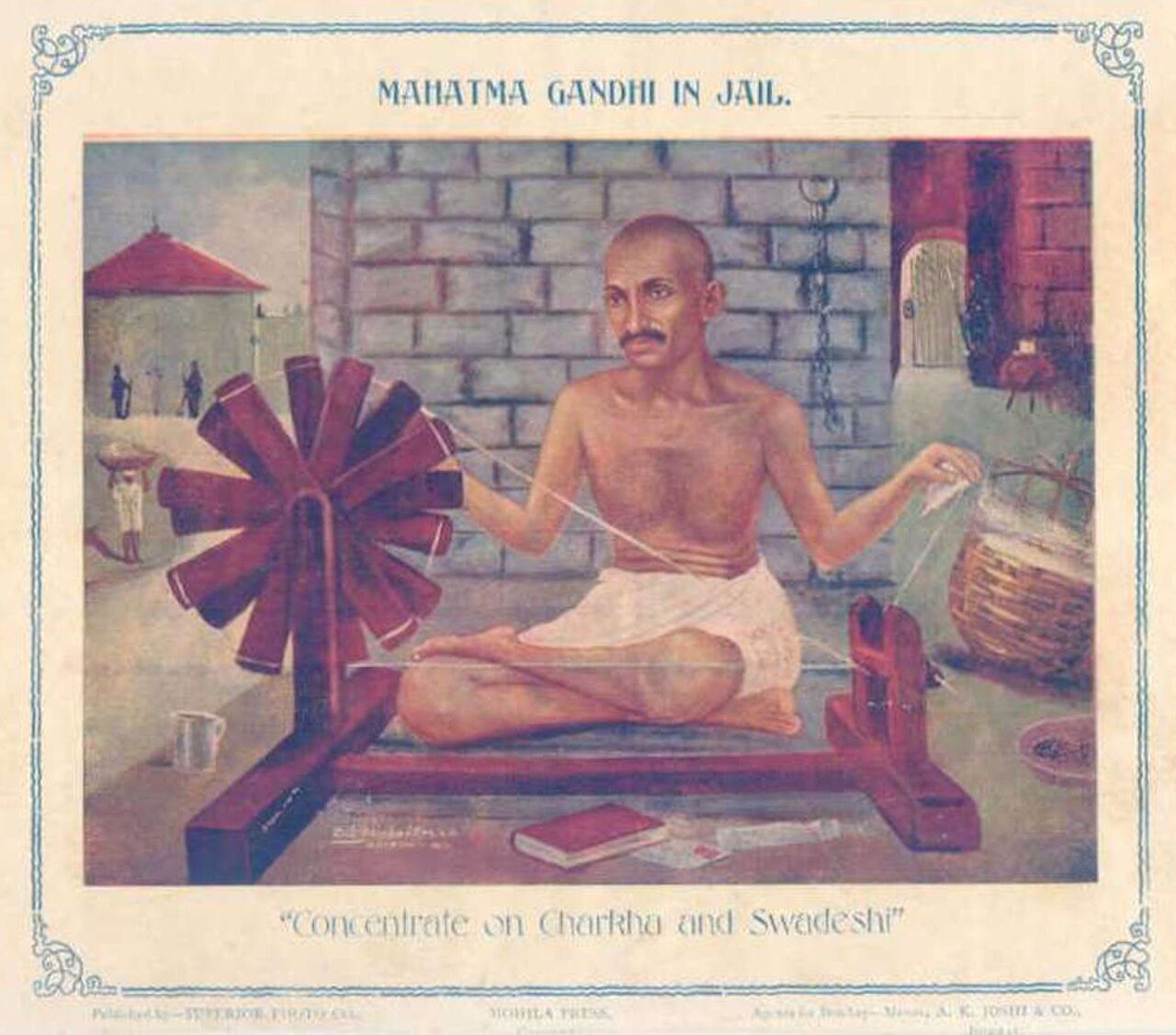
The Gramophone as Medium of Consciousness1906 तक, राष्ट्रवादी नेताओं ने चेतना-उन्नयन के माध्यम के रूप में ग्रामोफोन की शक्ति को मान्यता देना शुरू कर दिया था। एक ग्रामोफोन रिकॉर्डिंग को हजारों प्रतियों में दबाया जा सकता था और पूरे भारतीय उपमहाद्वीप में वितरित किया जा सकता था। एक प्रसिद्ध गायक का प्रदर्शन गांव के घरों में, राष्ट्रवादी पठन कक्षों में, मध्यम वर्गीय परिवारों के आंगन में सुना जा सकता था।
अंग्रेज़ी में पढ़ें · Read in English
By 1906, nationalist leaders had begun to recognize the gramophone's power as a medium of consciousness-raising. A gramophone recording could be pressed in thousands of copies and distributed across the subcontinent. A performance by a renowned vocalist could be heard in village homes, in nationalist reading rooms, in the parlors of middle-class families. The message embedded in the music — the emotional resonance of a particular raag, the meanings attributed to a lyric, the very act of hearing one's own musical tradition documented and celebrated — carried nationalist implications.
For many Indians, the gramophone became a tool of cultural assertion. It said: our music is valuable enough to record, our traditions are worthy of preservation, our voices deserve to be heard. The very existence of Indian recordings on gramophone discs, in an era when most recorded music was European or American, was itself a political act.
एक नाजुक संतुलन
A Precarious Balanceस्वदेशी आंदोलन और ग्रामोफोन उद्योग के बीच संबंध अस्थिर रहा। एक ओर, ग्रामोफोन ने भारतीय संगीत के अभूतपूर्व वितरण को सक्षम बनाया। दूसरी ओर, यह विदेशी कंपनियों द्वारा नियंत्रित था जो देशभक्ति के बजाय लाभ से प्रेरित थी।
अंग्रेज़ी में पढ़ें · Read in English
The relationship between the Swadeshi movement and the gramophone industry remained precarious. On one hand, the gramophone enabled unprecedented distribution of Indian music. On the other, it was controlled by foreign companies motivated by profit, not patriotism. Some nationalist intellectuals would eventually call for a complete rejection of the gramophone industry, viewing it as irredeemable part of colonial economic domination.
Yet the recordings of 1906 demonstrate a more complex reality. Artists like Miss Mukhtar found ways to use the gramophone as a vehicle for their own artistic and patriotic aspirations. They recorded music that was both commercially viable and culturally significant, that could reach mass audiences while maintaining artistic integrity. The gramophone, rather than being a purely external impostor, became something that Indian musicians could claim as their own — a medium for expressing their own identities, their own visions of what Indian music could be.
परिचय
IdentityEpithet
कैसे राष्ट्रवादी चेतना ने भारतीय संगीत के विषयों और अर्थों को बदल दिया
How nationalist consciousness transformed the themes and meanings of Indian music
अन्य विवरण
More Details- मिस मुख्तार · Miss Mukhtar
Key Figures
कहानी-नमूना
The Story Specimen| शीर्षक | संगीत और प्रतिरोध: ग्रामोफोन के युग में स्वदेशी गीत · Music and Resistance: Swadeshi Songs in the Era of the Gramophone |
|---|---|
| श्रेणी | Cultural Context |
| प्रकार | Historical |
| प्रकाशित | 31 March 2026 — admin |
| वर्ष | 1906 |
और कहानियाँ
More Stories from the Atlas

साझा कीजिए · Share this Plate
यह पन्ना आगे बढ़ाइए
सवाल-जवाब
Questions & Answersराष्ट्रवादी विचारकों ने ग्रामोफोन को किस दृष्टि से देखा? · How did nationalist thinkers view the gramophone?
यह एक विरोधाभासी दृष्टिकोण था। एक ओर, ग्रामोफोन भारतीय संगीत को हजारों लोगों तक पहुँचा सकता था; दूसरी ओर, यह विदेशी कंपनियों के नियंत्रण में था। कुछ ने इसे अस्वीकार किया, जबकि अधिकांश ने इसे राष्ट्रीय चेतना के प्रसार के साधन के रूप में अपनाया।
It was a contradictory view. On one hand, the gramophone could carry Indian music to thousands; on the other, it was controlled by foreign companies. Some rejected it, while most adopted it as a tool for spreading national consciousness.
मिस मुख्तार की रिकॉर्डिंग 1906 के संदर्भ में क्यों महत्वपूर्ण है? · Why is Miss Mukhtar's recording significant in the 1906 context?
वे उन गिनी-चुनी महिला गायिकाओं में से थीं जो 1906 में रिकॉर्ड हुईं। राग देश के माध्यम से उन्होंने दिखाया कि महिलाएँ भी गंभीर कलाकार हो सकती हैं और राष्ट्रवादी संदेश का वाहन बन सकती हैं।
She was among the very few women vocalists to record in 1906. Through Raag Desh, she demonstrated that women could be serious artists and vehicles of nationalist consciousness, not merely entertainers.