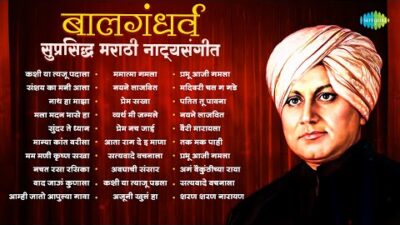
नाट्य-संगीत — बाल गंधर्व के विद्युत-युग तवे
Natya Sangeet Sides — Bal Gandharva in the Electrical Era
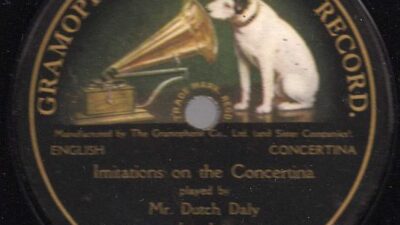
ग्रामोफ़ोन का युग है: तीन मिनट के मोम में सिमटती ठुमरी-दादरा-ग़ज़ल, कलकत्ता-बम्बई की रिकॉर्डिंग-महफ़िलें, और तवों पर अमर होती तवायफ़-परंपरा की आवाज़ें। फ़िल्म अभी मूक है — संगीत डिस्क और मंच से घर पहुँचता है। इंडियन ब्रॉडकास्टिंग कंपनी के बम्बई (जुलाई) और कलकत्ता (अगस्त) स्टेशन खुले — संगीत अब बिना तवे के भी घर आता है। रिकॉर्ड-उद्योग को पहली बार प्रतिद्वंद्वी माध्यम मिला। इस वर्ष के हमारे संग्रह में 5 गीत दर्ज हैं — हर पृष्ठ अपने विषय की सबसे समग्र प्रस्तुति की ओर बढ़ता हुआ।
This is the gramophone age: thumri, dadra and ghazal compressed into three minutes of wax, recording sessions in Calcutta and Bombay, and the tawaif tradition's voices made immortal on disc. Film is still silent — music reaches homes by record and stage. The Indian Broadcasting Company opens Bombay (July) and Calcutta (August) stations — music now enters homes without a disc. The record trade meets its first rival medium. Our archive holds 5 songs of this year — each page growing toward the most comprehensive account of its subject.
Natya Sangeet Sides — Bal Gandharva in the Electrical Era
Khayal and Thumri Sides — Hirabai Barodekar
Dadra and Bhajan — Late Sides of Sundarabai
साझा कीजिए · Share this Plate