कहानियाँ विंग · कहानी · Cultural Context · 1911
सौ गिन्नियों का गाना: दिल्ली दरबार में गौहर और जानकी
A Song Worth a Hundred Guineas: Gauhar and Janki at the Delhi Durbar
दिसंबर 1911 में सम्राट जॉर्ज पंचम की ताजपोशी के दरबार में हिन्दुस्तान की दो सबसे मशहूर आवाज़ें — कलकत्ते की गौहर जान और इलाहाबाद की जानकी बाई — एक साथ खड़ी हुईं और गाया: 'ये जलसा ताजपोशी का मुबारक हो मुबारक हो।' तवायफ़-गायिकाओं के युग का यह शिखर-क्षण था — और, जैसा बाद में समझ आया, उसकी लंबी विदाई की पहली पंक्ति भी।
प्रकाशित19 June 2026 पाठ८ मिनट का पाठ
आमुख
1911 के दिल्ली दरबार की संगीत-कथा: कैसे साम्राज्य के सबसे बड़े तमाशे में दो तवायफ़-गायिकाओं को बुलाया गया, कैसे 'ये जलसा ताजपोशी का' रचा-गाया गया, सौ-सौ गिन्नियों का वह मेहनताना, उसी दरबार में राजधानी बदलने की घोषणा — और इस चमकते क्षण के नीचे खिसकती हुई वह ज़मीन, जिस पर तवायफ़ों की कला खड़ी थी।
अंग्रेज़ी में पढ़ें · Read in English
The musical story of the 1911 Delhi Durbar: how two courtesan-singers were summoned to the empire's grandest spectacle, how 'Yeh Jalsa Taajposhi Ka' was made and sung, the hundred-guinea fee, the announcement at the same Durbar that the capital would move — and beneath this glittering moment, the ground already shifting under the art the tawaifs stood on.
शामियानों का शहर
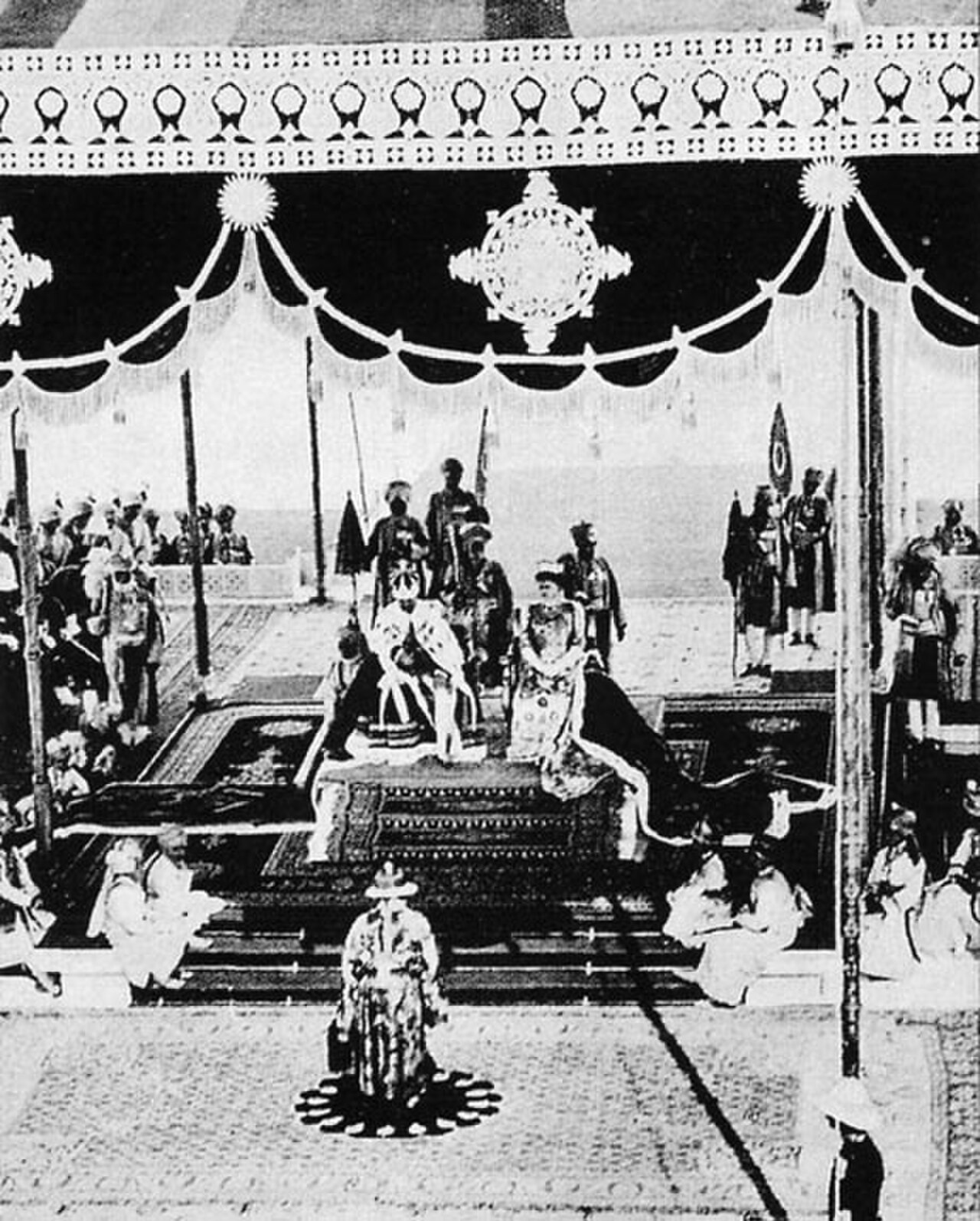
A City of Tentsदिसंबर 1911 में दिल्ली के बाहर मैदानों पर रातों-रात एक शहर उग आया — मीलों तक फैले शामियाने, चालीस हज़ार से ऊपर तंबू, रेल की नई पटरियाँ, बिजली की रोशनी। मौक़ा था ताजपोशी का दरबार: इंग्लैंड के नए सम्राट जॉर्ज पंचम और महारानी मेरी पहली बार बतौर सम्राट हिन्दुस्तान आए थे। 12 दिसंबर को लाखों की भीड़ और सैकड़ों राजे-रजवाड़ों के सामने ताज पहने सम्राट ने दो घोषणाएँ कीं जिनसे इतिहास मुड़ गया — बंगाल का विभाजन रद्द, और राजधानी कलकत्ते से दिल्ली। इसी महातमाशे के जश्नों में संगीत भी चाहिए था — और संगीत का मतलब उस हिन्दुस्तान में दो नाम थे: गौहर जान और जानकी बाई।
अंग्रेज़ी में पढ़ें · Read in English
In December 1911 a city sprang up overnight on the plains outside Delhi — canopies stretching for miles, upward of forty thousand tents, new railway sidings, electric light. The occasion was the Coronation Durbar: Britain's new King-Emperor George V and Queen Mary had come to India for the first time as sovereigns. On 12 December, crowned before vast crowds and hundreds of princes, the Emperor made two announcements that bent history — the partition of Bengal annulled, and the capital moved from Calcutta to Delhi. The festivities of this great spectacle needed music — and in that India, music meant two names above all: Gauhar Jaan and Janki Bai.
दो मलिकाएँ, एक मुजरा नहीं — एक राजकीय प्रस्तुति
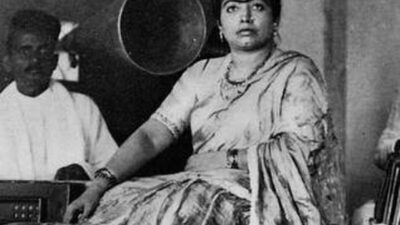
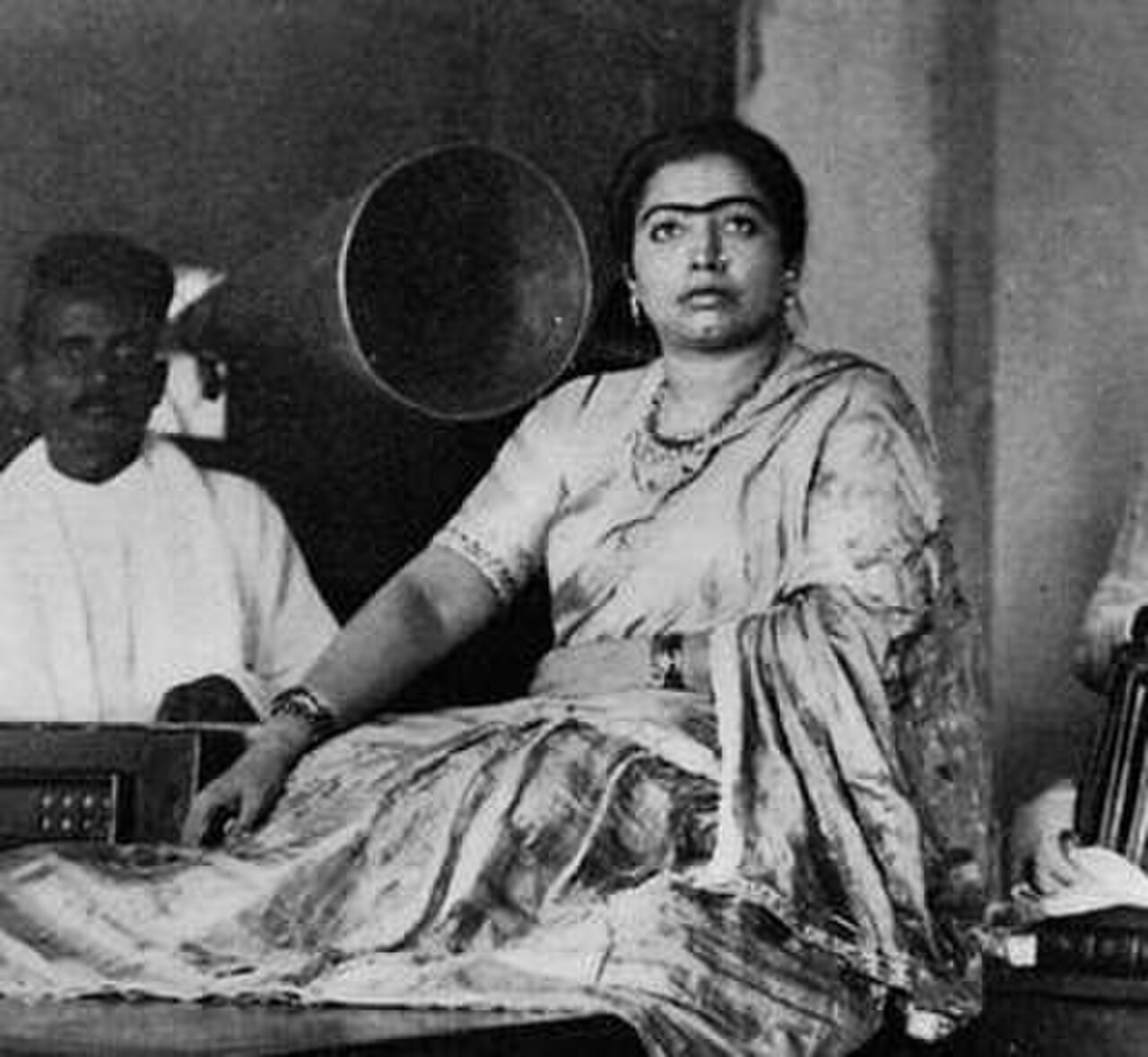
Two Queens, Not a Mujra — a State Performanceगौहर जान तब अड़तीस की थीं — 1902 में हिन्दुस्तान की पहली रिकॉर्डिंग कराने वाली, छह सौ तवों की मालकिन, 'ग्रामोफ़ोन गर्ल'। जानकी बाई इकतीस की — इलाहाबाद की 'छप्पन छुरीवाली', जिसकी रिकॉर्डें पेशावर से रंगून तक बजती थीं। दोनों एक-दूसरे की प्रतिद्वंद्वी मानी जाती थीं; दरबार ने दोनों को एक मंच पर ला दिया। विक्रम संपत की गौहर जान की जीवनी दर्ज करती है कि दरबार के जश्न के लिए दोनों ने मिलकर मुबारकबादी पेश की — 'ये जलसा ताजपोशी का मुबारक हो मुबारक हो' — और दोनों को सौ-सौ गिन्नियाँ भेंट हुईं। मुबारकबादी तवायफ़-परंपरा की पुरानी सलामी-कला थी: नवाबों की ताजपोशियों, शादियों, वलीमों के लिए रची जाने वाली बधाई। फ़र्क़ बस इतना था कि इस बार दरबार लखनऊ का नहीं, विलायत के सम्राट का था — और सलामी हिन्दुस्तानी संगीत की पूरी परंपरा की ओर से थी।
अंग्रेज़ी में पढ़ें · Read in English
Gauhar Jaan was then thirty-eight — the woman who had made India's first commercial recording in 1902, mistress of six hundred discs, 'the Gramophone Girl'. Janki Bai was thirty-one — Allahabad's 'Chhappan Chhuriwali', whose records played from Peshawar to Rangoon. The two were considered rivals; the Durbar put them on one stage. Vikram Sampath's biography of Gauhar Jaan records that for the Durbar festivities the two together presented a mubarakbadi — 'Yeh jalsa taajposhi ka mubarak ho mubarak ho' — and that each received a hundred guineas. The mubarakbadi was the tawaif tradition's old art of the salaami: felicitation composed for nawabi coronations, weddings, feasts. The only difference was that this durbar belonged not to Lucknow but to an emperor from overseas — and the salute came on behalf of the entire tradition of Hindustani music.
एक पंक्ति का गीत
A Song of One Lineइतिहास की विडंबना देखिए: जिस प्रदर्शन को उस दिन लाखों लोगों ने देखा-सुना होगा, उसकी आज हमारे पास कुल एक पंक्ति बची है — वही मुखड़ा, 'ये जलसा ताजपोशी का मुबारक हो मुबारक हो'। कोई व्यावसायिक रिकॉर्ड इस जोड़ी-गीत का प्रमाणित नहीं है; पूरा पाठ किसी सुलभ स्रोत में दर्ज नहीं। ग्रामोफ़ोन ने जिन आवाज़ों को अमर किया, उन्हीं की सबसे बड़ी जीवंत प्रस्तुति हवा में घुल गई — क्योंकि वह तीन मिनट के तवे के लिए नहीं, एक साम्राज्य की शाम के लिए रची गई थी। शायद यही इस कहानी का असली सबक़ है: रिकॉर्डिंग-युग की शुरुआत में भी संगीत का सबसे बड़ा मंच अब भी जीवित महफ़िल ही थी, और जीवित महफ़िल का स्वभाव ही है बीत जाना।
अंग्रेज़ी में पढ़ें · Read in English
Consider history's irony: of a performance that great crowds must have seen and heard that day, exactly one line survives — the mukhda, 'Yeh jalsa taajposhi ka mubarak ho mubarak ho'. No commercial disc of the duet is verified; no accessible source preserves the full text. The very voices the gramophone made immortal lost their grandest live performance to the air — because it was composed not for a three-minute disc but for an empire's evening. Perhaps that is the story's real lesson: even at the dawn of the recording age, music's greatest stage was still the living mehfil, and it is the nature of the living mehfil to pass.
शिखर — और ढलान की पहली झलक
The Summit — and the First Glimpse of the Slope1911 का दरबार तवायफ़-गायिकाओं की सामाजिक हैसियत का शिखर था: साम्राज्य के सबसे बड़े मंच पर बुलावा, राजसी मेहनताना, अख़बारों में नाम। पर उसी दशक में ज़मीन खिसकनी शुरू हो चुकी थी। 'एंटी-नॉच' आंदोलन भद्र समाज में तवायफ़ की कला को कलंक बताने लगा था; रियासतों के ख़ज़ाने सिकुड़ रहे थे; और आगे चलकर सिनेमा व माइक्रोफ़ोन नई तरह की गायिकाएँ गढ़ने वाले थे। गौहर जान का अंत 1930 में मैसूर में एकाकीपन में हुआ; जानकी बाई 1934 में गईं, अपनी दौलत दान कर के। दोनों की रिकॉर्डें बची रहीं — और वह एक पंक्ति भी, जो उन्होंने एक सम्राट के सामने गाई थी। मुबारकबाद का गीत, पीछे मुड़कर देखें तो, एक पूरी परंपरा का आख़िरी सलाम भी था।
अंग्रेज़ी में पढ़ें · Read in English
The 1911 Durbar was the summit of the courtesan-singers' public standing: a summons to the empire's biggest stage, princely fees, names in the newspapers. But in that same decade the ground had begun to shift. The anti-nautch movement was teaching respectable society to call the tawaif's art a stain; princely treasuries were shrinking; and ahead lay cinema and the microphone, which would mint a different kind of singer. Gauhar Jaan died lonely in Mysore in 1930; Janki Bai went in 1934, having willed her wealth to charity. Their records survived — and so did that one line they sang before an emperor. The song of felicitation, seen in hindsight, was also a whole tradition's last salute.
परिचय
IdentityEpithet
दिसंबर 1911 में सम्राट जॉर्ज पंचम की ताजपोशी के दरबार में हिन्दुस्तान की दो सबसे मशहूर आवाज़ें — कलकत्ते की गौहर जान और इलाहाबाद की जानकी बाई — एक साथ खड़ी हुईं और गाया: 'ये जलसा ताजपोशी का मुबारक हो मुबारक हो।' तवायफ़-गायिकाओं के युग का यह शिखर-क्षण था — और, जैसा बाद में समझ आया, उसकी लंबी विदाई की पहली पंक्ति भी।
In December 1911, at the Coronation Durbar of King-Emperor George V, India's two most famous voices — Gauhar Jaan of Calcutta and Janki Bai of Allahabad — stood together and sang: 'Yeh jalsa taajposhi ka mubarak ho mubarak ho.' It was the summit moment of the courtesan-singers' age — and, as became clear later, the first line of its long farewell.
अन्य विवरण
More Details- ये जलसा ताजपोशी का मुबारक हो मुबारक हो। · Yeh jalsa taajposhi ka mubarak ho mubarak ho — blessings on this celebration of the coronation.
- गौहर जान
- जानकी बाई इलाहाबाद
- जॉर्ज पंचम
- Vikram Sampath, 'My Name Is Gauhar Jaan! The Life and Times of a Musician' (Rupa, 2010)
- Coronation Durbar 1911 — official records and contemporary press accounts
- Archive of Indian Music — Gauhar Jaan and Janki Bai transfers
Pull Quotes
Key Figures
References
कहानी-नमूना
The Story Specimen| शीर्षक | सौ गिन्नियों का गाना: दिल्ली दरबार में गौहर और जानकी · A Song Worth a Hundred Guineas: Gauhar and Janki at the Delhi Durbar |
|---|---|
| श्रेणी | Cultural Context |
| प्रकार | विशेष लेख |
| पाठ-समय | ८ मिनट का पाठ |
| प्रकाशित | 19 June 2026 — admin |
| वर्ष | 1911 |
| टैग | delhi_durbar · gauhar_jaan · janki_bai · 1911 · mubarakbadi · george_v · tawaif_tradition · gramophone_era |
और कहानियाँ
More Stories from the Atlas

साझा कीजिए · Share this Plate