कहानियाँ विंग · कहानी · Music History · 1926
बिजली की क्रांति: माइक्रोफ़ोन आया
The Electrical Revolution: The Microphone Arrives
प्रकाशित19 June 2026
आमुख
1926 में माइक्रोफ़ोन भारतीय स्टूडियो पहुँचा और रिकॉर्डेड ध्वनि का दूसरा जन्म हुआ — यह कथा उस तकनीकी चूल की है जिस पर सहगल से लता तक की पूरी सौंदर्य-दृष्टि घूमती है।
अंग्रेज़ी में पढ़ें · Read in English
In 1926 the microphone reached Indian studios and recorded sound was born a second time — the story of the technical hinge on which the whole aesthetic from Saigal to Lata turns.
भोंपू की तानाशाही
The horn's tyranny1925 तक हर भारतीय रिकॉर्डिंग एक ही तानाशाह की प्रजा थी: धातु का भोंपू। गायक उसकी ओर झुककर लगभग चिल्लाते; सारंगी सटाकर बजती; मद्धम स्वर मरा हुआ पैदा होता। चौथाई सदी की कला उस यंत्र के नाप में कटती रही जो साँस, सरगोशी और कमरे की हवा सुन ही नहीं सकता था।
अंग्रेज़ी में पढ़ें · Read in English
Until 1925 every Indian recording was subject to one tyrant: the metal horn. Singers leaned in and all but shouted; the sarangi pressed close; a soft note was born dead. A quarter-century of art was tailored to a device that simply could not hear breath, whisper or the air of a room.
वेस्टर्न इलेक्ट्रिक का कान
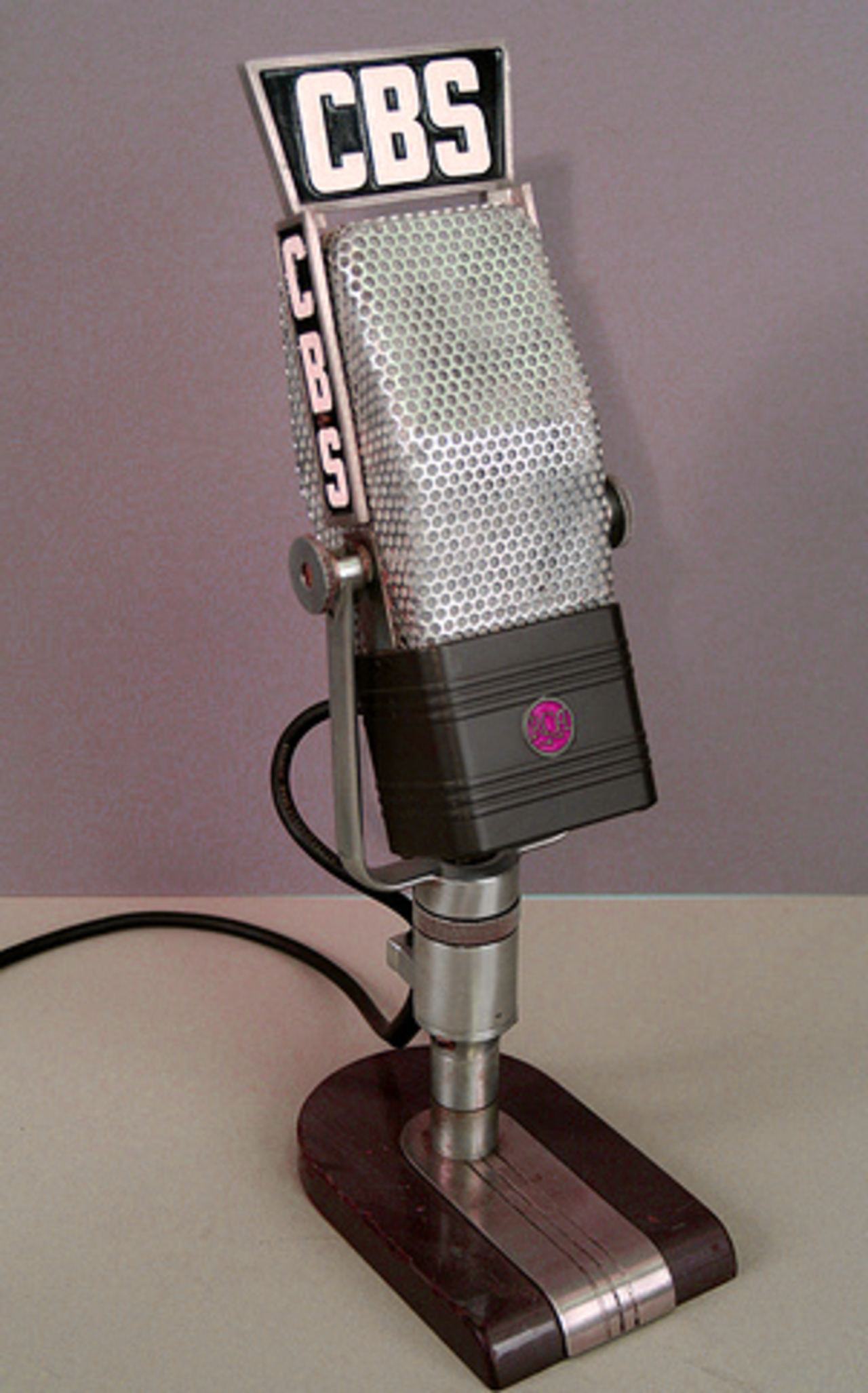
Western Electric's ear1925 में पश्चिम में व्यावसायिक हुई माइक्रोफ़ोन-प्रणाली 1926 के दौरान भारतीय सत्रों तक पहुँची। फ़र्क़ पहले ही तवे पर सुनाई दिया: स्वर-पट चौड़ा, मुरकी की महीन परतें साफ़, और पहली बार — मद्धम। इंजीनियरों ने सूचियों के सितारों को नई प्रक्रिया पर दोबारा काटा; पुराने तवे रातोंरात 'पुराने' लगने लगे।
अंग्रेज़ी में पढ़ें · Read in English
Commercialised in the West in 1925, the microphone system reached Indian sessions through 1926. The difference was audible on the first disc: wider range, ornament's fine grain intact, and — for the first time — pianissimo. Engineers re-cut the lists' stars on the new process; the old discs sounded 'old' overnight.
नई सौंदर्य-दृष्टि
A new aestheticतकनीक ने रुचि बदली: जो गायकी भोंपू के लिए ऊँची और कसी थी, वह माइक्रोफ़ोन पर कठोर लगने लगी। आगे की कला आत्मीयता की होगी — किराना का ठहरा स्वर तवे पर खिला, ठुमरी गुफ़्तगू बनी, और दशक भर में सहगल की सरगोशी सिद्ध करेगी कि अब परदे का गायक चिल्लाता नहीं, कान में कहता है। बिजली सिर्फ़ तकनीक नहीं थी; वह हिंदुस्तानी गायकी की दिशा थी।
अंग्रेज़ी में पढ़ें · Read in English
Technology re-tuned taste: singing built high and tight for the horn sounded harsh on the microphone. The coming art would be intimacy's — Kirana's sustained swara bloomed on disc, the thumri became conversation, and within a decade Saigal's whisper would prove that the screen's singer no longer shouts but confides. Electricity was not merely technique; it was Hindustani singing's new direction.
परिचय
Identity- Epithet
- When the disc learned to breathe
कहानी-नमूना
The Story Specimen| शीर्षक | बिजली की क्रांति: माइक्रोफ़ोन आया · The Electrical Revolution: The Microphone Arrives |
|---|---|
| श्रेणी | Music History |
| प्रकार | विशेष लेख |
| प्रकाशित | 19 June 2026 — admin |
| वर्ष | 1926 |
और कहानियाँ
More Stories from the Atlas
साझा कीजिए · Share this Plate
यह पन्ना आगे बढ़ाइए
सवाल-जवाब
Questions & Answersभारत में बिजली-रिकॉर्डिंग कब आई? · When did electrical recording reach India?
वेस्टर्न इलेक्ट्रिक प्रक्रिया 1925 में पश्चिम में व्यावसायिक हुई और 1926 के दौरान भारतीय सत्रों में अपनाई गई; सटीक पहला भारतीय बिजली-सत्र सार्वजनिक स्रोतों में दर्ज नहीं है।
The Western Electric process went commercial in the West in 1925 and was adopted in Indian sessions through 1926; the exact first Indian electric session is not publicly documented.
इससे गायकी कैसे बदली? · How did it change singing?
मद्धम संभव हुआ — सो आत्मीय गायकी मानक बनी: किराना का लंबा स्वर, ठुमरी की गुफ़्तगू, और आगे माइक्रोफ़ोन-युग की फुसफुसाती फ़िल्मी गायकी।
Pianissimo became possible — so intimacy became the standard: Kirana's long swara, the conversational thumri, and soon the microphone-age film voice.