कहानियाँ विंग · कहानी · Artist History · 1918
पतझड़ में मलिकाएँ
Empresses in Autumn: The Founding Voices in 1918
1918 — युद्ध थमा, महामारी फैली, और ग्रामोफ़ोन युग की पहली पीढ़ी अपने पतझड़ में पहुँची। गौहर जान मुक़दमों में घिरीं, जानकी बाई अपनी जगह अडिग, ज़ोहराबाई जा चुकी थीं, मौज़ुद्दीन बुझ रहे थे — और परदे के पीछे नई आवाज़ें भोंपू के सामने खड़ी हो रही थीं।
प्रकाशित19 June 2026 पाठ९ मिनट का पाठ
आमुख
ग्रामोफ़ोन युग की संस्थापक पीढ़ी के संध्या-काल की कथा — गौहर जान की मुक़दमेबाज़ी और ढलती सल्तनत, जानकी बाई 'छप्पन छुरी' की अविचल कर्मठता और दानशीलता, 1913 में ज़ोहराबाई अगरेवाली के निधन से ख़ाली हुई जगह, ठुमरी के बादशाह मौज़ुद्दीन ख़ान का दीप्त पतन, 1918 की महामारी की छाया, और सुंदराबाई जैसी उत्तराधिकारी आवाज़ों का उदय।
अंग्रेज़ी में पढ़ें · Read in English
The story of the founding generation's twilight — Gauhar Jaan's litigation and waning empire, the unshaken industry and charity of Janki Bai 'Chhappan Chhuri', the space left by Zohrabai Agrewali's death in 1913, the incandescent decline of thumri's emperor Mauzuddin Khan, the shadow of the 1918 pandemic, and the rise of successor voices like Sundarabai.
साम्राज्ञी और अदालत
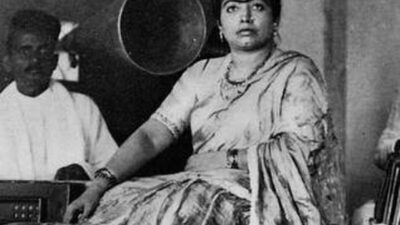
The Empress and the Courtroom1902 में जिसने भोंपू के सामने खड़े होकर हिंदुस्तान का पहला तवा गाया था और अंत में चहककर कहा था — 'माय नेम इज़ गौहर जान!' — वह 1918 में अदालतों के चक्कर काट रही थी। दौलत अब भी थी: कलकत्ते की कोठी, जौहरात, छह सौ तवों की कमाई। पर भरोसे लुट चुके थे। जिस सचिव को उसने सबसे क़रीब रखा — अब्बास — उसी से जुड़े विवादों और जायदाद के मुक़दमों ने उसके आख़िरी बरस निगलने शुरू कर दिए थे; समकालीन उसके तवों की लाखों की कमाई और वक़ालतनामों में बहती रक़म का फ़र्क़ गिनाते थे। फिर भी आवाज़ रुकती नहीं थी — उसके उत्तर-काल के ग़ज़ल-तवे पहले दशक की चमक के बदले एक सीखी हुई किफ़ायत बरतते हैं: छोटी तानें, सादा कहन, ठहराव में दर्द। ग़ज़ल जो बेवफ़ा वादों और बरबाद करने वाले भरोसे की बात करती थी, अब गायिका की अपनी जीवनी थी। 1928 में वह मैसूर दरबार चली जाएगी; जनवरी 1930 में वहीं, अपनों से दूर, साम्राज्ञी की कथा पूरी होगी।
अंग्रेज़ी में पढ़ें · Read in English
The woman who had stood before the horn in 1902, sung India's first disc and chirped at its end — 'My name is Gauhar Jaan!' — was doing the rounds of courtrooms in 1918. The wealth was still there: the Calcutta mansion, the jewels, the earnings of six hundred discs. But the trusts had been looted. The secretary she had kept closest — Abbas — was at the centre of the disputes and property suits that had begun to swallow her final years; contemporaries tallied the difference between the lakhs her records earned and the money flowing into legal briefs. Yet the voice did not stop — her late ghazal sides trade the dazzle of her first decade for a learned economy: shorter taans, plainer statement, pain carried in the pauses. The ghazal that spoke of faithless promises and ruinous trust was now the singer's own biography. In 1928 she would leave for the Mysore court; in January 1930, there, far from her own, the empress's story would close.
छप्पन छुरी की अडिग धरती
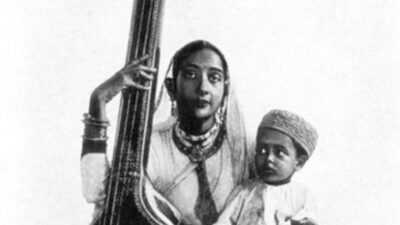
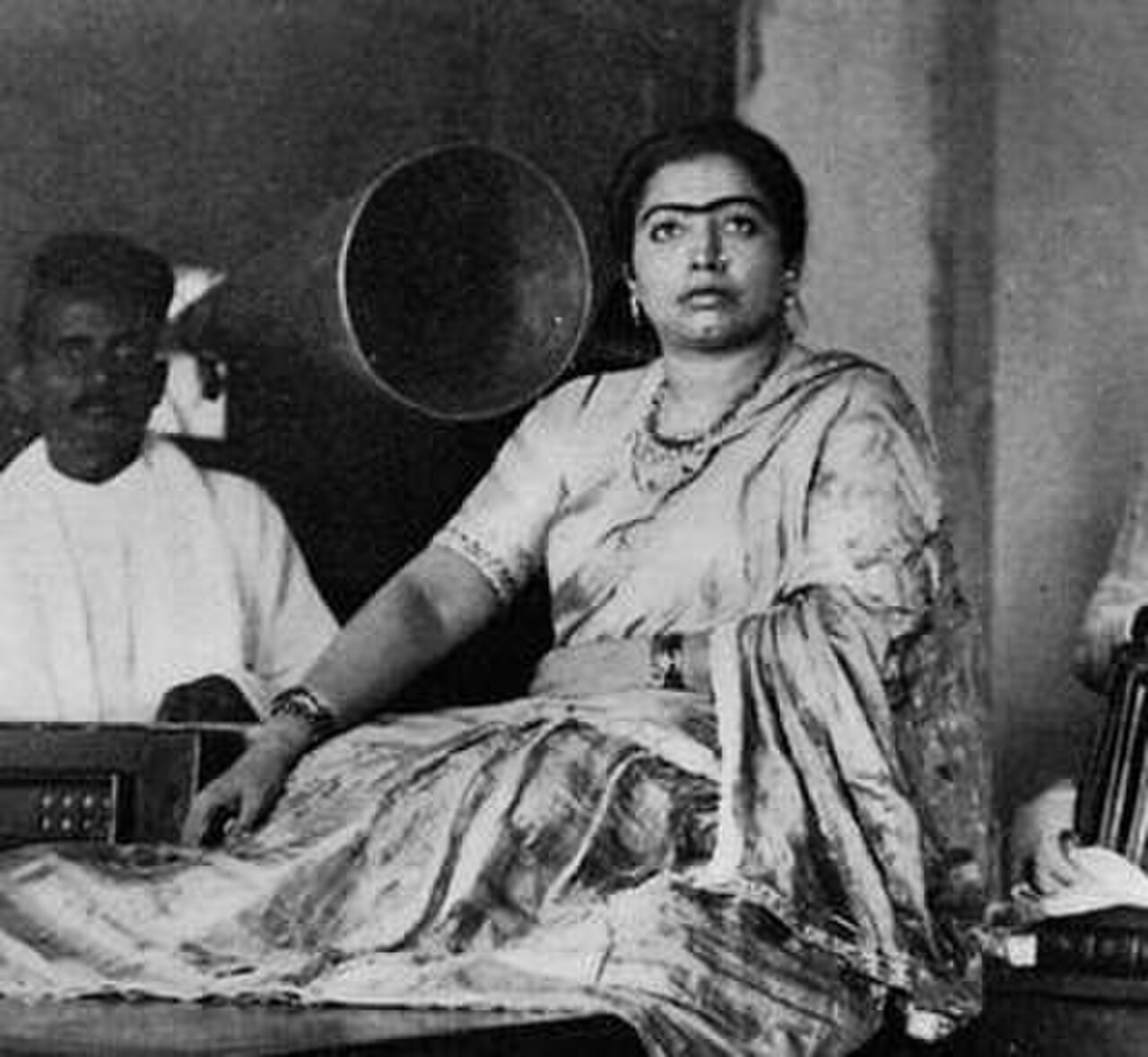
The Unshaken Ground of Chhappan Chhuriउसी 1918 में इलाहाबाद की जानकी बाई का संसार बिल्कुल दूसरा था। बचपन में छप्पन घाव झेलकर जीवित बची यह गायिका — 'छप्पन छुरी' — अपने नाम को कवच की तरह पहनती थी और अपने करियर को कारख़ाने की तरह चलाती थी। 1907 से वह कैटलॉग की रीढ़ थी: सावन की कजरी, चैत की चैती, फागुन की होरी, महफ़िल की ठुमरी-दादरा, और उर्दू की ग़ज़लें — जिनमें से कई, कहा जाता है, उसकी अपनी क़लम की थीं; उसका कलाम आगे 'दीवान-ए-जानकी' में संकलित हुआ। युद्ध और महामारी के बरसों में जब कंपनी आज़माए नामों पर सिमटी, तो सबसे आज़माया नाम यही था। और शोहरत का इस्तेमाल उसने जिस चीज़ में किया, वह इलाहाबाद आज तक याद करता है — दान। ग़रीबों, तीर्थयात्रियों और ज़रूरतमंदों के लिए उसकी सख़ावत उसके वृत्तांतों में उतनी ही बड़ी जगह घेरती है जितनी उसकी आवाज़। गौहर अगर इस पीढ़ी की त्रासदी थी, तो जानकी बाई उसकी मर्यादा थी।
अंग्रेज़ी में पढ़ें · Read in English
In the same 1918, the world of Janki Bai of Allahabad was another country. The singer who had survived fifty-six wounds in childhood — 'Chhappan Chhuri' — wore her name like armour and ran her career like a factory. From 1907 she was the catalogue's spine: kajri for Sawan, chaiti for Chait, hori for Phagun, thumri-dadra for the mehfil, and Urdu ghazals — many of them, it is said, from her own pen; her verse was later collected as the Diwan-e-Janki. In the years of war and pandemic, when the company contracted around proven names, the most proven name was hers. And what she did with fame, Allahabad remembers to this day — charity. Her generosity to the poor, to pilgrims, to the needy fills as much space in her chronicles as her voice. If Gauhar was this generation's tragedy, Janki Bai was its dignity.
जो जा चुके थे, जो जल रहे थे
The Departed and the Burningपीढ़ी के पतझड़ की पहली पत्ती 1913 में ही गिर चुकी थी — ज़ोहराबाई अगरेवाली, आगरा घराने की तालीम वाली वह आवाज़ जिसके ख़याल और ख़ुसरो के रंग शुरुआती कैटलॉग का गहना थे, चालीस पार करते-करते चल बसी। उसके तवे अब विरासत थे; उसकी जगह ख़ाली थी। और कलकत्ते की महफ़िलों में ठुमरी का बादशाह मौज़ुद्दीन ख़ान अपनी ही आग में जल रहा था। बिना पूरी तालीम के सहज प्रतिभा से उठा यह गवैया — जिसकी भैरवी सुनकर उस्ताद रोते थे, जिसकी 'पुकार' महफ़िलें चीर देती थी — रिकॉर्डिंग से कतराता रहा; उसके गिने-चुने तवे उसके जीते-जी अवशेषों की तरह सहेजे जाने लगे थे। शराब और बेपरवाही उसे 1926 में, मुश्किल से पचास का होते-होते, ले डूबीं। पर उसकी शैली नहीं डूबी: बोल-बनाव का जो व्याकरण उसने गढ़ा था, वह बनारस की अगली पीढ़ी — रसूलन बाई, सिद्धेश्वरी देवी — की मातृभाषा बनने वाला था। पतझड़ में भी बीज उड़ रहे थे।
अंग्रेज़ी में पढ़ें · Read in English
The first leaf of the generation's autumn had fallen back in 1913 — Zohrabai Agrewali, the Agra-trained voice whose khayals and Khusrau settings were the jewels of the early catalogue, died barely past forty. Her discs were now heirlooms; her place stood empty. And in Calcutta's mehfils, thumri's emperor Mauzuddin Khan was burning in his own fire. Risen on raw genius without completed taalim — the singer whose Bhairavi made ustads weep, whose pukar tore through gatherings — he kept shying from the recording horn; his few discs were being treasured like relics while he still lived. Drink and recklessness took him in 1926, barely fifty. But his style did not drown: the grammar of bol-banao he forged would become the mother tongue of the next Banaras generation — Rasoolan Bai, Siddheshwari Devi. Even in autumn, the seeds were flying.
महामारी, मशीन और नई आवाज़ें
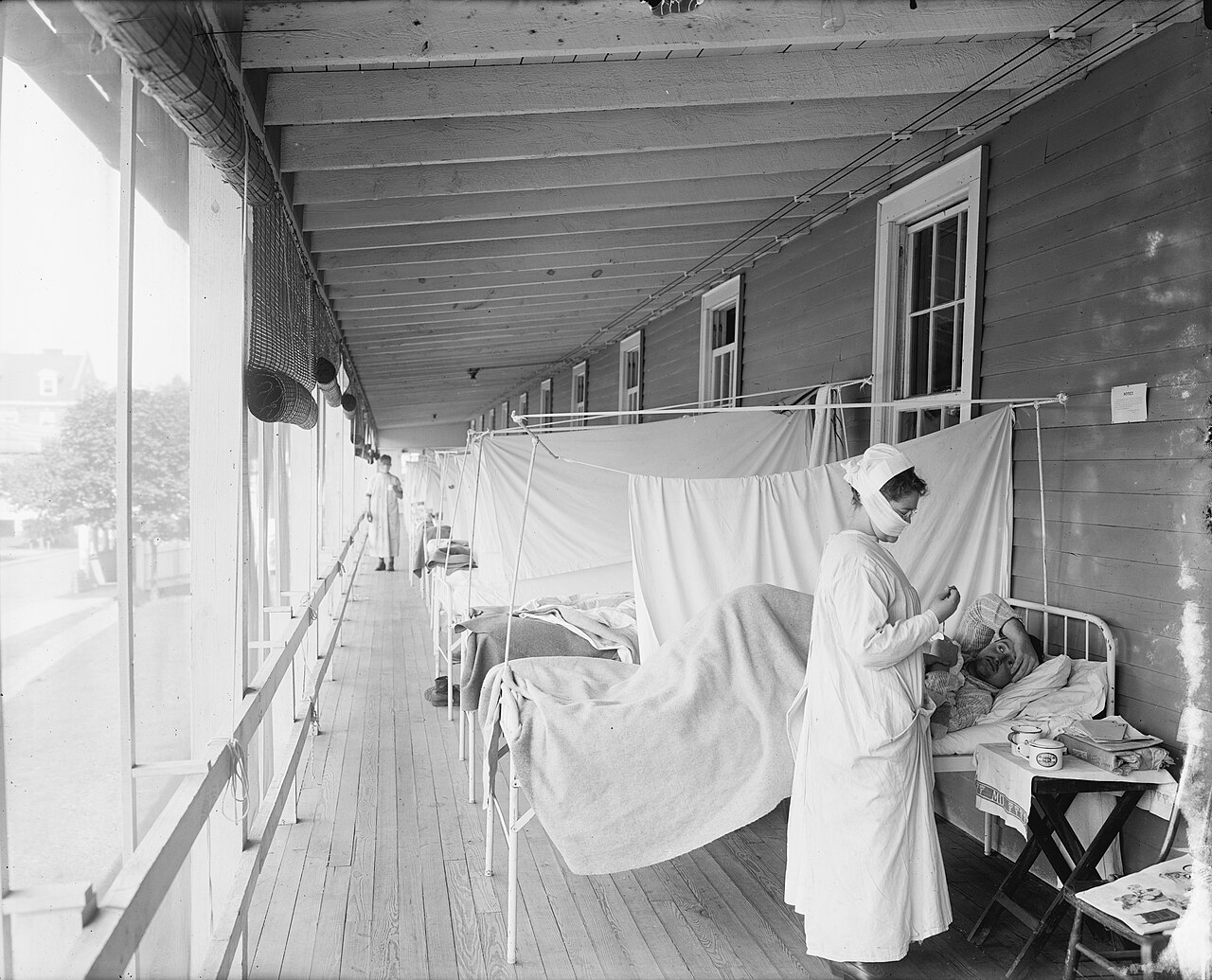
Pandemic, Machine and the New Voices1918 की दूसरी छमाही में इन्फ्लुएंज़ा ने हिंदुस्तान को वैसे दबोचा जैसे युद्ध ने यूरोप को भी नहीं दबोचा था — करोड़ों गए; थिएटर, मेले और महफ़िलें महीनों सूनी रहीं। इस सन्नाटे में ग्रामोफ़ोन की अहमियत उलट कर बढ़ गई: जहाँ जमावड़ा ख़तरा था, वहाँ तवा घर बैठे महफ़िल था। भक्ति के तवे दिलासे की दवा की तरह बिके। और इसी बदले हुए बाज़ार में नई पीढ़ी ने अपनी जगह बनानी शुरू की — पुणे की बाई सुंदराबाई जैसी आवाज़ें, जो बैठक की नफ़ासत हिंदुस्तानी दादरे-भजन में लेकर आईं और अगले दो दशकों में पश्चिम भारत की सबसे प्रचुर रिकॉर्ड-कलाकारों में होंगी; और मंच पर बाल गंधर्व, जिनके 'स्वयंवर' के पद तवों पर महाराष्ट्र के बाहर निकल चुके थे। 11 नवंबर 1918 को यूरोप में बंदूकें थमीं। हिंदुस्तान के संगीत-उद्योग के पास उस दिन एक एकछत्र लेबल था, अपना कारख़ाना था, पुरानी मलिकाओं के तवे थे और नई आवाज़ों की क़तार — पतझड़ और बसंत एक ही ठेके पर बज रहे थे।
अंग्रेज़ी में पढ़ें · Read in English
In the second half of 1918 influenza seized India as even the war had not seized Europe — millions died; theatres, fairs and mehfils stood empty for months. In that silence the gramophone's importance inverted and grew: where gathering was danger, the disc was a mehfil at home. Devotional records sold like medicine of consolation. And in this altered market the new generation began to claim its place — voices like Bai Sundarabai of Poona, who brought the baithak's polish to Hindustani dadra and bhajan and would become one of western India's most prolific record artists over the next two decades; and on the stage Bal Gandharva, whose Swayamvar pads had already crossed Maharashtra's borders on disc. On 11 November 1918 the guns in Europe fell silent. India's music industry that day possessed one unchallenged label, its own factory, the discs of the old empresses and a queue of new voices — autumn and spring playing to the same theka.
परिचय
IdentityEpithet
1918 — युद्ध थमा, महामारी फैली, और ग्रामोफ़ोन युग की पहली पीढ़ी अपने पतझड़ में पहुँची। गौहर जान मुक़दमों में घिरीं, जानकी बाई अपनी जगह अडिग, ज़ोहराबाई जा चुकी थीं, मौज़ुद्दीन बुझ रहे थे — और परदे के पीछे नई आवाज़ें भोंपू के सामने खड़ी हो रही थीं।
1918 — the war ended, the pandemic spread, and the first generation of the gramophone age reached its autumn. Gauhar Jaan was ringed by lawsuits, Janki Bai stood unmoved, Zohrabai was already gone, Mauzuddin was burning out — and behind the curtain, new voices were stepping up to the horn.
अन्य विवरण
More Details- ग़ज़ल जो बेवफ़ा वादों की बात करती थी, अब गायिका की अपनी जीवनी थी। · The ghazal that spoke of faithless promises was now the singer's own biography.
- गौहर जान
- जानकी बाई इलाहाबाद
- ज़ोहराबाई अगरेवाली
- मौज़ुद्दीन ख़ान
- बाई सुंदराबाई
- Vikram Sampath, 'My Name Is Gauhar Jaan!' (Rupa, 2010)
- Peter Manuel, 'Thumri in Historical and Stylistic Perspectives' (Motilal Banarsidass, 1989)
- Google Arts & Culture — 'Pioneering Musicians: Women Superstars of the Early Gramophone Era'
- The Record News — journal of the Society of Indian Record Collectors
- Scholarship on the 1918 influenza pandemic in India
Pull Quotes
Key Figures
References
कहानी-नमूना
The Story Specimen| शीर्षक | पतझड़ में मलिकाएँ · Empresses in Autumn: The Founding Voices in 1918 |
|---|---|
| श्रेणी | Artist History |
| प्रकार | विशेष लेख |
| पाठ-समय | ९ मिनट का पाठ |
| प्रकाशित | 19 June 2026 — admin |
| वर्ष | 1918 |
| टैग | gauhar_jaan · janki_bai · zohra_bai_agrewali · mauzuddin_khan · sundarabai · 1918 · influenza_pandemic · generation_change · tawaif_singers |
और कहानियाँ
More Stories from the Atlas
साझा कीजिए · Share this Plate