गीत विंग · गीत-पट्टिका · Song Plate
साथी हाथ बढ़ाना
Saathi Haath Badhana
एक फ़िल्म के ताँगेवालों के लिए लिखा — और सत्तर साल से काम करने वाले पूरे देश ने इसे अपना बना लिया। साहिर का एकता का आह्वान भारत का सबसे उपयोगी गाना है।
भावउत्सव · आनंदित · प्रेरणादायक
भाषाHindi · Urdu traces गतिMedium-Fast स्वरूपयुगल
श्रेय
The Creditsबोल · The Lyrics
बोल — झलक · Lyrics Preview
एक अकेला थक जाएगा मिलकर बोझ उठाना
Ek akela thak jaayega milkar bojh uthana
कॉपीराइट के कारण केवल झलक — पूरे बोल आधिकारिक मंचों पर।
शब्दकोश
Word Meaningsसूत्र-वाक्य · The Hook
सूत्र-वाक्य
एक फ़िल्म के ताँगेवालों के लिए लिखा — और सत्तर साल से काम करने वाले पूरे देश ने इसे अपना बना लिया। साहिर का एकता का आह्वान भारत का सबसे उपयोगी गाना है।
In EnglishWritten for twelve cart-drivers in a movie, sung by a nation at work for seventy years — Sahir's call to solidarity is the most useful song India ever made.
पट्टिका-लेख
The Monographपरिचय Overview
'नया दौर' (1957) का यह मज़दूर-गीत — मोहम्मद रफ़ी और आशा भोसले का जोशीला युगल — नेहरू-युगीन भारत के सामूहिकतावादी सपने का सबसे सरल और शक्तिशाली संगीत-रूपक है। ओ.पी. नय्यर की ढोलक और पीतल-वाद्यों पर आधारित ताल सामूहिक श्रम की शारीरिक लय को ध्वनि देती है; साहिर लुधियानवी ने समाजवादी एकता को सबसे सहज हिंदी में कहा: 'एक अकेला थक जाएगा, मिलकर बोझ उठाना।' यह गाना भारतीय श्रम-आंदोलन का अनौपचारिक गान बन गया।
अंग्रेज़ी में पढ़ें · Read in English
The anthem of working-class solidarity from Naya Daur (1957), 'Saathi Haath Badhana' pairs Mohammed Rafi and Asha Bhosle in a powerful labour song that became one of the defining musical expressions of Nehru-era India's collectivist ideals. O.P. Nayyar's driving rhythm — built on dholak and brass — mirrors the physicality of collective work, while Sahir Ludhianvi's verse distills socialist solidarity into the simplest possible Hindi: 'One alone will tire; together lift the burden.' The song was filmed over an actual road-construction scene involving hundreds of people and became immediately adopted as an unofficial song of the Indian labour movement. Released on HMV India (1957), it remains the most played 'work song' in Hindi cinema.
संगीत The Music
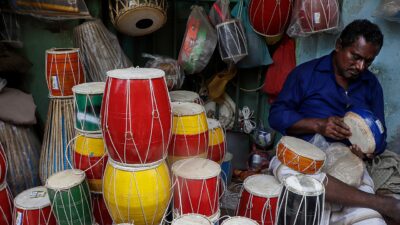
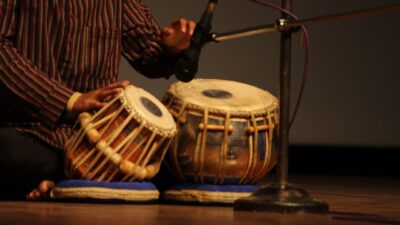
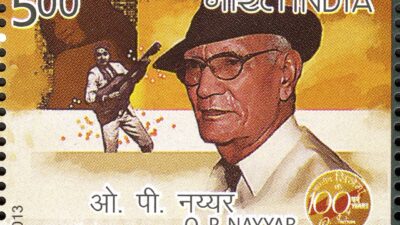
ओ.पी. नय्यर इस गाने को एक संगीतमय असेंबली लाइन की तरह बनाते हैं — हर हिस्से में एक और परत आवाज़ें और वाद्य जोड़ती है, जैसे मज़दूर एक-एक करके काम में जुड़ते हैं। आधार ढोलक है (नफ़ीस तबला नहीं), जो काम के मैदान की पृष्ठभूमि को पक्का करता है। पीतल-वाद्य अंतरे में नहीं, टेक में आता है — ताकि हर अंतरा व्यक्तिगत प्रयास जैसा लगे और टेक सामूहिक जीत जैसी। रफ़ी ताक़त और यक़ीन से मुख्य पंक्तियाँ गाते हैं; आशा की आवाज़ एक फ़ोरमैन की तरह उत्साह देती है।
अंग्रेज़ी में पढ़ें · Read in English
O.P. Nayyar builds this song as a musical assembly line — each section adds another layer of voices and instruments, like workers arriving one by one to join the effort. The foundation is the dholak (not the more refined tabla), cementing the working-class setting. The brass enters in the chorus, not the verse, so each antara feels like individual effort and the chorus like collective triumph. Rafi sings the main verses with power and conviction; Asha's responses are spirited and encouraging, like a foreman cheering on the team. The melody is deliberately simple — easy to remember and sing while actually working.
काव्य The Poetry
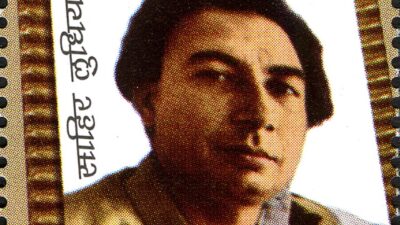
साहिर एक प्रतिबद्ध प्रगतिशील थे जो मानते थे कि कविता जनता की होनी चाहिए। 'साथी हाथ बढ़ाना' उनकी सबसे सुलभ समाजवादी कविता है — सैद्धांतिक मार्क्सवाद नहीं, व्यावहारिक मज़दूर-बुद्धि। टेक एक दार्शनिक सूत्र है: अकेला थकता है, साथ मिलकर कोई भी बोझ उठाया जा सकता है। अंतरों में पसीने और ईमानदार श्रम की गरिमा है। साहिर ने मज़दूर-गीत को वही छंद-सावधानी दी जो वे ग़ज़लों को देते — अक्षरगणना कड़ी है, काम करते हुए ताल में गाना आसान।
अंग्रेज़ी में पढ़ें · Read in English
Sahir Ludhianvi was a committed progressive who believed poetry should serve the masses. 'Saathi Haath Badhana' is his most accessible socialist poem — not theoretical Marxism but practical working-class wisdom. The refrain is a philosophical axiom: one alone tires, but together any burden becomes manageable. The verse celebrates the dignity of sweat and honest work. Sahir gives a labour song the same metrical care he gives his ghazals — the syllable counts are tight, making it easy to work to the beat.
कहानी The Story
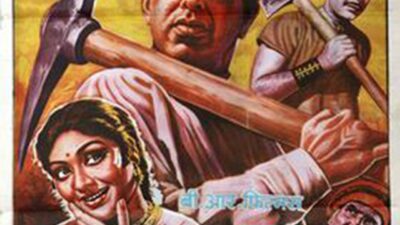
बी.आर. चोपड़ा ने 'नया दौर' को स्वतंत्र भारत में पूंजी और श्रम के टकराव की फ़िल्म के रूप में सोचा था। साहिर को गीतकार इसलिए चुना गया क्योंकि उनकी प्रगतिशील प्रतिबद्धता निर्विवाद थी। जिस सड़क-निर्माण दृश्य में यह गाना है उसमें वास्तविक निर्माण-उपकरण, सैकड़ों एक्स्ट्रा और भोपाल के पास कई दिनों की आउटडोर शूटिंग शामिल थी। चोपड़ा ने बाद में कहा कि सेट पर जब यह गाना पहली बार बजा, एक्स्ट्रा के रूप में आए असली मज़दूर रो पड़े — उन्होंने कहा यह उनकी ज़िंदगी बयान करता है।
अंग्रेज़ी में पढ़ें · Read in English
B.R. Chopra conceived Naya Daur specifically as a film about the conflict between capital and labour in post-independence India. Sahir was chosen as lyricist because his progressive credentials were unimpeachable. The road-building scene where this song is filmed involved actual construction equipment, hundreds of extras, and several days of outdoor shooting near Bhopal. Chopra later said that when this song was first played on set, workers who had come as extras began to cry — they said it described their actual lives. The song was subsequently used in real construction site broadcasts across India.
विरासत The Legacy
यह गाना भारत भर में मज़दूर दिवस (1 मई) के जश्न का अनिवार्य हिस्सा बन गया और भारतीय राष्ट्रीय कांग्रेस, वामपंथी दलों और सामाजिक आंदोलनों के राजनीतिक अभियानों में बार-बार इस्तेमाल हुआ। कई राज्यों की पाठ्यपुस्तकों में शामिल हुआ। साहिर ख़ुद इसे अपना सबसे सामाजिक रूप से उपयोगी गीत मानते थे। Filmfare पत्रिका के 2000 के एक सर्वेक्षण में इसे 'हिंदी सिनेमा का सबसे प्रेरणादायक गीत' चुना गया। आज यह कॉर्पोरेट टीम-बिल्डिंग इवेंट में भी बजाया जाता है — शायद इसके मूल समाजवादी इरादे का सबसे विडंबनापूर्ण उलटफेर।
अंग्रेज़ी में पढ़ें · Read in English
The song became a staple of Labour Day (May 1) celebrations across India and was frequently used in political campaigns of the Indian National Congress, communist parties, and social movements. It was included in school textbooks in several states. Sahir himself considered it his most socially useful lyric. In 2014 it was used in an anti-poverty campaign advertisement. It was voted the 'Most Inspiring Song in Hindi Cinema' in a 2000 survey by Filmfare magazine. It remains in active circulation as a motivational song in corporate team-building events — perhaps the most ironic reversal of its original socialist intent.
वर्गीकरण
Classification- Tempo
- Medium-Fast
Genre
अन्य विवरण
More Details- Wikipedia: 'Naya Daur (1957 film)' — en.wikipedia.org/wiki/Naya_Daur_(1957_film)
- Sathya Saran, 'Sahir Ludhianvi: The People's Poet' (2013) — HarperCollins India
- Wikipedia: 'O.P. Nayyar' — en.wikipedia.org/wiki/O._P._Nayyar
- Anirudha Bhattacharjee & Balaji Vittal, 'Gaata Rahe Mera Dil' (2011) — HarperCollins
References
रोचक तथ्य
Margin Notesकहा जाता है कि 1950 के दशक के अंत और 1960 के दशक में इस गीत को असली निर्माण स्थलों पर लाउडस्पीकर से बजाया जाता था ताकि मज़दूरों का हौसला बढ़े — इस प्रथा का उल्लेख पत्रकार सईद मिर्ज़ा ने किया है।
अंग्रेज़ी में पढ़ें · Read in English
The song was reportedly played on loudspeakers at actual construction sites in the late 1950s and 1960s to boost worker morale — a practice noted by journalist Saeed Mirza.
भारत की कई राज्य सरकारों ने 1960-70 के दशक में इस गीत को स्वतंत्रता दिवस समारोहों के लिए आधिकारिक रूप से अपनाया, क्योंकि इसे पारंपरिक देशभक्ति गीतों से अधिक सहज-सुलभ माना गया।
अंग्रेज़ी में पढ़ें · Read in English
Several state governments in India officially adopted this song for Independence Day celebrations in the 1960s-70s, considering it more accessible than formal patriotic songs.
उनके जीवनीकारों के अनुसार, साहिर लुधियानवी ने इस गीत के लिए मिली अपनी गीतकार फीस एक ट्रेड यूनियन कोष को दान कर दी थी।
अंग्रेज़ी में पढ़ें · Read in English
Sahir Ludhianvi donated his lyricist fee for this song to a trade union fund, according to his biographers.
2000 के दशक में कॉर्पोरेट प्रशिक्षण वीडियो में इस गीत के इस्तेमाल ने सांस्कृतिक टिप्पणीकारों को समाजवादी कला के 'संदर्भ-च्युत' हो जाने पर लिखने के लिए प्रेरित किया।
अंग्रेज़ी में पढ़ें · Read in English
The song's use in corporate training videos in the 2000s prompted cultural commentators to write about the 'decontextualisation' of socialist art.
मोहम्मद रफ़ी ने यह गीत दो टेक में रिकॉर्ड किया था — दूसरे टेक को चुना गया, क्योंकि पहले में वे कहीं संयत रहे थे, और नैयर ने उनसे कहा था कि 'ऐसे गाओ जैसे सच में सड़क बना रहे हो।'
अंग्रेज़ी में पढ़ें · Read in English
Mohammed Rafi recorded the song in two takes — the second was preferred because in the first he reportedly held back, and Nayyar urged him to sing 'like you're actually building the road.'
नमूना-पट्टी
The Specimen Table| शीर्षक | साथी हाथ बढ़ाना · Saathi Haath Badhana |
|---|---|
| फ़िल्म | नया दौर · 1957 |
| वर्ष · युग | 1957 — Golden Era |
| गायक | Mohammed Rafi, Asha Bhosle |
| गीतकार | Sahir Ludhianvi |
| संगीतकार | O.P. Nayyar |
| स्वरूप | युगल |
| गति | Medium-Fast |
| अवधि | 4:15 |
| भाषा | Hindi · Urdu traces |
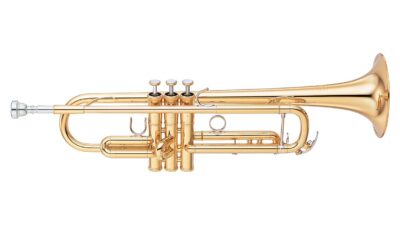
| वाद्य | dholak · trumpet · tabla · harmonium |
| भाव | उत्सव · आनंदित · प्रेरणादायक |
| लेबल | HMV |
| लोकप्रियता | Legendary |
| बोल-स्थिति | केवल झलक |
जुड़े हुए पन्ने
Connected Plates · The Graph Made Visibleअटलस में कोई पन्ना अकेला नहीं — इस गीत से जुड़े गीत, कलाकार, फ़िल्म, राग-ताल-विधा, सब यहाँ से खुलते हैं।
मिलते-जुलते गीत · Related Songs
कलाकार · The Artists
फ़िल्म · The Film
युग · The Era
साझा कीजिए · Share this Plate
यह पन्ना आगे बढ़ाइए
एक अकेला थक जाएगा, मिलकर बोझ उठाना — दुनिया की सबसे पुरानी बात को सबसे अच्छे गाने में बदल दिया।
One alone will tire; together lift the burden — the oldest truth in the world, made into the best song.
— Javed Akhtar, on Sahir Ludhianvi's legacy
सवाल-जवाब
Questions & Answers'साथी हाथ बढ़ाना' किसने गाया? · Who sang 'Saathi Haath Badhana'?
'नया दौर' (1957) में यह युगल गीत मोहम्मद रफ़ी और आशा भोसले ने गाया। निर्देशक बी.आर. चोपड़ा, संगीत ओ.पी. नय्यर और बोल साहिर लुधियानवी के थे।
Mohammed Rafi and Asha Bhosle sang this duet for Naya Daur (1957), directed by B.R. Chopra. Music was by O.P. Nayyar and lyrics by Sahir Ludhianvi.
'साथी हाथ बढ़ाना' का संदेश क्या है? · What is the message of 'Saathi Haath Badhana'?
यह गीत श्रम की एकता की जय-जयकार है — इसका मूल संदेश यह है कि अकेला इंसान थककर हार जाता है, लेकिन जब लोग मिलकर बोझ उठाते हैं तो कोई भी काम असंभव नहीं। यह सामूहिक प्रयास और समुदाय का आह्वान है।
The song celebrates the solidarity of labour — its central message is that one person alone will tire and fail, but when people come together and share the burden, any task becomes possible. It is a call to collective effort and community.
क्या यह गाना भारत में मज़दूर दिवस पर बजाया जाता है? · Is this song used on Labour Day in India?
हाँ। 'साथी हाथ बढ़ाना' 1950 के दशक से भारत में मज़दूर दिवस (1 मई) के जश्न, ट्रेड यूनियन कार्यक्रमों और सामाजिक आंदोलनों से मज़बूती से जुड़ा है। कई राज्य सरकारों ने इसे स्वतंत्रता दिवस समारोहों के लिए भी अपनाया।
Yes. 'Saathi Haath Badhana' has been strongly associated with Labour Day (May 1) celebrations, trade union events, and social movement rallies in India since the 1950s. Several state governments officially adopted it for Independence Day functions as well.