गीत विंग · गीत-पट्टिका · Song Plate
उड़े जब जब ज़ुल्फ़ें तेरी
Ude Jab Jab Zulfein Teri
ओ.पी. नय्यर के ट्रम्पेट ने उस दिन आशिक़ी की ठान ली — और जिसने एक बार सुना, वह आज भी नहीं संभला।
भावउत्सव · आनंदित · चुलबुला · रोमांटिक
भाषाUrdu · Hindi गतितेज़ स्वरूपएकल पुरुष
श्रेय
The Creditsबोल · The Lyrics
बोल — झलक · Lyrics Preview
कँवारियाँ रह जाएँ ना
Kanwariyan rah jaayein na
कॉपीराइट के कारण केवल झलक — पूरे बोल आधिकारिक मंचों पर।
शब्दकोश
Word Meaningsसूत्र-वाक्य · The Hook
सूत्र-वाक्य
ओ.पी. नय्यर के ट्रम्पेट ने उस दिन आशिक़ी की ठान ली — और जिसने एक बार सुना, वह आज भी नहीं संभला।
In EnglishO.P. Nayyar's trumpet decided to fall in love, and no one who has heard it has quite recovered.
पट्टिका-लेख
The Monographपरिचय Overview
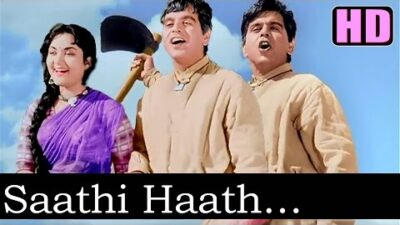
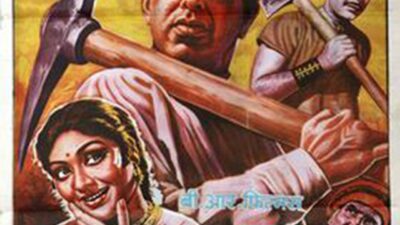
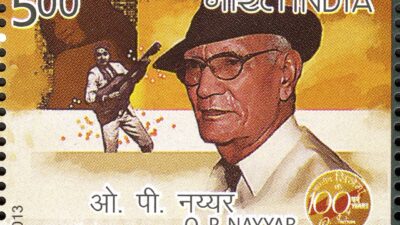
बी.आर. चोपड़ा की 'नया दौर' (1957) का यह गीत ओ.पी. नय्यर की पंजाबी-जैज़ शैली का सर्वोत्तम उदाहरण है — ट्रम्पेट और ढोलक का वह संयोजन जो पैर थिरकने पर मजबूर कर दे। साहिर लुधियानवी की चुलबुली कविता महबूबा के उड़ते बालों की तारीफ़ करती है। दिलीप कुमार और वैजयंतीमाला पर फ़िल्माया गया यह गाना एक युवा, आज़ाद और आशावान भारत की तस्वीर है।
अंग्रेज़ी में पढ़ें · Read in English
From B.R. Chopra's Naya Daur (1957), 'Ude Jab Jab Zulfein Teri' is one of Mohammed Rafi's most infectious romantic numbers, composed by O.P. Nayyar — the maestro of Punjabi-jazz-infused film music. Nayyar's characteristic trumpet-and-dholak combination drives the song forward with irresistible momentum, while Sahir Ludhianvi's playful verse celebrates the windswept beauty of the beloved. The song was filmed on Dilip Kumar and Vyjayanthimala in an outdoor setting, and its exuberant energy captured a postcolonial India that was young, optimistic, and in love with the open road. Released on HMV India (1957), it became one of Rafi's most beloved party songs.
संगीत The Music
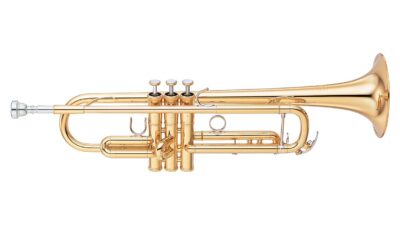
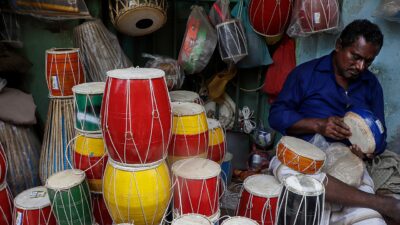
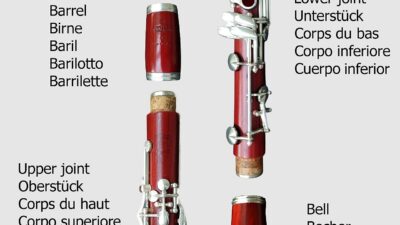
ओ.पी. नय्यर उस दौर के अनोखे संगीतकार थे जिन्होंने शास्त्रीय राग-परंपरा को अपना प्राथमिक आधार नहीं बनाया। उन्होंने पश्चिमी पीतल-वाद्यों — ट्रम्पेट और क्लेरिनेट — को पंजाबी ढोल की लय से जोड़ा। नतीजा एक ऐसी स्फूर्ति थी जिसकी नकल कोई और संगीतकार नहीं कर सका। 'उड़े जब जब' में ट्रम्पेट पहले धुन शुरू करता है, फिर रफ़ी की आवाज़ आती है — और पूरे गाने में पीतल-वाद्य हर संगीत-वाक्यांश के बाद विस्मयबोधक की तरह बजता है। तेज़ कहरवे की लय एक दौड़ते तांगे की तरह है।
अंग्रेज़ी में पढ़ें · Read in English
O.P. Nayyar was unique among Golden Era composers in his refusal to use the classical raag system as his primary framework. He built his songs on Western brass arrangements — trumpet and clarinet — married to Punjabi dhol rhythms and dholak. The result had an irresistible swing that other composers could not replicate. In 'Ude Jab Jab,' the trumpet introduces the melody before Rafi's voice takes over, and throughout the song the brass punctuates the melodic phrases like an exclamation mark. The rhythm is fast Keherwa; the overall feel is of a horse-cart galloping down a sunny road. Rafi's voice here is at its most carefree — not the anguished poet of Pyaasa but a young man genuinely drunk on beauty.
काव्य The Poetry
यहाँ साहिर लुधियानवी अपनी रेंज दिखाते हैं — 'यह दुनिया अगर मिल भी जाए' लिखने वाला कवि यहाँ जीवन-उत्सव और सौंदर्य-वर्णन में उतर आता है। पूरी कविता हवा, गति और महबूबा के उड़ते बालों की अनूठी खिंचाव की है। 'कँवारियाँ रह जाएँ ना' — यह चुलबुला संकेत है कि ऐसी सुंदरता सब दिल खींचती है। साहिर यहाँ हल्के हाथ से लिखते हैं — कोई गहरी दर्शनिकता नहीं, बस एक अच्छे दिन और खूबसूरत साथ का आनंद।
अंग्रेज़ी में पढ़ें · Read in English
Sahir Ludhianvi demonstrates his range here — the poet of 'Yeh Duniya Agar Mil Bhi Jaaye' writes pure, delighted celebration of physical beauty. The imagery is all of wind, movement, and the irresistible disruption caused by the beloved's hair. The verse 'kanwariyan rah jaayein na' (lest the unmarried girls remain so) is a playful suggestion that such beauty draws all hearts. Sahir writes with light control here — no heavy philosophy, just the pleasure of a good day and a beautiful woman.
कहानी The Story
'नया दौर' औद्योगिकीकरण के उस दौर की पृष्ठभूमि में थी जब मशीनें ताँगेवालों की रोज़ी छीन रही थीं। दिलीप कुमार ने एक ज़िद्दी ताँगेवाले की भूमिका निभाई। यह गाना उस गंभीर फ़िल्म में एक दुर्लभ हल्के-फुल्के पल में फ़िल्माया गया था। ओ.पी. नय्यर और साहिर लुधियानवी — दोनों के व्यक्तित्व बिल्कुल अलग, नय्यर हँसमुख और सहज, साहिर अंतर्मुखी — ने इस फ़िल्म के लिए अपना सर्वोत्तम काम किया। ट्रम्पेट की व्यवस्था रिकॉर्डिंग स्टूडियो में ही तय हुई, नय्यर ख़ुद गुनगुनाकर संगीतकारों को समझाते रहे।
अंग्रेज़ी में पढ़ें · Read in English
Naya Daur was set against the backdrop of industrial mechanisation threatening the livelihoods of tonga-wallahs (horse-cart drivers). Dilip Kumar played a defiant cart-driver. The song was filmed during a rare light-hearted interlude in an otherwise serious film. O.P. Nayyar and Sahir Ludhianvi, despite their contrasting personalities — Nayyar boisterous and spontaneous, Sahir introspective — produced some of their finest work together for this film. The trumpet arrangement was reportedly done in the recording studio itself, with Nayyar humming the brass part to session musicians.
विरासत The Legacy
ओ.पी. नय्यर की ध्वनि — जिसका सर्वोत्तम उदाहरण यह गीत है — 1950-60 के दशक के हिंदी फ़िल्म संगीत की एक पूरी धारा की सौंदर्य-पहचान बन गई। उनके पीतल-ढोलक संयोजन ने कल्याणजी-आनंदजी और आर.डी. बर्मन जैसे संगीतकारों को प्रभावित किया। 'उड़े जब जब ज़ुल्फ़ें तेरी' हर ओ.पी. नय्यर संकलन में शामिल है। मोहम्मद रफ़ी ने नय्यर को अपने पसंदीदा संगीतकारों में इसलिए रखा क्योंकि नय्यर के गाने उनकी आवाज़ को 'खेलने की जगह' देते थे।
अंग्रेज़ी में पढ़ें · Read in English
O.P. Nayyar's sound, epitomised by this song, became the defining aesthetic of a whole strand of 1950s-60s Hindi film music. His brass-dholak fusion influenced composers like Kalyanji-Anandji and R.D. Burman. 'Ude Jab Jab Zulfein Teri' appears on virtually every O.P. Nayyar compilation. It was used in multiple film retrospectives about 1950s India and its optimistic post-independence spirit. Mohammed Rafi considered Nayyar one of his favourite composers specifically because Nayyar's songs gave his voice 'room to play.'
वर्गीकरण
Classification- Tempo
- Fast
Genre
अन्य विवरण
More Details- Wikipedia: 'Naya Daur (1957 film)' — en.wikipedia.org/wiki/Naya_Daur_(1957_film)
- Wikipedia: 'O.P. Nayyar' — en.wikipedia.org/wiki/O._P._Nayyar
- Sathya Saran, 'Sahir Ludhianvi: The People's Poet' (2013) — HarperCollins India
- Anirudha Bhattacharjee & Balaji Vittal, 'Gaata Rahe Mera Dil' (2011) — HarperCollins
- Raghavendra K., 'The Seduced and the Seducer: Hindi Film and its Audience' — chapter on Dilip Kumar era
References
रोचक तथ्य
Margin Notesओ.पी. नैयर ने अपनी धुनों में कभी शास्त्रीय राग-पद्धति का उपयोग नहीं किया, और उन्हें इस बात पर गर्व भी था — कहा जाता है कि उन्होंने एक बार कहा था, 'मेरा संगीत ढोल से आता है, तानपूरे से नहीं।'
अंग्रेज़ी में पढ़ें · Read in English
O.P. Nayyar never used the classical raag system in his compositions and was proud of it — he reportedly once said 'My music comes from the dhol, not from the tanpura.'
सेबास्टियन डिसूज़ा, जिन्होंने इस गीत सहित नैयर की कई धुनों में तुरही (ट्रम्पेट) बजाई, गोवा के एक संगीतकार थे जिन्होंने जैज़ में प्रशिक्षण लिया था — उन्हीं की ध्वनि ने नैयर के संगीत को उसका ख़ास पाश्चात्य रंग दिया।
अंग्रेज़ी में पढ़ें · Read in English
Sebastian D'Souza, who played the trumpet for many Nayyar compositions including this one, was a Goan musician who had trained in jazz — his sound gave Nayyar's music its distinctive Western edge.
'नया दौर' एक कानूनी विवाद का केंद्र बनी, जब अभिनेत्री मधुबाला ने बाहरी शूटिंग से हटने के बाद निर्देशक बी.आर. चोपड़ा पर मुक़दमा कर दिया कि शूटिंग फिर से शुरू कर दी गई — यह मामला हिंदी फिल्म इतिहास में मशहूर हो गया।
अंग्रेज़ी में पढ़ें · Read in English
Naya Daur created a legal controversy when actress Madhubala sued director B.R. Chopra for restarting outdoor shooting after she withdrew — the case became famous in Hindi film history.
दिलीप कुमार, जो मुख्यतः त्रासद नायक की भूमिकाओं के लिए जाने जाते थे, कहा जाता है कि इस गीत की शूटिंग उन्हें बेहद पसंद आई थी, क्योंकि इसमें उन्हें एक सीधा-सरल, बेफ़िक्र किरदार निभाने का मौक़ा मिला।
अंग्रेज़ी में पढ़ें · Read in English
Dilip Kumar, though a tragic-hero actor, reportedly enjoyed filming this song because it let him play an uncomplicated, carefree character.
फिल्म का क्लाइमेक्स — एक तांगे (घोड़ागाड़ी) की बस से दौड़ — मानव श्रम बनाम मशीनीकरण के रूपक के रूप में लिखा गया था, और यह हिंदी सिनेमा के सबसे प्रतिष्ठित दृश्यों में से एक बन गया।
अंग्रेज़ी में पढ़ें · Read in English
The film's climax — a tonga (horse-cart) racing a bus — was written as a metaphor for human labour vs. mechanisation, and became one of Hindi cinema's most iconic sequences.
पुरस्कार
The Honoursनमूना-पट्टी
The Specimen Table| शीर्षक | उड़े जब जब ज़ुल्फ़ें तेरी · Ude Jab Jab Zulfein Teri |
|---|---|
| फ़िल्म | नया दौर · 1957 |
| वर्ष · युग | 1957 — Golden Era |
| गायक | Mohammed Rafi |
| गीतकार | Sahir Ludhianvi |
| संगीतकार | O.P. Nayyar |
| स्वरूप | एकल पुरुष |
| गति | तेज़ |
| अवधि | 3:45 |
| भाषा | Urdu · Hindi |
| वाद्य | trumpet · dholak · tabla · clarinet · violin |
| भाव | उत्सव · आनंदित · चुलबुला · रोमांटिक |
| लेबल | HMV |
| लोकप्रियता | Legendary |
| बोल-स्थिति | केवल झलक |
जुड़े हुए पन्ने
Connected Plates · The Graph Made Visibleअटलस में कोई पन्ना अकेला नहीं — इस गीत से जुड़े गीत, कलाकार, फ़िल्म, राग-ताल-विधा, सब यहाँ से खुलते हैं।
मिलते-जुलते गीत · Related Songs
कलाकार · The Artists
फ़िल्म · The Film
युग · The Era
साझा कीजिए · Share this Plate
यह पन्ना आगे बढ़ाइए
मेरा संगीत ढोल से आता है, तानपुरे से नहीं।
My music comes from the dhol, not from the tanpura.
— O.P. Nayyar, composer
सवाल-जवाब
Questions & Answers'उड़े जब जब ज़ुल्फ़ें तेरी' किसने गाया? · Who sang 'Ude Jab Jab Zulfein Teri'?
'नया दौर' (1957) में यह गाना मोहम्मद रफ़ी ने गाया। फ़िल्म के निर्देशक बी.आर. चोपड़ा थे, संगीत ओ.पी. नय्यर का और बोल साहिर लुधियानवी के। दिलीप कुमार और वैजयंतीमाला पर फ़िल्माया गया।
Mohammed Rafi sang this song for Naya Daur (1957), directed by B.R. Chopra. The music was composed by O.P. Nayyar and lyrics by Sahir Ludhianvi. It was filmed on Dilip Kumar and Vyjayanthimala.
ओ.पी. नय्यर की संगीत-शैली के लिए क्या जाना जाता है? · What is O.P. Nayyar's style known for?
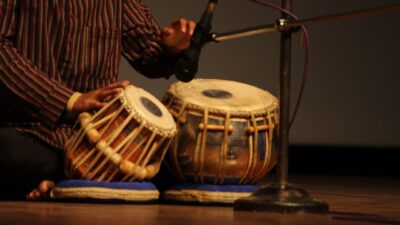
ओ.पी. नय्यर अपनी ऊर्जावान पंजाबी-जैज़ शैली के लिए जाने जाते हैं — पश्चिमी पीतल-वाद्यों (ट्रम्पेट, क्लेरिनेट) को ढोलक और तबले की ताल से जोड़ना। उन्होंने जानबूझकर शास्त्रीय राग-ढाँचे से परहेज़ किया और एक तुरंत पहचाना जाने वाला स्फूर्तिदायक स्वर बनाया।
O.P. Nayyar is known for his energetic Punjabi-jazz fusion — combining Western brass instruments (trumpet, clarinet) with dholak and tabla rhythms. He deliberately avoided classical raag structures and created an instantly recognisable upbeat sound.
'नया दौर' किस बारे में थी? · What was Naya Daur about?
'नया दौर' (1957) परंपरागत रोज़गार — ताँगेवाले — और औद्योगिक मशीनीकरण के टकराव की सामाजिक कहानी थी। दिलीप कुमार ने एक बहादुर ताँगेवाले की भूमिका निभाई जो एक बस के साथ दौड़ लगाकर साबित करता है कि मानवीय जज़्बा मशीन से जीत सकता है।
Naya Daur (1957) was a social drama about the conflict between traditional livelihoods — horse-cart drivers — and industrial mechanisation. Dilip Kumar played a heroic tonga-walla who races a bus to prove human spirit can beat machines.