कहानियाँ विंग · कहानी · Behind The Scenes · 1957
जब गाँव की धूल में सोना उगा
When Gold Grew in the Village Dust: The Naya Daur Soundtrack
1957 में बी.आर. चोपड़ा की 'नया दौर' ने मशीन के ख़िलाफ़ इंसान को खड़ा किया — और ओ.पी. नय्यर के संगीत ने उस लड़ाई को पूरे देश का गीत बना दिया। यही वह साल था जब आशा भोसले 'किसी की बहन' से निकलकर अपनी आवाज़ बनीं।
प्रकाशित19 June 2026 पाठ९ मिनट का पाठ
आमुख
नया दौर (1957) के साउंडट्रैक की कहानी — कैसे शहरी ठाठ वाले ओ.पी. नय्यर ने पंजाब की लोक-धुनों से गाँव का संगीत रचा, कैसे साहिर लुधियानवी ने समाजवाद को गुनगुनाने लायक़ बनाया, कैसे 'माँग के साथ तुम्हारा' की टाँगे वाली चाल नय्यर की पहचान बनी, और कैसे इस एक फ़िल्म ने आशा भोसले को लता मंगेशकर के साम्राज्य के सामने दूसरा ध्रुव बना दिया।
अंग्रेज़ी में पढ़ें · Read in English
The story of the Naya Daur (1957) soundtrack — how the urbane O.P. Nayyar built a village in sound from Punjabi folk tunes, how Sahir Ludhianvi made socialism singable, how the tonga rhythm of 'Maang Ke Saath Tumhara' became Nayyar's signature, and how one film turned Asha Bhosle into the second pole opposite Lata Mangeshkar's empire.
टाँगा, बस और एक मुक़दमा
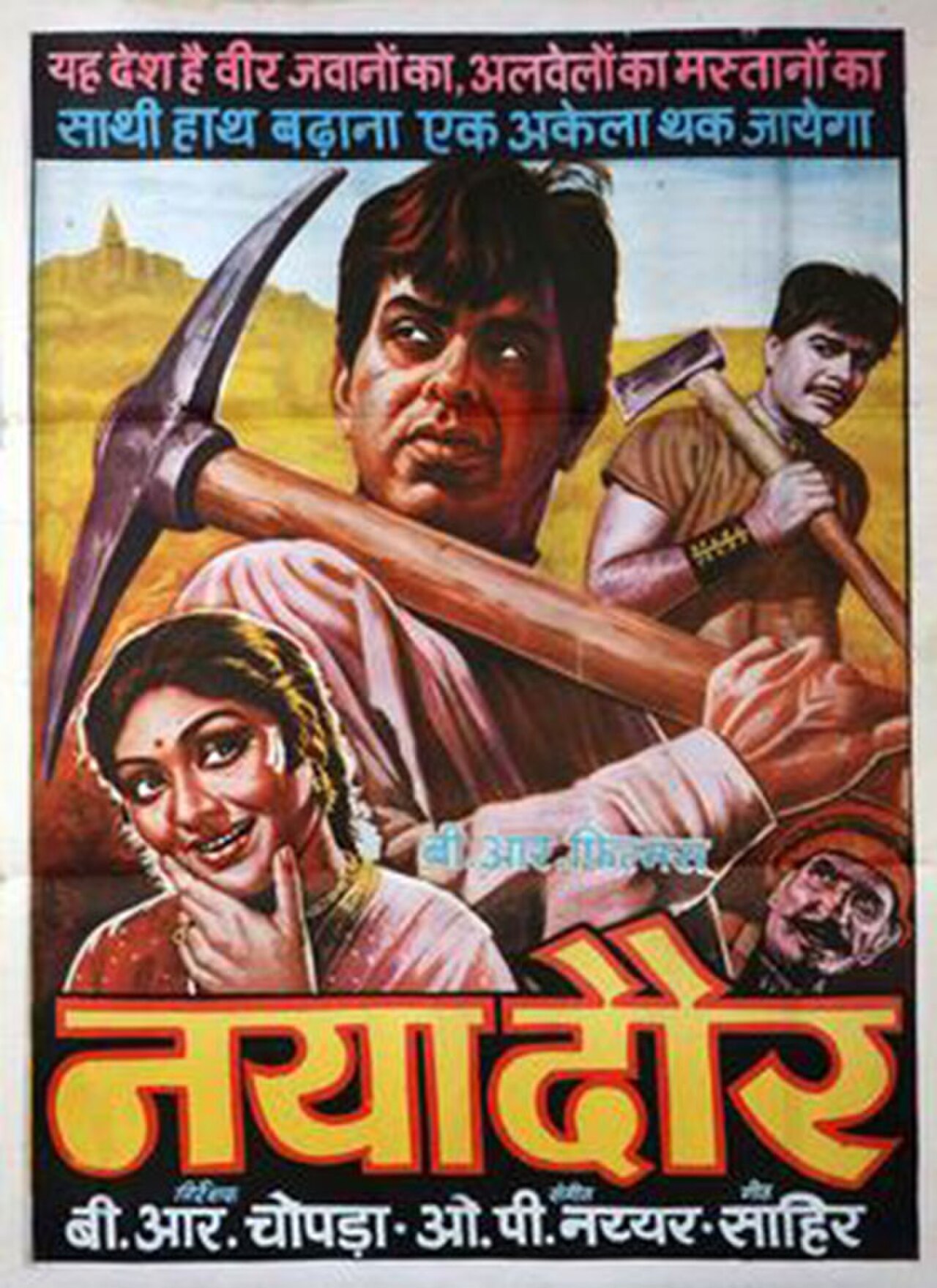
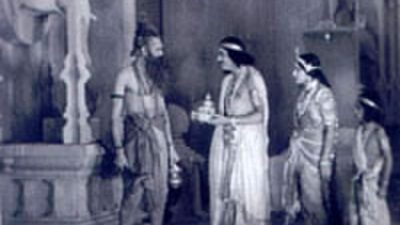
A Tonga, a Bus, and a Courtroom1957 की गर्मियों में परदे पर एक अजीब-सी दौड़ थी — एक तरफ़ फूँ-फूँ करती मोटर बस, दूसरी तरफ़ दिलीप कुमार का टाँगा। बी.आर. चोपड़ा की 'नया दौर' नेहरू-युग के उस बड़े सवाल पर खड़ी थी जो हर गाँव की चौपाल पर पूछा जा रहा था: मशीन आएगी तो आदमी कहाँ जाएगा? पर इस फ़िल्म की बनने की कहानी भी किसी ड्रामे से कम नहीं थी। नायिका पहले मधुबाला थीं; बीस दिन की शूटिंग भी हो चुकी थी। फिर भोपाल के लंबे आउटडोर शेड्यूल पर उनके पिता अताउल्लाह ख़ान अड़ गए — बेटी शहर से बाहर नहीं जाएगी। बात बंबई की अदालत तक पहुँची, जहाँ दिलीप कुमार ने भरी अदालत में मधुबाला के लिए अपनी मोहब्बत क़बूल की — और गवाही चोपड़ा के पक्ष में दी। मधुबाला की जगह वैजयंतीमाला आईं, और हिंदी सिनेमा की सबसे मशहूर प्रेम-कहानियों में से एक अदालत के कमरे में दम तोड़ गई। इस सारे शोर के बीच एक आदमी चुपचाप हारमोनियम पर बैठा था — ओ.पी. नय्यर, जिसे शहर की फ़िल्मों का संगीतकार समझा जाता था, और जिसे अब गाँव की धूल में सोना उगाना था।
अंग्रेज़ी में पढ़ें · Read in English
In the summer of 1957 there was a strange race on screen — a sputtering motor bus on one side, Dilip Kumar's tonga on the other. B.R. Chopra's Naya Daur stood on the great Nehru-era question being asked at every village square: when the machine comes, where does the man go? But the making of the film was a drama in itself. The heroine was originally Madhubala; some twenty days had even been shot. Then her father Ataullah Khan dug in against the long outdoor schedule near Bhopal — his daughter would not leave the city. The matter went to a Bombay courtroom, where Dilip Kumar confessed his love for Madhubala in open court — and testified on Chopra's side. Vyjayanthimala replaced Madhubala, and one of Hindi cinema's most famous love stories died in a courtroom. Amid all this noise one man sat quietly at his harmonium — O.P. Nayyar, considered a composer of city films, who now had to grow gold in village dust.
नय्यर का गाँव — पंजाब की मिट्टी, पश्चिम की चाल
Nayyar Builds a Village in Soundओ.पी. नय्यर की पहचान थी 'आर पार' और 'मिस्टर एंड मिसेज़ 55' का शहरी, झूमता, पश्चिमी रंग वाला संगीत। गाँव की फ़िल्म उन्हें देना चोपड़ा का जुआ था — और नय्यर ने इस जुए को अपनी जड़ों से जीता। लाहौर में पले इस संगीतकार ने पंजाब की लोक-धुनों का पिटारा खोल दिया। 'उड़े जब जब ज़ुल्फ़ें तेरी' पंजाबी लोक-रंग में रंगा ऐसा दोगाना था जिसमें खेतों की हवा थी; 'ये देश है वीर जवानों का' सीधा भाँगड़े के ढोल से उतरा था; और 'रेशमी सलवार कुर्ता जाली का' में आशा भोसले और शमशाद बेगम की आवाज़ें मेले की चहक बनकर टकराती थीं। ऊपर से साहिर लुधियानवी की क़लम — जिसने नारे को नग़मा बना दिया। 'साथी हाथ बढ़ाना' में साहिर ने श्रम और साझे की पूरी राजनीति को इतनी सादगी से गूँथा कि वह आज तक मज़दूर जुलूसों और स्कूल की प्रार्थना-सभाओं, दोनों में गाया जाता है। समाजवाद को इससे ज़्यादा गुनगुनाने लायक़ किसी ने नहीं बनाया।
अंग्रेज़ी में पढ़ें · Read in English
O.P. Nayyar's reputation rested on the urban, swinging, Western-tinted scores of Aar Paar and Mr. & Mrs. '55. Handing him a village film was Chopra's gamble — and Nayyar won it with his roots. Raised in Lahore, the composer threw open his trunk of Punjabi folk melodies. 'Ude Jab Jab Zulfein Teri' was a duet dyed in Punjabi folk colour with the breeze of open fields in it; 'Yeh Desh Hai Veer Jawanon Ka' came straight off the bhangra dhol; and in 'Reshmi Salwar Kurta Jali Ka' the voices of Asha Bhosle and Shamshad Begum collided like the chatter of a village fair. Above it all ran Sahir Ludhianvi's pen, which turned the slogan into song. In 'Saathi Haath Badhana' Sahir braided the entire politics of labour and sharing with such simplicity that it is still sung at workers' marches and school assemblies alike. No one ever made socialism more hummable.
आशा का राजतिलक
Asha's Coronation1957 तक आशा भोसले को इंडस्ट्री 'लता मंगेशकर की छोटी बहन' कहकर बुलाती थी — वह आवाज़ जिसे बड़ी गायिकाओं के छोड़े हुए गाने मिलते थे। और ओ.पी. नय्यर वह अकेले बड़े संगीतकार थे जिन्होंने अपने पूरे करियर में लता से एक भी गाना नहीं गवाया। इन दोनों अधूरे हिसाबों का जोड़ 'नया दौर' में मिला। नय्यर ने ए-ग्रेड फ़िल्म का पूरा स्त्री-स्वर आशा के कंधों पर रख दिया — रफ़ी के बराबर खड़ा करके। 'माँग के साथ तुम्हारा', 'उड़े जब जब', 'साथी हाथ बढ़ाना' — हर बड़े गाने में आशा थीं, किसी की परछाईं नहीं, बराबर की हिस्सेदार। उसी साल नासिर हुसैन की 'तुमसा नहीं देखा' में भी नय्यर-आशा की जोड़ी चमकी। नतीजा सबके सामने था: फ़िल्मफ़ेयर ने 1958 में नय्यर को 'नया दौर' के लिए सर्वश्रेष्ठ संगीतकार चुना — उनके करियर का इकलौता फ़िल्मफ़ेयर — और इंडस्ट्री में पहली बार खुलकर दो ख़ेमे दिखे: एक तरफ़ लता का साम्राज्य, दूसरी तरफ़ नय्यर की आशा। हिंदी फ़िल्म संगीत में अब दो सूरज थे।
अंग्रेज़ी में पढ़ें · Read in English
Until 1957 the industry called Asha Bhosle 'Lata Mangeshkar's younger sister' — the voice that got the songs bigger singers passed over. And O.P. Nayyar was the only major composer who, in his entire career, never recorded a single song with Lata. These two unfinished accounts added up in Naya Daur. Nayyar placed the entire female register of an A-grade film on Asha's shoulders — standing her level with Rafi. 'Maang Ke Saath Tumhara', 'Ude Jab Jab', 'Saathi Haath Badhana' — Asha was in every major song, nobody's shadow, an equal partner. The same year the Nayyar–Asha pairing shone again in Nasir Husain's Tumsa Nahin Dekha. The result was plain for all to see: Filmfare named Nayyar Best Music Director for Naya Daur in 1958 — the only Filmfare of his career — and for the first time the industry openly had two camps: Lata's empire on one side, Nayyar's Asha on the other. Hindi film music now had two suns.
टप-टप टाँगे की चाल: एक रिदम की किंवदंती
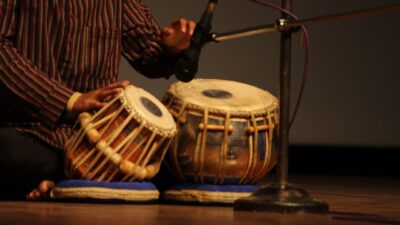
The Tonga Beat: Legend of a Rhythm'नया दौर' का नायक टाँगेवाला था, तो नय्यर ने ताल को ही टाँगा बना दिया। 'माँग के साथ तुम्हारा' में घोड़े की टापों जैसी वह टप-टप चाल — जिसके लिए किंवदंती है कि तालवादकों ने लकड़ी के ब्लॉकों और नारियल की खोपड़ियों तक से टापों की आवाज़ रची — परदे पर दौड़ते टाँगे से ऐसी चिपकी कि लोग कहने लगे, गाना सुनो तो घोड़ा दिखता है। यह 'टाँगा बीट' नय्यर की मुहर बन गई; आगे 'बंदा परवर थाम लो जिगर' से लेकर 'ज़रा हौले हौले चलो मोरे साजना' तक उनकी कितनी ही धुनें इसी चाल पर दौड़ीं, और आज भी संगीत की महफ़िलों में 'ओ.पी. नय्यर रिदम' कहते ही तबलची वही ठेका बजाता है। रही 'उड़े जब जब ज़ुल्फ़ें तेरी' की बात — रफ़ी और आशा की इस छेड़छाड़ में कोरस की हाँक, मुड़ती-घूमती लोक-धुन और वही सरपट रफ़्तार मिलकर ऐसा नशा बनी कि गाना फ़िल्म का झंडा बन गया। बरसों बाद तक नय्यर मुस्कुराकर कहते थे कि उनकी धुनें घोड़े की चाल से चलती हैं — रुकती नहीं।
अंग्रेज़ी में पढ़ें · Read in English
Naya Daur's hero drove a tonga, so Nayyar made the rhythm itself a tonga. In 'Maang Ke Saath Tumhara', that clip-clop gait like horse hooves — legend has it the percussionists conjured hoofbeats from wood blocks and even coconut shells — fused so tightly with the tonga racing on screen that people said you could see the horse just by hearing the song. The 'tonga beat' became Nayyar's seal; from 'Banda Parwar Thaam Lo Jigar' to 'Zara Haule Haule Chalo More Saajna', many of his melodies would gallop on that same gait, and to this day a tabla player breaks into that very theka the moment someone says 'O.P. Nayyar rhythm'. As for 'Ude Jab Jab Zulfein Teri' — in that teasing Rafi–Asha duet, the calls of the chorus, the swerving folk tune and the same galloping pace mixed into such intoxication that the song became the film's flag. Years later Nayyar would say with a smile that his tunes moved at a horse's trot — they did not stop.
विरासत: जब गीत फ़िल्म से बड़े हो गए
Legacy: When the Songs Outgrew the Filmअगस्त 1957 में रिलीज़ हुई 'नया दौर' उस साल की सबसे बड़ी हिट फ़िल्मों में रही — उसी 1957 में, जिसमें 'मदर इंडिया' और 'प्यासा' भी आई थीं। दिलीप कुमार को फ़िल्मफ़ेयर का सर्वश्रेष्ठ अभिनेता पुरस्कार मिला, नय्यर को संगीत का। पर असली जीत गीतों की थी, जो फ़िल्म से बड़े हो गए। 'साथी हाथ बढ़ाना' श्रमिकों का तराना बन गया; 'ये देश है वीर जवानों का' हर स्वतंत्रता दिवस और बारात, दोनों की धुन है; 'उड़े जब जब' और 'माँग के साथ तुम्हारा' अंताक्षरी के अमर मोहरे हैं। 2007 में जब 'नया दौर' रंगीन होकर दोबारा सिनेमाघरों में उतरी, तो पचास साल पुराने इन गीतों ने नई पीढ़ी के सामने फिर वही जादू दोहराया। और इतिहास के लिए यह फ़िल्म एक दस्तावेज़ है — उस मोड़ का, जहाँ से हिंदी फ़िल्म संगीत में आशा भोसले का अपना दौर शुरू होता है। गाँव की धूल में उगा सोना आज भी खरा है।
अंग्रेज़ी में पढ़ें · Read in English
Released in August 1957, Naya Daur was among the year's biggest hits — in the same 1957 that gave us Mother India and Pyaasa. Dilip Kumar took the Filmfare for Best Actor, Nayyar for music. But the real victory belonged to the songs, which outgrew the film. 'Saathi Haath Badhana' became an anthem of labour; 'Yeh Desh Hai Veer Jawanon Ka' is the tune of every Independence Day and every baraat; 'Ude Jab Jab' and 'Maang Ke Saath Tumhara' are immortal moves in antakshari. When a colourised Naya Daur returned to cinemas in 2007, these fifty-year-old songs repeated their magic before a new generation. And for history, the film is a document — of the turning point where Asha Bhosle's own era in Hindi film music begins. The gold that grew in the village dust still rings true.
परिचय
IdentityEpithet
1957 में बी.आर. चोपड़ा की 'नया दौर' ने मशीन के ख़िलाफ़ इंसान को खड़ा किया — और ओ.पी. नय्यर के संगीत ने उस लड़ाई को पूरे देश का गीत बना दिया। यही वह साल था जब आशा भोसले 'किसी की बहन' से निकलकर अपनी आवाज़ बनीं।
In 1957 B.R. Chopra's Naya Daur pitted man against machine — and O.P. Nayyar's score turned that fight into the nation's song. It was also the year Asha Bhosle stopped being somebody's sister and became a voice of her own.
अन्य विवरण
More Details- साथी हाथ बढ़ाना — एक अकेला थक जाएगा, मिल कर बोझ उठाना। · Saathi haath badhana — alone a man will tire; lift the load together.
- ओ.पी. नय्यर
- साहिर लुधियानवी
- आशा भोसले
- मोहम्मद रफ़ी
- बी.आर. चोपड़ा
- Akshay Manwani, 'Sahir Ludhianvi: The People's Poet' (HarperCollins India, 2013)
- Raju Bharatan, 'A Journey Down Melody Lane' (Hay House India, 2010)
- Ganesh Anantharaman, 'Bollywood Melodies: A History of the Hindi Film Song' (Penguin India, 2008)
- Filmfare Awards archives — 5th Filmfare Awards (1958)
Pull Quotes
Key Figures
References
कहानी-नमूना
The Story Specimen| शीर्षक | जब गाँव की धूल में सोना उगा · When Gold Grew in the Village Dust: The Naya Daur Soundtrack |
|---|---|
| श्रेणी | Behind The Scenes |
| प्रकार | विशेष लेख |
| पाठ-समय | ९ मिनट का पाठ |
| प्रकाशित | 19 June 2026 — admin |
| वर्ष | 1957 |
| टैग | naya_daur · op_nayyar · asha_bhosle · mohammed_rafi · sahir_ludhianvi · br_chopra · 1957 · film_music · tonga_beat |
और कहानियाँ
More Stories from the Atlas
साझा कीजिए · Share this Plate